IN792DS Directional Cast Turbine Vane Manufacturing Checklist
An IN792DS directional cast turbine vane RFQ should define the vane geometry, material requirement, directional solidification route, platform and seal-face machining, heat-treatment scope, and grain-structure inspection before the supplier quotes. The buyer is not only asking for a nickel superalloy casting. It is asking whether the supplier can control a DS vane route and provide evidence that the casting, post-processing, machining, and inspection package matches the drawing.
NewayAeroTech can review custom turbine vane and hot gas path projects through superalloy directional casting, power generation application support, superalloy heat treatment, and material testing and analysis. Related material-route context may also come from Inconel 738LC and MAR-M247 casting route selection. Final material approval and application release remain buyer responsibilities.
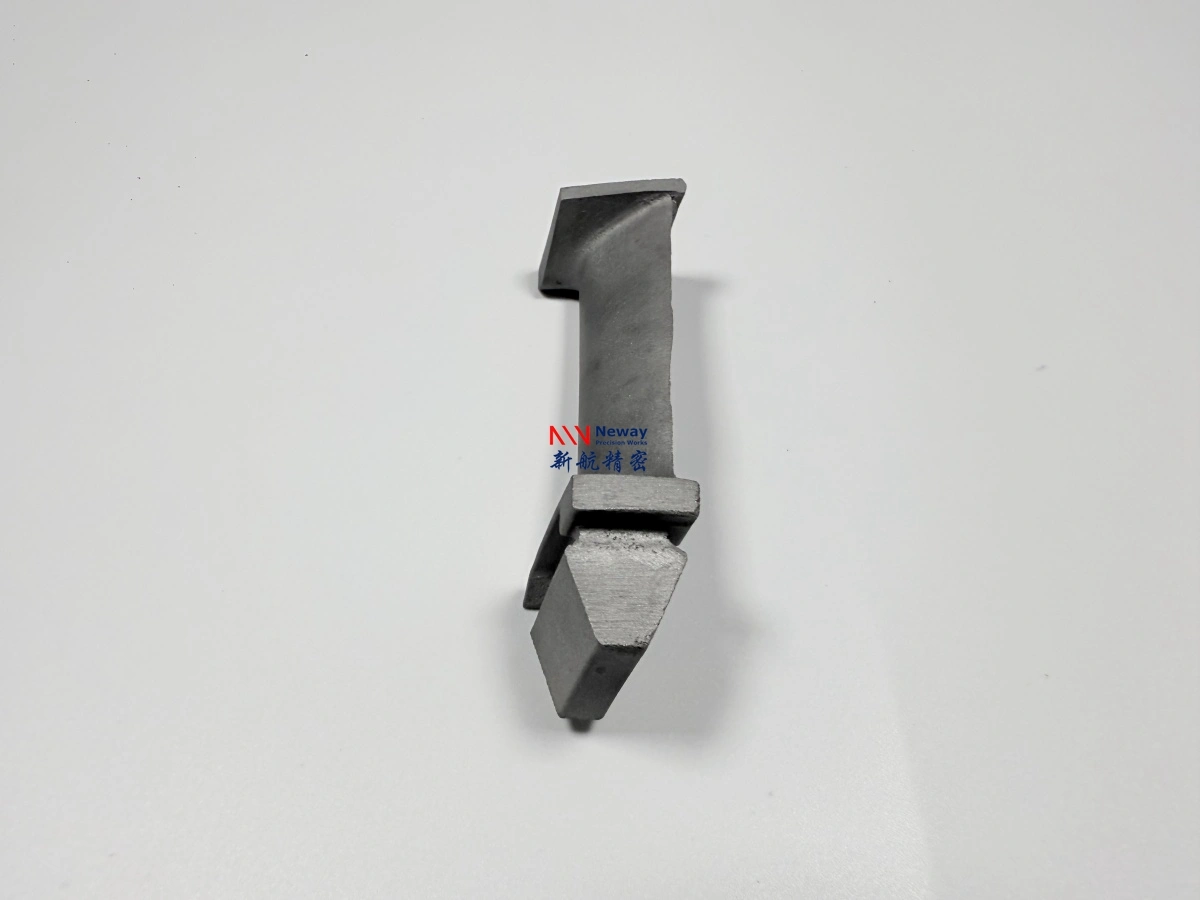
IN792DS Material Approval Before Route Review
For this RFQ, buyers should first confirm whether IN792DS is fixed by the drawing. If the alloy is mandatory, the supplier should focus on directional casting feasibility, heat treatment, machining allowance, and inspection records. If IN792DS is only a candidate alloy, the buyer should ask for manufacturability comments and risks, then make the material decision through its own engineering review. The supplier should not treat material substitution as a purchasing shortcut.
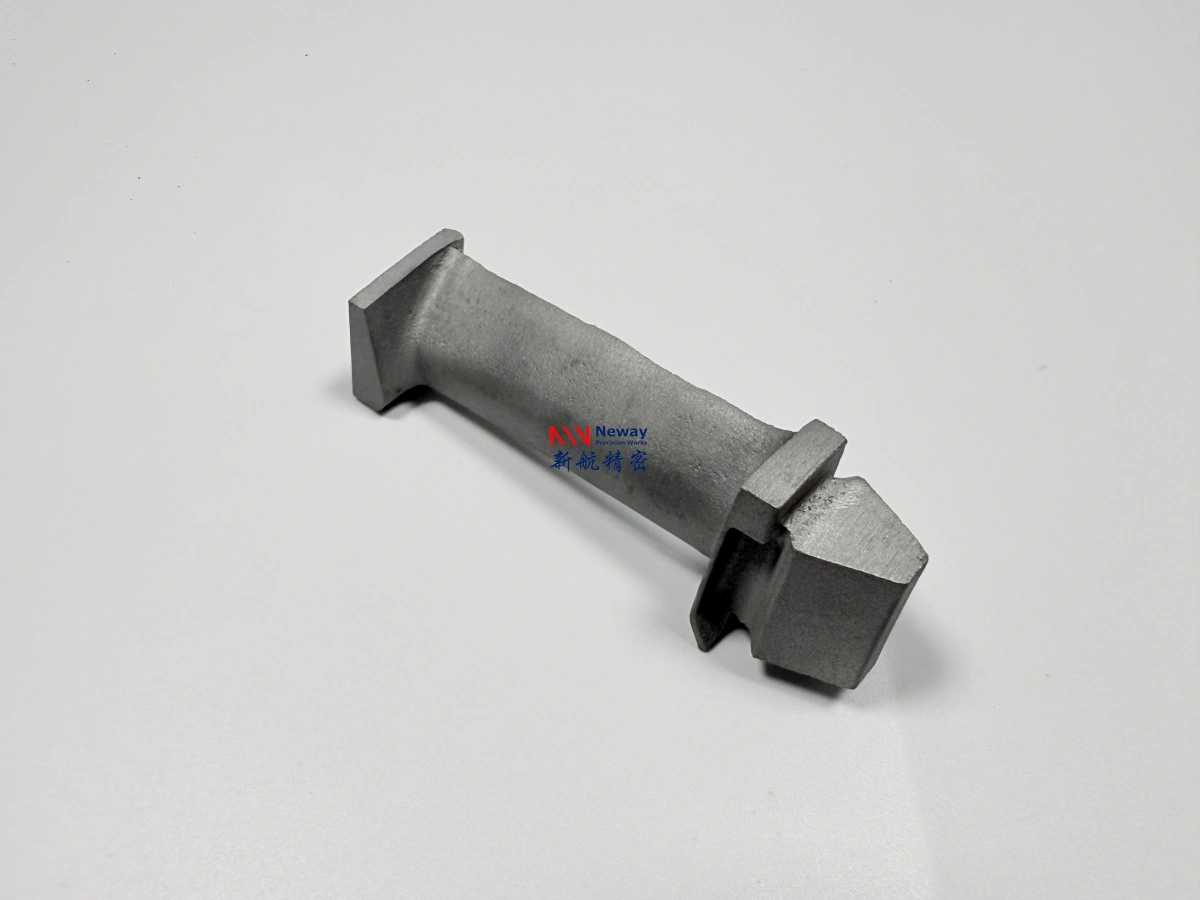
The material note should include grade spelling, any buyer standard, heat-treatment condition, substitute restrictions, and required documentation. IN792DS belongs in the quotation as a controlled material and route package, not as a casual alloy label. If a sample vane is supplied, the buyer should state whether the sample is a reference part, a worn service part, or an approved geometry source.
Material question | Supplier review | Buyer decision |
|---|---|---|
IN792DS fixed on drawing | Quote DS route, heat treatment, machining, and inspection evidence. | Confirm grade, acceptance rule, and delivery state. |
IN792DS as candidate | Comment on castability and route risk for the vane geometry. | Approve final material before order release. |
Legacy sample provided | Check wear, oxidation, deformation, and missing design data. | Decide whether the sample is reference or design authority. |
Directional Casting Route for Vane Geometry
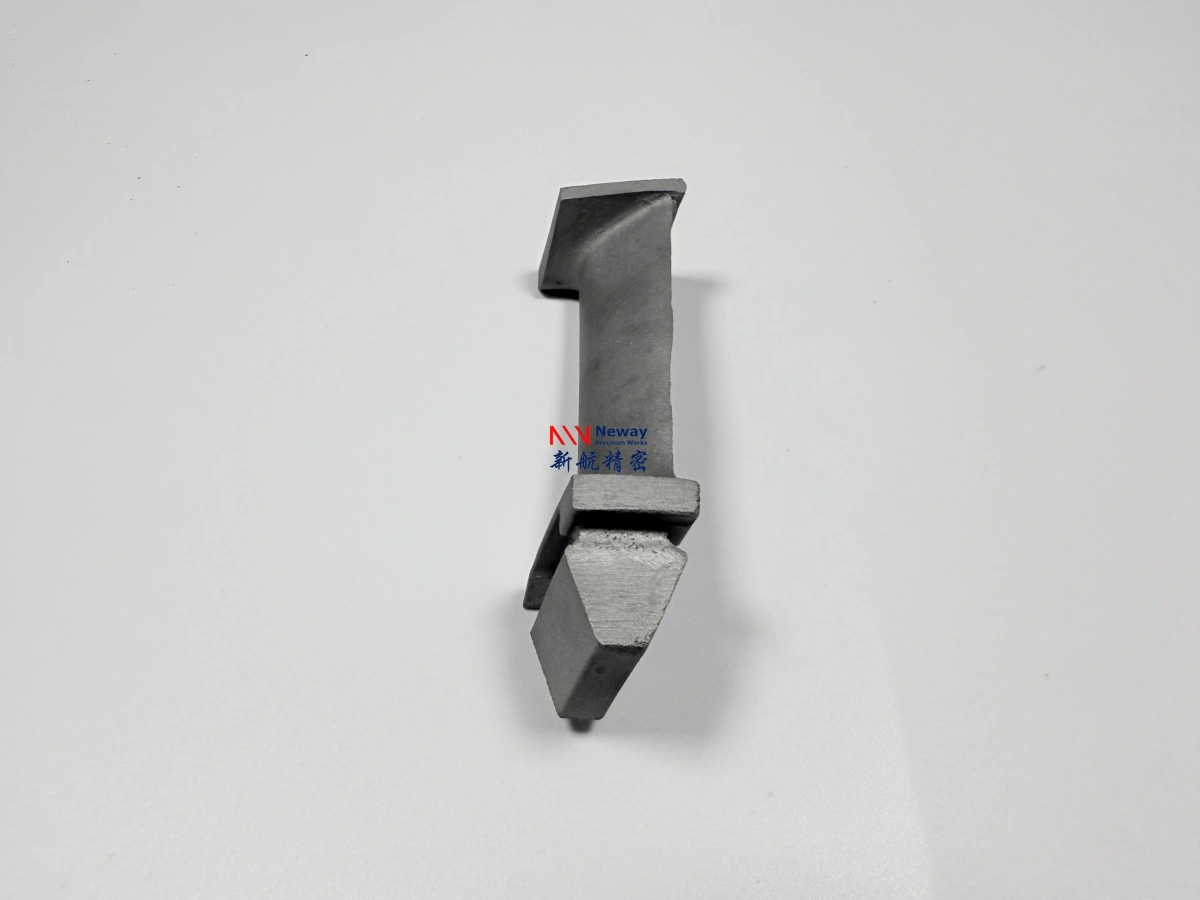
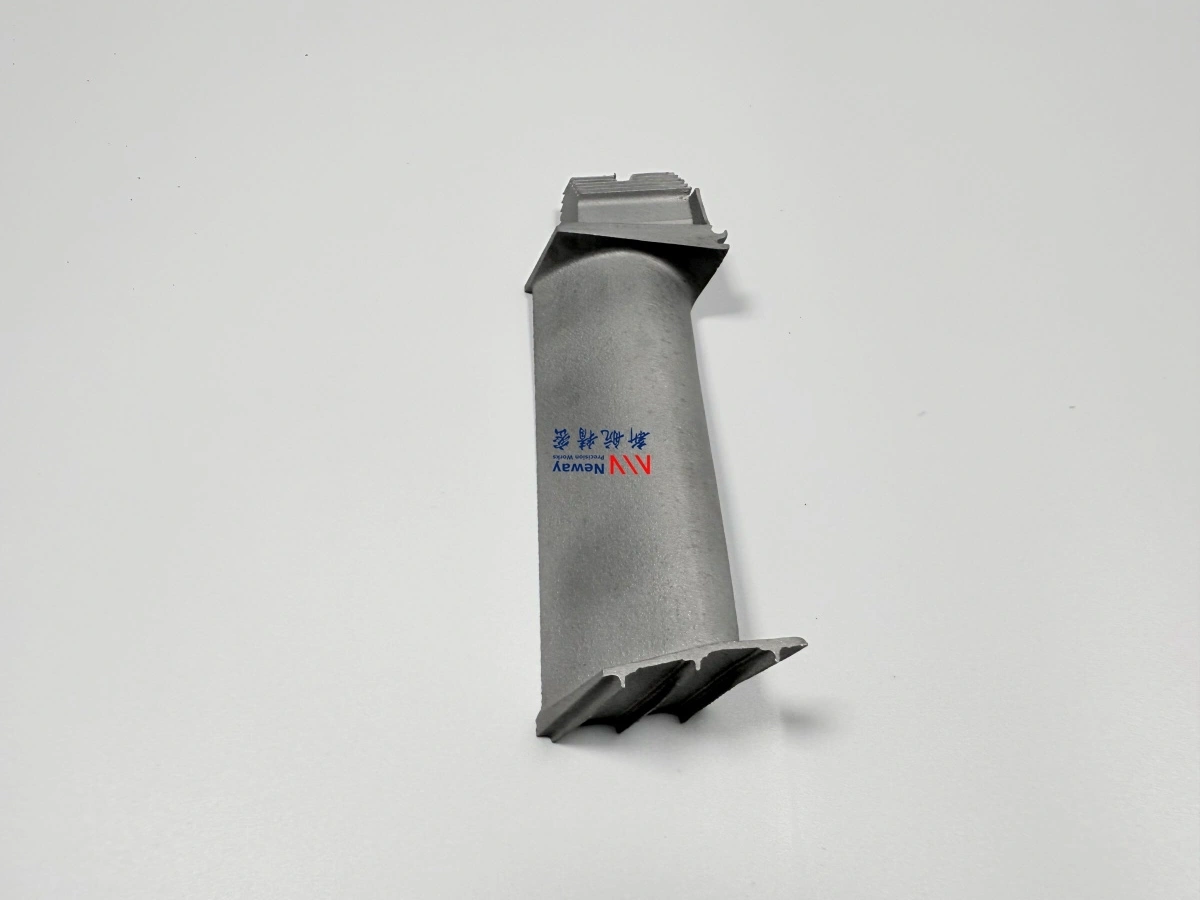
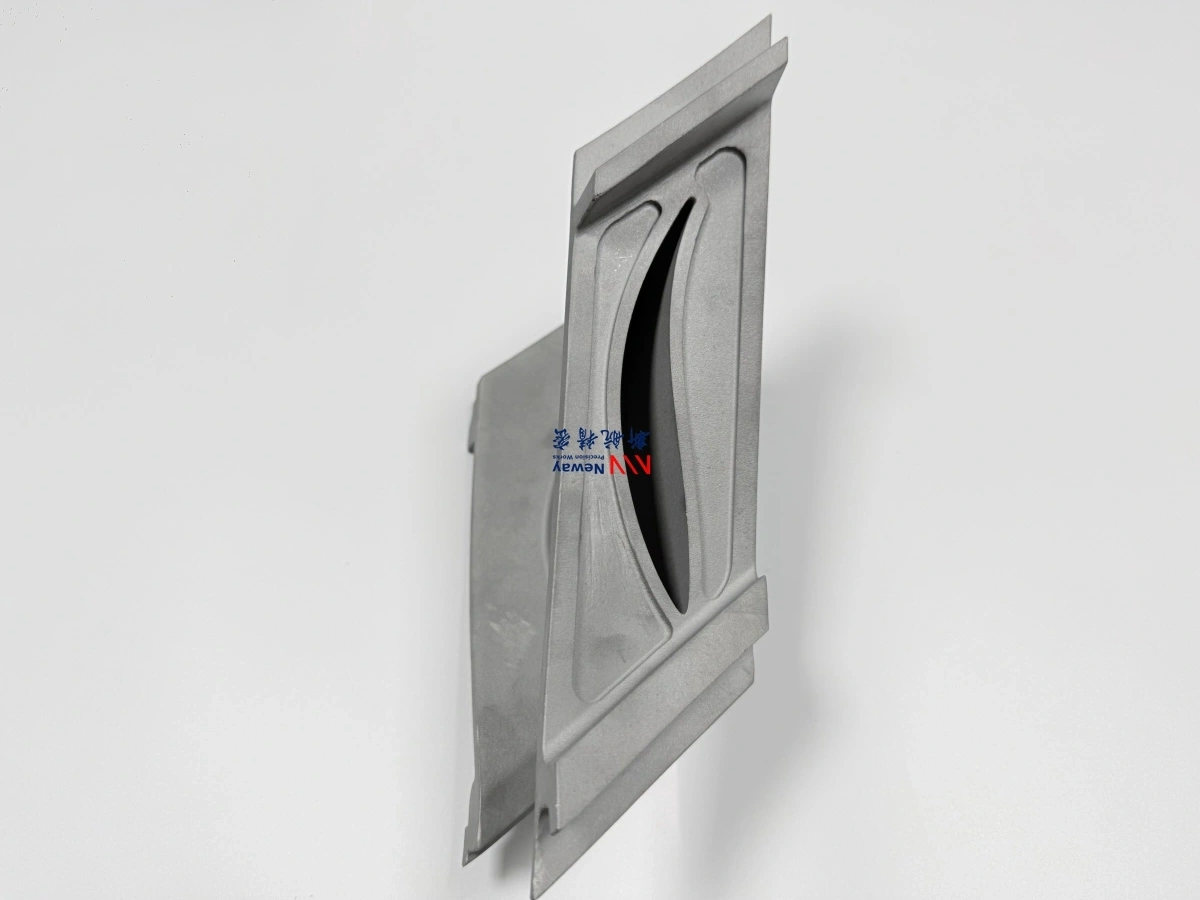
A turbine vane is usually more than an airfoil. The RFQ should mark the airfoil, platform, fillets, seal faces, mounting features, flow-path surfaces, and any core-related geometry. Directional solidification must be reviewed against these features because grain direction, wall transitions, and platform geometry affect casting risk. A vane with thin walls and heavy platforms may need a different tooling and inspection conversation than a simple test coupon.
The supplier should understand whether the buyer expects a casting blank, a rough-machined vane, or a finished vane segment. A blank may leave allowance for buyer machining. A rough-machined part may include datum preparation and platform stock. A finished package may include heat treatment, final machining, FPI, X-ray or CT review, CMM reporting, and grain-structure evidence. Each delivery state changes the manufacturing route.
Vane area | DS route concern | RFQ instruction |
|---|---|---|
Airfoil | Wall control, grain direction, surface condition, and internal soundness. | Mark critical surfaces and inspection zones. |
Platform | Thermal mass, distortion, machining allowance, and seal surface control. | Define stock, datums, and final CMM dimensions. |
Seal face | Flatness, machining sequence, coating boundary, and inspection timing. | State surface finish and delivery condition. |
Core-related features | Core shift, blocked passages, and hidden wall-thickness risk. | Specify X-ray or CT requirement where needed. |
Heat Treatment and Post-Process Hold Points
IN792DS vane RFQs should place heat treatment into the manufacturing route before pricing. Heat treatment can affect dimensional movement, microstructure, and inspection timing. If HIP, stress relief, or additional post-processing is part of the buyer's requirement, those steps should be stated before machining scope is quoted. Machining a platform or seal face before the required thermal process may create rework or shift the final inspection baseline.
Buyers should define hold points. Grain-structure review may be needed before final machining. FPI may be required after casting and again after machining. X-ray or CT may be needed before removing machining stock from high-risk areas. CMM reporting should be tied to the surfaces that determine assembly or flow-path fit, not added as a vague final inspection request.
Grain Structure and Defect Evidence for DS Vanes
The core evidence for a DS vane is not the same as a normal equiaxed casting. The buyer may need proof that grain structure aligns with the intended directional route and that defects relevant to the vane geometry have been reviewed. Grain-related issues, shrinkage, hot tears, surface indications, core shift, wall-thickness variation, and platform distortion should be handled as different risks. The inspection plan should name the method and the feature it protects.
NewayAeroTech can quote inspection records when buyers provide acceptance expectations. If the buyer does not define the evidence, one supplier may quote only visual inspection while another quotes FPI, X-ray, CMM, and material records. Those quotes are not comparable. The checklist should force the same evidence boundary before supplier review.
Evidence item | Why it matters for IN792DS vanes | Buyer note |
|---|---|---|
Grain-structure review | Confirms the DS route is being controlled for the vane requirement. | State acceptance basis and reporting expectation. |
FPI | Finds surface indications after casting, heat treatment, or machining. | Define inspection timing and rejectable areas. |
X-ray or CT | Reviews internal soundness, core position, and hidden geometry risk. | Mark critical wall and transition zones. |
CMM | Verifies platform, seal face, datum, and assembly geometry. | List report dimensions instead of asking for all features. |
Supplier Checklist for IN792DS Vane RFQs
A useful supplier response should answer: whether the vane geometry fits the DS route, whether IN792DS is being quoted as fixed material, what tooling or first-article risk exists, which surfaces need machining allowance, which heat-treatment steps are included, which inspections are included, and what remains outside supplier scope. The response should also flag missing data that prevents a responsible quotation.
The buyer should avoid comparing suppliers by unit price before these points are visible. A low quote that excludes grain evidence, X-ray review, heat treatment, or machining datums may not match the actual vane requirement. A higher quote may include the evidence needed for first-article validation. The checklist makes those differences explicit.
First Article Boundary for DS Vane Approval
The first article for an IN792DS DS vane should confirm more than shape. It should show whether the directional route can control grain structure through the airfoil and platform, whether the casting has enough stock for seal-face and datum machining, whether the heat-treatment route causes unacceptable movement, and whether NDT evidence answers the buyer's release question. A first article accepted only after final machining gives the buyer less information about which process step created a problem.
The buyer should state what happens when the first article finds a route issue. Grain evidence outside the acceptance boundary may stop the route. A local surface indication may trigger review before machining. Platform distortion may require tooling or allowance changes. Core shift may change the inspection plan. These decisions should be written before ordering the sample lot, because otherwise the supplier and buyer may disagree about whether the first article is a pass, rework candidate, or learning sample.
First-article item | Evidence to request | Decision before next batch |
|---|---|---|
Grain structure | DS route evidence tied to the vane drawing. | Accept route or revise process before repeat casting. |
Platform and seal stock | Machining allowance review and CMM after datum preparation. | Approve final machining plan or adjust stock. |
Internal soundness | X-ray or CT review for marked wall and transition zones. | Define whether the defect is rejectable or reviewable. |
Heat-treatment movement | Dimensional check before and after required thermal processing. | Set final inspection timing and machining sequence. |
Checklist item | Pass condition | Risk if missing |
|---|---|---|
Material and route | IN792DS and DS route are both acknowledged. | Supplier may quote generic casting. |
Vane geometry | Airfoil, platform, seal face, and core features are reviewed separately. | Critical areas may be underquoted. |
Post-process scope | Heat treatment, machining, and inspection timing are listed. | Responsibility disputes can appear after first article. |
Inspection evidence | Grain, FPI, X-ray or CT, CMM, and material records are tied to features. | Supplier evidence may not support buyer release. |
RFQ Data to Send for IN792DS Vane Manufacturing
Send the 2D drawing, 3D model, IN792DS material note, vane function, target quantity, delivery state, directional casting requirement, heat-treatment requirement, machining surfaces, coating boundary if any, inspection requirements, and first-article acceptance plan. If the project starts from a sample, include notes on wear, deformation, oxidation, coating residue, and which dimensions are still trusted.
NewayAeroTech can review IN792DS directional cast vane manufacturing when the buyer defines material approval, DS route evidence, platform and seal-face machining, and inspection records. Add expected sample quantity and any destructive inspection needs if the first article will be sectioned or held for buyer review. That creates a quote based on the vane's real engineering risk rather than a broad request for a directional casting price.
Related FAQs
When should buyers choose directional solidification instead of equiaxed casting?
How do materials affect DS, equiaxed, and single crystal route selection?
What inspection methods are commonly used after heat treatment?
What inspections are typically conducted to ensure quality in gas turbine components?