MAR M247DS Directional Casting for High-Load Turbine Components
MAR M247DS High-Load Component Boundary
MAR M247DS directional casting belongs in a high-load turbine component RFQ when the buyer needs a controlled superalloy route, not simply a quote for a hard nickel alloy shape. The key question is whether the component's duty, local geometry, grain-structure requirement, post-casting thermal route, and inspection evidence can be quoted as a coherent manufacturing package. For blades, vanes, shrouds, seal segments, and other hot-section parts, a high-load component review must identify which surfaces carry thermal, mechanical, sealing, or assembly risk before price comparison begins.
This article is different from a GTD111DS vane article because the center of gravity is not one vane alloy and one static-vane RFQ. It is a MAR M247DS high-load route review, where thick sections, platform transitions, attachment surfaces, local stress areas, HIP and heat treatment decisions, and release records can change the manufacturing boundary. NewayAeroTech can review drawing-based custom manufacturing requests for MAR M247DS turbine components based on customer drawings, models, material notes, quantities, delivery condition, and inspection standards.
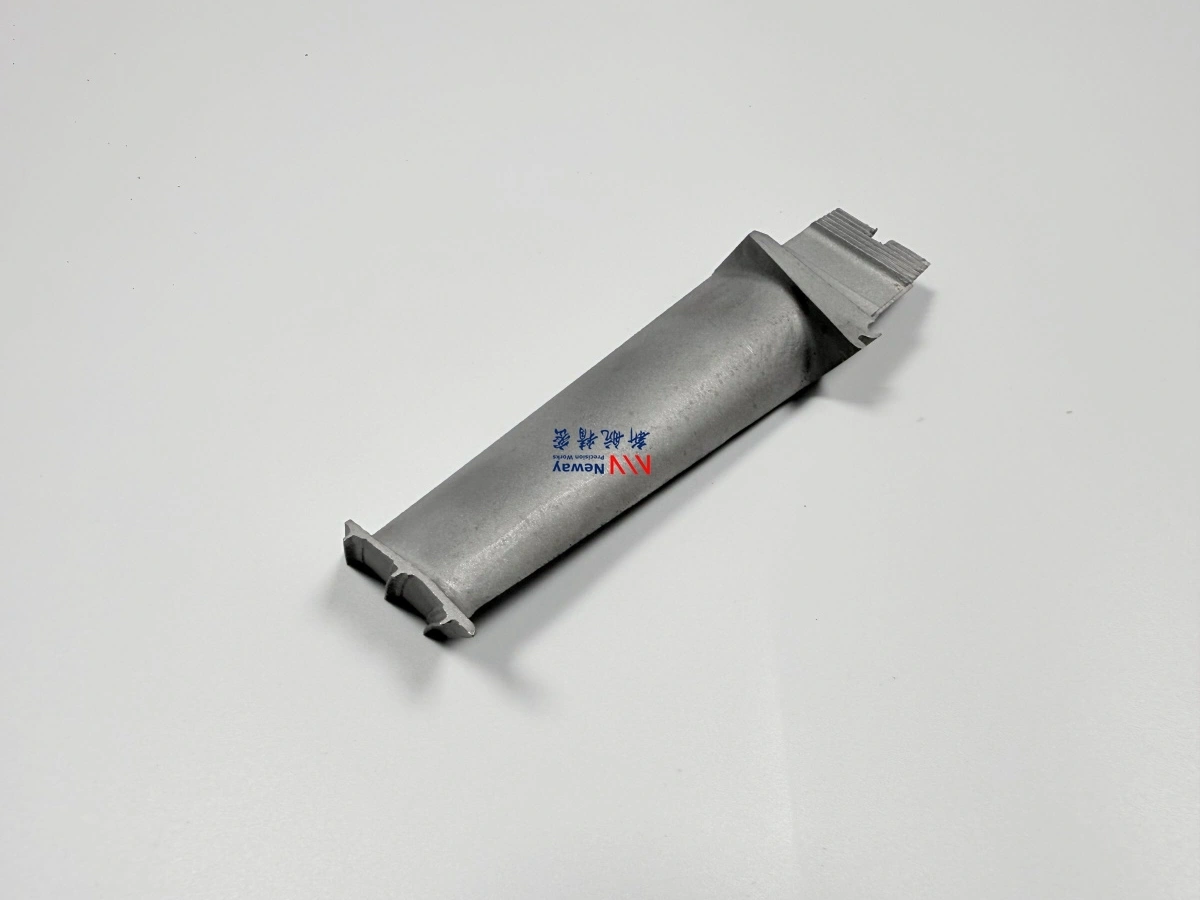
Component Duty Map for Blades, Vanes and Shrouds
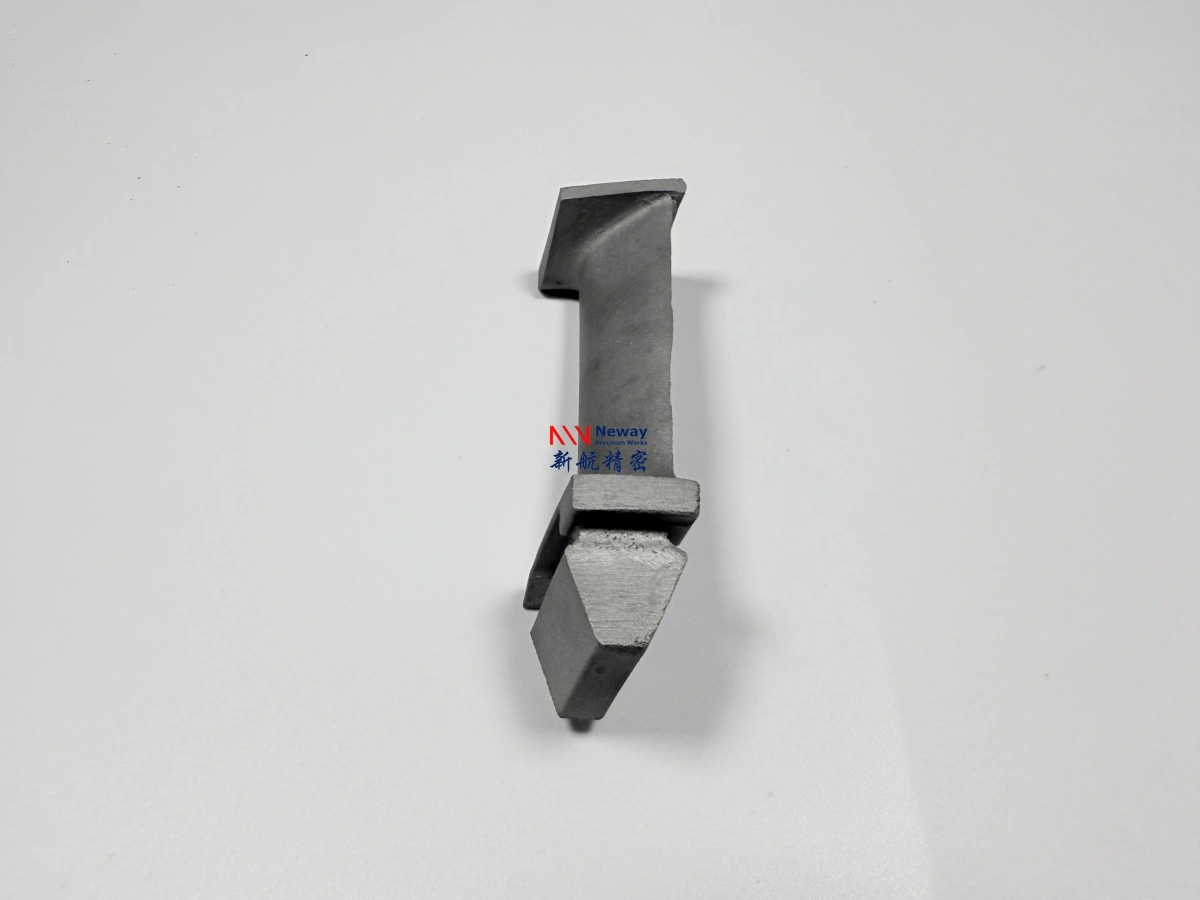
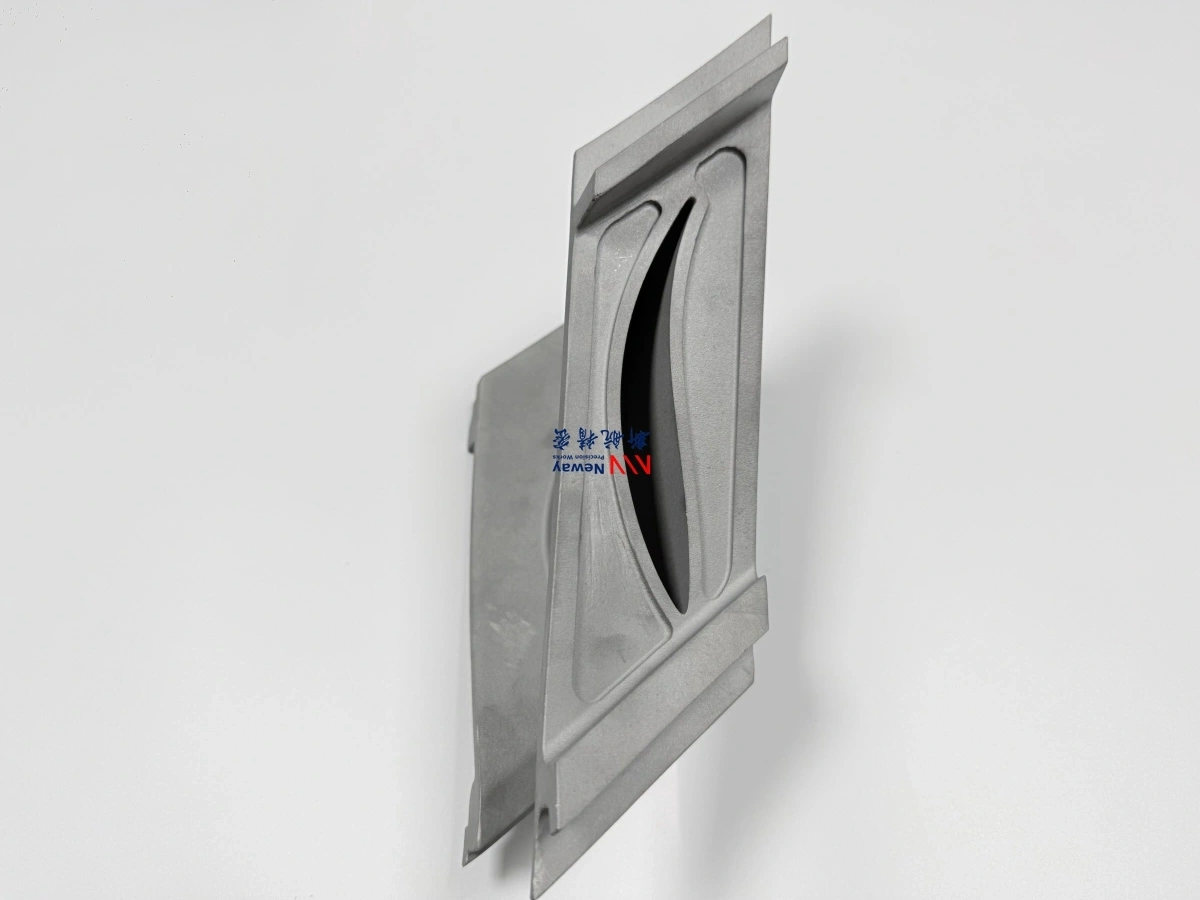
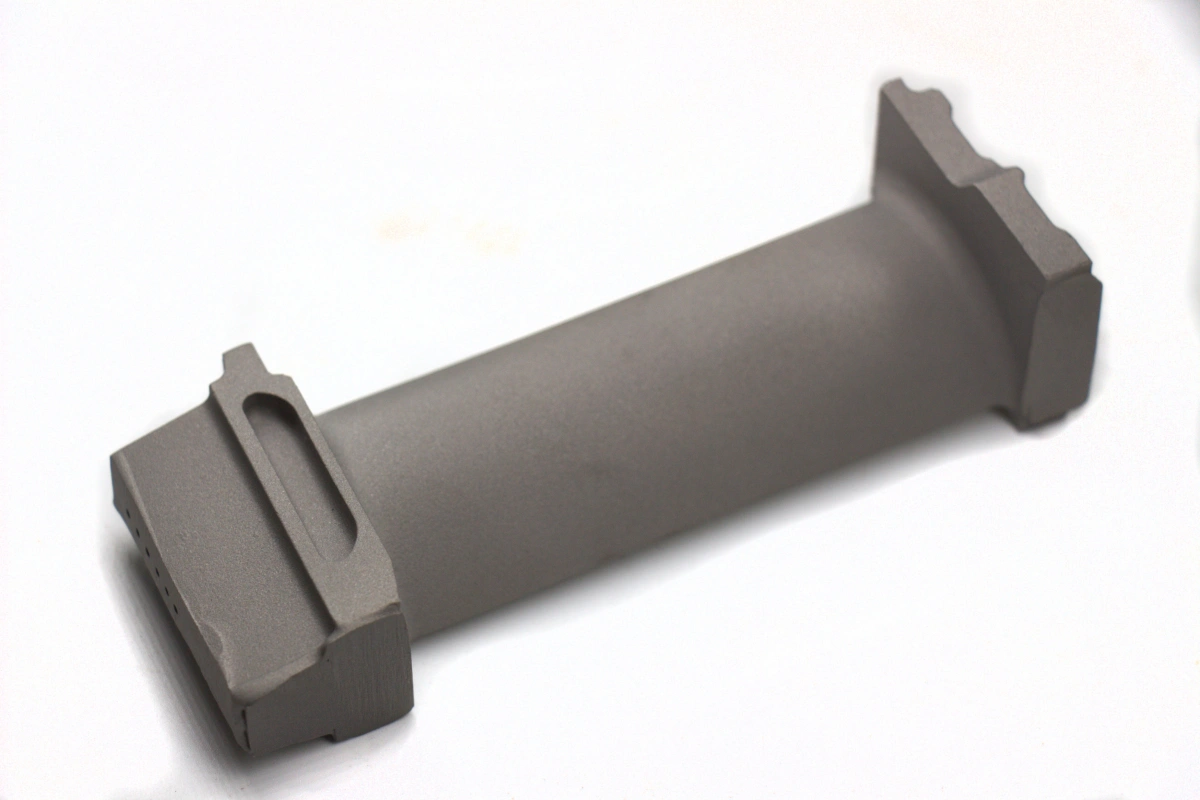
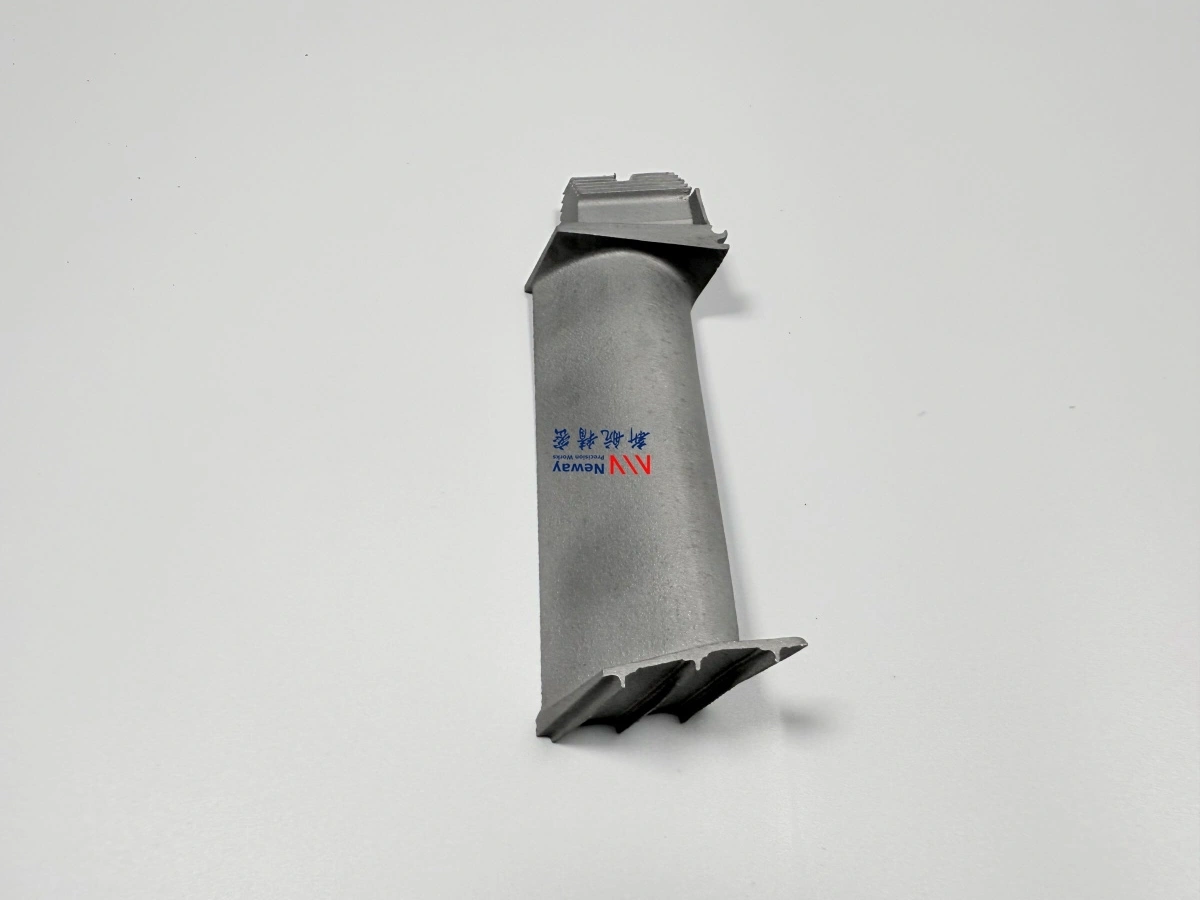
High-load turbine components should be sorted by function before a supplier discusses route details. A blade, a vane, a shroud, and a seal segment can all be hot-section superalloy parts, but their manufacturing risks are not identical. A blade may bring airfoil, root, platform, and rotating-duty concerns. A vane may require flow-path control, platform machining, and heat-exposed static surfaces. A shroud or seal segment may emphasize dimensional stability, wear area, coating preparation, and assembly face control.
For MAR M247DS, the buyer should state which component category the drawing belongs to and which surfaces are critical. The superalloy directional casting route can then be reviewed against real part duty instead of being applied as a generic process label. This is especially important when the part is for power generation turbine components or other hot gas path service where thermal cycling, oxidation, creep exposure, and assembly conditions may all influence the route.
Component Type | High-Load Review Focus | RFQ Detail Buyers Should Add |
|---|---|---|
Blade or bucket blank | Airfoil thickness, platform transition, root stock, thermal exposure, and grain-structure requirement | State whether the quote is for cast blank, root-machined blank, or finished blade scope |
Turbine vane or nozzle part | Flow-path surface, platform faces, leading and trailing edge risk, and static hot gas path exposure | Provide datum scheme, flow-path tolerance, and inspection package needed after machining |
Shroud or seal segment | Wear face, seal geometry, dimensional stability, thermal barrier coating readiness, and assembly fit | Define finished faces, coating boundary, heat treatment, and CMM report requirements |
Hot-section structural piece | Local stress concentration, thick section, attachment feature, and post-process sequence | Identify critical surfaces, load path assumptions, and required material records |
A supplier can give a more useful answer when the RFQ separates part duty from alloy selection. MAR M247DS may be a suitable material-route candidate for certain high-temperature components, but the final route depends on the drawing, material specification, acceptance standard, and buyer validation plan. The quote should make those assumptions visible.
DS Route Risk at Thick Sections and Attachment Features
Directional casting risk often increases around local geometry changes rather than across a simple surface. Thick-to-thin transitions, root or attachment stock, platform corners, shroud hooks, seal lands, and reinforced bosses can influence feeding, thermal gradient, grain continuity, and inspection planning. For MAR M247DS, buyers should ask the supplier to identify which regions may drive tooling, casting, machining allowance, or inspection strategy.
This is where the RFQ differs from a broad hot gas path component article. A high-load MAR M247DS request should not only ask whether the supplier has experience with DS superalloys. It should ask how the supplier will protect the critical geometry from route mismatch. If the buyer needs a finished part, the quote should also define how much machining stock remains after casting and thermal processing, which datums are established first, and which surfaces need CMM evidence before release.
Geometry Feature | Directional Casting Concern | Quote Question |
|---|---|---|
Root or attachment stock | Local mass can change solidification behavior and later machining responsibility | How will stock allowance and grain-structure acceptance be reviewed before tooling? |
Platform and shroud transitions | Section changes can increase local defect and dimensional-control risk | Which faces are near-net, and which faces require machining allowance? |
Seal land or wear surface | Final condition may depend on machining, heat treatment, and coating preparation | Is the delivery scope blank, semi-finished, coated-ready, or fully inspected? |
Airfoil or flow path edge | Thin features can drive ceramic shell control, finishing, and FPI sensitivity | Which leading or trailing edge dimensions are critical to acceptance? |
Local boss or reinforced area | Thicker metal may require additional internal quality review | Will X-ray or other internal inspection be included for these zones? |
When these questions are answered early, the supplier can separate route feasibility from commercial guessing. NewayAeroTech can support vacuum investment casting and directional route review for custom superalloy parts when enough geometry, material, and acceptance data is supplied. If the buyer has only a sample part, the RFQ should also explain what dimensional capture, material verification, and missing drawing information must be resolved before manufacturing.
HIP and Heat Treatment Decisions After Directional Casting
High-load MAR M247DS components often require careful discussion of what happens after casting. HIP, heat treatment, machining, and inspection are not interchangeable steps. Hot isostatic pressing may be specified to support density-related concerns in cast superalloy components, but it does not replace casting route control. Heat treatment may be needed to reach the customer-defined material condition, but the sequence must be tied to the alloy, part geometry, and subsequent machining or coating requirements.
The buyer should avoid writing "include all post-processing" without defining what records are needed. A quote that includes casting plus HIP but not final machining is not comparable with a quote that includes casting, HIP, heat treatment, CMM, and FPI. Likewise, a quote that includes heat treatment but no inspection records may be incomplete for a high-load component program. The more expensive-looking quote may actually be the only one describing the full delivery responsibility.
Post-Casting Step | Why It May Be Needed | RFQ Boundary to Confirm |
|---|---|---|
HIP review | May be requested to address density-related concerns in suitable superalloy castings | Whether HIP is mandatory, optional, or excluded by the buyer's specification |
Heat treatment | Controls material condition according to the alloy and customer requirement | Sequence, report format, and inspection timing after thermal processing |
Rough machining | May establish datums, remove stock, or prepare the part for later processes | Which datums are machined before final inspection or coating preparation |
Final CNC machining | Controls assembly surfaces, seal faces, platforms, root stock, or shroud geometry | Dimensional report requirement and finished surface condition |
Coating readiness | May be required for TBC or oxidation-resistant coating interfaces | Surface preparation, masking area, and whether coating itself is included |
For high-load components, the route should be documented as a sequence. That sequence helps buyers decide when to request casting-only support, when to ask for a semi-finished component, and when a fully processed and inspected package is needed. NewayAeroTech can review combined casting, HIP, heat treatment, machining, coating-preparation, and inspection scopes when the buyer provides the drawings and acceptance requirements.
Inspection Risks for High-Load Hot-Section Components
Inspection for MAR M247DS directional castings should be selected around the component's risk points. A vane platform, blade attachment, shroud sealing face, and thick local boss do not need the same evidence. The RFQ should name which reports are mandatory and at which stage they are required. Typical evidence can include material verification, dimensional inspection, FPI or DPI, X-ray or radiographic inspection, metallography when required, hardness or mechanical testing when specified, and final CMM records for machined surfaces.
Inspection should also be timed correctly. Internal casting quality may be reviewed before final machining. CMM reports are often more useful after machining. Surface inspection may be needed after casting, after machining, or after coating preparation depending on the drawing. The buyer should define whether the supplier is responsible for a first article package, batch records, or only basic shipment documents.
High-Load Risk | Inspection Evidence to Discuss | Why It Belongs in the RFQ |
|---|---|---|
Grain-structure acceptance | Grain-direction or metallographic evidence when required by the specification | Prevents a DS quote from being reduced to alloy and shape only |
Internal casting quality | X-ray, radiographic review, or other required internal inspection | Supports thick-section and transition-area review before final processing |
Surface-breaking indications | FPI or DPI on airfoil, platform, attachment, or seal surfaces | Protects critical surfaces that may see thermal or mechanical cycling |
Finished dimensions | CMM and dimensional reports for machined datums and interfaces | Separates blank casting acceptance from finished component release |
Material identity | Chemical analysis or customer-required material records | Confirms the alloy condition before route and price are accepted |
NewayAeroTech can support superalloy material testing and analysis for custom high-temperature alloy components when those records are part of the buyer's technical requirements. The RFQ should state the required report list before suppliers quote. Adding inspection after price comparison can change cost, timing, and responsibility.
RFQ Comparison for MAR M247DS Route Responsibility
The final RFQ should help the buyer compare route responsibility rather than only total price. For MAR M247DS high-load turbine components, the most useful comparison asks what each supplier includes: directional casting route, tooling assumption, heat treatment, HIP, machining, coating preparation, inspection records, and sample or first article review. If one supplier quotes a casting blank and another quotes a finished inspected component, those prices should not be judged as equal offers.
Buyers should send the 2D drawing, 3D model, MAR M247DS specification, quantity, project stage, critical surfaces, required post-processing, target delivery state, inspection standards, and any sample or historical report available. If a route comparison with another material such as IN738LC or IN792DS is being considered, the request should be framed as a technical feasibility review rather than an assumed substitution.
Comparison Item | Supplier A May Include | Supplier B May Exclude | Buyer Action |
|---|---|---|---|
Route definition | DS casting route, local risk notes, and post-process sequence | Only material and casting weight | Ask for a route statement before comparing price |
Thermal processing | HIP and heat treatment records when required | Thermal processing priced as optional or later work | Confirm whether reports and sequence are included |
Finished dimensions | Machined datums and CMM report | Cast blank with machining left to buyer | State final delivery condition in the RFQ |
Inspection evidence | FPI, X-ray, material verification, and grain-structure evidence where required | Basic visual check only | List acceptance records before order release |
For related background on route selection, buyers can also review Inconel 738LC and MAR M247 casting route selection for hot gas path parts. Send the drawing, model, material specification, critical surfaces, quantity, post-processing notes, and inspection requirements. NewayAeroTech can review whether a directional casting route and downstream processing package fits the custom component requirements.
Related FAQs