Directional Solidification Vane Casting Grain-Control Evidence for RFQs
A directional solidification vane casting RFQ should ask the supplier for grain-control evidence, not only a price for a superalloy vane blank. DS casting is selected when the buyer needs columnar grain structure and improved high-temperature capability compared with a normal equiaxed route, while still working within a vane geometry that may include platforms, airfoil sections, seal faces, and machining features. The quotation should show how the supplier will control grain direction, review transition zones, manage section-thickness risk, and document the inspection records needed before downstream processing.
NewayAeroTech can review drawing-based superalloy directional casting projects for turbine vanes and other hot-section components when the buyer provides alloy grade, drawings, models, quantity, delivery condition, and inspection requirements. The project fits custom manufacturing when the buyer needs DS casting route review, heat treatment, HIP or machining support where specified, and material or grain-structure evidence. It does not fit a simple catalog spare request without geometry, material, or acceptance data.
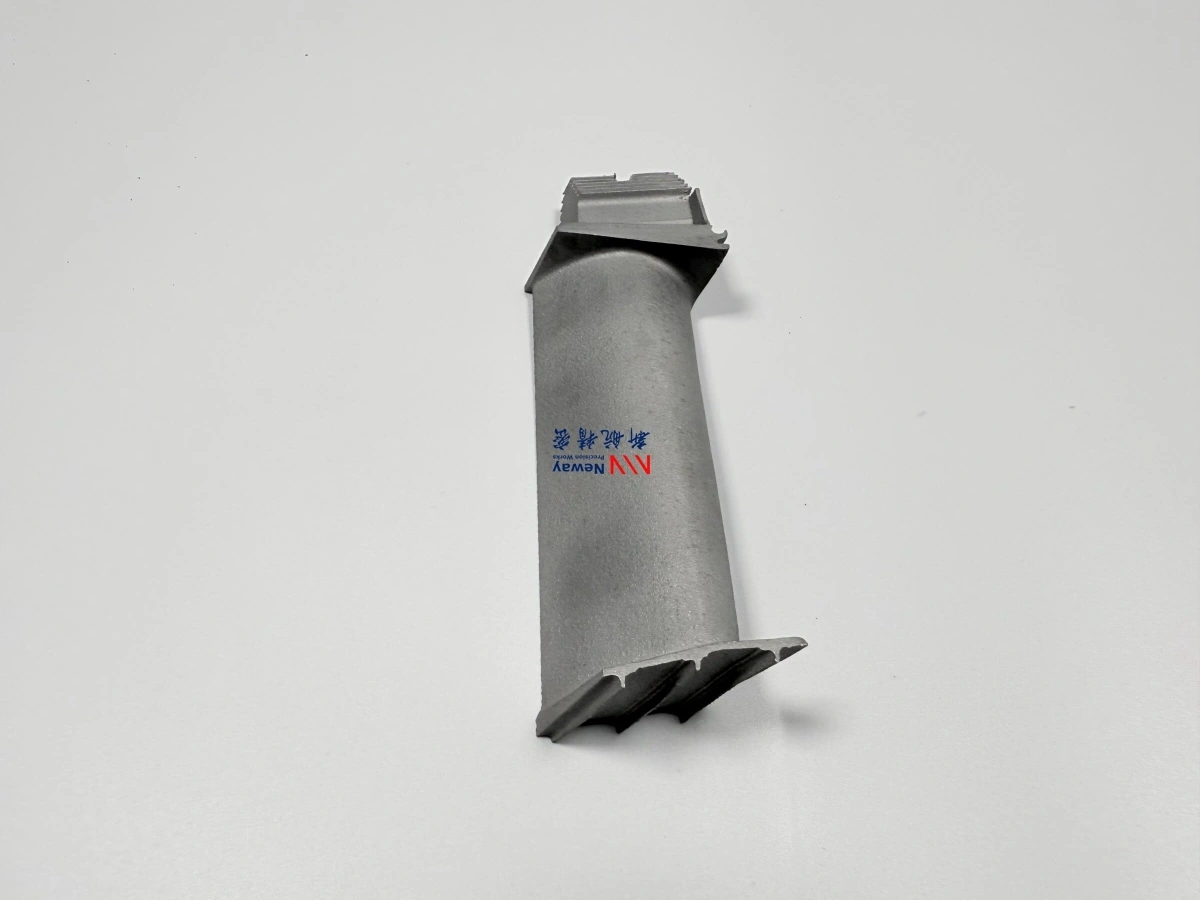
Where DS Vane Geometry Creates Grain-Control Risk
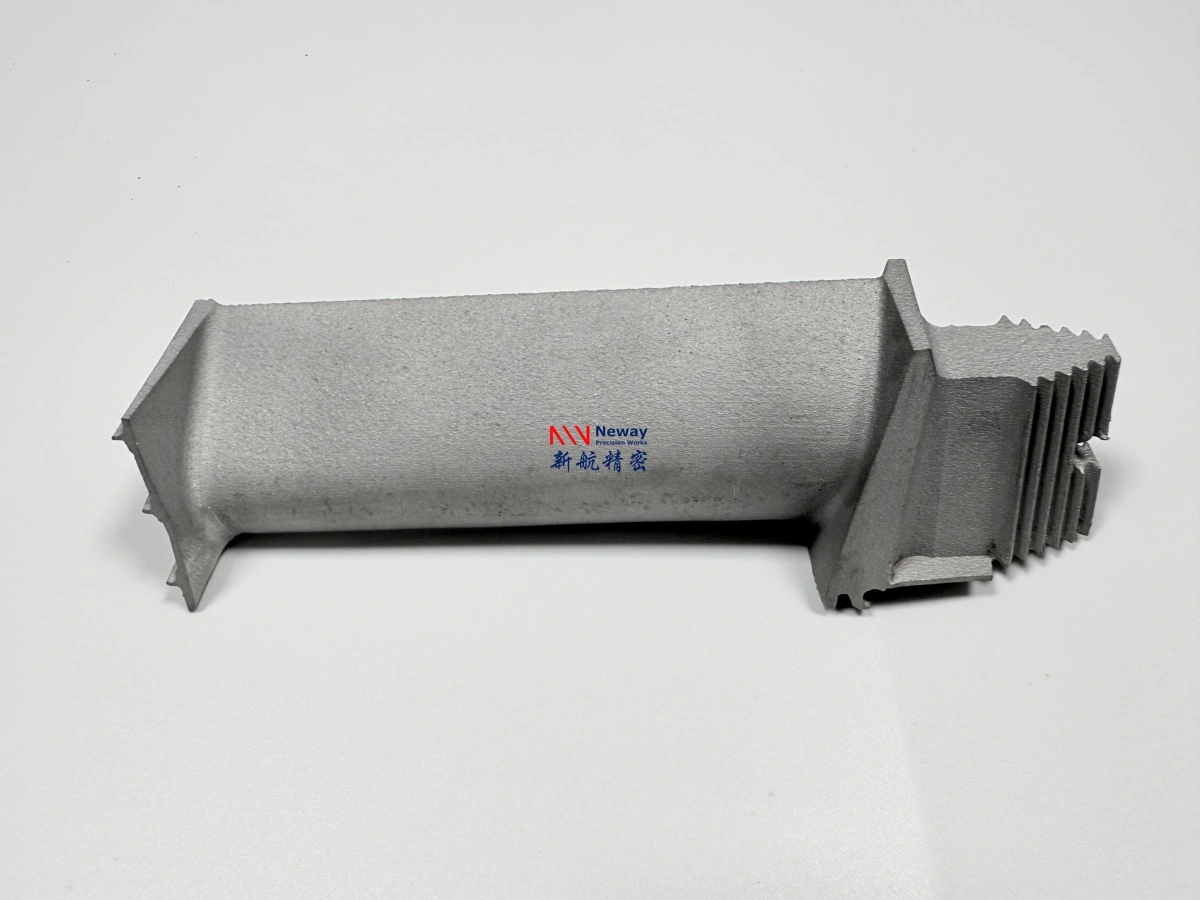
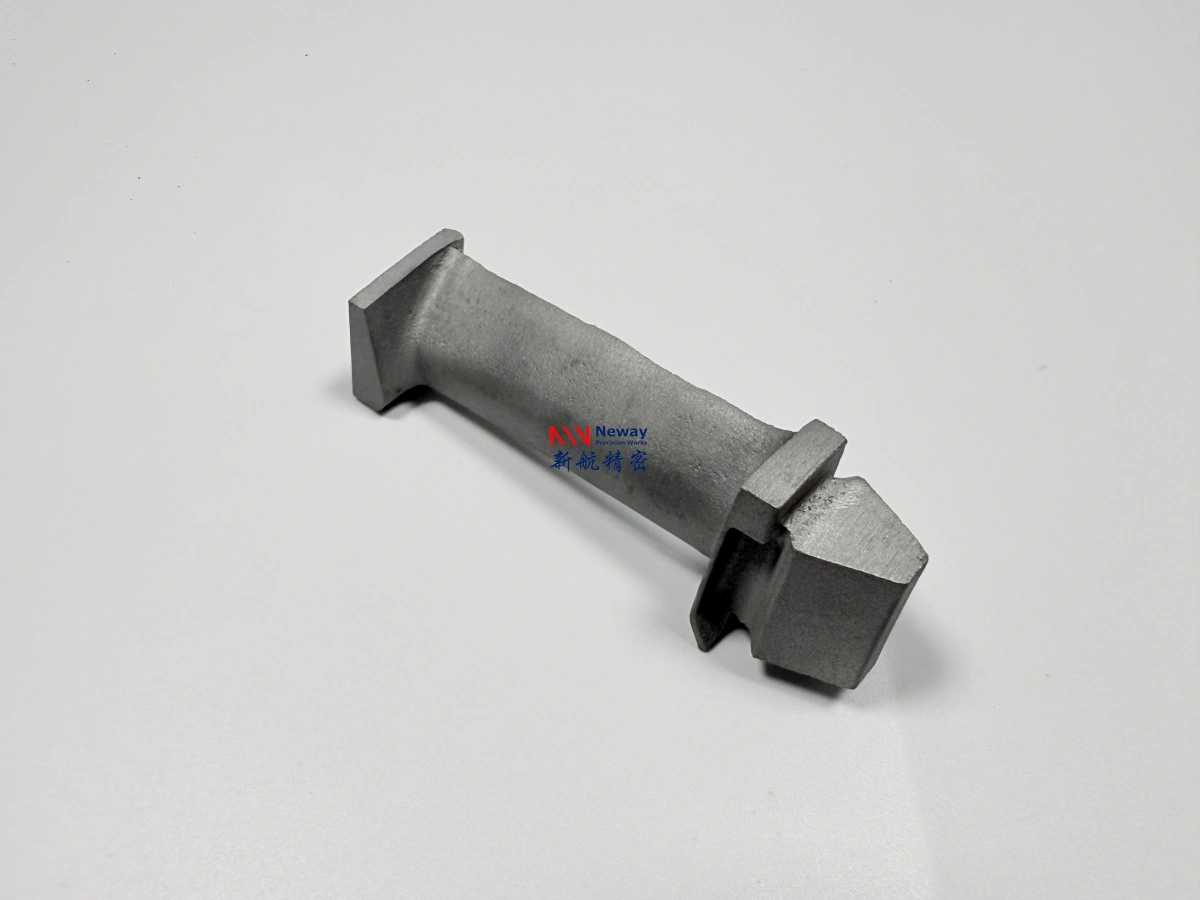
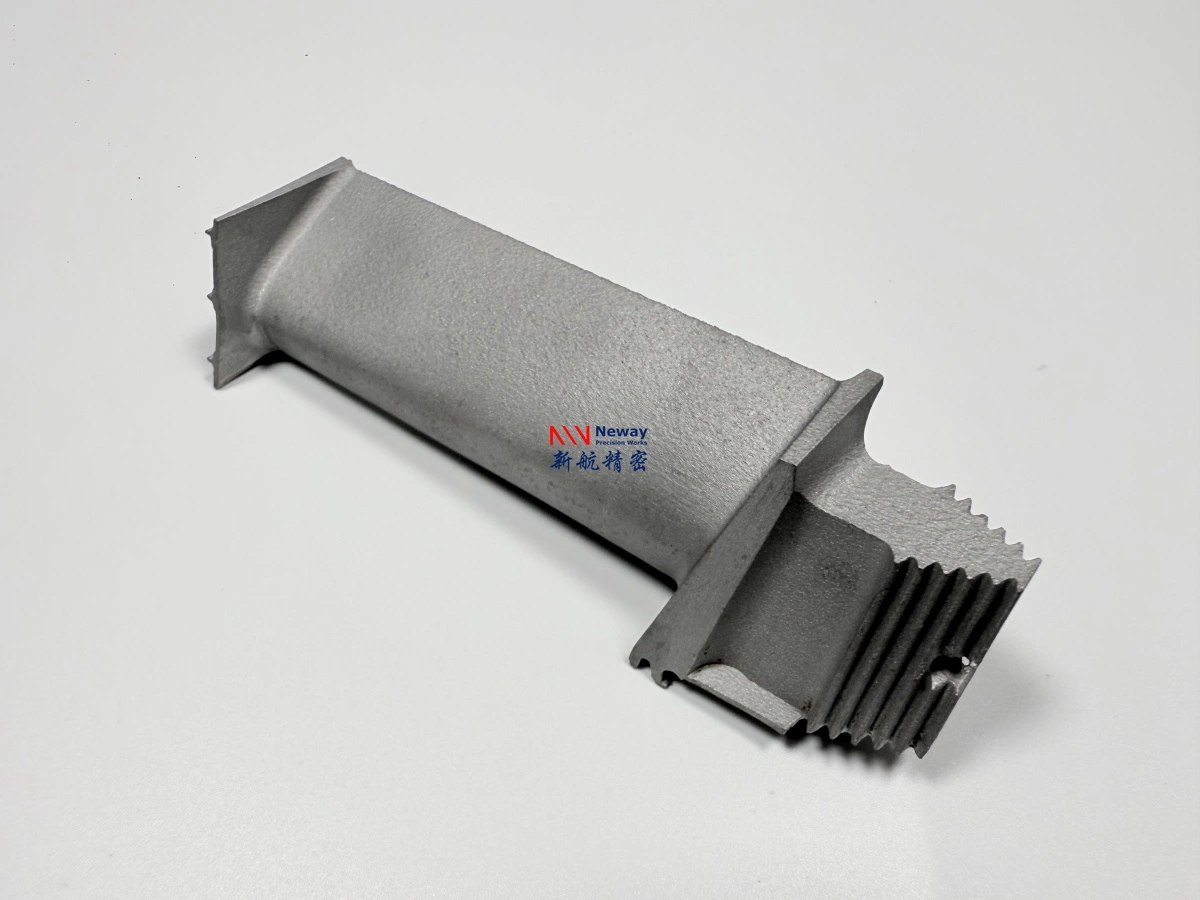
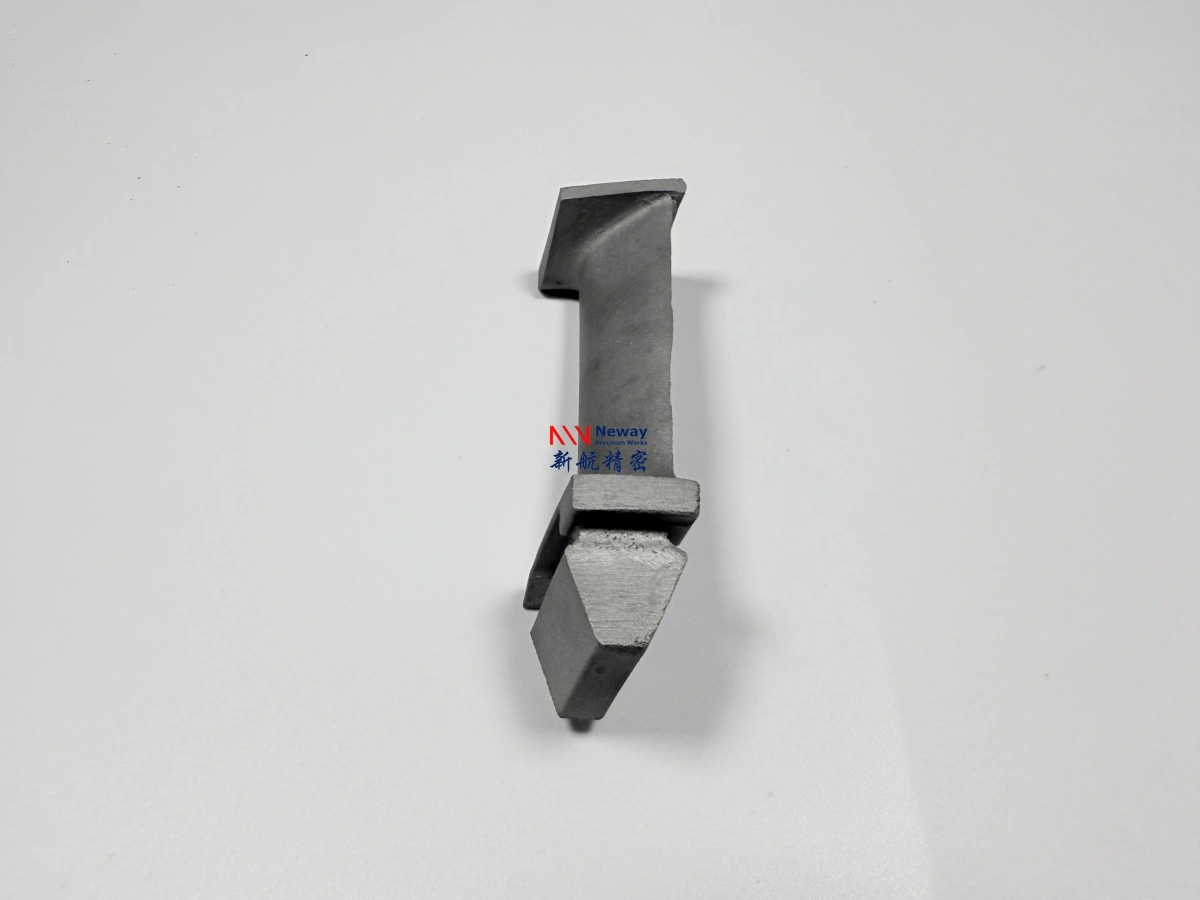
For this RFQ, buyers should identify the vane features that make directional solidification difficult. A static turbine vane is not only an airfoil. It may include inner and outer platforms, seal faces, mounting lands, thin trailing-edge regions, fillets, bosses, and surfaces that must later be machined. These geometry changes can interrupt thermal flow, create local section changes, and make the grain-control question different from one feature to another.
The supplier needs enough geometry information to explain where the DS route is expected to be stable and where it needs review. A thick platform attached to a thin airfoil may create a different concern from a uniform test bar. A vane segment with multiple airfoils may add transition-zone and feeding questions. A casting blank with extra stock around seal faces may be easier to machine but could change local solidification behavior. The RFQ should ask the supplier to map these risks instead of giving a single line that says "DS casting."
Vane feature | Grain-control concern | Evidence buyers should request |
|---|---|---|
Airfoil body | Columnar grain continuity through the main load and heat-exposed region. | Macrostructure or grain-structure review method tied to the vane orientation. |
Platform transition | Section change can disturb solidification direction or create local defects. | Transition-zone inspection plan and casting route comments. |
Seal face and mounting land | Extra stock may support machining but may also affect local cooling and cleanup risk. | Stock allowance, machining sequence, and dimensional inspection plan. |
Trailing edge or thin wall | Fill, shrinkage, and surface indication risk may compete with grain-control goals. | FPI, X-ray or CT when specified, and feature-specific acceptance notes. |
Grain Direction, Platform, and Airfoil Evidence Buyers Should Request
A DS vane quotation should state what evidence will show that the route produced the intended grain structure. The exact method depends on the drawing, specification, and supplier route, but the buyer should avoid accepting a vague "inspection included" statement. Ask where grain direction will be checked, whether macrostructure evidence is needed, whether metallography is required, and how grain-related findings will be tied to the vane drawing.
Platform and airfoil evidence should be separated. The airfoil may be the reason the DS route was selected, while the platform may control fit, seal, and machining risk. If the supplier only discusses the airfoil, the buyer may still have unanswered questions about platform transition, machining cleanup, and root or segment attachment surfaces. If the supplier only discusses final dimensions, the buyer may miss the reason DS was requested in the first place.
NewayAeroTech can review whether material testing, X-ray, FPI, CMM, metallography, chemical analysis, or other evidence should be included, depending on the buyer's acceptance plan. A strong RFQ lets the supplier state which records are part of the quote and which checks are optional or need customer confirmation.
Evidence area | What to ask the supplier | Why it is specific to DS vane RFQs |
|---|---|---|
Grain direction | How the casting route supports columnar growth and where evidence is collected. | Shows whether the DS objective is being controlled, not merely named. |
Airfoil section | How thin wall, trailing edge, or core-defined features will be inspected. | Connects grain control with fill, internal defect, and surface indication risk. |
Platform region | How transition zones, seal faces, and stock allowance will be reviewed. | Protects fit and machining surfaces that are not explained by airfoil evidence alone. |
Release record | Which inspection reports are supplied with the casting or finished vane. | Lets buyers compare supplier evidence before order placement. |
Material Choices for DS Vane Casting RFQs
Material selection should be named before the DS route is treated as final. GTD111DS, IN792DS, MAR-M247DS, Rene 80-type systems, and other nickel or cobalt superalloy families may be considered for hot-section vane projects depending on the buyer's specification and application requirement. The supplier should not be expected to replace the buyer's material authority, but it can review whether the selected grade and casting route are consistent with the drawing, section size, post-process plan, and inspection expectations.
The buyer should also state whether the project is a new component, a reverse-reviewed sample, a small-batch replacement project, or an engineering test part. A used sample may help with geometry and material clues, but it should not be treated as final design geometry when the vane has oxidation, coating residue, wear, erosion, deformation, or previous repair. Material confirmation may need chemical analysis or metallography, while final material selection still requires engineering approval by the buyer.
When the buyer has not fixed the alloy grade, the RFQ should ask for a route review instead of a firm production quote. NewayAeroTech can discuss candidate superalloy families and manufacturing boundaries, but the buyer should provide operating environment, temperature exposure if known, mating surfaces, coating requirement, and inspection standard before material choice is frozen.
Heat Treatment, HIP, and Machining Sequence for DS Vanes
DS vane casting evidence is only one part of the delivery route. Heat treatment, HIP, CNC machining, EDM, coating preparation, and final inspection may change the supplier's responsibility and the buyer's release package. If superalloy heat treatment is required, the RFQ should state the delivery condition and record requirement. If HIP is required by the specification or project review, the buyer should ask how that step fits between casting inspection and machining.
Machining sequence is important because platform seal faces, mounting surfaces, datum pads, and flow-path-adjacent features may require stock allowance. Too little stock can make the cast vane difficult to clean up. Too much stock can increase cost and hide route problems until late machining. The RFQ should name which surfaces NewayAeroTech is asked to machine and which surfaces remain the buyer's responsibility after blank delivery.
The inspection sequence should match the delivery condition. A rough DS casting may need grain-structure evidence, visual review, FPI, and X-ray or CT when specified. A machined vane may need CMM reports and surface finish checks in addition to casting evidence. A finished hot-section component may need a broader release package. A quote that mixes these conditions without separating them is difficult to compare.
Route stage | Question before quotation | Record or decision to request |
|---|---|---|
As-cast review | Which grain, surface, and internal checks are required before post-processing? | Macrostructure, FPI, X-ray, CT, or material report where specified. |
HIP or heat treatment | Is the step specified by the buyer or proposed after engineering review? | Process record, hold point, and relationship to later inspection. |
CNC machining | Which platform, seal, datum, and mounting surfaces are in supplier scope? | Stock allowance plan, fixture concern, and CMM report boundary. |
Final release | Is delivery a casting blank, machined vane, or finished inspected component? | Complete delivery condition and acceptance document list. |
Quote Package Checklist for Directional Solidification Vane Suppliers
A useful quote package lets buyers compare directional solidification vane suppliers by engineering evidence rather than by price only. The package should include drawing and model review, alloy grade, quantity, delivery condition, DS route assumptions, grain-control evidence, heat treatment or HIP responsibility, machining surfaces, inspection methods, and missing information. If a supplier cannot explain the relationship between vane geometry and grain-control evidence, the quote may be incomplete even when the commercial price looks clear.
Buyers should ask each supplier to separate confirmed scope from review scope. A confirmed scope may include DS casting of a vane blank with defined inspection. A review scope may include alloy substitution, used-sample reconstruction, platform redesign, cooling passage feasibility, or finished-machined delivery. Mixing these items makes later disputes more likely. NewayAeroTech can review custom vane projects from drawings, models, samples, and inspection requirements, but the buyer should define what must be quoted now and what needs engineering review first.
Supplier comparison item | Strong response | Weak response to avoid |
|---|---|---|
DS route explanation | Names vane features that affect grain control and inspection evidence. | Only repeats that directional solidification casting is available. |
Material review | Connects alloy grade, DS route, heat treatment, and inspection requirement. | Quotes a material name without acceptance boundary. |
Machining scope | Separates casting blank, machined vane, and finished inspected delivery. | Leaves platform, seal face, and datum surfaces undefined. |
Release evidence | Lists grain, surface, internal, dimensional, and material records as applicable. | Uses a generic inspection phrase without report detail. |
Send the vane drawing, 3D model, alloy grade, quantity, target delivery condition, DS grain-control requirement, machining surfaces, heat treatment or HIP requirement, and inspection standards. NewayAeroTech can review whether a directional solidification vane casting route fits the RFQ and which evidence should be included before the quote is released.
Related FAQs
What challenges commonly hinder crystal alignment during directional solidification?
When should buyers choose directional solidification instead of equiaxed casting?
How do materials affect DS, equiaxed, and single crystal route selection?
How do HIP and heat treatment refine crystal direction in cast components?