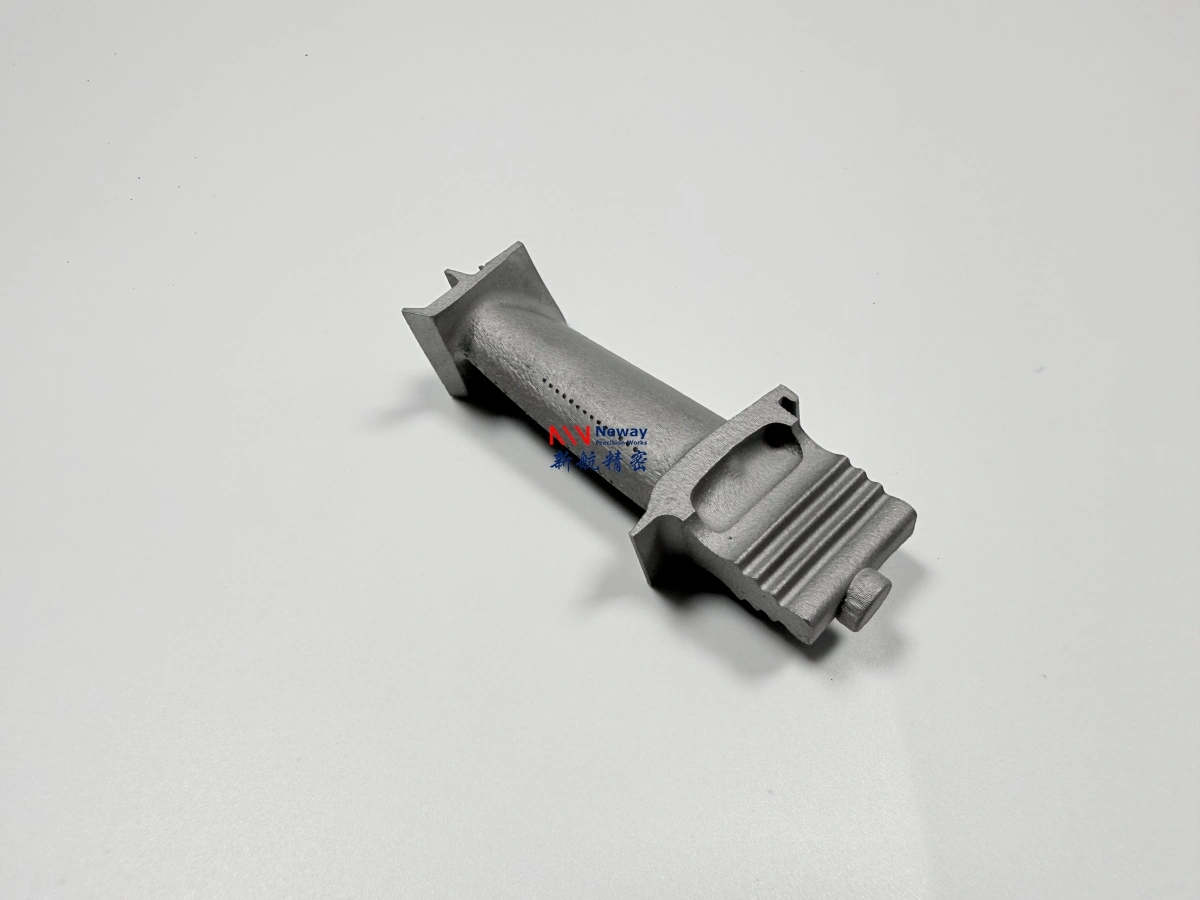
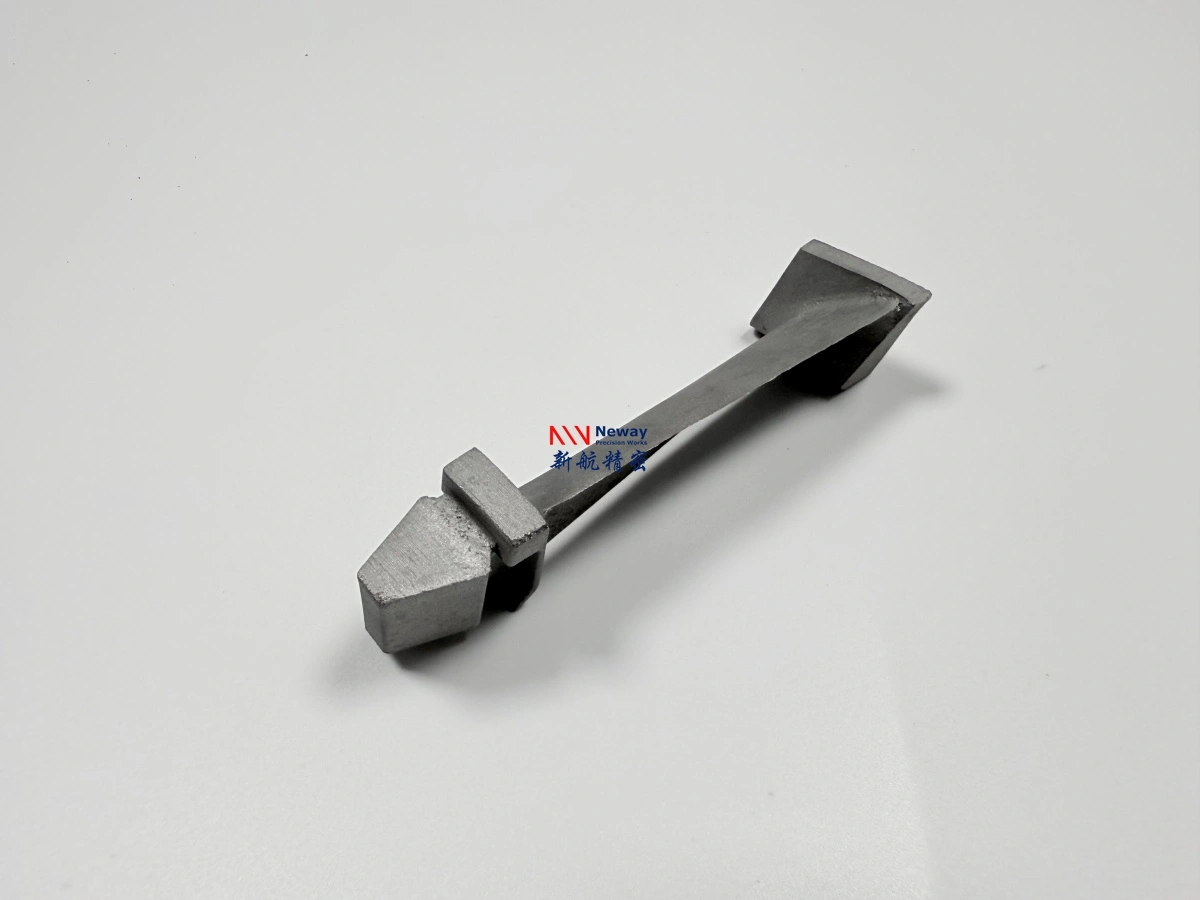
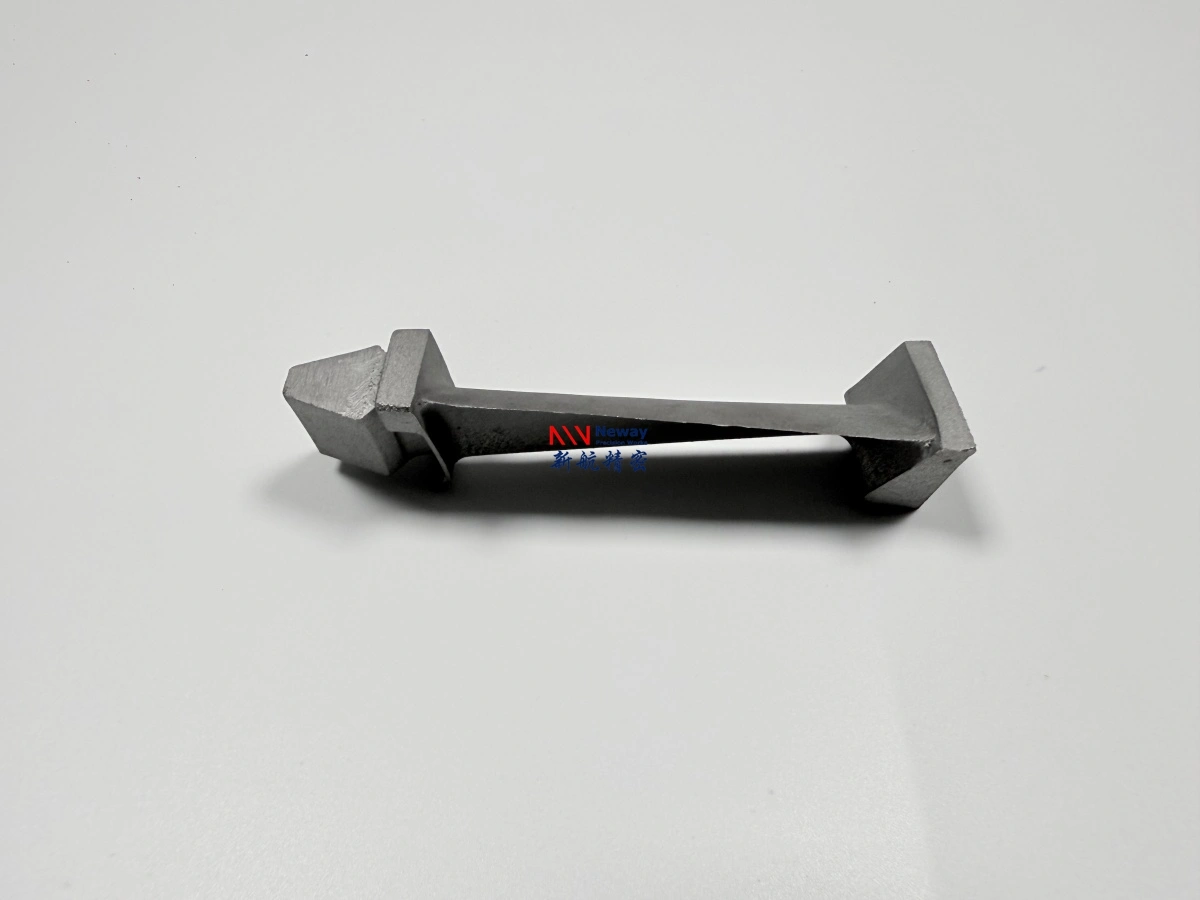
HIP Review for Superalloy Turbine Castings Before Final Machining
HIP Review for Superalloy Turbine Castings Before Final Machining
Direct Answer Summary
HIP review before final machining is useful when a buyer needs to know whether a superalloy casting should be processed, inspected, and documented before expensive finishing work begins. The review is not just a question of whether HIP is available. It should connect alloy grade, casting condition, porosity or shrinkage risk, heat treatment, machining allowance, EDM access, coating preparation, FPI, X-ray, CMM, metallography, and the final delivery scope.
NewayAeroTech reviews HIP as part of a custom route through hot isostatic pressing services, using customer drawings, samples, material notes, quantities, tolerances, surface requirements, and acceptance standards. The goal is to decide whether the project should be quoted as a casting blank, HIP-treated blank, semi-finished part, machined component, coated component, or finished inspected hot-section part.
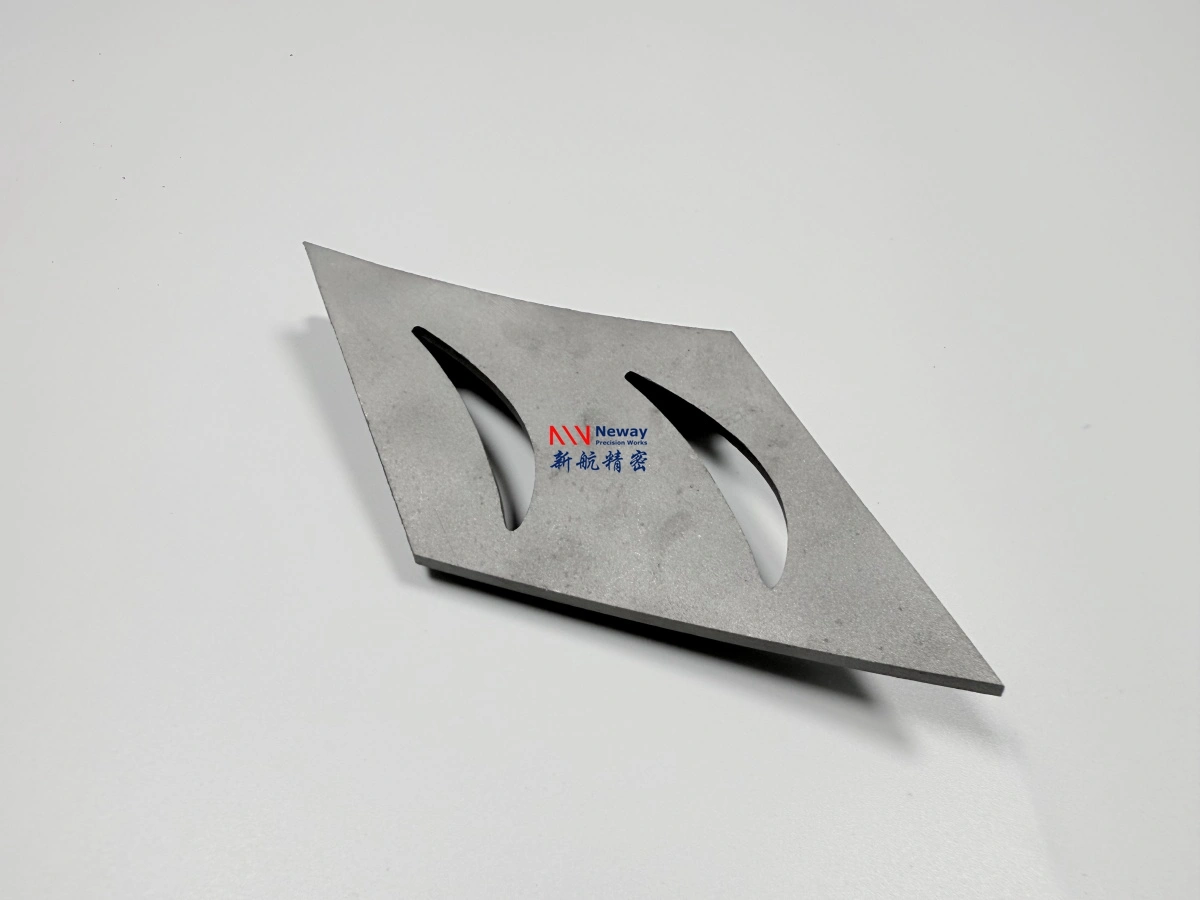
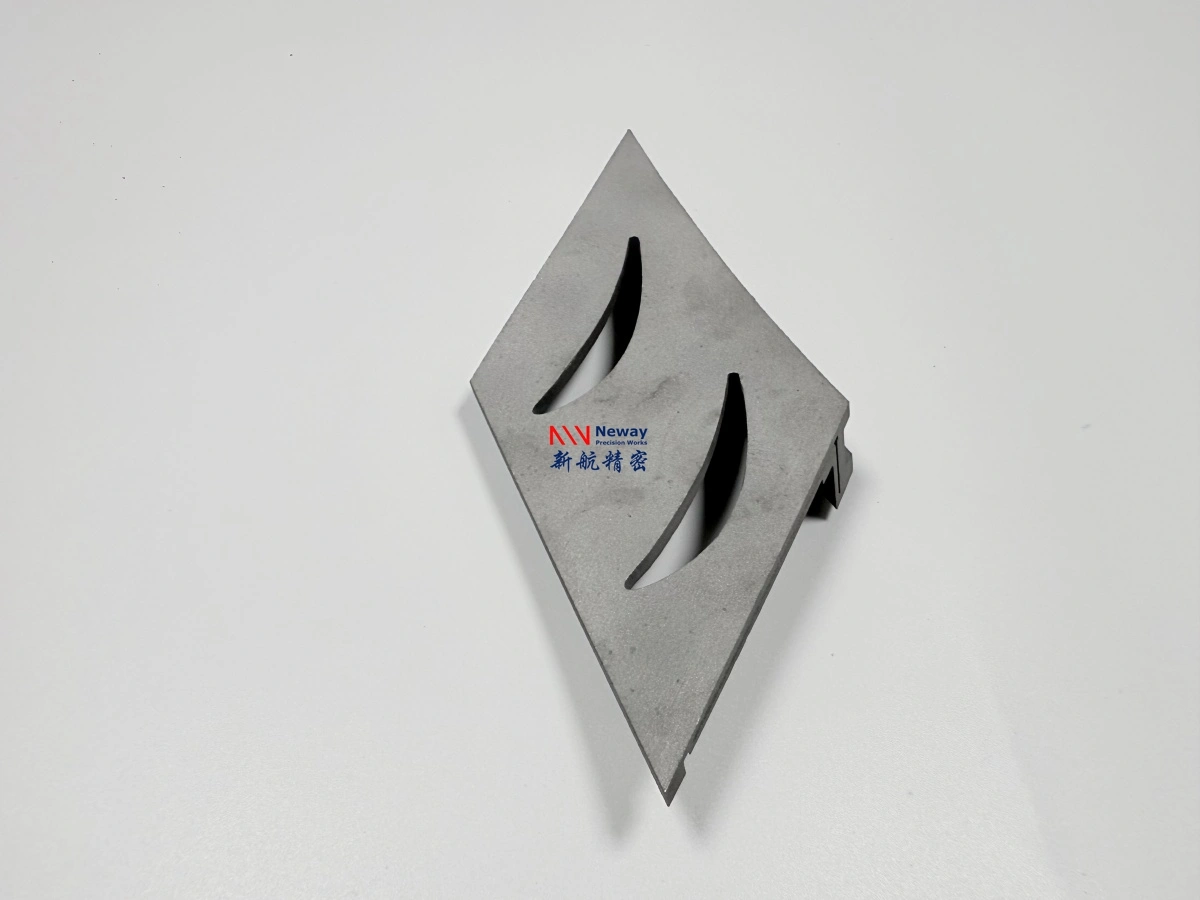
HIP Route Review Scorecard for Buyers
A useful supplier answer should make the route visible early. Buyers should be able to see what is included, what is conditional, what needs customer confirmation, and which inspection records are part of the quoted scope.
Review Item | What Buyers Should Check | Risk if Missing |
|---|---|---|
Starting condition | As-cast, repaired, pre-machined, heat-treated, or customer-supplied sample condition. | HIP may be quoted without knowing the real manufacturing state. |
Alloy responsibility | Inconel 713C, Inconel 738LC, Inconel 718, Rene alloy, or customer-controlled nickel-based superalloy. | Thermal route assumptions may not match the material requirement. |
Defect concern | Porosity, shrinkage, internal indication, density concern, or specification-driven HIP requirement. | The process may be treated as optional even when evidence is required. |
Downstream operations | CNC machining, EDM, coating preparation, CMM, FPI, X-ray, metallography, and delivery records. | The quote may exclude steps needed for a finished component. |
Engineering response | Open questions, assumptions, exclusions, report scope, and acceptance evidence. | A short quote can hide approval and rework risk. |
Why the Route Matters Before Final Machining
For turbine blades, vanes, nozzles, heat shields, and other hot-section castings, HIP belongs in a route only when the starting condition and finished condition are both clear. Final machining, EDM slot work, coating preparation, and dimensional inspection can be costly to repeat if the thermal route or defect evidence is clarified too late.
For these applications, route definition should connect the selected alloy, such as Inconel 713C, Inconel 738LC, Inconel 718, Rene alloys, or other nickel-based superalloys, with HIP, heat treatment, machining, coating preparation, and inspection requirements. This is especially important for turbine blades, vanes, nozzles, heat shields, and other hot-section castings. This keeps the quote tied to the real part instead of treating HIP, heat treatment, machining, and inspection as unrelated purchasing lines.
Manufacturing Route from RFQ Review to Delivery
Route Step | Purpose | Buyer Checkpoint |
|---|---|---|
Drawing and sample review | Confirm revision, alloy grade, component function, critical surfaces, and customer standards. | Provide 2D drawing, 3D model, sample photos, or inspection notes. |
Starting condition review | Confirm whether the as-cast, pre-machined, or repaired condition supports the requested HIP RFQ review. | State whether the part is as-cast, pre-machined, repaired, or previously processed. |
HIP and heat treatment planning | Define thermal route assumptions, processing records, and superalloy heat treatment sequence with machining or coating. | List required standards, heat condition, and report expectations. |
CNC / EDM / coating preparation | Plan finishing through superalloy post-processing when part geometry requires controlled features. | Identify datums, sealing faces, cooling features, slots, and coating surfaces. |
Final inspection and delivery | Confirm CMM, FPI, X-ray, metallography, GDMS, mechanical records, packaging, and exclusions. | Separate mandatory records from optional review data. |
Material and Component Fit
Material fit should be written in engineering terms, not as an alloy list. Inconel 713C and Inconel 738LC are often discussed for cast hot-section components where oxidation resistance, castability, and high-temperature strength need balanced review. Inconel 718 may bring different heat-treatment and mechanical-record expectations, while Rene alloys or other nickel-based superalloys may require customer-controlled specifications and stricter evidence.
Component fit also changes the route. A turbine vane with thin walls, a turbine blade with root and airfoil features, a nozzle with local passage details, or a heat shield with sealing interfaces can each require different machining allowance, inspection access, and report timing after HIP or heat treatment.
The same material note can therefore lead to different supplier questions. A blade project may focus on root fit and airfoil evidence, while a heat shield may focus on sealing faces, coating preparation, and distortion after thermal processing.
Inspection and Documentation Requirements
Inspection requirements should be named before supplier comparison. CMM inspection may be needed for datum features, root areas, mounting faces, sealing surfaces, or other finished dimensions. FPI, X-ray, CT, metallography, GDMS, chemical analysis, hardness, tensile testing, and heat-treatment records should be added when the drawing or customer standard requires them.
The inspection plan should explain which checks occur before final machining, which checks occur after finishing, and which reports ship with the parts. Without that split, two suppliers may quote very different scopes while appearing to answer the same RFQ.
Critical Surfaces and Acceptance Evidence
The buyer should identify critical surfaces before asking suppliers to price the route. Root features, sealing faces, platform edges, cooling details, thin-wall areas, and coating surfaces may need different inspection timing after HIP, heat treatment, machining, or EDM.
Material records should be discussed in the same review as dimensional records. For Inconel 713C, Inconel 738LC, Inconel 718, Rene alloys, and other nickel-based superalloys, the RFQ may need chemical analysis, heat-condition notes, hardness or mechanical testing, metallography, or customer-specific evidence depending on the specification.
When acceptance language is incomplete, the supplier should avoid absolute claims. Conditional language is safer for superalloy turbine parts because final acceptance should stay tied to the drawing, customer specification, and agreed inspection evidence.
Supplier Fit for NewayAeroTech
Supplier fit should be judged by the complete route, not by one process name. The table below separates suitable custom-manufacturing work from requests that should be handled as catalogue spare-part sourcing.
Project Requirement | Fit for NewayAeroTech | Commercial Note |
|---|---|---|
Custom turbine and hot-section components | Suitable when drawings, material grades, quantity, and inspection needs are provided. | Best for drawing-based manufacturing, not catalogue resale. |
Casting plus post-processing route | Suitable when casting, heat treatment, HIP, CNC, EDM, coating preparation, and inspection need one route review. | Scope should define blank, semi-finished, or finished delivery. |
High-temperature alloy inspection | Suitable when CMM, FPI, X-ray, metallography, GDMS, chemical analysis, or mechanical testing records are required. | Reports should be listed before supplier comparison. |
Prototype or repeat production | Suitable when the RFQ states project stage, revision control, and acceptance evidence. | Prototype work may need more open engineering questions. |
Original OEM spare parts inventory | Not the right fit. NewayAeroTech does not sell original OEM inventory parts. | Quote as custom manufacturing from customer requirements. |
Project Stage and Commercial Scope
Development lots and repeat production need different handling. A development lot may need broader engineering feedback around defect evidence and manufacturability, while repeat production usually needs stable revision control, inspection templates, and consistent delivery records.
Buyers should compare exclusions, not only included steps. Third-party inspection, witness points, destructive testing, metallographic samples, special packaging, revision-specific reports, or customer document formats may need separate quotation if they are not listed in the base scope.
If two quotes appear close in price, compare the evidence behind the price. A quote that includes route review, controlled reports, and finished-condition responsibility may reduce later clarification work even when the first number is not the lowest.
RFQ Checklist for a Useful Quote
RFQ Information | Why It Matters |
|---|---|
2D drawing and 3D model | Defines geometry, tolerances, datum references, feature access, and machining allowance. |
Material grade and specification | Controls alloy responsibility, heat route, HIP assumptions, and acceptance evidence. |
Quantity and order stage | Separates prototype, pilot lot, repair review, replacement, and repeat-production logic. |
Finished condition | Clarifies blank, HIP-treated blank, machined part, coated part, or final inspected delivery. |
Inspection standard | Defines CMM, FPI, X-ray, metallography, GDMS, report format, and timing. |
Application environment | Helps review temperature, corrosion, fatigue, wear, coating need, and high-temperature service risk. |
Quote Review Notes Before Order Release
A short supplier reply can still be useful when it separates confirmed scope from assumptions. For example, the supplier may confirm that HIP can be reviewed after casting but keep heat-treatment sequence, destructive testing, coating preparation, or final report format subject to the customer specification.
A practical supplier review should leave the buyer with a short list of decisions: confirmed steps, conditional steps, required documents, optional reports, exclusions, and delivery condition. That format is easier for procurement and engineering teams to approve than a long capability statement with no quote boundaries.
Before order release, the buyer and supplier should agree how open technical points will be closed. That may include drawing revision confirmation, sample approval, report format, inspection hold points, or a written note that a requirement remains subject to engineering review.
Conclusion
A HIP route review is useful when buyers need to compare real manufacturing scope rather than a single post-processing price. NewayAeroTech can review the drawing package and suggest a custom route for superalloy turbine blades, vanes, nozzles, heat shields, and other hot-section components, subject to geometry, material, and customer requirements.
For quotation, send drawings, material grade, quantity, tolerance requirements, surface condition, heat treatment or HIP notes, coating expectations, inspection standards, and any sample or application background. That gives purchasing and engineering teams a clearer basis for comparing supplier scope, risk, and documentation.
Related FAQs
FAQ