HIP Heat Treatment and CNC Route for Finished Turbine Castings
A finished turbine casting RFQ should define the operation sequence before suppliers compare price. Casting, HIP, heat treatment, CNC machining, FPI, X-ray, CMM, and final reporting can all be part of one delivery package, but the order changes how stock allowance, datums, distortion risk, and inspection timing are handled. A buyer who asks only for a finished casting price may receive quotes with very different included work.
NewayAeroTech can review finished superalloy turbine casting projects when the buyer provides the drawing, alloy, casting route, required delivery condition, machined surfaces, heat treatment notes, HIP requirement, inspection standard, and first article plan. The purpose of the RFQ is to make the blank-to-finished responsibility visible before the purchase order is released.
The route should also identify where buyer review is expected. A first article may be held after casting inspection, after HIP and heat treatment records are available, or after final CMM inspection. Choosing that hold point early prevents a finished-part quote from hiding a later engineering review loop.
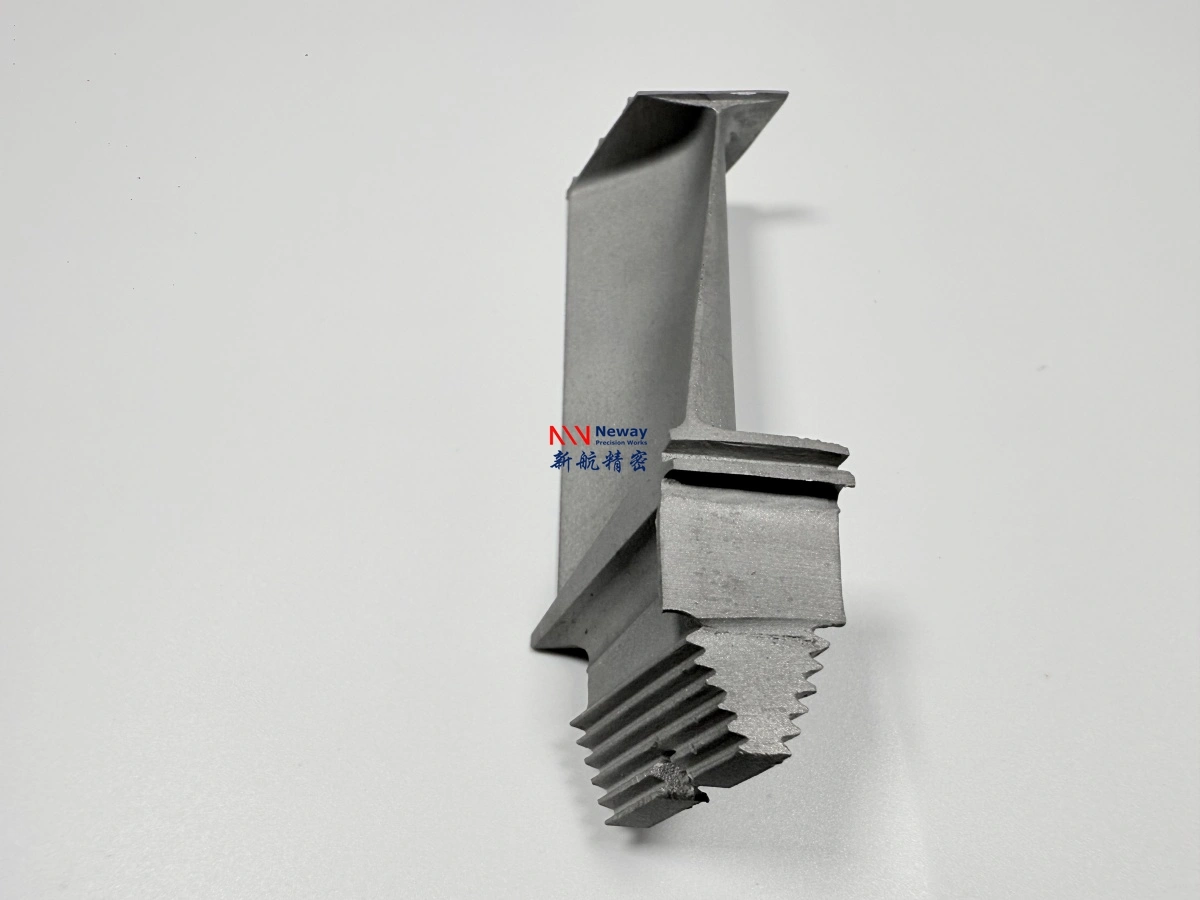
Route Sequence Before Finished Scope
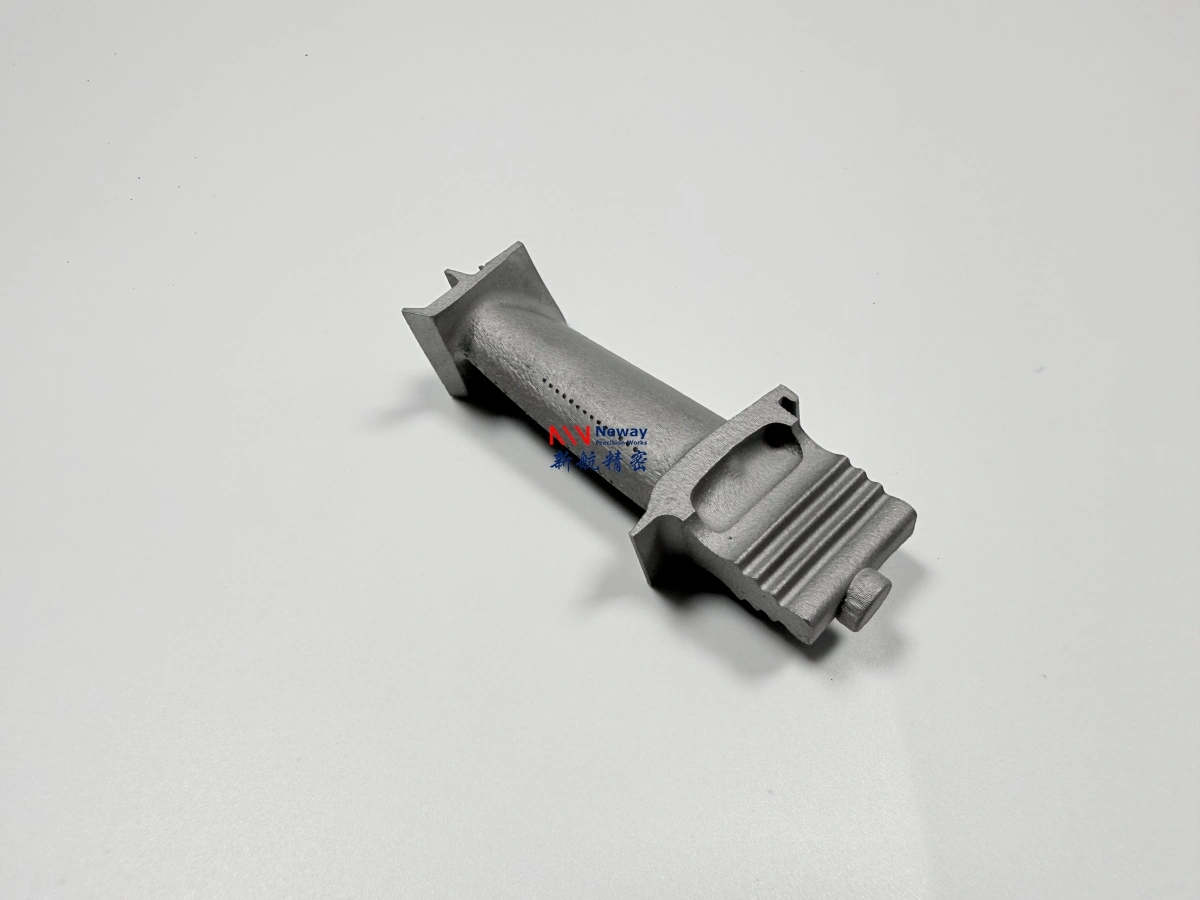
For this RFQ, buyers should ask the supplier to write the manufacturing sequence in the quote. A finished vane segment, nozzle, blade blank, shroud, or hot gas path casting may move through casting, cutoff, cleaning, heat treatment, HIP, additional thermal processing, rough machining, finish machining, and inspection. The order should not be assumed, because a surface machined too early may move during thermal processing or lose the stock needed for final correction.
The sequence also defines responsibility. If the supplier provides only a casting blank, the buyer owns later machining and inspection coordination. If the supplier provides a finished component, the supplier must plan casting stock, thermal movement, datum recovery, machining access, and final reports together. NewayAeroTech can review combined routes for suitable superalloy castings when the drawing and acceptance package make those responsibilities clear.
Route Step | Decision Before Quotation | Risk if Not Named |
|---|---|---|
Vacuum investment casting | Alloy, crystal route, casting stock, and internal-feature risk | Blank may not support downstream machining or inspection |
HIP and heat treatment | Operation order, required condition, and record expectations | Thermal movement may be discovered after critical machining |
CNC machining | Datum order, stock allowance, critical surfaces, and inspection timing | Finished dimensions may be quoted without a route to achieve them |
Final inspection | CMM, FPI, X-ray, material records, and first article review | Buyer cannot compare delivery evidence across suppliers |
HIP and Heat Treatment Hold Points
HIP treatment is often discussed as a post-casting step, but the RFQ should specify where it sits in the route. Buyers should say whether HIP is required by drawing, requested for defect-risk reduction, or open for engineering review. Heat treatment should also be named as a process condition, not just a generic line item, because it affects subsequent machining and inspection planning.
The supplier should identify hold points before and after thermal processing. Some dimensions may be left with stock until after HIP or heat treatment. Some inspections may be more useful before final machining, while others belong after the finished surfaces are complete. The quote should name the records expected after superalloy heat treatment so the buyer can compare process evidence, not only unit price.
Thermal Processing Question | Why It Changes the Finished Route | RFQ Evidence to Request |
|---|---|---|
Is HIP mandatory or conditional? | Controls cost, schedule planning, and inspection sequence | Drawing note, buyer requirement, or conditional review request |
Which heat treatment condition is required? | Affects hardness, dimensional movement, and downstream machining | Heat condition note and required process record |
Which features wait until after thermal processing? | Protects final datums, seal faces, and mounting surfaces | Machining stock plan and marked critical surfaces |
What report confirms completion? | Makes the thermal route auditable for buyer review | HIP record, heat-treatment record, and inspection timing |
CNC Stock Datums and Machining Allowance
The CNC plan should be built before casting release, not after the casting arrives. A finished turbine casting may need machined platform faces, seal lands, bolt features, root faces, shroud hooks, nozzle mounting surfaces, or assembly datums. Each feature needs enough stock after casting and thermal processing. If the RFQ does not mark these surfaces, the supplier may quote a casting that is difficult to finish economically or cannot support the requested inspection plan.
Superalloy CNC machining should be scoped with datum order, fixture access, tool reach, surface finish notes, and CMM reporting needs. The buyer should distinguish rough machining for process control from finish machining for acceptance. That distinction lets NewayAeroTech review machining allowance together with casting route and thermal movement.
Machined Feature | Route Concern | Buyer Instruction That Helps |
|---|---|---|
Platform or flange face | Flatness and datum recovery after thermal processing | Mark datum hierarchy and final inspection requirement |
Seal land or shroud hook | Wear surface geometry and stock after casting | Define machined area, surface condition, and CMM points |
Bolt hole or mounting feature | Tool access and positional relationship to cast surfaces | Provide hole callouts, datum references, and inspection method |
Blade root or nozzle interface | Contact geometry may require staged machining | Separate rough stock, final pass, and first article check |
Blank Semi Finished and Finished Delivery
A blank quote, a semi-finished quote, and a finished inspected quote are not comparable unless the scope is written line by line. A blank may include casting and basic cleaning only. A semi-finished part may include heat treatment, HIP, and rough machining. A finished component may include final machining, inspection, and records. The buyer should ask each supplier to state the delivery condition in the same language.
NewayAeroTech can review blank-to-finished responsibility for suitable vacuum investment casting projects. The quote should also list exclusions. Coating, EDM, deep-hole drilling, extra material testing, fixture design, or additional first article loops should be named separately if they are not part of the base scope.
Delivery Scope | Included Work to Confirm | Best Use in Buyer Comparison |
|---|---|---|
Casting blank | Casting route, cleaning, basic dimensional review, and casting inspection as required | Useful when the buyer owns all downstream operations |
Processed casting | Casting plus HIP, heat treatment, or intermediate inspection records | Useful when thermal route is supplier responsibility but finish machining is separate |
Semi-finished component | Processed casting plus rough machining or datum preparation | Useful when buyer wants later finishing control |
Finished inspected component | Casting, thermal processing, CNC, and defined reports | Useful when one supplier owns the complete delivery route |
Inspection Records After Each Operation
Inspection timing should follow the operation that creates the risk. X-ray or CT may be useful for casting integrity before costly finishing. FPI may be placed after casting, after machining, or at final acceptance depending on the surface risk. CMM belongs after the datum and final machined surfaces exist. Material or heat-treatment records should match the thermal process selected in the RFQ.
The buyer should avoid asking for every possible report without linking each report to a decision. A targeted inspection package is easier to quote and easier to review. NewayAeroTech can discuss CMM, FPI, X-ray, metallography, chemical analysis, hardness, heat-treatment records, and HIP records when the drawing or buyer acceptance plan requires them.
Operation Stage | Useful Evidence | Buyer Decision Supported |
|---|---|---|
After casting | Visual inspection, X-ray or CT where required, and casting dimensional review | Decides whether the blank can proceed to post-processing |
After HIP or heat treatment | Thermal process records and any required material checks | Confirms that the intended post-process route was completed |
After rough machining | Datum recovery check and stock review for critical surfaces | Verifies the part can proceed to final machining |
After final machining | CMM, FPI where required, surface condition, and final report package | Supports first article or shipment acceptance |
RFQ Package for Combined Responsibility
The finished casting RFQ should send enough information for the supplier to quote the route as one system. Include the 2D drawing, 3D model, alloy, casting route requirement, delivery condition, machined surfaces, heat treatment and HIP notes, inspection standards, first article expectation, and quantity. If the buyer wants separate pricing for blank, semi-finished, and finished conditions, that comparison should be requested directly.
NewayAeroTech can review whether the project fits combined casting, HIP, heat treatment, CNC machining, and inspection support. The most useful quotation will state included operations, excluded operations, required buyer approvals, and records supplied with the part.
If the buyer is comparing multiple suppliers, each quotation should state whether tooling review, rough machining, final machining, thermal processing records, and final inspection are included. That comparison is more useful than a single finished-part price because it shows which supplier owns the route risk.
RFQ Item | Information to Provide | How It Improves the Quote |
|---|---|---|
Drawing and model | Revision, datums, critical surfaces, and tolerance notes | Lets the supplier plan stock, fixtures, and CMM scope |
Alloy and route | Material grade, crystal route, casting process, HIP, and heat treatment needs | Prevents hidden route changes in supplier comparison |
Machining scope | Finished surfaces, datum order, surface finish, and allowance expectations | Connects casting design with CNC responsibility |
Inspection package | Mandatory records, optional records, and first article hold point | Makes delivery evidence visible before order release |
Related FAQs
How do heat treatment and HIP complement CNC machining in production?
How do HIP and heat treatment improve CNC machined superalloy components?
What RFQ data is needed for HIP review of custom superalloy parts?
How do HIP and heat treatment help reduce or eliminate casting defects?
Which inspections are useful for vacuum cast superalloy parts?