Which defects can HIP help address in nickel-based cast components?
Which defects can HIP help address in nickel-based cast components?
HIP can help address some internal porosity or shrinkage-related concerns in suitable nickel-based cast components, but it does not replace casting process control or formal acceptance inspection. For turbine castings, the defect review should still include alloy grade, geometry, drawing limits, X-ray or CT requirements, and surface inspection expectations. NewayAeroTech treats hot isostatic pressing services as one part of a controlled custom route, not as a universal repair for every indication.
Typical material discussions may involve Inconel 713C, Inconel 738LC, Inconel 718, Rene alloys, or other nickel-based superalloys depending on the drawing and customer specification. The answer should stay conditional when the acceptance basis is missing because HIP cannot replace customer-controlled standards or inspection rules.
Defect Review Before HIP Is Quoted
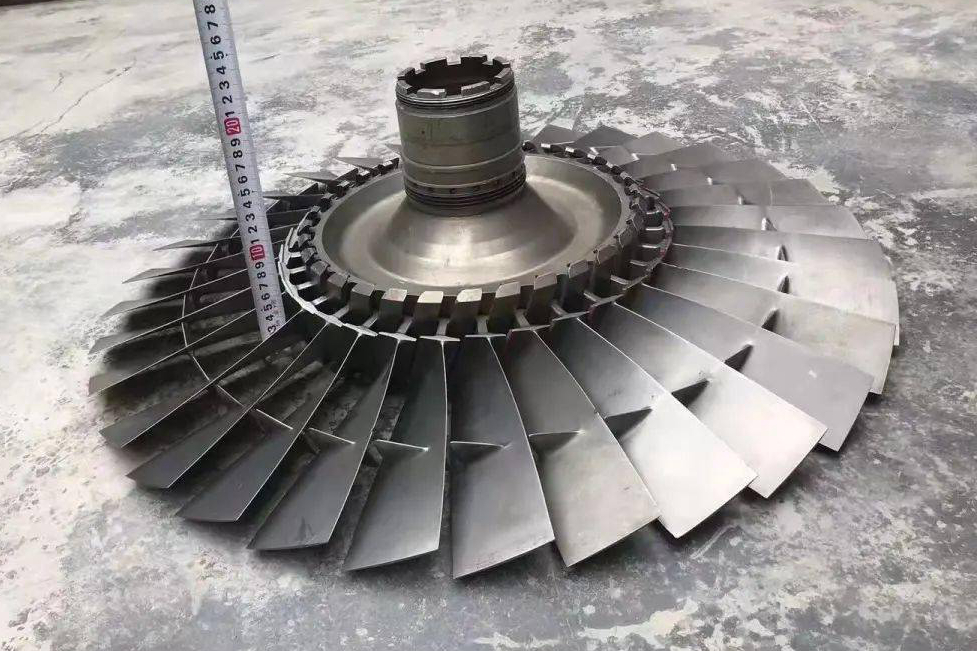
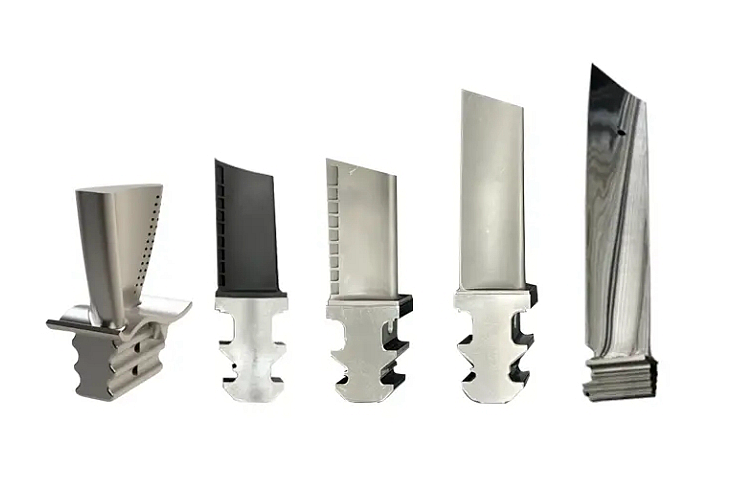
The useful question is whether HIP belongs in the quoted route for the specific component and delivery condition. A turbine blade, vane, nozzle, heat shield, or hot gas path casting can require different evidence because wall thickness, datum features, machined interfaces, coating preparation, and final inspection scope are different.
Defect Concern | What HIP May Support | What Still Needs Control |
|---|---|---|
Internal porosity | Density-related risk reduction for suitable castings | Casting route, acceptance standard, and inspection evidence |
Shrinkage indication | Engineering review of whether HIP is relevant | X-ray or CT acceptance language and customer disposition rules |
Surface indications | Usually not the main HIP target | FPI, machining allowance, surface repair policy, and inspection timing |
Geometry-sensitive areas | Route review before final machining | Datum features, wall thickness, cooling features, and CMM evidence |
RFQ Reminder
For a useful first review, send the 2D drawing, 3D model, material specification, quantity, target schedule, finished condition, and required inspection records. CMM inspection requirements, FPI, X-ray, metallography, GDMS, or chemical evidence should be listed when controlled by the drawing or acceptance standard.
Project stage also matters. A prototype may need broader engineering feedback, while repeat production usually needs stable report language, revision control, and document consistency.
Buyers should separate required records from optional records before comparing suppliers. That prevents heat treatment, machining, coating preparation, or final inspection from being assumed after the first price is submitted.
The RFQ should also identify the finished condition. A HIP-treated blank, a machined component, a coated part, and a final inspected hot-section part are different commercial scopes even when they begin from the same casting drawing.
For supplier comparison, keep the review evidence practical. List the records that must ship with the parts, the checks that are only needed for sample approval, and the questions that remain subject to engineering review.
NewayAeroTech can support this review when the request is based on drawings, samples, specifications, and engineering requirements. It is not positioned as an original OEM inventory supplier, so the discussion should stay tied to custom manufacturing scope and formal acceptance data.
NewayAeroTech can identify open questions and route assumptions, while the buyer keeps final acceptance tied to formal documents. This keeps supplier comparison practical and confirms that the project is a custom superalloy manufacturing review, not an off-the-shelf OEM spare-parts purchase.