Benefits of Hot Isostatic Pressing (HIP) on Superalloy Castings
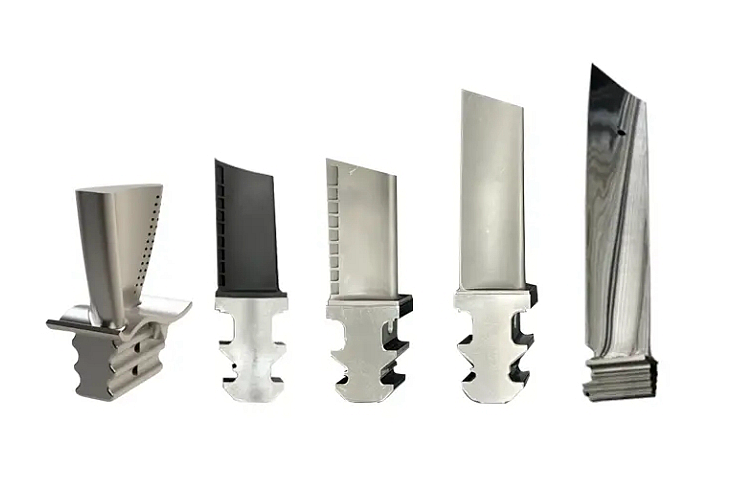
Hot isostatic pressing can add value to a superalloy casting when the alloy, purchase specification, defect morphology, geometry, and downstream route support it. HIP is not an automatic premium upgrade. It applies high temperature and isostatic gas pressure to a sealed material volume, so the buyer should define why it is required, what condition enters the vessel, and what evidence releases the part afterward.
The strongest HIP RFQ separates eligible internal porosity from problems HIP cannot correct. It also prices the complete chain: casting cleanup, pre-HIP inspection, HIP cycle, heat treatment, dimensional allowance, repeat NDE, testing, machining, records, and logistics. Quoting only the vessel cycle hides much of the technical and commercial scope.
Start with a HIP Eligibility Gate
Confirm that the exact alloy and casting specification permit HIP and identify the approved cycle or qualification route. Alloy family names such as Inconel, Rene, Nimonic, CMSX, or cobalt alloy are insufficient. Different grades and crystal structures have different thermal limits, phase behavior, and follow-up heat-treatment requirements.
Identify casting form and starting condition: equiaxed, directionally solidified, single crystal, as cast, rough machined, previously heat treated, repaired, or another controlled state. Prior thermal exposure matters. The engineering authority should approve the combined HIP and heat-treatment route rather than allowing a supplier to add a generic cycle.
Review geometry and surface connectivity. HIP acts on sealed internal volumes. If a discontinuity is open to the surface or connected through a passage, external gas pressure can enter it and prevent the intended closure. Thin walls, trapped process materials, internal cores, and sealed cavities need special review before vessel loading.
Define the Benefit in Buyer Terms
The buyer may seek reduced eligible internal porosity, improved consistency of internal density, support for specified mechanical properties, or a qualified route for a high-value near-net casting. Each objective needs its own evidence. A lower radiographic indication level, test result, or metallographic observation should be tied to the governing requirement rather than described as universally “better.”
HIP should not be used to conceal an unstable casting process. The foundry still controls melt, shell, pouring, feeding, solidification, and cleanup. Gate layout and section transitions should minimize shrinkage risk before HIP. If a casting repeatedly produces large voids or inclusions, route correction may be more appropriate than relying on densification.
For procurement, compare the value of preserving a complex casting or meeting an approved material route with the added cycle, transport, test, and schedule risk. The decision can be favorable for high-value geometries where HIP is already part of the accepted process, but the business case should not depend on unsupported service-life or yield claims.
Recognize Defects HIP Does Not Repair
Condition | HIP response boundary | Required action |
Sealed internal gas or shrinkage porosity | May be reduced when alloy and cycle are approved | Define morphology, cycle, and follow-up verification |
Surface-connected crack or pore | Pressure medium may access the discontinuity | Disposition through casting acceptance or approved repair route |
Inclusion or ceramic residue | Foreign material remains present | Improve melt, shell, core, and cleaning controls; inspect |
Wrong chemistry or alloy mix | Composition is unchanged | Reject or disposition through designated material authority |
Blocked cooling or process passage | HIP does not remove blockage | Decore, clean, and verify passage geometry |
Missing wall or low machining stock | HIP does not add geometry | Resolve tooling, casting, or dimensional nonconformance |
Grain-orientation defects, stray grains, freckles, recrystallization, and low-angle boundaries also need casting-structure-specific control. HIP may change porosity and thermal history but does not transform an unacceptable crystal structure into an acceptable one. Use orientation inspection, macrostructure, metallography, and designated disposition as required.
Approved weld repair is a separate route. Do not assume HIP authorizes repair or removes the need for repair NDE. The buyer should define allowed repair zones, joining instructions, thermal sequence, and repeat inspection.
Place HIP Correctly in the Manufacturing Sequence
Typical planning questions include whether gates and risers are fully removed, whether rough machining opens internal porosity to the surface, whether heat treatment occurs before or after HIP, and when dimensional stock is finalized. The approved route must answer these for the actual alloy and casting geometry.
Pre-HIP cleanup should remove shell, core residue, scale, oil, penetrant residue where restricted, and loose contamination according to the process requirements. Internal passages should be open or controlled as designed. Trapped material can contaminate surfaces or interfere with later inspection.
Follow-up heat treatment establishes the required delivery condition when specified. HIP temperature alone should not be treated as a substitute for an alloy-specific solution, aging, or stabilization route. Document cumulative exposure and the relationship between casting and test coupons.
Reserve Dimensional Stock for HIP and Thermal Movement
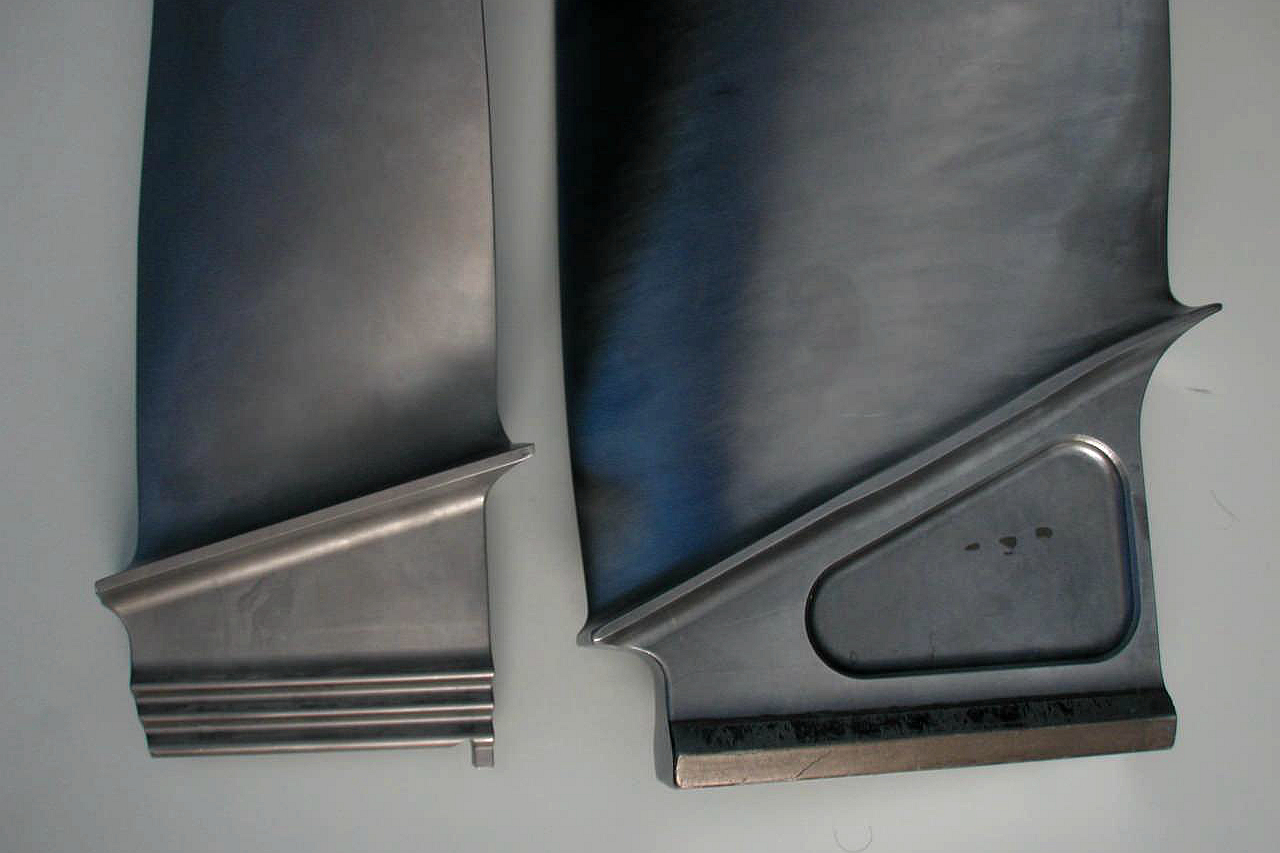
HIP and associated thermal cycles can produce dimensional movement from stress relaxation, creep under self-weight, fixture support, or collapse of internal porosity. The buyer should identify critical datums, thin walls, bores, seal faces, and features with limited cleanup stock. A feature-based allowance map is more useful than a single general tolerance.
Decide whether rough machining occurs before HIP. Rough machining can improve inspection access and reduce section, but it can also open previously sealed porosity and remove stock needed for distortion correction. The foundry, HIP supplier, and machine shop should review the sequence together.
After HIP, repeat the dimensional characteristics that can move before releasing the casting to finish machining. For thin or flexible parts, define the support or free-state measurement condition. Do not force the component into a fixture and report an apparently acceptable shape.
Inspect Before and After the HIP Cycle
Pre-HIP inspection establishes the incoming condition and prevents unsuitable castings from consuming vessel capacity. Depending on the part, this may include visual inspection, penetrant testing, radiography, CT, dimensional checks, passage verification, material identity, and review of casting records. The method and acceptance basis must come from the purchase requirements.
Post-HIP inspection should target changes caused or revealed by the route. Repeat NDE where required, confirm dimensions, review surface condition, verify heat treatment, and perform material tests or metallography from representative coupons. A process chart alone does not establish the final component condition.
Material testing and analysis may include tensile, creep, fatigue, hardness, or microstructural evaluation when specified. Define coupon source, section, orientation, thermal relationship, and test condition. A separately processed coupon should not be assumed representative without approval.
Control the HIP Supplier and Load
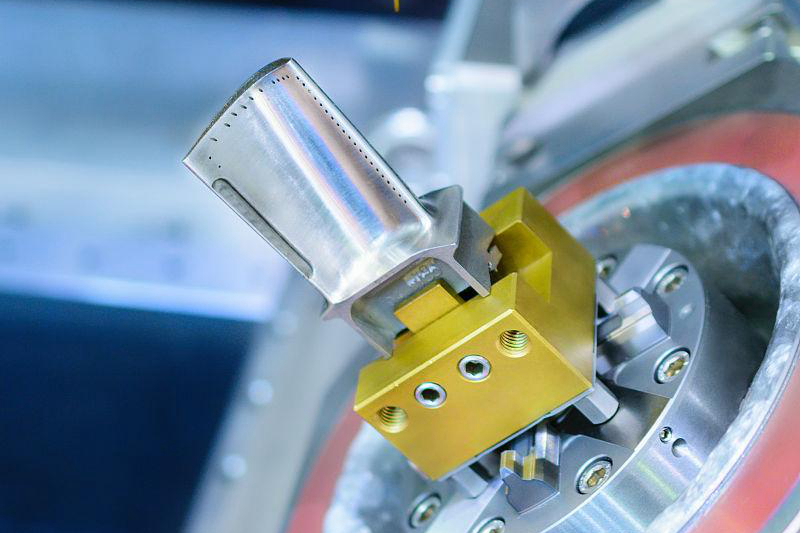
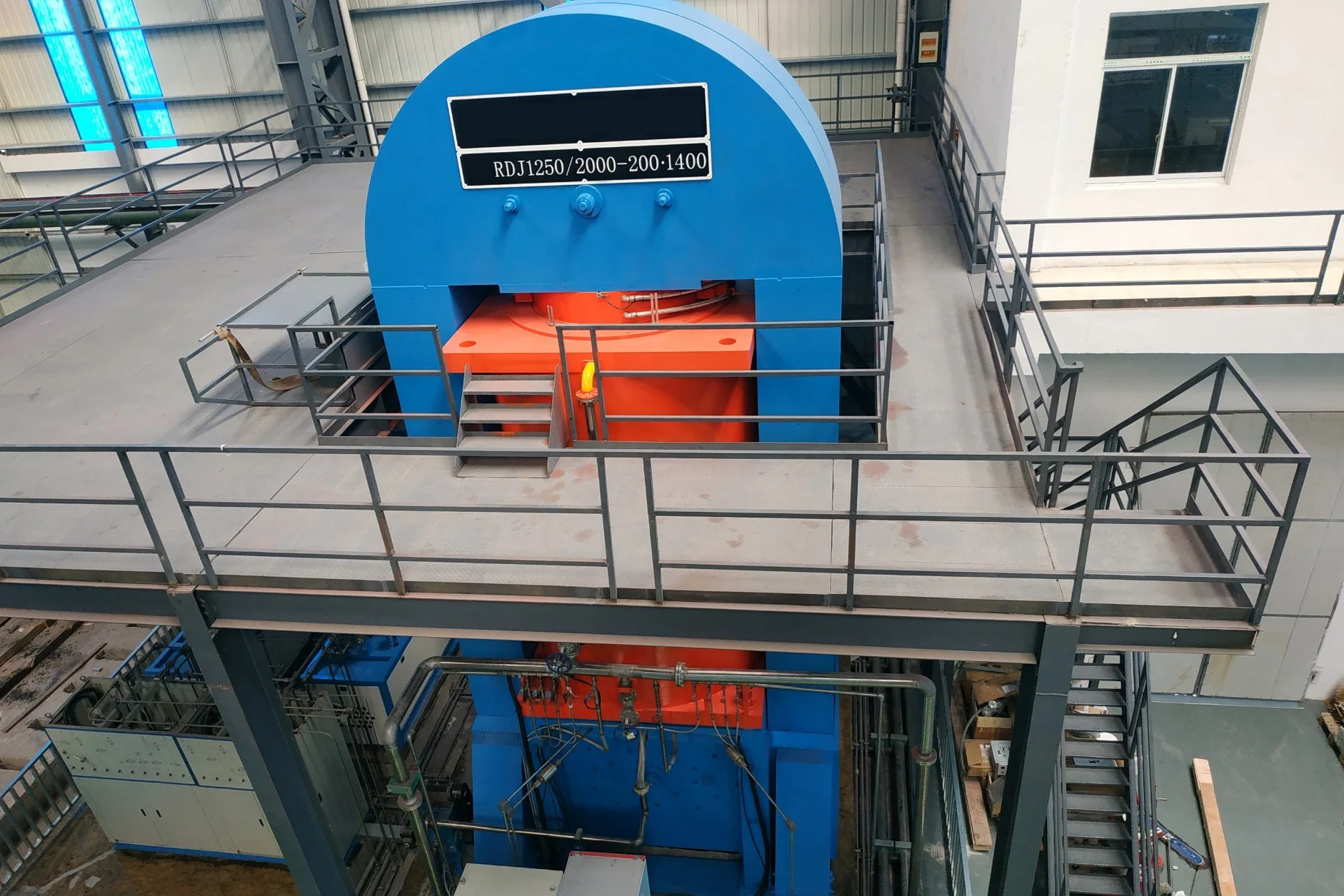
The HIP supplier should confirm vessel working zone, pressure and temperature capability for the approved cycle, loading fixtures, part orientation, thermocouple or control method, gas requirements, cooling, traceability, and record format. Physical vessel capacity is not enough; the actual load must fit the controlled operating envelope.
Document part and coupon location, support points, nesting, maximum load quantity, and incompatible material or cleanliness restrictions. A large ring, thin vane, and heavy housing may need different support. Mixed loads require an approved compatibility review.
Hold the load for disposition if identification, cycle, pressure, temperature, timing, cooling, or records deviate from the approved route. A passing hardness or dimension should not automatically close an unreviewed process deviation.
Use a Production-Intent First Article
The first article should pass through casting, cleanup, pre-HIP inspection, HIP, follow-up heat treatment, post-HIP NDE, dimensions, material testing, machining, and coating where relevant. Review the complete evidence chain before authorizing repeat production.
Define change-notification triggers for casting source, gate layout, rough-machining condition, HIP supplier, vessel, load fixture, cycle, heat-treatment source, coupon design, NDE method, and test laboratory. This keeps later lots connected to the qualified route.
Any nonconformance should state whether it existed before HIP, appeared after HIP, or was detected by improved follow-up inspection. That distinction supports useful root-cause action instead of treating HIP as either the cause or cure for every finding.
Plan Capacity, Logistics, and Lot Economics
HIP vessels operate by load, so part envelope, fixture space, compatible materials, cycle, and required separation influence usable capacity. Ask the supplier to state the assumed load family and whether the quotation is for a dedicated or shared compatible load. Do not use a fixed lead-time assumption; scheduling depends on approved cycle, vessel availability, preparation, follow-up treatment, and inspection.
Transport between foundry, HIP source, heat treater, laboratory, and machine shop should preserve identification and surface condition. Define packaging, capped passages, corrosion or contamination protection, and custody records. High-value castings should not arrive at the HIP source without clear acceptance status, nor leave it without cycle and load identity.
For small lots, separate one-time qualification, fixture, and first-article costs from recurring vessel and inspection costs. For larger lots, define maximum load quantity and sampling without assuming every vessel load is one production lot. Commercial comparison should use the same preparation, cycle, follow-up, and evidence scope.
Build a Complete HIP RFQ
Send the drawing and model, alloy and casting specification, crystal form, heat and lot identity, as-cast and machining condition, quantity, reason for HIP, approved cycle reference, prior thermal exposure, cleanup requirements, critical dimensions, support restrictions, pre- and post-HIP inspection, follow-up heat treatment, coupon plan, tests, documentation, and first-article hold points.
Request separate pricing for preparation, fixtures, HIP cycle, logistics, heat treatment, repeat NDE, dimensions, destructive tests, reports, and packaging. A complete breakdown shows whether the proposed benefit is supported by a controlled manufacturing route.
Related FAQs
Why Is Hot Isostatic Pressing (HIP) Used for Superalloy Parts?
Is Hot Isostatic Pressing (HIP) Suitable for All Superalloys? Key Limitations and Criteria
What Is the Difference Between Heat Treatment and Hot Isostatic Pressing?
Does Hot Isostatic Pressing (HIP) Change Casting Dimensions? A Detailed Explanation
Can HIP Eliminate All Internal Defects? Understanding Its Limits and Capabilities