What is the difference between heat treatment and hot isostatic pressing?
Fundamental Process Differences
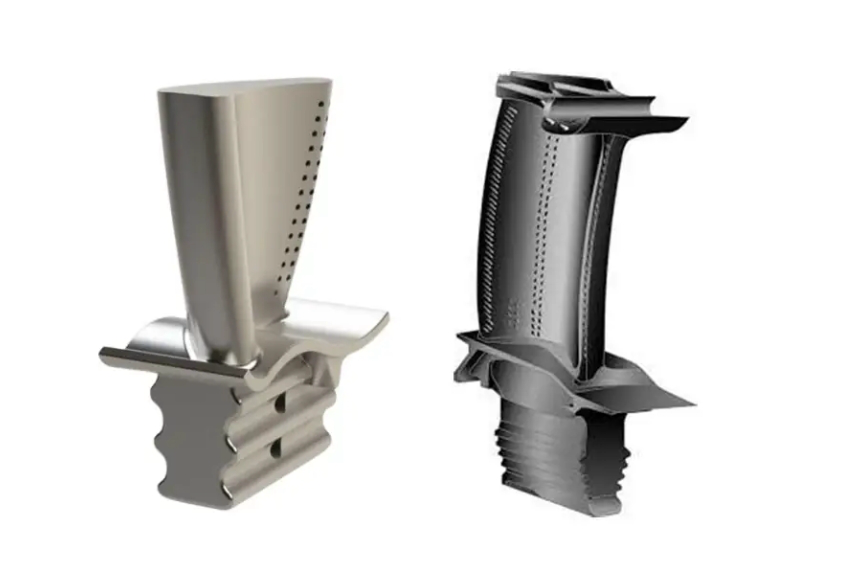
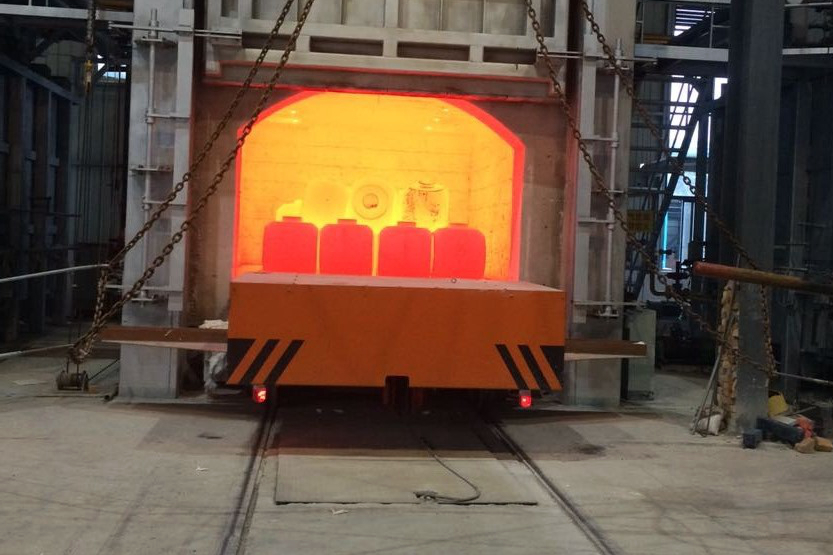
Heat treatment and hot isostatic pressing (HIP) are both used to enhance the mechanical performance of superalloys, but they serve different purposes. Heat treatment focuses on modifying the microstructure—primarily through solutionizing and aging—to optimize phase distribution and strengthen γ/γ′ precipitation. HIP, on the other hand, applies high temperature and uniform isostatic pressure simultaneously to eliminate internal porosity and improve density. While heat treatment alters the microstructure to improve creep and fatigue performance, HIP enhances the overall structural integrity and prevents crack initiation by closing internal voids.
During casting processes such as vacuum investment casting, microvoids and gas entrapment may occur. HIP is specifically applied to densify the material, while heat treatment is then applied to optimize its mechanical properties for long-term stability.
Microstructure Transformation vs. Densification
Heat treatment modifies the alloy's phase composition and activates precipitation hardening, increasing strength retention at elevated temperatures. This is particularly critical in nickel-based alloys such as Inconel 925, where controlled aging cycles enhance γ′/γ″ distribution. HIP, however, focuses on physical improvement rather than chemical transformation. By applying high pressure under controlled temperature, HIP removes voids left after casting or superalloy 3D printing, resulting in increased fatigue strength and fracture toughness.
For complex turbine and combustor components, HIP is often combined with heat treatment in a sequential process to achieve both densification and microstructural optimization.
Application and Process Integration
Components that experience high dynamic stress, such as those used in aerospace and aviation and oil and gas systems, often undergo both treatments. Heat treatment enhances fatigue life and creep resistance, while HIP ensures porosity-free density and prevents stress concentration points. For equiaxed castings produced through superalloy equiaxed crystal casting, HIP is particularly valuable as it reinforces grain boundaries and reduces the chance of crack propagation under thermal cycling.
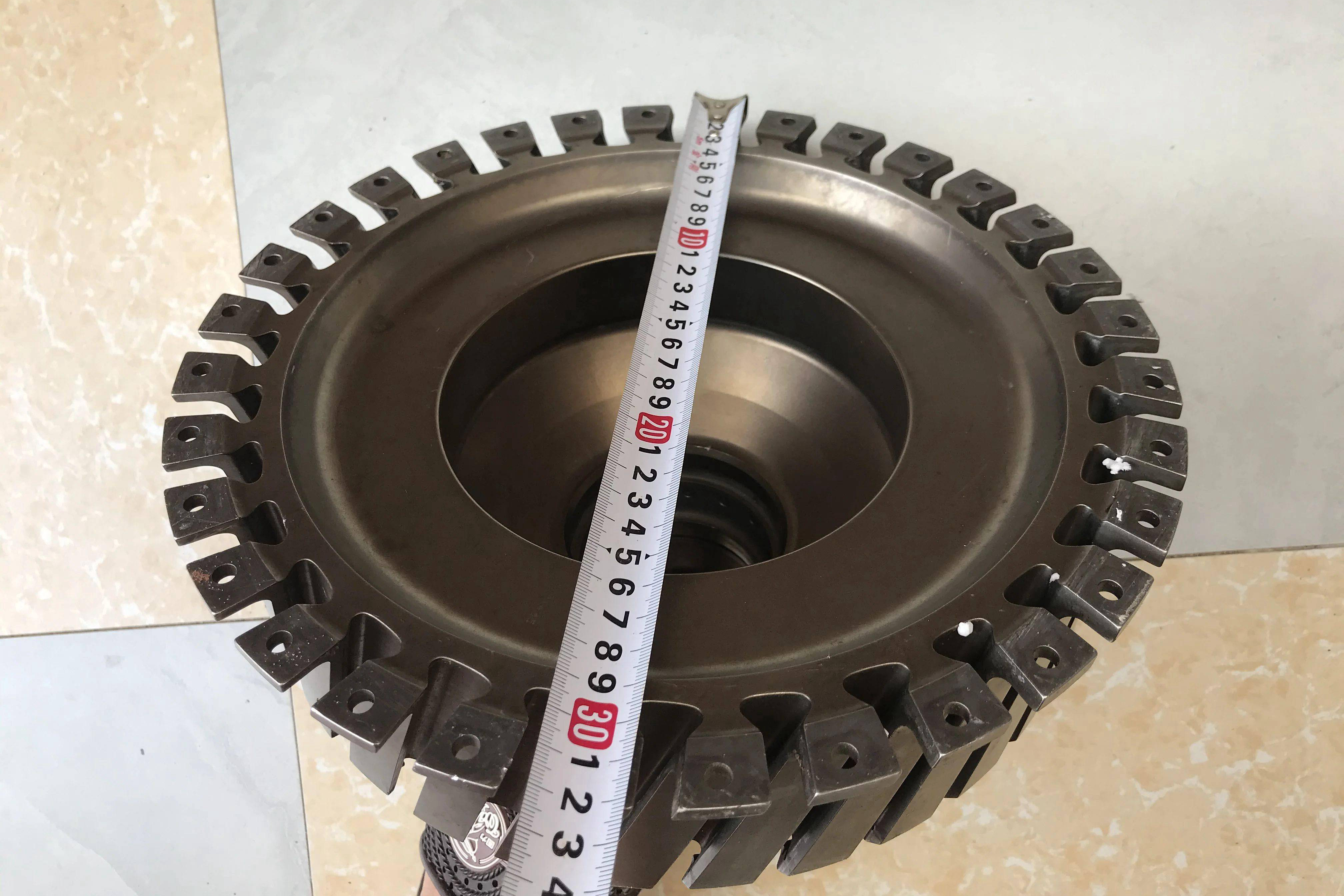
After HIP, finishing methods such as superalloy CNC machining may be required to restore dimensional accuracy before final assembly or further heat treatment stages.
Performance Validation
To verify treatment effectiveness, advanced inspection techniques such as metallographic analysis, X-ray imaging, and non-destructive material testing and analysis are used. Heat-treated components emphasize phase stability and creep resistance, whereas HIP-treated parts are validated for density, fracture toughness, and fatigue resistance. When both methods are strategically combined, superalloy components achieve maximum reliability, especially in critical rotating or high-pressure systems.