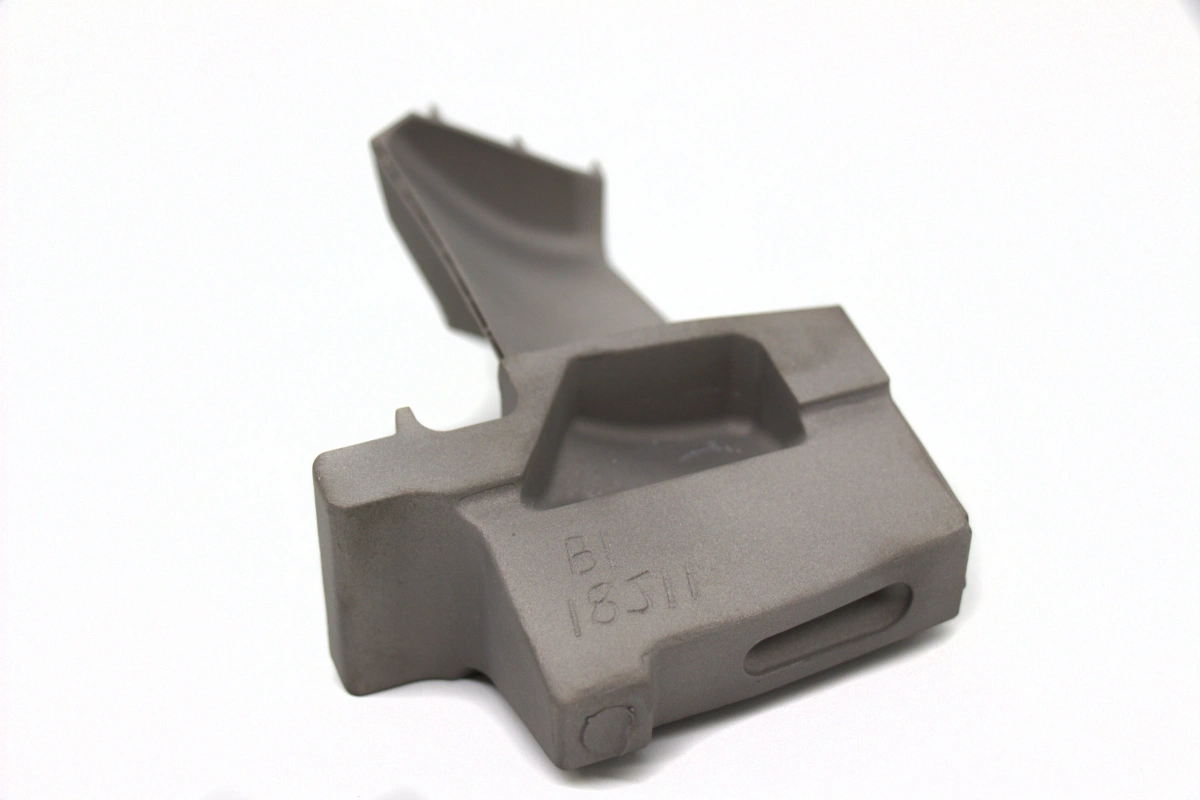
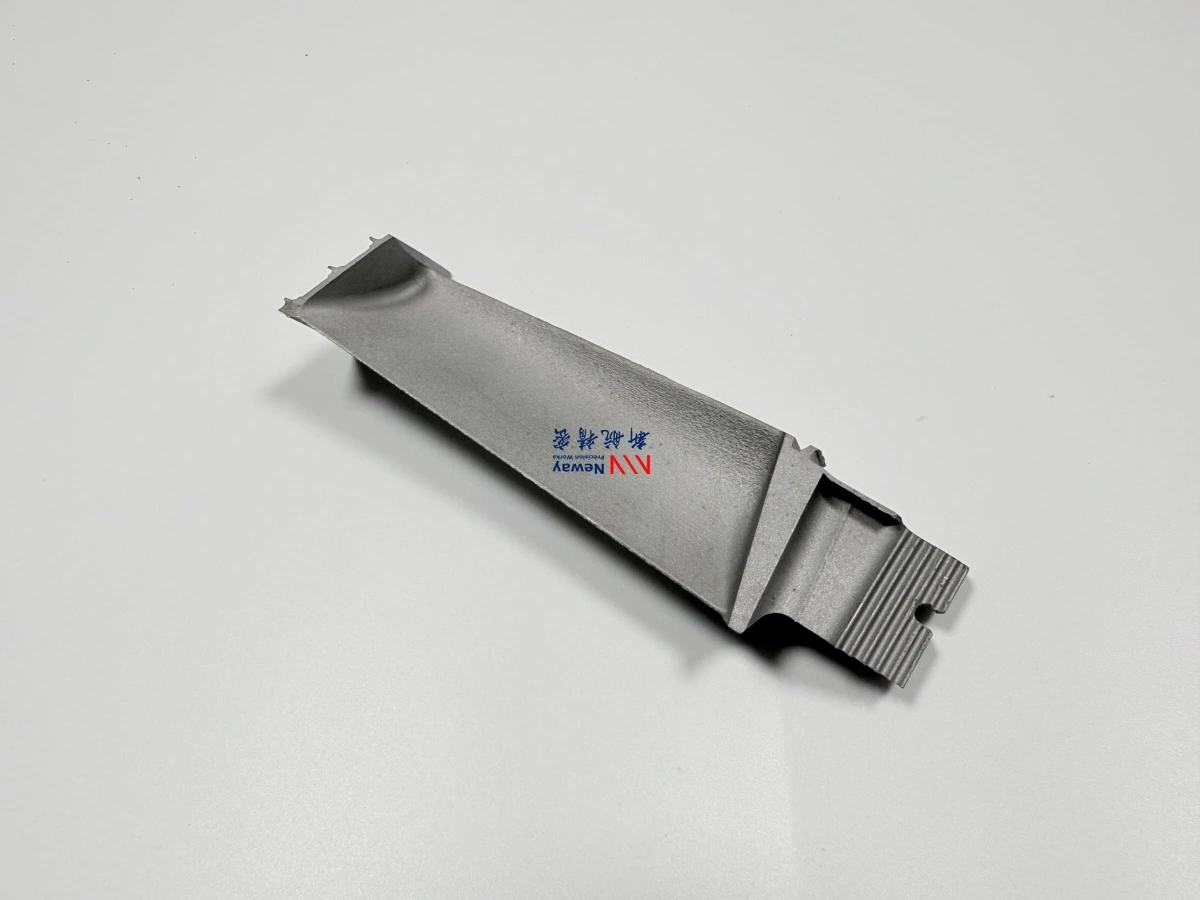
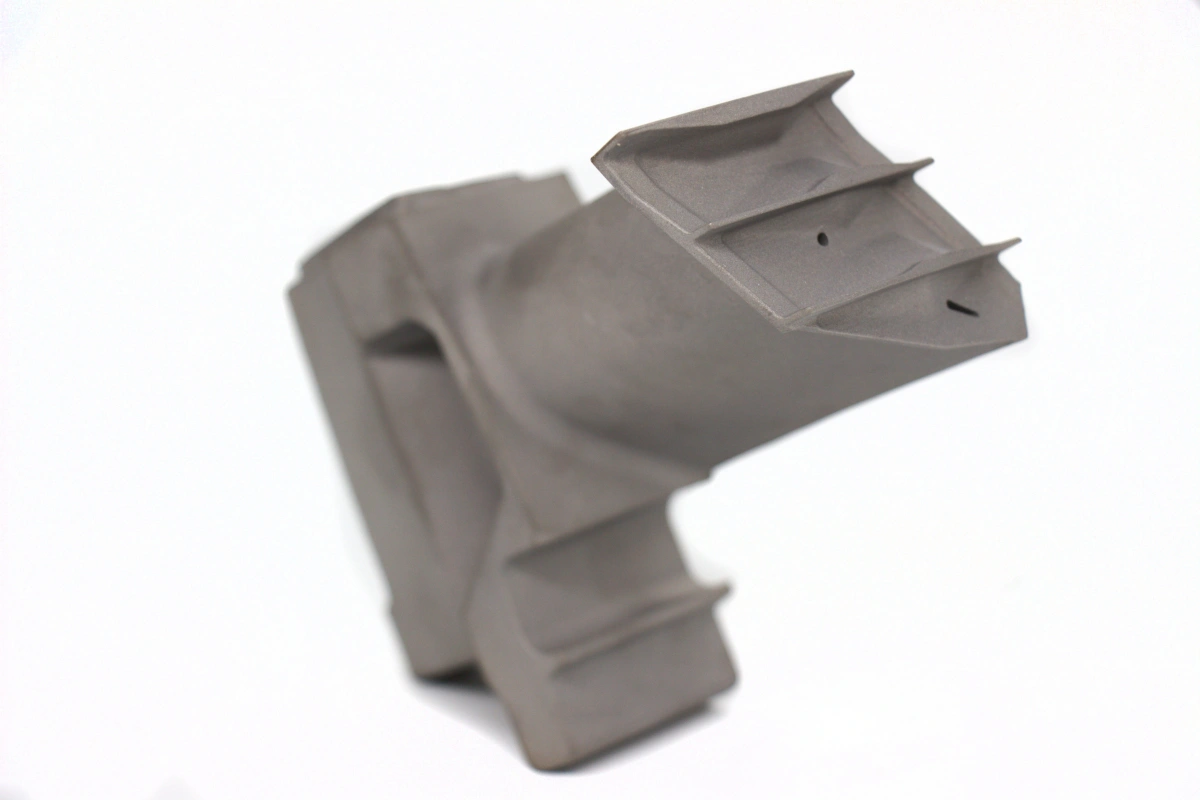
CMSX-4 Single Crystal Turbine Blade Casting Supplier Checklist·
A CMSX-4 single crystal blade RFQ should be judged by crystal-control evidence, not by the part name alone. The buyer needs to define orientation requirement, grain selector assumptions, acceptable crystal defects, heat treatment boundary, machining stock, inspection method and release evidence before comparing suppliers. This article is separate from a general turbine blade casting review because the central question is whether the supplier can discuss CMSX-4 single crystal manufacturing risks such as stray grain, freckle, recrystallization and low-angle boundary control within the buyer's specification framework.
NewayAeroTech can review custom CMSX-4 and nickel-based single crystal turbine blade projects based on drawings, 3D models, alloy requirements, quantity, orientation notes, sample references, machining allowance, heat treatment or HIP requirements, FPI, X-ray, CMM, metallography and crystal-orientation inspection expectations. The route may involve single crystal casting, heat treatment, HIP treatment where required by the project, superalloy CNC machining, EDM, surface inspection and material verification. Final use and acceptance remain tied to the buyer's drawings, standards and validation plan.
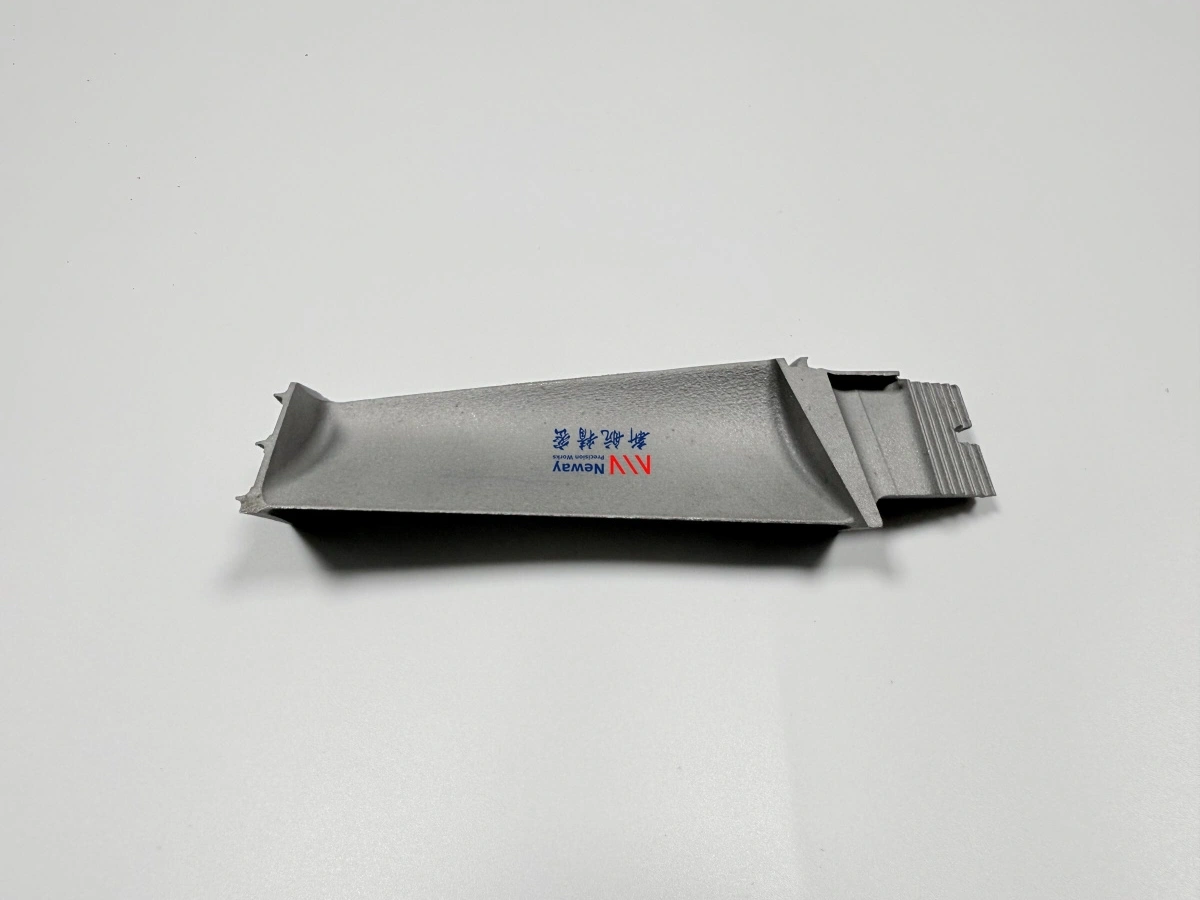
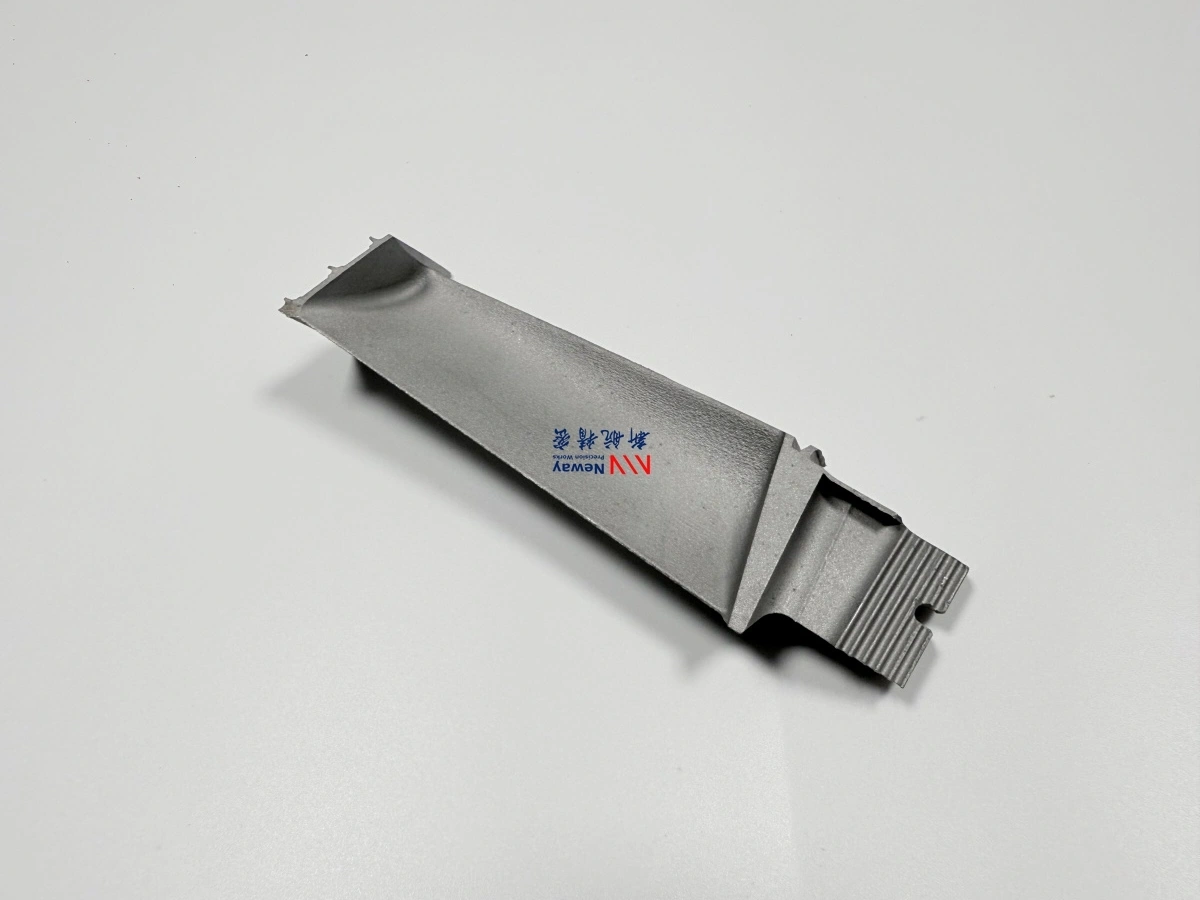
CMSX-4 SX Blade RFQ Boundary
CMSX-4 is used in demanding single crystal blade discussions, but the material name does not define the manufacturing responsibility. The buyer should specify whether the request is for a cast blade blank, a heat-treated casting, a semi-finished blade with datum preparation, or a finished component that includes machining and inspection records. For CMSX-4 work, the supplier review should start with crystal structure and orientation evidence before moving to general machining and commercial comparison.
The RFQ should state blade type, airfoil and root geometry, platform features, any cooling details, orientation direction, acceptance rule for crystal-related indications, and whether first-article evidence is needed. NewayAeroTech can review the project as custom manufacturing from buyer-provided technical data. It should not be treated as a standard inventory spare-part purchase, and the buyer's engineering team remains responsible for final application approval.
CMSX-4 RFQ Boundary | Supplier Review Question | Document the Buyer Should Provide |
|---|---|---|
Crystal structure requirement | Is the drawing asking for a single crystal blade with a defined orientation and acceptance rule? | Orientation note, grain acceptance requirement, drawing revision and inspection method. |
Blade delivery condition | Is the supplier quoting only casting, or casting plus heat treatment, machining and release reports? | Delivery condition, machining scope, heat treatment notes and required report package. |
First article expectation | Will the buyer review sample evidence before repeat quantity? | Trial quantity, approval steps, dimensional evidence and material verification requirement. |
Downstream process handoff | Will coating, final finishing or application validation be handled outside the supplier scope? | Coating preparation boundary, surfaces left for buyer processing and final validation notes. |
Selector, Starter and Orientation Requirements
Single crystal blade casting depends on route details that are often invisible in a simple price request. The starter, selector concept, withdrawal route, shell and core support, thermal gradient and blade geometry all influence whether the casting can meet the intended crystal structure. Buyers do not need to design the entire process for the supplier, but they do need to define what orientation and crystal evidence will be accepted.
Orientation requirements should be written in the RFQ rather than assumed from the alloy name. If the drawing requires a particular crystallographic direction, acceptance window, test location or inspection method, those details should be available before quotation. Low-angle boundary concerns should also be handled as an acceptance issue tied to the buyer's specification, not as an informal visual judgment after parts are produced.
Crystal Control Point | Manufacturing Question | RFQ Evidence to Define |
|---|---|---|
Starter and selector concept | Can the route support the required single crystal growth for the blade geometry? | Blade model, root and airfoil geometry, section changes and trial-review expectation. |
Primary orientation | What orientation target and acceptance window will the buyer apply? | Orientation note, measurement method and required report format. |
Low-angle boundary review | How will low-angle boundary risk be judged if it is relevant to the specification? | Acceptance rule, inspection location and whether metallographic evidence is required. |
Core or cooling feature interaction | Do internal features make crystal growth, cleanup or inspection more difficult? | Core drawings, section views, cooling-feature notes and inspection requirements. |
Stray Grain, Freckle and Recrystallization Review
CMSX-4 RFQs should name the defect families that matter to release. Stray grain, freckle, recrystallization and low-angle boundary concerns are not interchangeable. Stray grain relates to unwanted crystal formation; freckles can be tied to segregation-related casting issues; recrystallization may be influenced by thermal and mechanical history; and low-angle boundaries require a defined acceptance basis. The supplier cannot quote the same inspection plan for all of them without knowing the buyer's rule.
Buyers should also separate defect prevention from defect evidence. The supplier can review process controls, geometry risk, post-processing sequence and inspection plan, but acceptance depends on the customer standard. If the RFQ only says CMSX-4 blade casting without specifying defect criteria, suppliers may return prices that look comparable but include very different inspection depth and rejection assumptions.
SX Defect Concern | Why It Changes the Quote | Buyer Acceptance Input |
|---|---|---|
Stray grain | Requires discussion of selector effectiveness, local geometry risk and inspection visibility. | Allowed condition, inspection method, reporting location and rejection rule. |
Freckle | May affect route-control assumptions and metallographic or visual evidence planning. | Specification reference, inspection area and evidence required for release. |
Recrystallization | Can be connected to processing history, local deformation, machining or heat exposure. | Process boundary, heat treatment notes, inspection method and acceptance definition. |
Low-angle boundary | Cannot be judged responsibly without orientation and acceptance criteria. | Orientation tolerance, measurement method and report requirement. |
Heat Treatment, HIP and Machining Boundary
Post-cast processing for CMSX-4 blade projects should be defined before supplier comparison. Heat treatment may be required by the material condition or customer specification. HIP may be discussed where the project requires it, but the buyer should state whether it is mandatory and what evidence is expected. Machining can include datum preparation, root stock control, platform faces, EDM features or finishing allowance, and each step can affect inspection timing.
For single crystal work, machining and post-processing are not only cost items. They can influence recrystallization risk, surface inspection timing and final evidence. Buyers should mark surfaces that must remain protected, features that need stock allowance, and areas where FPI, CMM or orientation evidence must be collected after a specific process step. NewayAeroTech can review these boundaries when the RFQ separates casting, heat treatment, HIP, machining and final release responsibilities.
Orientation and Metallographic Release Evidence
Release evidence for CMSX-4 single crystal blade work should be matched to the buyer's acceptance rules. Orientation inspection may be needed to confirm the required crystal direction. Metallographic review may be required for microstructure or defect verification. FPI can review surface-breaking indications after casting cleanup or machining. X-ray inspection can support internal casting quality review, while CMM confirms geometry when the part is semi-finished or finished. The RFQ should not assume all reports are included unless they are listed.
Report timing also matters. Evidence collected on a casting blank may not prove the condition after machining. Evidence collected after heat treatment may answer a different question from evidence collected after final finishing. Buyers should define whether reports are required for first article only, for every batch, or for each part where applicable. That clarity helps NewayAeroTech quote the correct inspection package.
Release Evidence | What It Supports | When to Request It |
|---|---|---|
Orientation inspection | Confirms the crystal direction or orientation requirement defined by the buyer. | For CMSX-4 SX blade projects with specified orientation acceptance. |
Metallographic review | Supports microstructure, defect or route evidence where required by specification. | For first article, material-sensitive work or buyer-defined defect acceptance. |
FPI / DPI | Reviews surface indications on airfoil, root transition, platform and machined features. | After cleanup, machining or finishing depending on the acceptance plan. |
CMM and X-ray evidence | CMM supports dimensional relationships; X-ray supports internal casting quality review. | When geometry or internal quality is part of release before shipment. |
Supplier Checklist for CMSX-4 Trial and Batch Decisions
Before placing a CMSX-4 single crystal blade order, buyers should confirm the route responsibility, orientation requirement, defect acceptance language, heat treatment or HIP scope, machining boundary, inspection package and first-article decision point. Trial quantities should be separated from future batch quantities because tooling adjustment, process review and inspection feedback may change the route before repeat manufacturing.
A practical RFQ includes the 2D drawing, 3D model, CMSX-4 or customer-approved material requirement, quantity, required orientation, defect acceptance notes, heat treatment condition, HIP requirement if applicable, machining surfaces, coating preparation boundary, inspection standards and report expectations. NewayAeroTech can review suitable custom single crystal blade projects from this information and identify missing assumptions before quotation.
Related FAQs
When should buyers choose CMSX-4 or CMSX-10 for turbine blades?
How do CMSX alloys compare with Inconel in high-temperature turbine blade performance?
What are the main causes of stray grain defects in single-crystal casting?
What are low-angle boundary defects and how do they affect turbine blade performance?
What is recrystallization and why is it a problem in single-crystal casting?
How do NDT methods like CT scanning help detect freckle defects?
How can metallographic microscopy detect low-angle boundaries in turbine blades?
Which inspections are used for single crystal blade castings?
For CMSX-4 single crystal turbine blade RFQs, send drawings, models, material requirements, orientation notes, defect acceptance language, heat treatment or HIP requirements, machining scope and inspection standards. NewayAeroTech can review the custom manufacturing route and identify the evidence needed for a responsible supplier comparison.