How do CMSX alloys compare with Inconel in high-temperature turbine blade performance?
Microstructural Foundations and Design Purpose
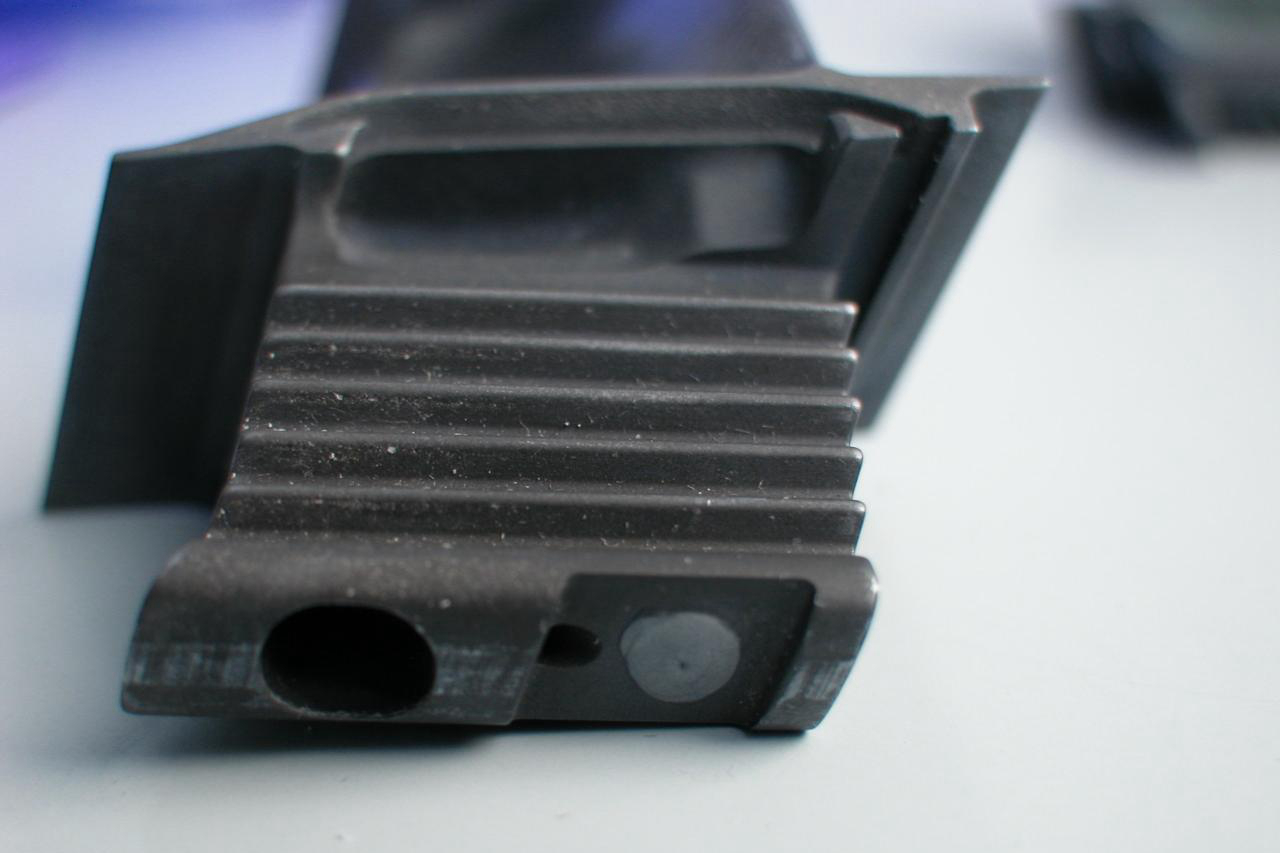
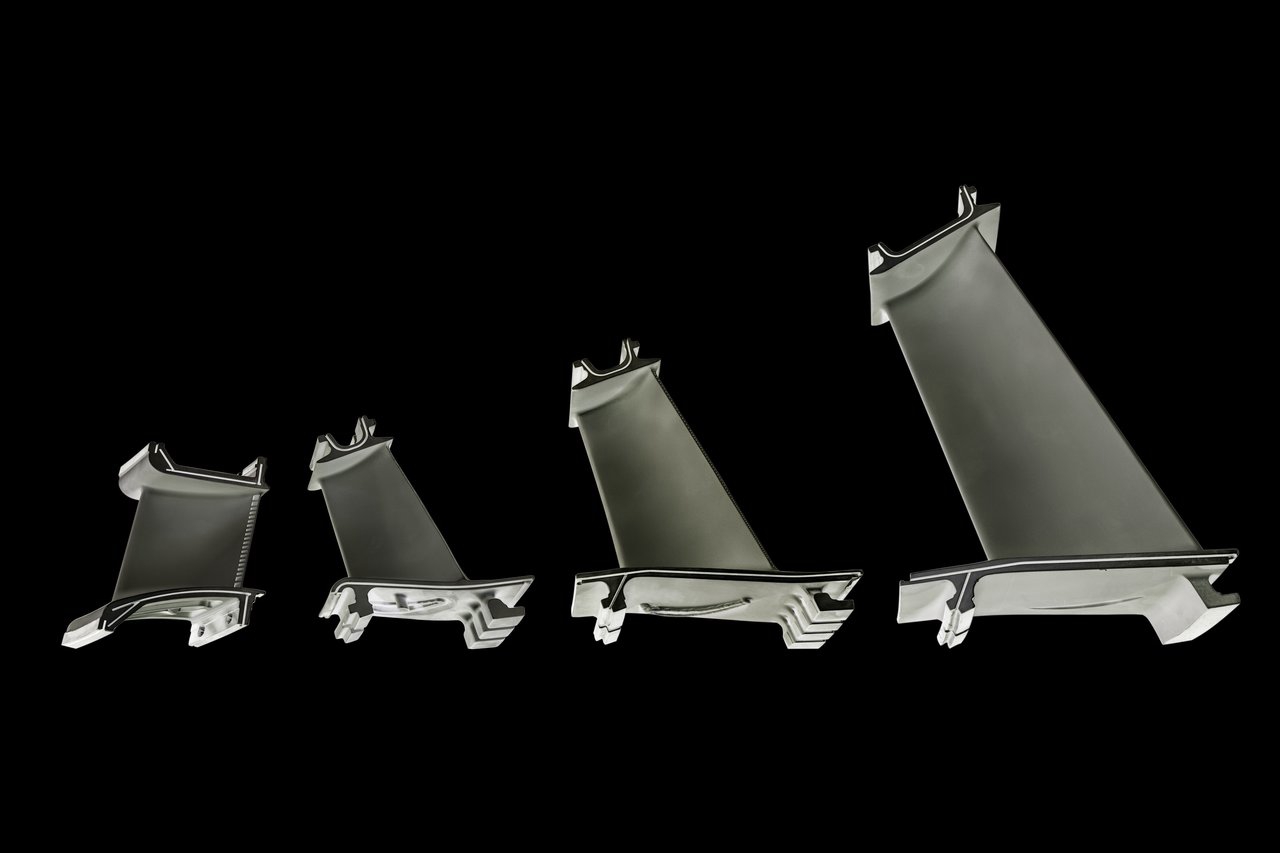
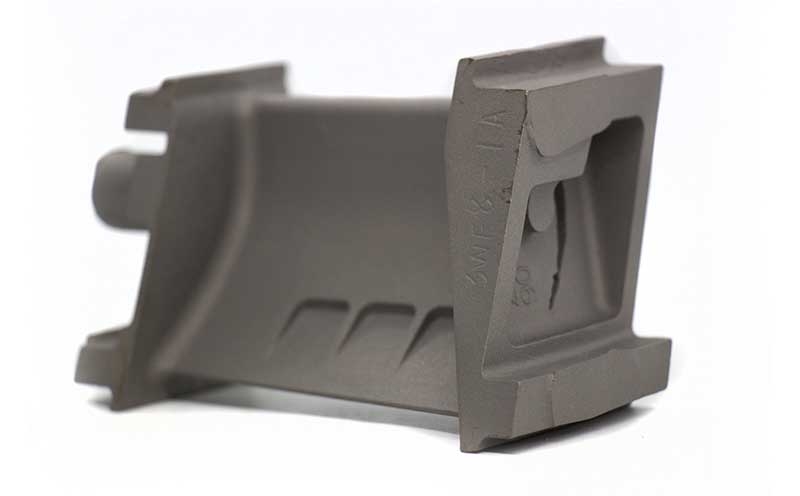
CMSX alloys are engineered as single-crystal superalloys specifically designed for the highest-temperature, highest-stress regions of turbine blades. They eliminate grain boundaries entirely, providing exceptional creep resistance and thermal stability. Inconel alloys—such as Inconel 718 or Inconel 939—are generally polycrystalline unless specially processed, making them more prone to grain-boundary-related fatigue, oxidation, and creep at extreme temperatures.
High-Temperature Strength and Creep Resistance
CMSX alloys such as CMSX-4 and CMSX-10 exhibit significantly higher γ′ volume fractions and better phase stability at temperatures exceeding 1000°C. This ensures outstanding creep resistance under prolonged exposure to turbine inlet temperatures. Inconel alloys, while strong, typically lose mechanical stability earlier due to grain-boundary sliding, carbide instability, and lower γ′ content. As a result, CMSX alloys offer far superior durability in high-pressure turbine sections.
TMF, Fatigue, and Oxidation Performance
Thermal mechanical fatigue (TMF) behavior strongly favors CMSX materials because their single-crystal structure avoids grain-boundary oxidation and intergranular cracking. In contrast, Inconel alloys—though robust—suffer from grain-boundary oxidation and environmental degradation under cyclic heating. Advanced coatings such as thermal barrier coatings (TBC) bond more uniformly to CMSX substrates, resulting in better coating adhesion and reduced spallation during thermal cycling.
Design Flexibility and Operational Efficiency
The predictable anisotropic behavior of CMSX alloys allows engineers to design thinner walls, more aggressive cooling geometries, and higher turbine inlet temperature strategies. These capabilities translate to higher engine efficiency and longer service intervals in aerospace and power generation turbines. Inconel alloys, while widely used, are more suitable for cooler turbine stages or structural components where extreme thermal gradients are not present.