Assemblies of Superalloy for Downhole Drilling Service
A downhole drilling superalloy assembly RFQ should identify the tool function, corrosive media, pressure-bearing or non-pressure boundary, bore geometry, threaded interfaces, and inspection evidence before a supplier quotes the job. Assemblies may include tool sleeves, valve parts, pump segments, sensor housings, turbine-drilling hardware, wear sleeves, couplings, and high-temperature support components. NewayAeroTech can review custom alloy parts for oil and gas drilling service when the buyer provides drawings, 3D models, material requirements, sample condition, quantity, and acceptance criteria.
The cost driver is often hidden inside the assembly. A simple outside profile may contain a deep bore, small port, seal groove, thread, hard-facing area, or corrosion-facing surface that controls the route. The supplier should understand whether the buyer needs a rough blank, a finished machined component, a component ready for coating or hard-facing, or a complete assembly part with test records. That boundary decides whether casting, forging, CNC machining, deep-hole drilling, heat treatment, HIP, and NDT are included.

Define the Downhole Assembly Boundary and Contact Surfaces
Buyers should first separate mechanical interfaces from exposure surfaces. A threaded connection, seal land, splined area, or precision bore needs tight machining and dimensional reporting. A fluid-contact face, mud-exposed surface, or sour-service-adjacent area needs material and corrosion review. A wear sleeve or valve seat may need surface treatment, hard-facing compatibility, or a cobalt-based alloy decision. Without this boundary, the quotation may price the external shape while excluding the surfaces that make the part usable.
If the RFQ starts from a worn sample, NewayAeroTech should treat it as a reference for assembly logic, not automatic final geometry. Downhole parts can show erosion, pitting, thread wear, galling, and distorted seal faces. The buyer should approve which measurements come from the sample and which come from a drawing or new design model. That step is essential for replacement-manufacturing projects and for small batches where a single wrong interface can affect every piece.
Assembly feature | RFQ risk | Manufacturing data needed |
Threaded connection | Galling, pitch error, surface finish, and mating fit | Thread form, gauge requirement, material condition, and inspection method. |
Deep bore or long internal passage | Straightness, finish, chip control, and inspection access | Bore diameter, depth, tolerance, surface finish, and whether honing or EDM is required. |
Seal land or groove | Leakage risk, wear, and dimensional sensitivity | Datum scheme, surface roughness, radius requirements, and CMM or profile report. |
Fluid-contact surface | Corrosion, erosion, and cleaning sensitivity | Media description, alloy grade, surface treatment, and visual/FPI acceptance. |
Select Nickel, Cobalt, or Special Alloy Grades by Exposure
Superalloys are selected for downhole components when ordinary metals do not match the combination of heat, corrosion, wear, and mechanical loading. Inconel 718 may be reviewed for suitable high-strength machined parts. Inconel 625, Hastelloy C-type grades, and other nickel-based corrosion-resistant alloys may fit fluid-contact or sour-environment applications when specified by the buyer. Stellite or cobalt-based wear-resistant alloys may be reviewed for valve seats, rubbing surfaces, and erosion-prone features. The drawing or customer material standard should control final selection.
NewayAeroTech can support superalloy and special alloy casting as well as machined alloy supply for custom downhole components. If the buyer allows equivalent grades, the supplier should state the proposed material, heat treatment condition, availability, machining behavior, and testing records. If no equivalent is allowed, the supplier should quote the named grade and flag any route risks before production.
Material family | Possible downhole use | Buyer approval point |
Inconel 718 or related nickel alloy | High-strength housings, sleeves, fasteners, and machined support parts | Confirm condition, heat treatment, dimensional requirements, and test records. |
Inconel 625 or Hastelloy grade | Corrosion-facing parts, fluid-contact surfaces, and aggressive media exposure | Define media, cleaning, surface finish, and chemistry documentation. |
Stellite or cobalt-based alloy | Wear faces, seats, erosion-prone zones, and rubbing interfaces | Identify contact location, mating material, final machining, and surface inspection. |
Customer-specified special alloy | Projects with controlled material approval or legacy component requirements | Provide full material callout, approved equivalent rule, and documentation package. |
Build the Route Around Machining Access and Internal Features
Downhole assemblies often require more machining review than broad alloy articles suggest. Superalloy CNC machining is central for threads, shoulders, seal grooves, ports, slots, and precision mounting areas. Superalloy deep hole drilling may be needed for long bores, internal flow paths, sensor passages, or pressure-balance features. EDM may be reviewed for small access features or difficult slots where conventional tools cannot reach.
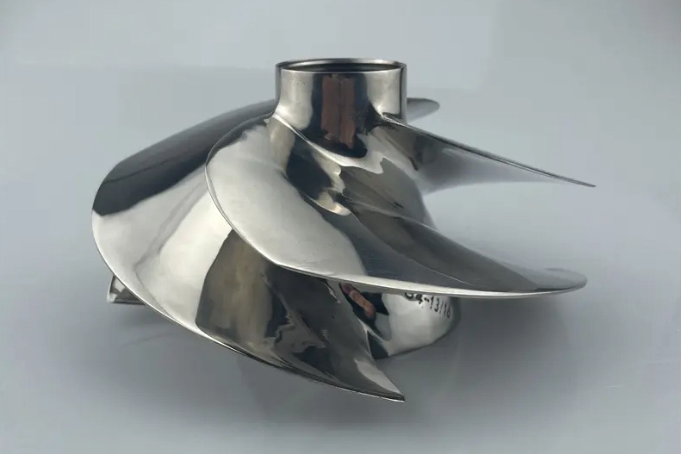
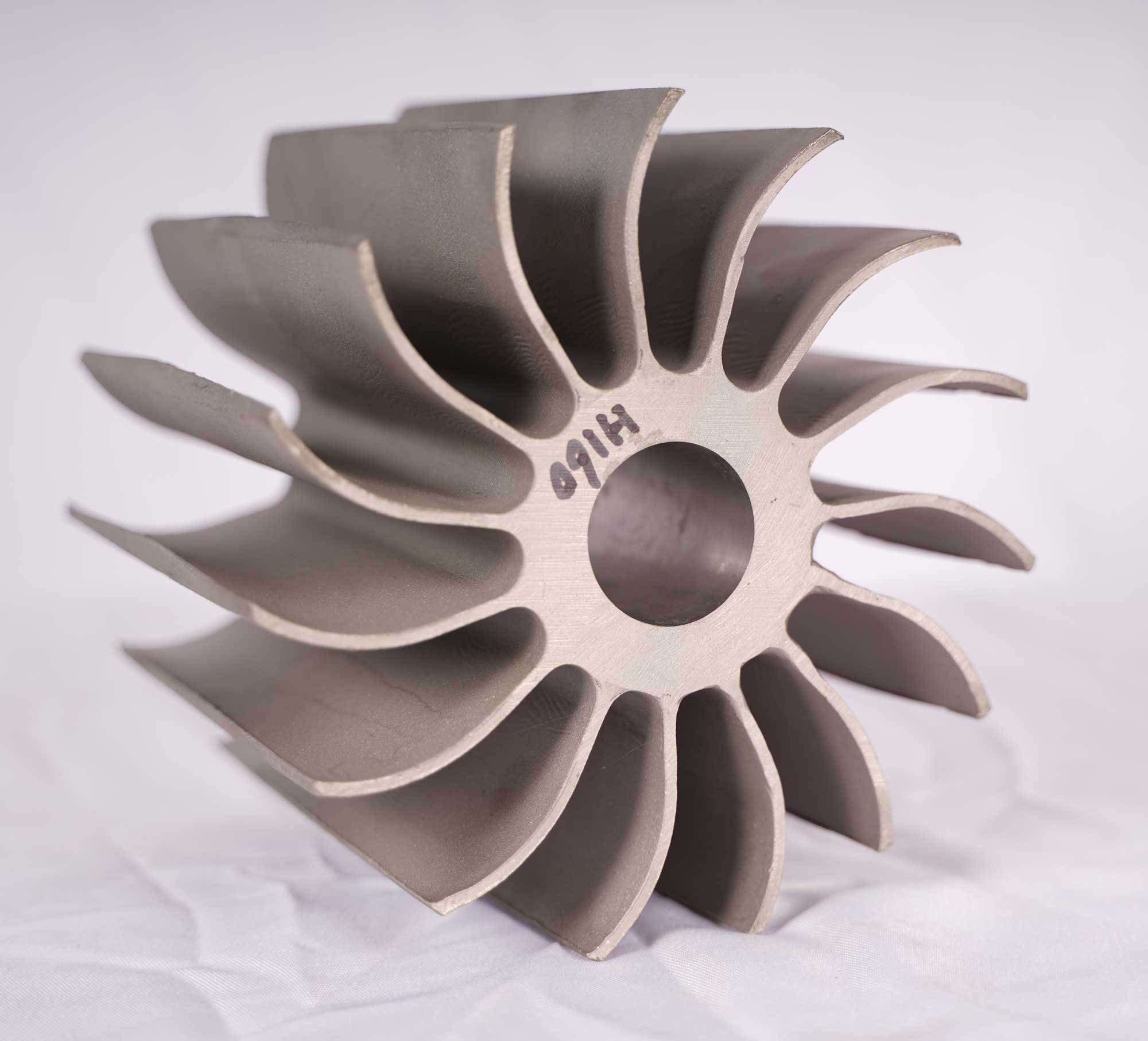
Casting or forging may still be useful as a blank route. Vacuum investment casting can reduce material waste for complex superalloy shapes, while forged or wrought blanks may suit strength-oriented sleeves and shafts. The quotation should name the blank type and list every finishing operation. Buyers should ask whether the supplier has considered tool reach, wall thickness, bore inspection, and distortion after heat treatment.
Heat Treatment, HIP, and Post-Process Scope Should Not Be Assumed
Heat treatment may be required to reach the specified alloy condition, relieve stress, or stabilize dimensions before final machining. HIP may be reviewed for cast downhole components when internal soundness is part of the acceptance plan. Surface finishing, passivation, coating preparation, hard-facing compatibility, cleaning, and marking may also belong in the quote. NewayAeroTech can review superalloy heat treatment, HIP, and post-process requirements when the buyer defines the standard.
The RFQ should state whether these steps are mandatory, optional, or excluded. A heat-treated blank may still need final machining. A hard-faced seat may need finish grinding. A corrosion-resistant part may need cleaning and surface inspection after machining. If these items are left open, the buyer may receive a low quote that does not include the work needed for acceptance.
Process item | Downhole feature affected | Quote evidence to request |
Heat treatment | High-strength nickel alloy body, sleeve, or coupling | Required condition, timing before final machining, and record package. |
HIP review | Cast superalloy parts with soundness risk | Included or excluded status, inspection before/after HIP, and reporting. |
Deep-hole drilling or EDM | Long bores, small ports, and internal passages | Tool access, straightness, surface finish, and inspection method. |
Surface finishing | Seal lands, threads, seats, and corrosion-facing surfaces | Roughness, coating readiness, cleaning, and final visual/FPI review. |
Inspection Evidence Should Match the Bore, Thread, and Material Risks
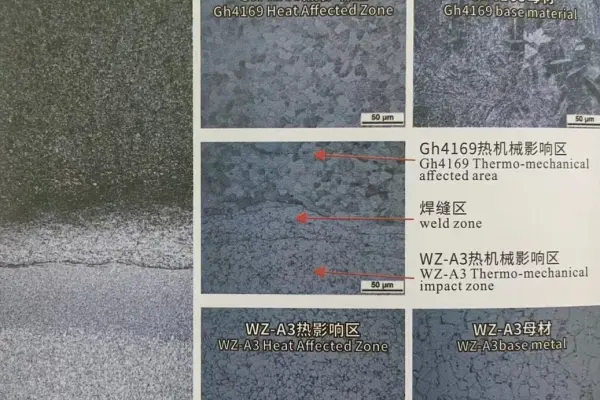
A downhole assembly inspection plan should address both geometry and material. CMM or dedicated gauges may be needed for threads, shoulders, grooves, and external profiles. Bore gauges, straightness checks, or surface finish checks may be needed for long internal features. FPI or DPI may review surface-connected indications on machined or cast surfaces. Chemical analysis, heat lot traceability, hardness, metallography, tensile testing, or corrosion-related checks may be requested when the drawing or purchase specification requires them.
NewayAeroTech can support material testing and analysis for custom superalloy assemblies. Buyers should define the acceptance package before manufacturing starts: critical dimensions, sampling plan, NDT method, material records, report format, and whether a first article is required. This prevents the supplier from delivering a component that has the right shape but lacks the evidence needed for field or assembly review.
Prototype and First-Article Review Reduce Assembly-Level Surprises
Prototype work is useful when the buyer needs to confirm bore access, thread fit, seal geometry, or sample-based reverse engineering. A prototype may use a simplified route, but the buyer should not assume the prototype method is the same as production. If the final part requires a specific alloy, heat treatment, HIP, hard-facing, or NDT, those requirements should be written into the first-article plan.
First-article review should compare the finished part against the drawing, material documents, process route, machining reports, and surface condition. If an open issue appears, the buyer should decide whether to revise the model, change machining allowance, adjust inspection requirements, or release only a limited trial lot. NewayAeroTech can support prototype and small-batch custom manufacturing when the RFQ defines these decision points clearly.
Cost comparison should separate alloy procurement, deep-hole work, threaded features, coating or hard-facing preparation, and inspection reports. Those items can change price more than part weight. When each item is visible in the supplier response, buyers can compare a finished downhole component against another finished downhole component instead of mixing incomplete quotes.
RFQ Checklist for Downhole Superalloy Assemblies
Send the 2D drawing, 3D model, material grade, assembly function, pressure or non-pressure boundary, media exposure, quantity, thread specifications, bore dimensions, surface finish, heat treatment, hard-facing or coating note, inspection standard, and sample photos if available. Mark seal lands, threads, long bores, ports, grooves, wear faces, and corrosion-facing surfaces. State whether the quote covers raw casting, machined blank, finished component, or assembly-ready part with inspection records.
Ask the supplier to respond with the proposed route, blank source, included operations, excluded operations, post-process scope, inspection deliverables, material documentation, and open technical questions. NewayAeroTech can review the package and suggest a practical route for custom downhole superalloy components without claiming responsibility for customer tool design or field-use approval.
Related FAQs
What are the key benefits of using CNC machining in manufacturing superalloy assemblies?
How does HIP improve the quality of downhole drilling components?
What are the typical quality control measures for downhole drilling assemblies?
What are the advantages of using nickel-based alloys in drilling tool parts?
How does the manufacturing process impact the performance of nickel-based drilling tools?
For downhole drilling superalloy assembly RFQs, define the material, bore and thread details, exposure surface, post-process needs, and inspection evidence before comparing prices. NewayAeroTech can support custom manufacturing based on drawings, sample references, and customer requirements.