الجيل الأول
مقدمة عن المادة
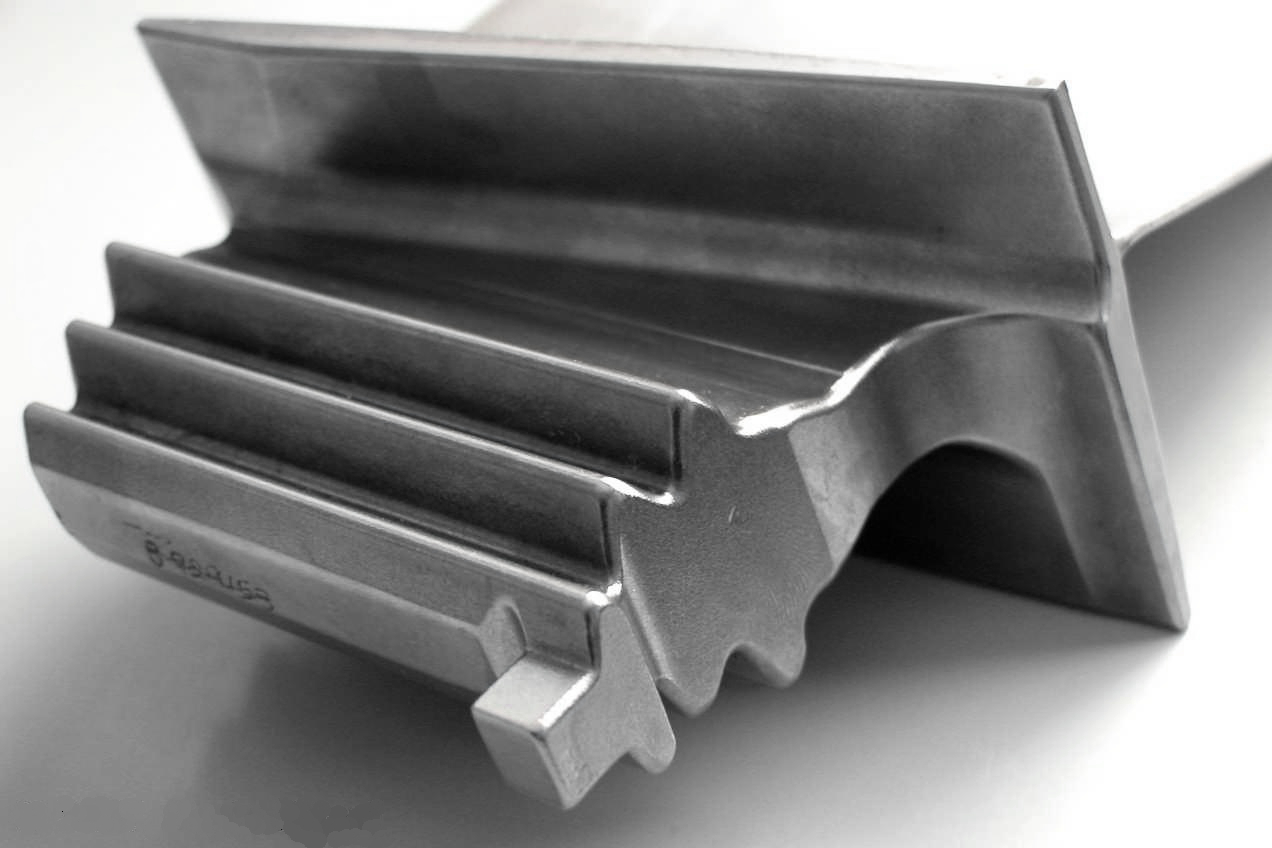
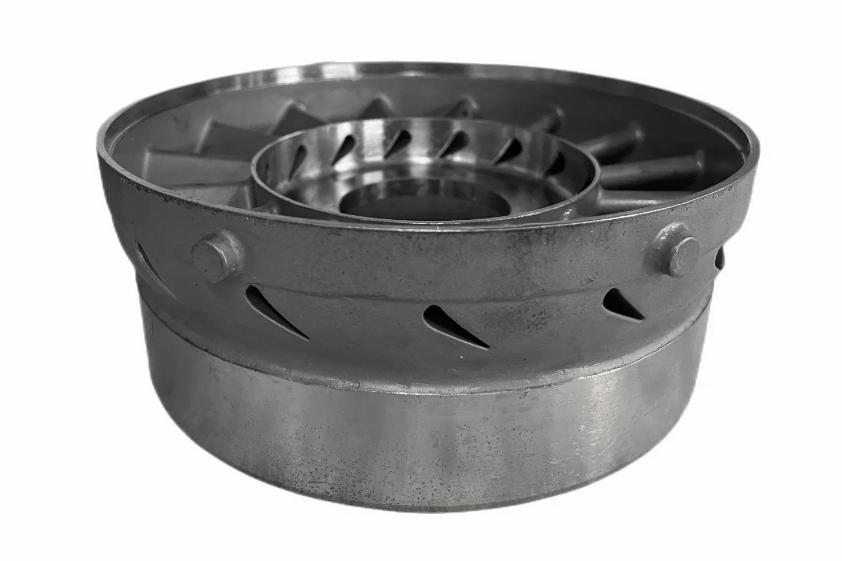
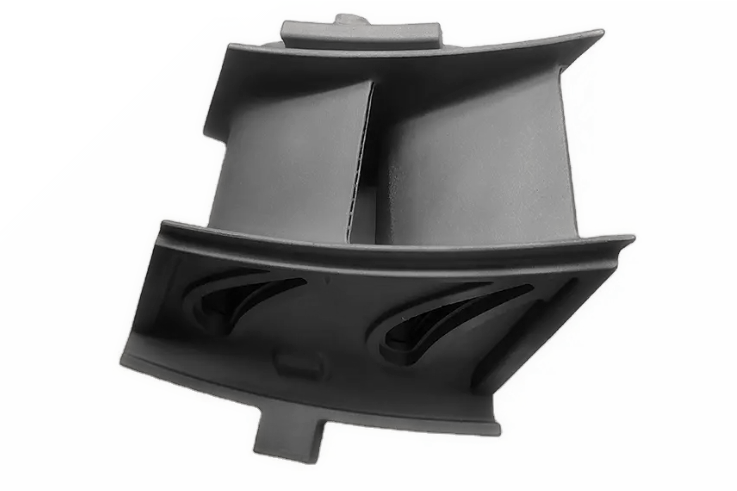
تمثل سبائك الخارقة أحادية البلورة من الجيل الأول الاختراق الأقدم في تقنية الصب أحادي البلورة، مما يتيح إنتاج ريش التوربينات ومكونات القسم الساخن بدون حدود حبيبية. ومن خلال القضاء على نقاط الضعف عند حدود الحبيبات، تحقق هذه السبائك تحسنًا كبيرًا في مقاومة الزحف وأداء الإجهاد الحراري وسلوك الأكسدة مقارنة بالسبائك متساوية الحبيبات أو المصلدة اتجاهيًا التقليدية. تحتوي مواد الجيل الأول أحادية البلورة عمومًا على عدم وجود رينيوم (خالية من الرينيوم) وتعتمد على تقوية متوازنة لـ γ/γ′، وتصلب المحلول الصلب (عبر الكروم والموليبدينوم والتنغستن)، وهياكل مجهرية مستقرة للأداء في درجات الحرارة المرتفعة. عند إنتاجها في بيئة الصب الدقيق بالفراغ التابعة لـ Neway AeroTech—باستخدام محددات حلزونية وتصلب متحكم به—توفر سبائك الجيل الأول أحادية البلورة استقرارًا ممتازًا في درجات الحرارة العالية، ودقة أبعاد، وهياكل مجهرية نظيفة، مما يجعلها مناسبة لريش التوربينات، والريش الثابتة، والفوهات، ومكونات التوربينات الغازية الصناعية عالية الأداء.
خيارات المواد البديلة
للحصول على قوة زحف أكبر ودرجات حرارة أعلى لدخول التوربين، توفر سبائك أحادية البلورة من الأجيال الثانية والثالثة والرابعة—المتاحة تحت هذه التسميات —زيادة في محتوى الرينيوم/التنتالوم لتعزيز الاستقرار. للتطبيقات ذات درجات الحرارة المعتدلة والتكلفة الأقل، قد تكون سبائك الخارقة ذات الصب متساوي الحبيبات أو الصب الاتجاهي أكثر ملاءمة. عندما تكون مقاومة الأكسدة أولوية أعلى من أداء الزحف، فإن سبائك الكوبالت من نوع Stellite الغنية بالكروم تقدم سلوك تآكل متفوق. للمكونات فائقة الخفة العاملة في درجات حرارة منخفضة، يمكن اختيار سبائك التيتانيوم مثل Ti-6Al-4V أو Ti-6Al-2Sn-4Zr-2Mo. للبيئات الكيميائية العدوانية، تعتبر سبائك Hastelloy أو Monel خيارات مناسبة.
المكافئ الدولي / الدرجة القابلة للمقارنة
البلد/المنطقة | الدرجة المكافئة / القابلة للمقارنة | العلامات التجارية المحددة | ملاحظات |
الولايات المتحدة الأمريكية | PWA 1480 | P&W PWA1480 | سبيكة ريش توربين أحادية البلورة كلاسيكية من الجيل الأول. |
الولايات المتحدة الأمريكية | René N4 | GE René N4 | سبيكة أحادية البلورة من الجيل الأول ذات مقاومة ممتازة للزحف. |
الاتحاد الأوروبي | SRR 99 | SRR 99 (Rolls-Royce) | سبيكة أحادية البلورة من الجيل الأول مستخدمة على نطاق واسع في محركات التوربينات الأوروبية. |
الصين | DD3 / DD6 (الإصدار المبكر) | سبائك أحادية البلورة محلية من الجيل الأول | تستخدم لتطوير ريش محركات الطائرات. |
ISO | سبائك خارقة قائمة على النيكل أحادية البلورة | سبائك ريش أحادية البلورة العالمية | تحديد متطلبات التركيب الكيميائي والخواص الميكانيكية. |
Neway AeroTech | سبيكة أحادية البلورة من الجيل الأول | محسنة للتصلب النظيف وهيكل γ′ المستقر. |
غرض التصميم
تم إنشاء سبائك أحادية البلورة من الجيل الأول للقضاء على حدود الحبيبات واستبدال المسبوكات متساوية الحبيبات في ريش التوربينات والريش الثابتة. غرضها الأساسي هو تقديم خواص ميكانيكية مستقرة في درجات الحرارة العالية، وتقليل تشوه الزحف، وتعزيز عمر الكسر بالزحف في مسارات الغاز الساخن. تعتمد هذه السبائك على محتويات متوازنة من γ′ وعناصر حرارية المقاومة (W, Mo, Ta) للحفاظ على الشكل والقوة أثناء التعرض الحراري طويل الأمد. ونظرًا لأنها لا تحتوي على الرينيوم، فإنها تقلل من الكثافة والتكلفة مع تجنب عدم استقرار الطور المرتبط بتكوين الرينيوم. تم تحسينها للقفزة الكبرى الأولى في قدرة درجة حرارة دخول التوربين، مما يجعلها مناسبة لمنصات الريش، والملفات الهوائية، وقنوات التبريد، ومكونات القسم الساخن لغرفة الاحتراق.
التركيب الكيميائي
العنصر | Ni | Cr | Co | Al | Ti | Mo | W | Ta | أخرى |
النموذجي (%) | الباقي | 8–12 | 5–10 | 4–6 | 2–4 | 1–2 | 3–6 | 2–5 | B, C, Hf (آثار) |
الخصائص الفيزيائية
الخاصية | القيمة |
الكثافة | ~8.2–8.4 جم/سم³ |
نطاق الانصهار | ~1320–1380°م |
التوصيل الحراري | ~8–12 واط/م·كلفن |
التوصيل الكهربائي | ~2–4% IACS |
التمدد الحراري | ~13–15 ميكرومتر/م·°م |
الخصائص الميكانيكية
قوة الشد (في درجة حرارة الغرفة) | ~900–1100 ميجا باسكال |
قوة الخضوع (في درجة حرارة الغرفة) | ~650–850 ميجا باسكال |
الاستطالة | ~3–6% |
القوة في درجات الحرارة العالية | موثوقة حتى ~950°م |
مقاومة الزحف | قوية في درجات الحرارة المتوسطة |
مقاومة الأكسدة | جيدة ولكنها محسنة في الأجيال اللاحقة |
الخصائص الرئيسية للمادة
تقضي على حدود الحبيبات، مما يمنع تلف الزحف والإجهاد المرتبط بانزلاق الحدود.
يضمن الهيكل المجهري المستقر لـ γ/γ′ أداءً موثوقًا في بيئات التوربينات الساخنة.
خصائص كسر بالزحف ممتازة لمتطلبات ريش التوربينات عالية الحرارة المبكرة.
مقاومة جيدة للأكسدة لنظام زحف الجيل الأول.
مقاومة عالية للإجهاد الحراري بسبب عدم وجود انقطاعات في حدود الحبيبات.
متوافقة مع المعالجة الحرارية المتقدمة لاستقرار توزيع γ′.
قابلية صب عالية واستقرار تصلب في عمليات الصب أحادي البلورة.
كثافة أقل من الأجيال اللاحقة المحتوية على الرينيوم، مما يحسن الكفاءة الدورانية.
استقرار طوري جيد تحت الحمل الحراري طويل الأمد.
سبيكة أساسية مناسبة للتوربينات الصناعية وتطبيقات محركات الطائرات من الجيل الأول.
القدرة على التصنيع وما بعد المعالجة
يضمن الصب أحادي البلورة باستخدام محددات حلزونية أو بذرية توجيه حبيبات خالي من العيوب.
يعتبر الصب بالفراغ أمرًا حاسمًا في منع الأكسدة والتلوث.
يتحكم التصلب الاتجاهي في معدل السحب لإنتاج توجيه موحد [001].
تعزز كثافة HIP سلامة الهيكل المجهري للمكونات الحرجة للطيران.
تعمل المعالجة الحرارية على تنقية توزيع γ′ وتحسين أداء الزحف.
ينتج التشغيل الآلي CNC تفاوتات ضيقة لجذور الريش والمنصات والأسطح الهوائية.
يتيح التفريغ الكهربائي (EDM) تكوين ثقوب التبريد بدقة.
يزيد القذف بالرصاص (Shot peening) من مقاومة الإجهاد حيث يسمح التصميم بذلك.
يضمن اختبار وتحليل المواد السلامة المعدنية والميكانيكية.
تحسن الطلاءات مثل TBC من أداء الأكسدة والإجهاد الحراري.
المعالجات السطحية المناسبة
طلاءات الحاجز الحراري (TBC) لريش التوربينات والريش الثابتة.
طلاءات الألومينا بالانتشار لتعزيز مقاومة الأكسدة.
القذف بالرصاص لتحسين أداء الإجهاد.
الحفر بالليزر والتشطيب لقنوات التبريد.
التلميع والطحن لأسطح الملفات الهوائية.
الفحص المعدني عبر الاختبار والتحليل.
الصناعات والتطبيقات الشائعة
الفضاء والطيران: ريش التوربينات، الريش الثابتة، الفوهات، مكونات القسم الساخن لغرفة الاحتراق.
توليد الطاقة: ريش التوربينات الغازية والأجزاء الدوارة عالية الحرارة.
أنظمة الطاقة: المكونات الهيكلية عالية الحرارة التي تتطلب استقرارًا طويل الأمد.
توربينات البحرية العاملة تحت دورات عالية الحرارة متغيرة.
الدفاع: مكونات القسم الساخن لأنظمة الدفع.
التوربينات الغازية الصناعية حيث تتطلب ريشًا عالية الحرارة فعالة من حيث التكلفة.
متى تختار هذه المادة
ريش التوربينات عالية الحرارة: مناسبة حتى ~950°م لأنظمة أداء الجيل الأول.
عندما تحد حدود الحبيبات من الأداء: مثالية للقضاء على تلف الزحف والإجهاد.
تصاميم التوربينات الحساسة للتكلفة: توفر أداءً قويًا بدون إضافات الرينيوم باهظة الثمن.
التطبيقات التي تتطلب هيكل γ′ مستقر: ممتازة للتعرض الحراري طويل الأمد.
الملفات الهوائية ذات الجدران الرقيقة وقنوات التبريد المعقدة: مثالية لحرية تصميم الصب أحادي البلورة.
التوربينات الغازية الصناعية: نسبة متوازنة بين التكلفة والأداء لتوليد الطاقة.
أنظمة الزحف المعتدلة: مناسبة لمراحل القسم الساخن المبكرة.
عندما يكون سلوك الأكسدة مهمًا: تعمل بشكل جيد لمتطلبات سبائك الجيل الأول.
استكشف المدونات ذات الصلة