
Custom Investment Casting Compressor Accessories
Introduction
Custom investment casting is critical for producing precision compressor accessories requiring high dimensional accuracy (±0.05 mm) and excellent surface finishes (Ra ≤3.2 µm). At Neway AeroTech, we specialize in manufacturing bespoke compressor accessories utilizing advanced techniques, including vacuum investment casting and sophisticated post-processing, to meet stringent requirements in industries such as aerospace, oil and gas, and power generation.
Our customized solutions deliver components with superior mechanical properties, corrosion resistance, and longevity in high-pressure (up to 70 MPa) and high-temperature (up to 700°C) operational environments.
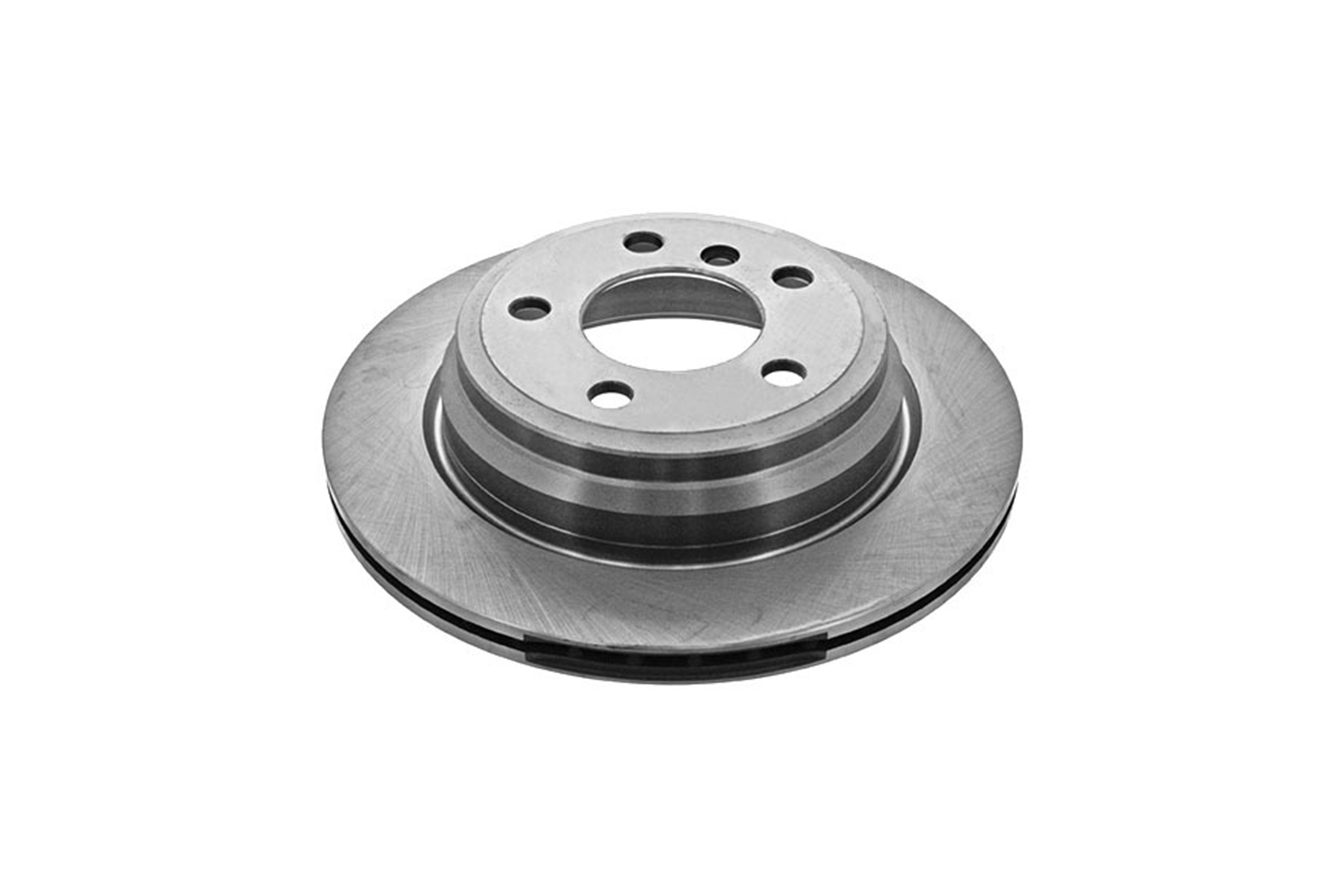
Core Technology of Custom Investment Casting
Precision Wax Pattern Creation: Highly accurate wax patterns are produced via precision injection molding, ensuring repeatable tolerances within ±0.03 mm.
Ceramic Mold Construction: Patterns are coated in multiple layers of ceramic slurry, forming robust shell molds up to 10–15 mm thick, enhancing casting integrity.
Dewaxing and Mold Preparation: Ceramic molds are heated gradually to approximately 250°C, removing wax without deformation and preserving mold accuracy.
Vacuum Investment Casting: Alloy molten metal (1450–1650°C) poured under vacuum conditions (≤0.01 MPa oxygen) to eliminate oxidation and impurities, ensuring defect-free components.
Post-Casting Processing: Ceramic shells are removed mechanically, castings undergo precision cleaning, heat treatment, and finishing to attain surface roughness ≤Ra 3.2 µm.
Advanced Heat Treatment: Components receive tailored heat treatment processes, including annealing (900–1050°C), solution treatment, and aging, optimizing mechanical properties.
Material Characteristics for Compressor Accessories
Property | Specification |
|---|---|
Typical Materials | Stainless steels, nickel-based alloys (Inconel 718, Inconel 625), titanium alloys (Ti-6Al-4V) |
Tensile Strength | 900–1450 MPa |
Yield Strength | ≥750 MPa |
Corrosion Resistance | Excellent, especially in harsh, corrosive environments |
Operating Temperature | Up to 700°C |
Pressure Rating | Up to 70 MPa |
Dimensional Accuracy | ±0.05 mm |
Surface Finish | Ra ≤3.2 µm |
Case Study: Custom Investment Casting Compressor Accessories
Project Background
A leading global manufacturer of industrial compressors required custom-engineered accessories for enhanced operational reliability in critical gas compression applications. Key requirements included exceptional corrosion resistance, high fatigue strength, precise dimensions, and superior surface quality.
Common Compressor Accessory Types and Applications
Impellers: High-performance impellers with intricate geometries, delivering efficient gas flow in compressors operating above 50 MPa pressure.
Guide Vanes: Precision-cast vanes to precisely control airflow dynamics in aerospace and industrial gas compressors at temperatures exceeding 650°C.
Compressor Housings: Robust and dimensionally accurate housings ensuring leak-proof operation under high mechanical stress environments.
Valve Components: Reliable valve plates and seats engineered for maximum durability and tight sealing performance in demanding gas compression conditions.
Selection and Structural Features of Compressor Accessories
Selected materials, such as Inconel 718 and Ti-6Al-4V, provided optimal high-temperature strength, fatigue resistance, and corrosion protection. Component designs included reinforced stress points, optimized aerodynamic shapes, and minimized internal turbulence for improved performance.
Compressor Accessories Manufacturing Solution
Wax Pattern Injection: Precision injection achieves wax pattern dimensional accuracy within ±0.03 mm to ensure consistently high-quality castings.
Ceramic Shell Construction: Controlled layering (10–15 mm thickness) to ensure the mold withstands casting pressures without deformation or failure.
Vacuum-Assisted Casting: Vacuum casting at 1550°C minimizes internal defects and oxidation, producing components with less than 0.1% porosity.
Controlled Heat Treatment: Tailored heat treatment cycles at 1050°C optimize microstructure, tensile strengths (≥900 MPa), and fatigue properties.
Precision Machining: Advanced CNC machining processes guarantee dimensional tolerances within ±0.05 mm.
Surface Coating and Finishing: Surface treatments such as Thermal Barrier Coating (TBC) applied to improve thermal protection and extend component lifespan.
Non-Destructive Testing (NDT): Comprehensive radiographic (X-ray) and ultrasonic inspections confirm internal quality standards compliance.
Performance Testing: Components subjected to rigorous aerodynamic, mechanical, and cyclic fatigue testing to ensure reliability under actual operational conditions.
Core Manufacturing Challenges
Achieving stringent dimensional tolerances (±0.05 mm)
Ensuring minimal porosity levels (<0.1%) in high-performance alloys
Optimizing surface finishes (Ra ≤3.2 µm) for enhanced performance
Confirming high fatigue resistance and mechanical integrity through extensive testing
Results and Verification
Dimensional Accuracy Validation: Verified using Coordinate Measuring Machine (CMM), consistently meeting ±0.05 mm tolerance requirements.
Mechanical Property Testing: Tensile tests confirmed strengths between 900–1450 MPa, significantly surpassing project expectations.
Fatigue Life Certification: Fatigue testing validated a lifespan increase exceeding 25% compared to conventional casting methods.
Corrosion Resistance Verification: ASTM B117 salt spray testing confirmed superior corrosion resistance for extended operational reliability.
NDT Inspections: Comprehensive radiographic and ultrasonic testing assured internal defect-free status, meeting aerospace and industrial standards.
Surface Integrity Check: Verified surface roughness below Ra 3.2 µm, greatly reducing aerodynamic drag and improving compressor efficiency.
FAQs
What materials are typically used for investment-cast compressor accessories?
How accurate are Neway AeroTech’s dimensional tolerances for compressor components?
What methods ensure defect-free compressor accessories during investment casting?
Can Neway AeroTech handle specialized aerospace and industrial compressor component requirements?
What testing and quality assurance processes does Neway AeroTech perform on compressor accessories?
