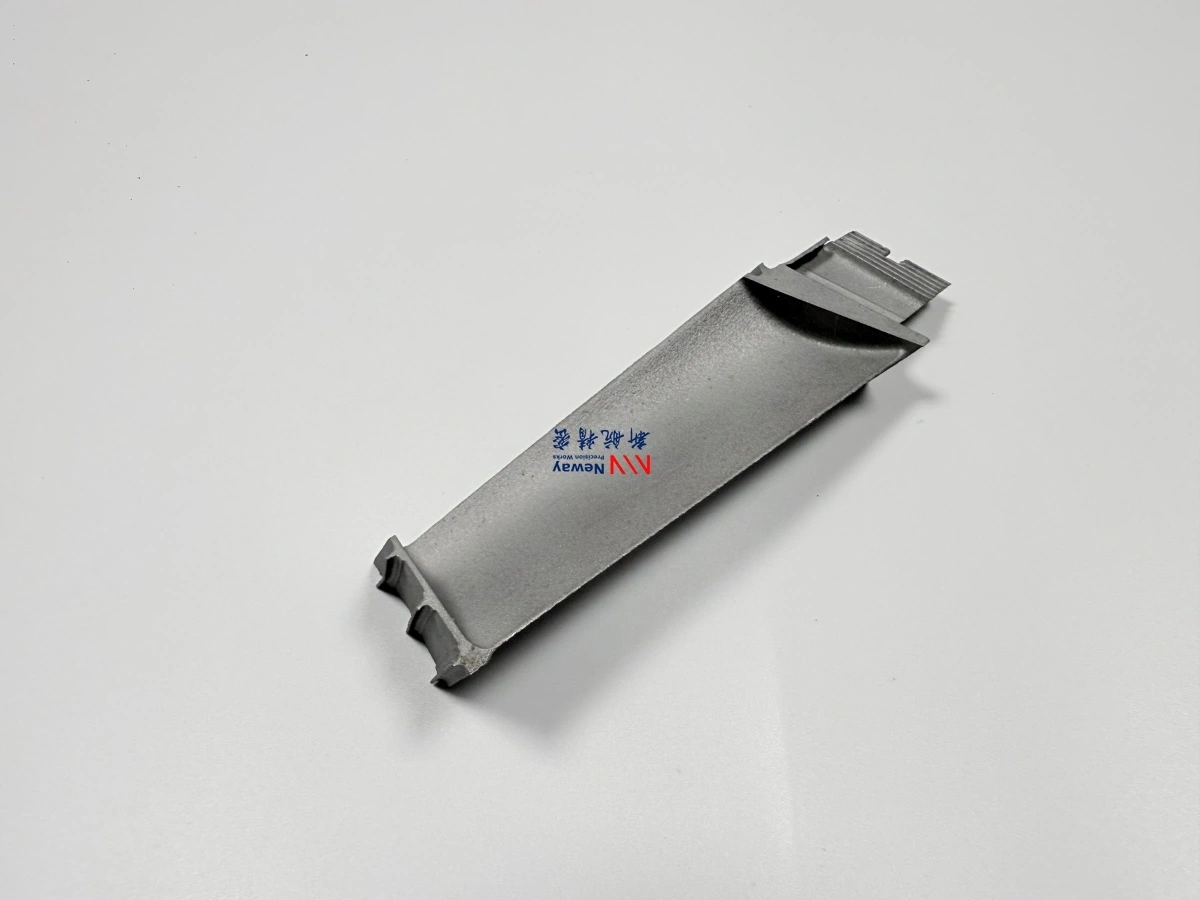
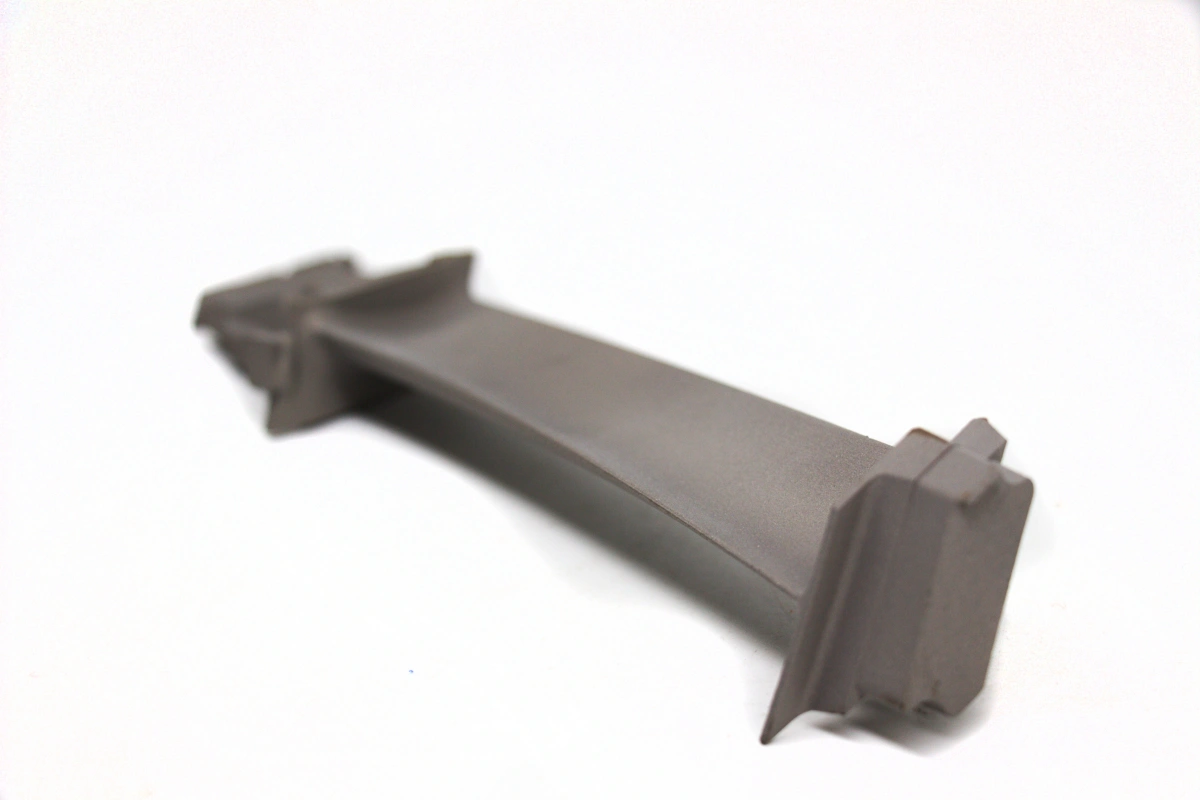
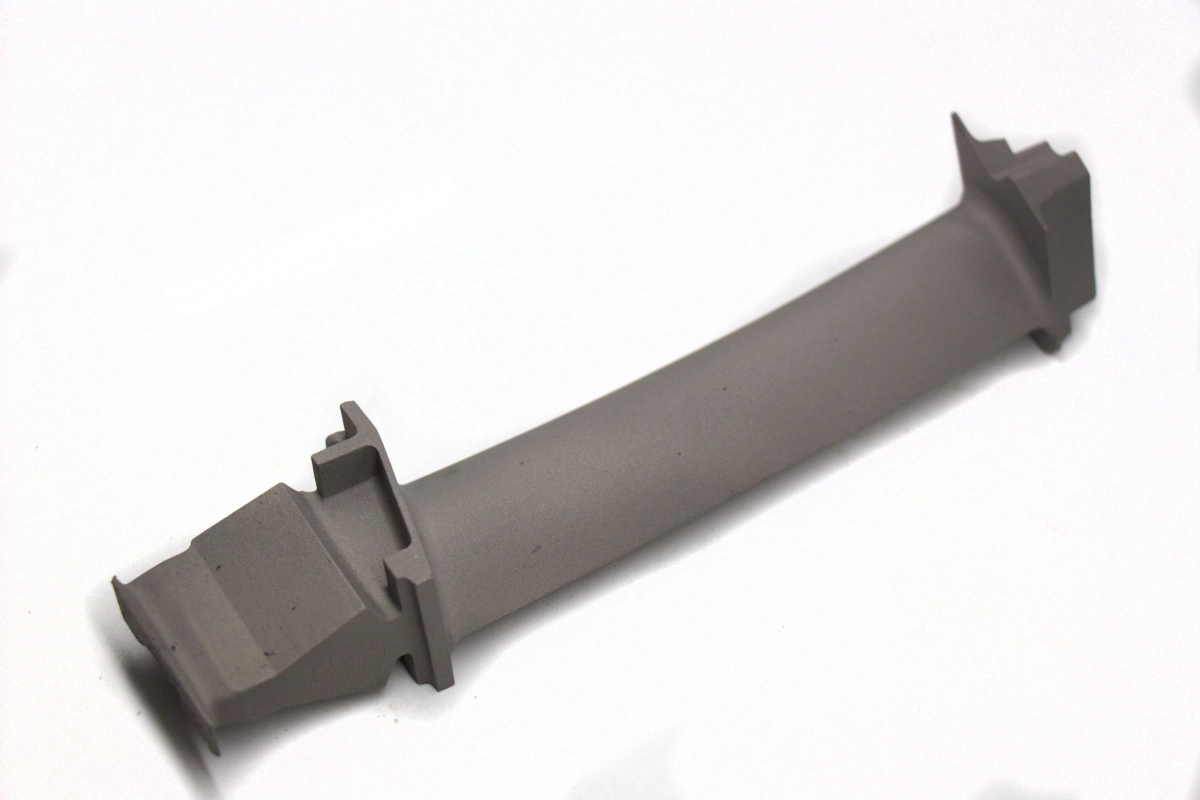
What post-processes are needed after casting 9F / 9FA turbine parts?
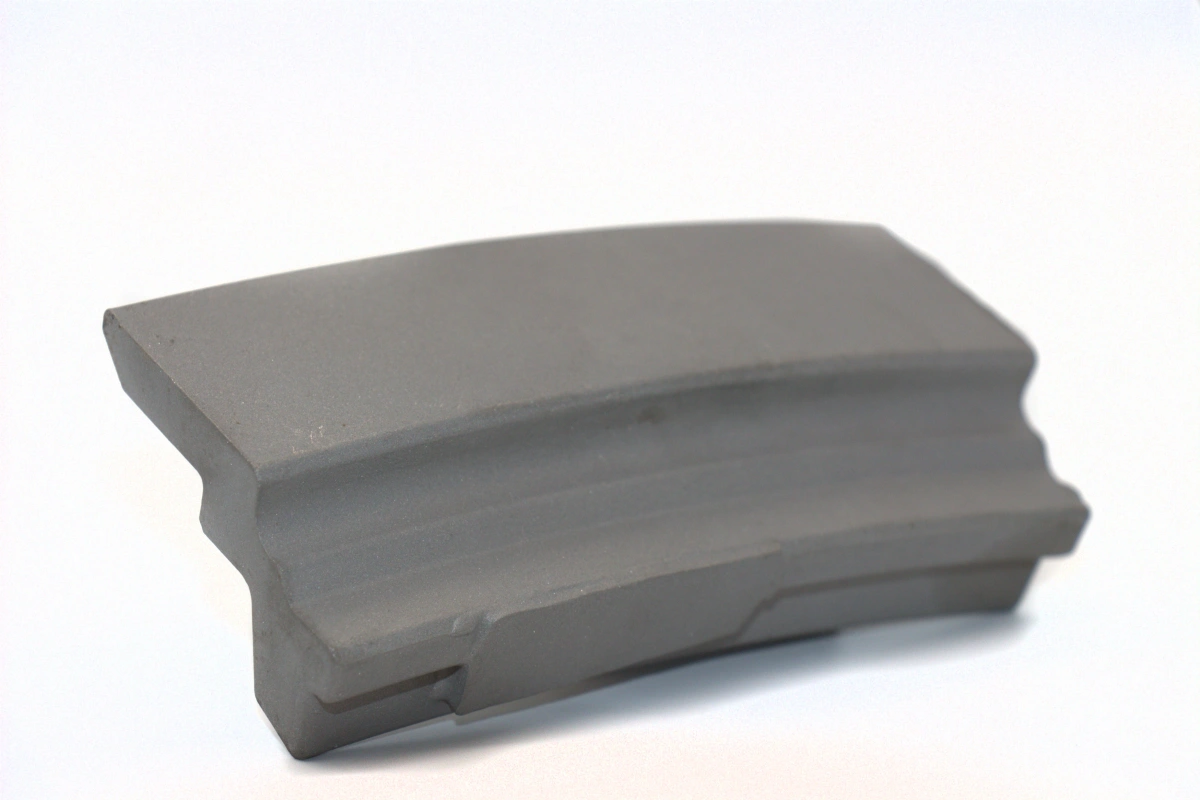
What post-processes are needed after casting 9F / 9FA turbine parts?
After casting 9F / 9FA turbine parts, the most important post-processes usually include heat treatment, Hot Isostatic Pressing (HIP), CNC machining, localized welding, protective thermal barrier coating, and full material testing and analysis. These steps are required because cast 9F / 9FA hot-section parts must meet demanding requirements for creep resistance, oxidation life, dimensional accuracy, surface integrity, and installation fit under service conditions that often place metal temperatures in the 850–1,050°C range.
1. Why Post-Processing Is Essential After Casting
A cast part is usually only a near-net-shape blank. Even when vacuum investment casting achieves good geometry and alloy quality, the part still needs thermal stabilization, dimensional finishing, defect control, and surface protection before it can be installed in a 9F / 9FA turbine. Without proper post-processing, common risks include residual stress, porosity, oxidation sensitivity, machining mismatch, coating failure, and early crack initiation during cyclic operation.
2. Main Post-Processes for 9F / 9FA Cast Turbine Parts
Post-Process | Main Purpose | Typical Benefit | Most Relevant Parts |
|---|---|---|---|
Heat treatment | Stabilize microstructure and relieve stress | Improves creep strength, thermal fatigue life, and dimensional stability | Blades, vanes, nozzle rings, combustor hardware |
HIP | Close internal porosity and improve density | Enhances fatigue resistance and structural reliability | Critical cast hot-section parts |
CNC machining | Achieve final tolerances and datum features | Ensures installation fit, flow-path accuracy, and interface control | All precision-fit turbine components |
Welding or blend repair | Restore local features or assemble sections | Supports repairability and edge-feature recovery | Combustion parts, transition hardware, repaired castings |
TBC or surface coating | Reduce substrate temperature and oxidation | Extends hot-section life in severe thermal zones | Blades, vanes, liners, transition components |
Inspection and testing | Verify chemistry, defects, dimensions, and structure | Reduces failure risk and supports release documentation | All production and repair parts |
3. Heat Treatment Is Usually the First Critical Step
For most cast 9F / 9FA turbine parts, heat treatment is needed immediately after casting cleanup because the as-cast microstructure is rarely optimal for long-term service. Controlled thermal cycles can homogenize segregated regions, improve precipitate distribution, and reduce residual stress from solidification. In practical terms, this means better creep life, lower distortion risk, and more stable mechanical behavior after repeated start-stop cycles.
This step is especially important for parts made from high-temperature casting alloys, where small microstructural differences can meaningfully affect life in the hottest zones.
4. HIP Is Often Required for Critical Hot-Section Integrity
For many critical 9F / 9FA castings, HIP is used after initial heat treatment or in a combined thermal route to reduce internal shrinkage porosity and improve density. This matters because even small internal voids can become crack-initiation points under fatigue and thermal stress. In heavy-duty gas turbine service, HIP can be particularly valuable for nozzle rings, vane segments, blades, and other cast parts that must maintain structural reliability across long inspection intervals.
In many programs, HIP is one of the main differences between a standard casting and a casting intended for higher-life turbine duty.
5. CNC Machining Converts the Casting into an Install-Ready Part
After thermal processing, finish machining is required to achieve final datums, attachment faces, bolt patterns, roots, shroud contacts, seal interfaces, and aerodynamic or flow-critical surfaces. Even an accurate cast blank usually cannot meet installation requirements without machining because 9F / 9FA parts often require precise profile control and fit relationships.
This is especially important for components such as nozzle rings, vane segments, and blade attachment zones, where even a small dimensional shift can affect assembly, sealing, or gas-path performance. For some features, additional steps like deep hole drilling or EDM may also be needed when the geometry includes fine holes, hard-to-access channels, or intricate profiles.
6. Surface Protection Is Needed for Hotter Service Zones
Many 9F / 9FA turbine castings require coating after machining and inspection because the base alloy alone may not provide enough oxidation or thermal protection in the most severe zones. A thermal barrier coating system can reduce the metal temperature by tens of degrees and slow the oxidation rate, which can significantly improve service life in turbine blades, vanes, and other exposed parts.
Where coating is specified, surface preparation quality becomes critical. If the substrate is not properly heat treated, cleaned, and dimensionally controlled before coating, adhesion and coating life can be compromised.
7. Inspection Is a Required Post-Process, Not an Optional Extra
After casting and every major post-process stage, verification is needed to confirm that the part still meets requirements. Depending on the part type, this may include chemistry analysis, X-ray, CT, metallographic microscopy, SEM review, CMM inspection, and mechanical testing. For 9F / 9FA hardware, inspection is usually part of the process route itself rather than a final add-on step.
Inspection Focus | Typical Objective |
|---|---|
Chemical verification | Confirm alloy composition and trace-element control |
Internal defect inspection | Detect porosity, shrinkage, or hidden discontinuities |
Dimensional inspection | Verify machining accuracy and fit-up geometry |
Microstructure review | Confirm heat treatment effectiveness and structural condition |
Coating evaluation | Check thickness, adhesion, and condition before release |
8. Typical Post-Process Route by Part Category
Part Category | Typical Post-Process Route |
|---|---|
Blades and vanes | Heat treatment → HIP → finish machining → coating → full inspection |
Nozzle rings | Heat treatment → machining → local weld or blend work if needed → inspection |
Combustion cast structures | Stress relief → machining → weld finishing → coating if required → inspection |
Seal segments and shrouds | Heat treatment → machining → surface treatment → dimensional validation |
9. Summary
In summary, the key post-processes needed after casting 9F / 9FA turbine parts are heat treatment, HIP where required, precision machining, localized welding, coating, and structured inspection. These steps transform a cast near-net-shape blank into a service-ready hot-section component with the strength, accuracy, oxidation resistance, and traceability required for gas turbine duty. For related references, see post-process support, post-process benefits, and gas turbine manufacturing.