What Is NGV2 in a UAV Turbojet or Turbofan Engine?
What Is NGV2 in a UAV Turbojet or Turbofan Engine?
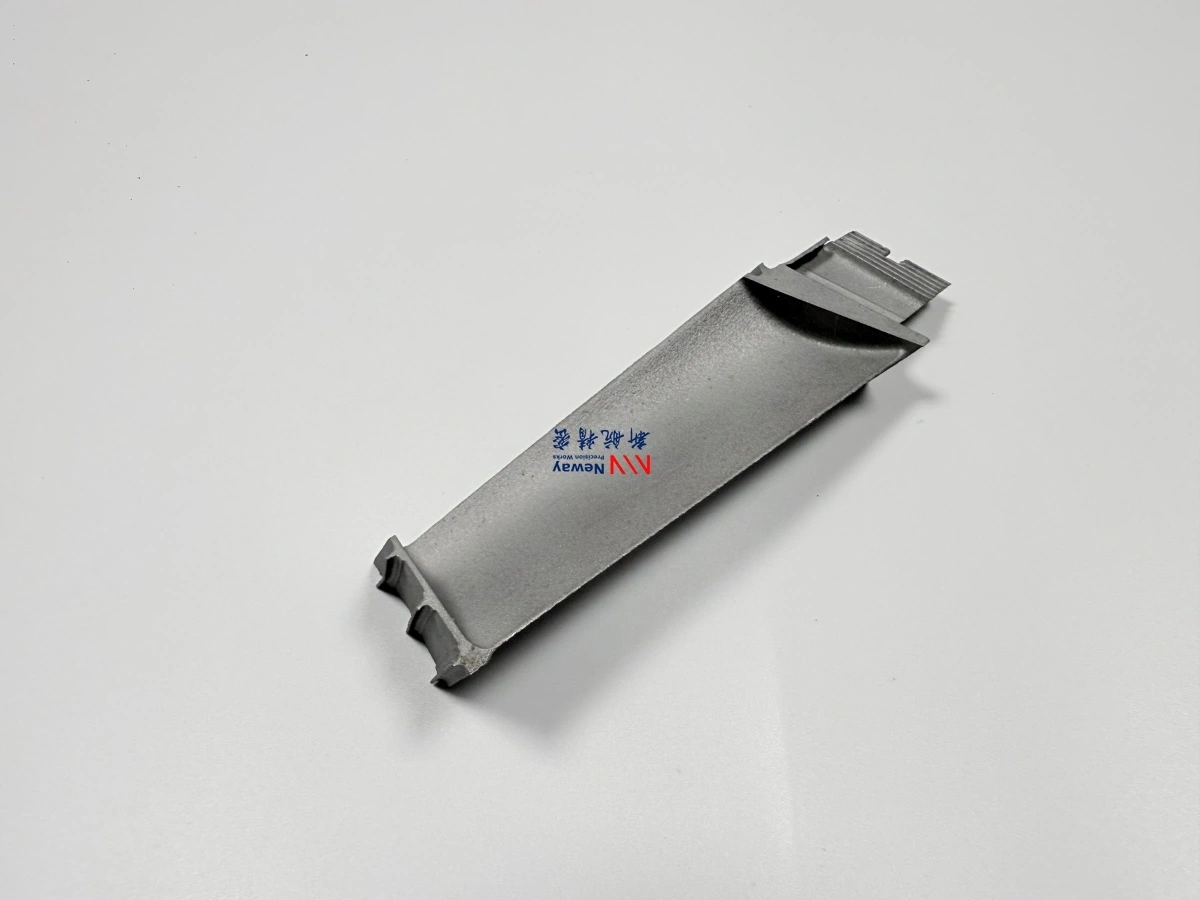
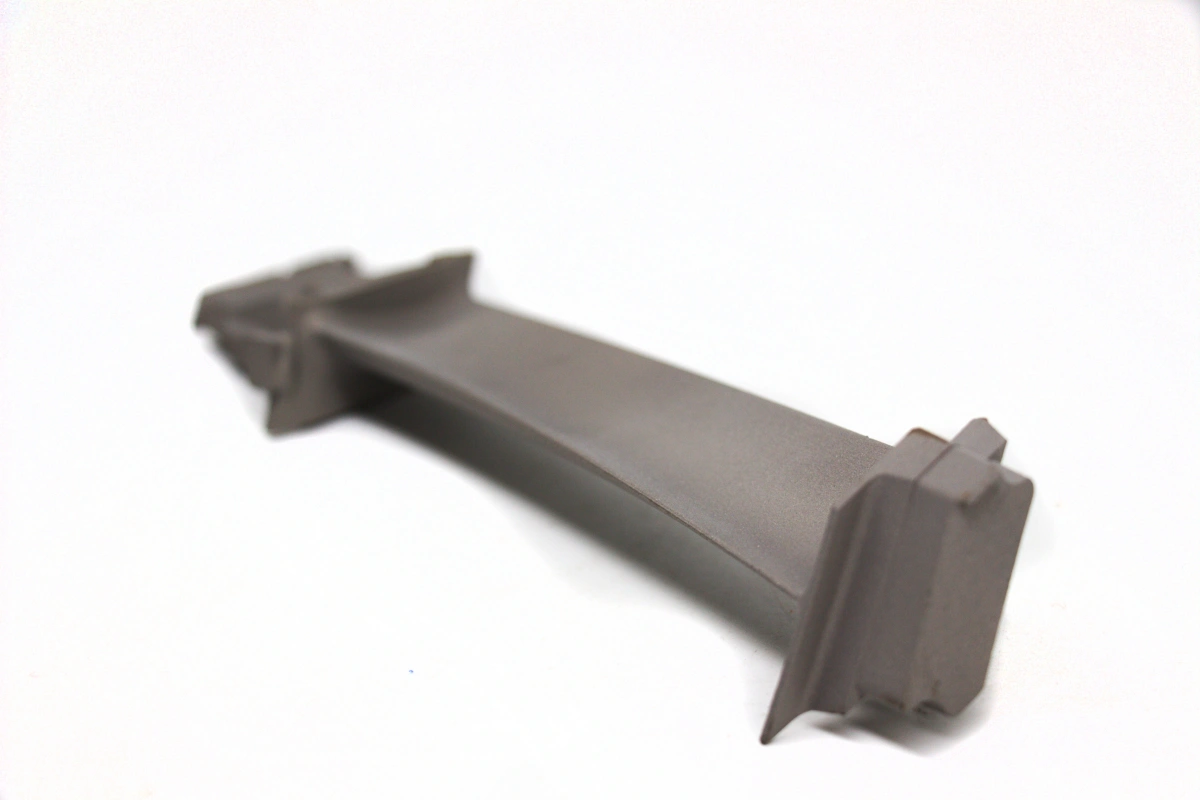
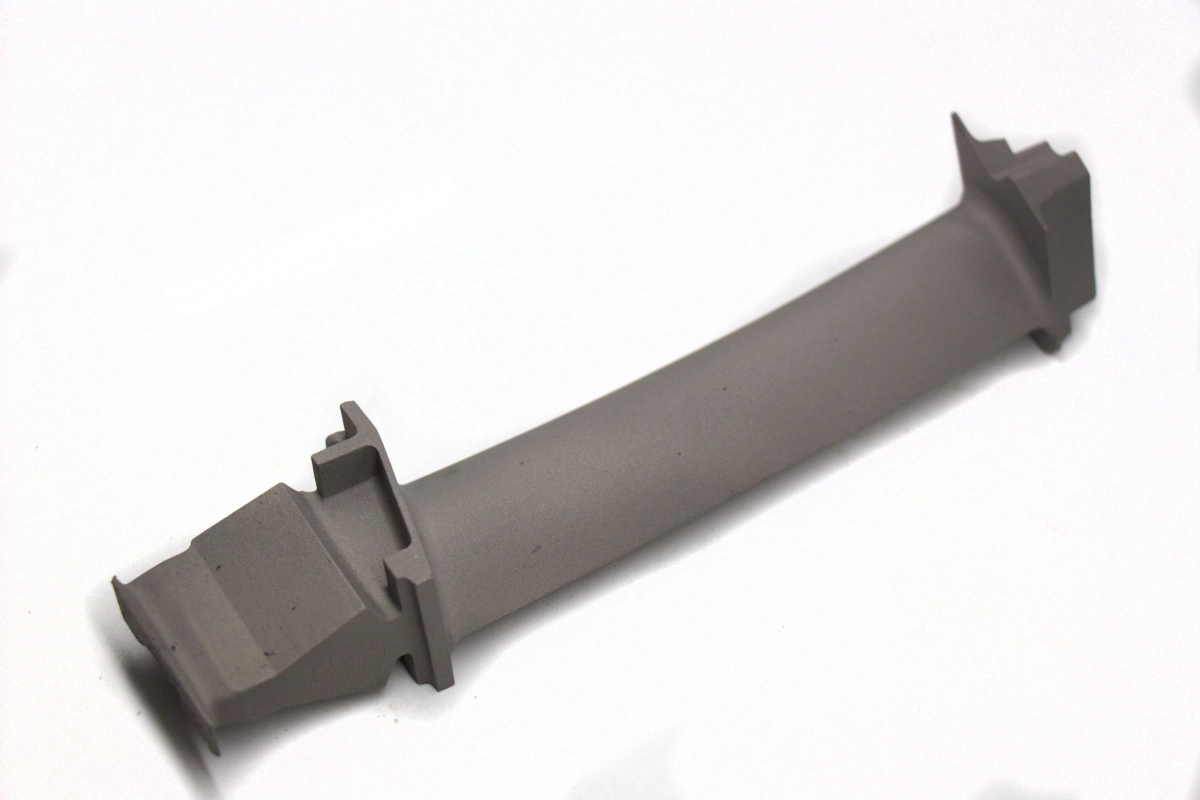
NGV2 usually means Nozzle Guide Vane Stage 2, or second-stage nozzle guide vane, in a turbojet or turbofan engine. It is a stationary hot-section component that guides high-temperature combustion gas into the next turbine rotor stage at the correct angle, velocity, and flow distribution.
In UAV turbojet, UCAV turbofan, and small aero engine applications, NGV2 components must operate in hot gas, high-speed flow, thermal cycling, vibration, and tight aerodynamic clearance conditions. Because of these requirements, NGV2 parts are commonly produced from high-temperature Superalloys or Inconel alloy materials through precision casting, CNC machining, and strict inspection.
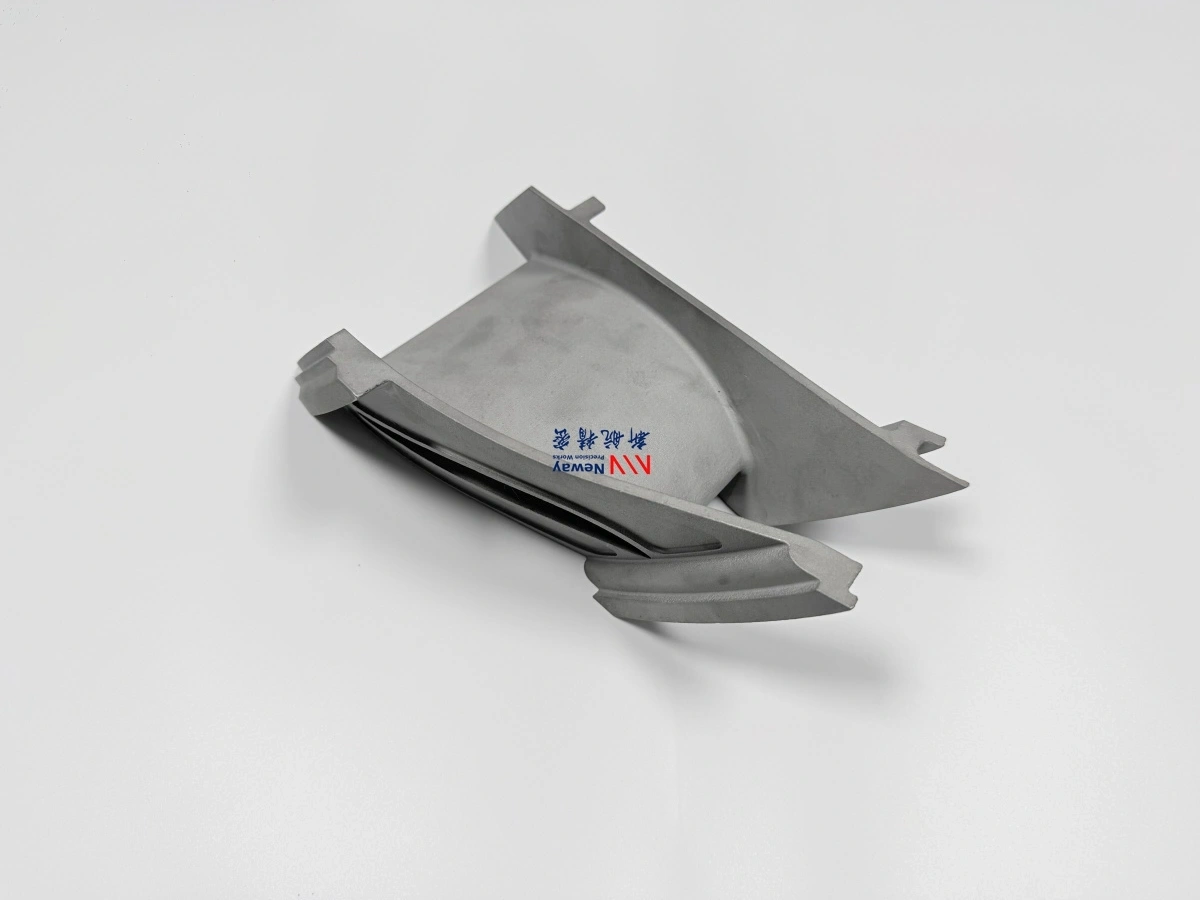
1. Direct Answer: What Is NGV2?
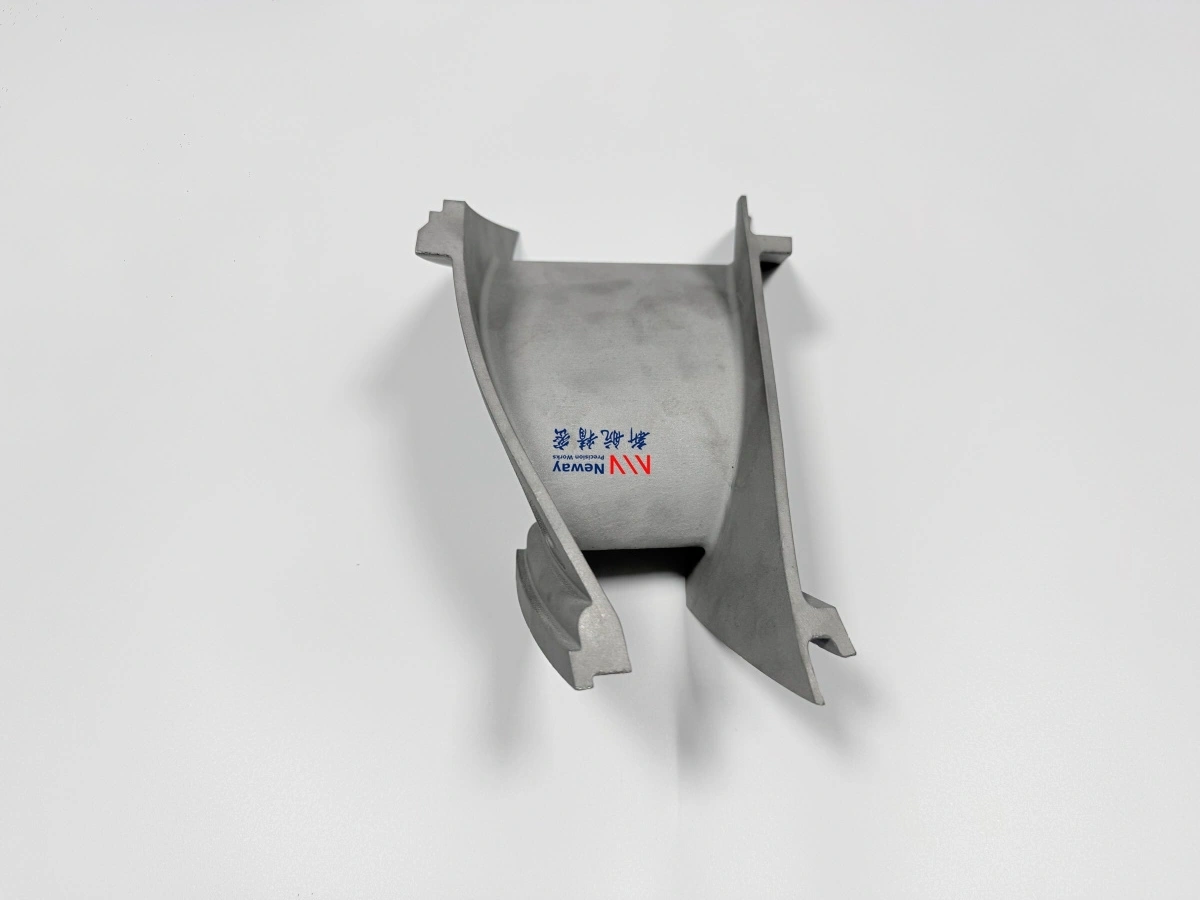
NGV2 is a second-stage nozzle guide vane used in the turbine section of a turbojet or turbofan engine. Unlike a rotating turbine blade, NGV2 is a stationary vane component. Its main role is to direct hot gas from the previous turbine stage toward the next rotor stage with controlled flow angle, pressure distribution, and velocity.
Item | Explanation | Why It Matters |
|---|---|---|
NGV2 | Nozzle Guide Vane Stage 2 or second-stage nozzle guide vane. | Defines the part position and function in the turbine hot section. |
Component type | Stationary hot-section vane. | Controls gas flow rather than rotating with the shaft. |
Main function | Guides high-temperature gas into the next turbine rotor. | Improves turbine efficiency, flow stability, and stage performance. |
Typical engine type | Small turbojet, turbofan, UAV engine, UCAV engine, or compact turbine system. | Requires lightweight, heat-resistant, and dimensionally accurate manufacturing. |
Typical manufacturing route | Precision casting, CNC machining, EDM where required, and inspection. | Controls vane profile, throat area, datum surfaces, and installation features. |
2. Where Is NGV2 Used in UAV and UCAV Engines?
NGV2 is used in the turbine hot section of UAV turbojet engines, UCAV turbofan engines, small aero engines, and compact turbine power systems. These engines may have multiple turbine stages depending on thrust level, pressure ratio, turbine layout, and overall engine architecture.
In small aero engines, NGV2 is usually part of a compact and highly loaded turbine system. The component must maintain its aerodynamic shape and installation accuracy while exposed to hot combustion gas, fast temperature changes, and engine vibration.
Engine Application | NGV2 Role | Manufacturing Challenge |
|---|---|---|
UAV turbojet engine | Guides hot gas between turbine stages in a compact engine layout. | Small size, thin vanes, tight throat area, and heat-resistant material. |
UCAV turbofan engine | Supports stable turbine flow in a higher-performance propulsion system. | Aerodynamic accuracy, repeatability, and high-temperature durability. |
Small aero engine | Controls second-stage turbine inlet flow direction. | Complex vane geometry, casting deformation, and precision machining. |
Experimental turbine system | Supports prototype validation and engine development testing. | Fast iteration, manufacturability feedback, and inspection-based improvement. |
3. Where Is NGV2 Positioned in the Engine?
NGV2 is positioned in the turbine section, usually around the second turbine stage or between turbine rotor stages depending on the engine design. Its exact position depends on whether the engine is a single-spool turbojet, multi-stage turbine, small turbofan, or special UAV propulsion system.
In general, nozzle guide vanes are placed before a turbine rotor to guide hot gas into the rotating blades. NGV2 therefore refers to the guide vane stage associated with the second turbine stage or second nozzle guide vane function. It must align accurately with adjacent stator, rotor, casing, and sealing features.
Engine Area | NGV2 Relationship | Important Control Point |
|---|---|---|
Combustor exit / turbine inlet | Upstream gas energy is converted through turbine stages. | Gas temperature, pressure, and flow uniformity. |
First turbine stage | Gas first passes through upstream vane and rotor features. | Flow direction and stage loading. |
Second turbine stage | NGV2 directs gas into the next rotor stage. | Vane angle, throat area, and profile accuracy. |
Casing and support features | NGV2 must fit with engine housing, mounting surfaces, and adjacent parts. | Datum control, concentricity, and assembly fit. |
4. What Is the Main Function of NGV2?
The main function of NGV2 is to control the direction and velocity of hot gas entering the next turbine rotor. By guiding the flow correctly, NGV2 helps improve turbine efficiency, reduce flow separation, stabilize downstream rotor operation, and maintain predictable engine performance.
For UAV turbojet and turbofan engines, NGV2 geometry has a direct influence on gas-path efficiency. Vane profile, trailing edge thickness, throat area, surface finish, and relative position to adjacent rotor blades can all affect thrust, fuel efficiency, vibration behavior, and thermal load distribution.
NGV2 Function | Engineering Purpose | Manufacturing Requirement |
|---|---|---|
Gas flow guidance | Directs hot gas into the next rotor at the correct angle. | Accurate vane profile and angular position. |
Velocity control | Helps convert pressure and thermal energy into useful turbine work. | Controlled throat area and passage consistency. |
Flow stability | Reduces flow separation, turbulence, and uneven rotor loading. | Smooth airfoil surfaces and repeatable vane spacing. |
Thermal protection | Maintains structure under hot gas and thermal cycling. | High-temperature alloy, heat treatment, and defect control. |
Assembly positioning | Maintains alignment with casing, rotor, and adjacent stator features. | CNC-machined datums, mounting faces, and inspection control. |
5. Why Does NGV2 Require Superalloy Materials?
NGV2 requires superalloy materials because it operates in a turbine hot-section environment with high temperature, oxidation, thermal fatigue, vibration, and gas erosion. Ordinary stainless steel or low-temperature alloys are usually not suitable for long-term NGV2 service in UAV turbojet or turbofan engines.
Nickel-based alloys such as Inconel 713LC, Inconel 738LC, or other cast superalloys may be considered depending on the engine temperature, strength requirement, casting geometry, and customer specification. Material selection should be based on operating temperature, expected life, thermal cycling, oxidation risk, and whether the component is for prototype validation or production use.
6. How Is NGV2 Manufactured?
NGV2 components are commonly manufactured through Vacuum Investment Castings followed by CNC machining and inspection. Vacuum investment casting forms the complex vane geometry, inner and outer ring features, airfoil passages, and near-net hot-section structure. CNC machining then controls mounting surfaces, datums, holes, edges, and assembly-critical features.
For small aero engine NGV2 components, casting and machining must be planned together. Casting controls the basic airfoil shape and near-net structure, while Superalloy CNC Machining controls final fit, sealing surfaces, datum references, and dimensional repeatability.
Manufacturing Step | Purpose | Key Control Point |
|---|---|---|
Material selection | Confirms the alloy can withstand hot-section conditions. | Temperature, oxidation resistance, creep resistance, and customer standard. |
Wax pattern and tooling | Forms the near-net NGV2 geometry before casting. | Airfoil profile, passage width, shrinkage allowance, and repeatability. |
Vacuum investment casting | Produces the superalloy NGV2 casting blank. | Porosity, shrinkage, cracks, deformation, and surface condition. |
Heat treatment | Supports material stability and high-temperature performance where required. | Material-specific thermal cycle and batch documentation. |
CNC machining | Finishes mounting features, datums, sealing surfaces, and local details. | Fixture design, datum alignment, tolerance control, and burr control. |
Inspection | Verifies geometry, airfoil profile, throat area, and defect condition. | CMM, 3D scanning, visual inspection, FPI, X-ray, or CT where required. |
7. What Are the Main Manufacturing Requirements for NGV2?
The main manufacturing requirements for NGV2 include high-temperature alloy control, accurate airfoil geometry, stable throat area, controlled casting defects, CNC-machined installation features, and strict inspection. Because NGV2 affects turbine flow performance, even small deviations in vane profile, throat width, or angular position can influence engine performance.
Requirement | Why It Matters | How It Is Controlled |
|---|---|---|
Airfoil profile accuracy | Controls gas flow direction and turbine efficiency. | Tooling compensation, casting inspection, 3D scanning, and profile measurement. |
Throat area control | Affects mass flow, pressure ratio, and turbine stage performance. | Dimensional inspection, passage measurement, and process feedback. |
Material integrity | Prevents premature cracking, oxidation, or deformation in hot-section service. | Material certificate, heat treatment, FPI, X-ray, CT, or metallurgical review. |
Datum and assembly fit | Ensures correct positioning relative to casing and rotor components. | CNC machining, fixture control, and CMM inspection. |
Surface condition | Influences flow loss, oxidation behavior, and coating readiness if required. | Casting surface control, finishing, blasting, polishing, or coating preparation. |
8. What Information Is Needed for an NGV2 RFQ?
For a custom NGV2 quotation, buyers should provide the engine model, part number, 3D CAD file, 2D drawing, material requirement, quantity, tolerance standard, surface finish requirement, heat treatment requirement, coating requirement, and inspection standard. If the part is being reverse engineered, old part photos, damaged samples, and 3D scan data can also support feasibility review.
RFQ Information | Recommended Input | Why It Matters |
|---|---|---|
Engine model | UAV turbojet, UCAV turbofan, small aero engine, or experimental turbine model. | Helps evaluate service temperature, size range, and functional requirements. |
Part number or stage | NGV2, second-stage nozzle guide vane, or specific part reference. | Clarifies the component position and assembly function. |
3D CAD file | STEP or X_T preferred for engineering review. | Supports casting, tooling, machining, and inspection planning. |
2D drawing | Tolerances, datums, material, surface finish, and inspection notes. | Defines acceptance standard and manufacturing control points. |
Material requirement | Inconel 713LC, Inconel 738LC, other superalloy, or approved equivalent. | Determines casting route, heat treatment, cost, and lead time. |
Quantity | Prototype, test batch, first article, or production quantity. | Affects tooling strategy, unit price, and production planning. |
Inspection requirement | CMM, 3D scanning, FPI, X-ray, CT, material report, FAI, or COC. | Defines quality-control scope and documentation package. |
9. Summary
NGV2 is a second-stage nozzle guide vane used in UAV turbojet, UCAV turbofan, and small aero engine turbine sections. It is a stationary hot-section component that guides high-temperature gas into the next turbine rotor, improving turbine efficiency, gas flow stability, and engine performance.
Because NGV2 components must operate under hot gas, oxidation, thermal cycling, and aerodynamic loading, they usually require superalloy materials, vacuum investment casting, CNC machining, and strict inspection. For a custom NGV2 manufacturer to evaluate feasibility and price accurately, buyers should provide the engine model, part number, CAD files, drawings, material specification, quantity, tolerances, surface finish, post-processing, and inspection requirements.