Can 2.5 mm Thin Walls Be Vacuum Cast in Hastelloy X?
A 2.5 mm Hastelloy X thin wall casts reliably in vacuum at a 900 °C shell and a 1420 °C pour under 5 Pa. That window keeps the metal liquid long enough to cross the thin section before the shell pulls the heat out. Below 1.5 mm the same window closes, and the route has to change.
What limits wall thickness in vacuum casting?
Wall thickness is limited by how quickly the thin section loses heat, not by the alloy on its own. Once liquid Hastelloy X (UNS N06002) touches the shell, a 2.5 mm section freezes in seconds, so every millimeter of flow length has to fill inside that time. Shell temperature, pour temperature and chamber pressure are the three levers that widen or close the window.
The wall also sets the inspection route. A thin section can be filled and still carry a cold shut that only radiography resolves, so the fill window and the acceptance level are chosen together rather than in sequence. A wall that cannot be inspected to the required level is not a wall that can be cast to it.
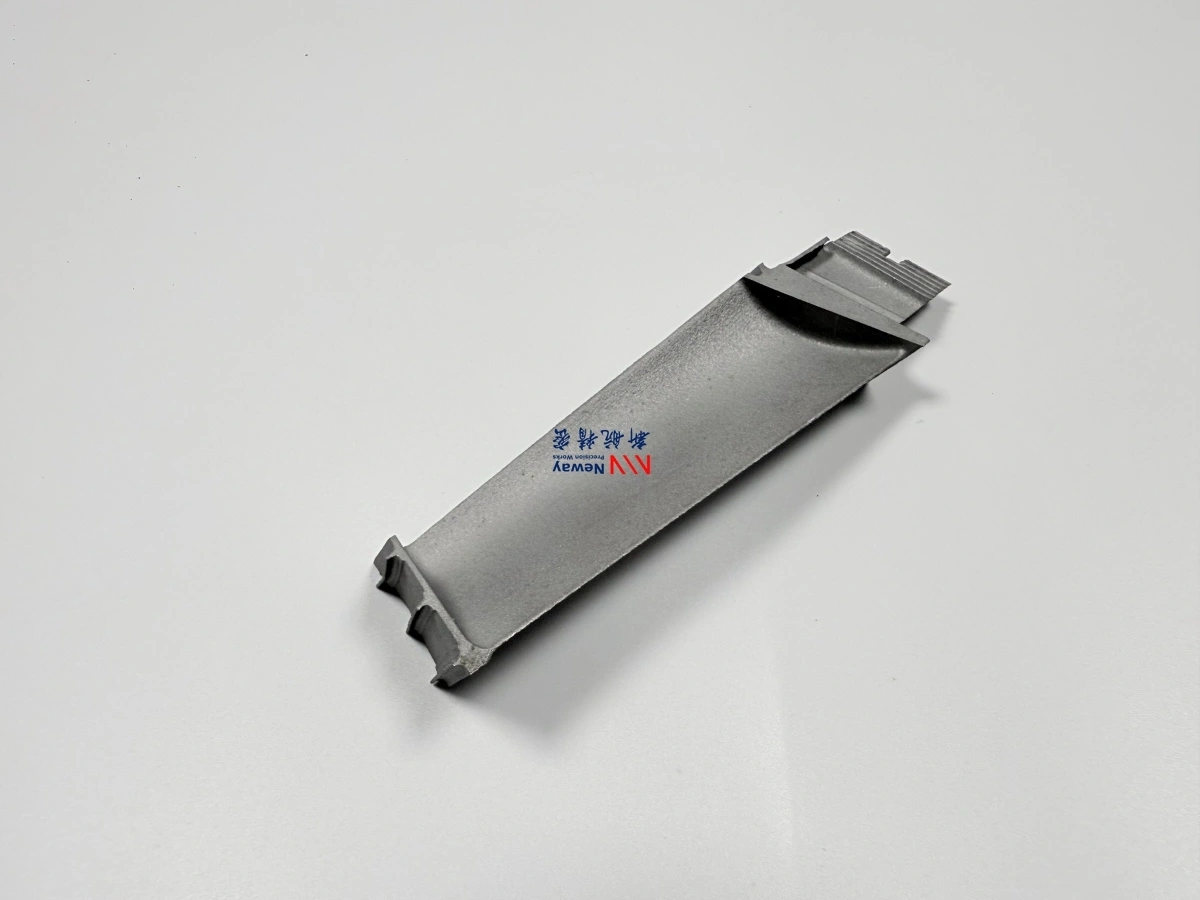
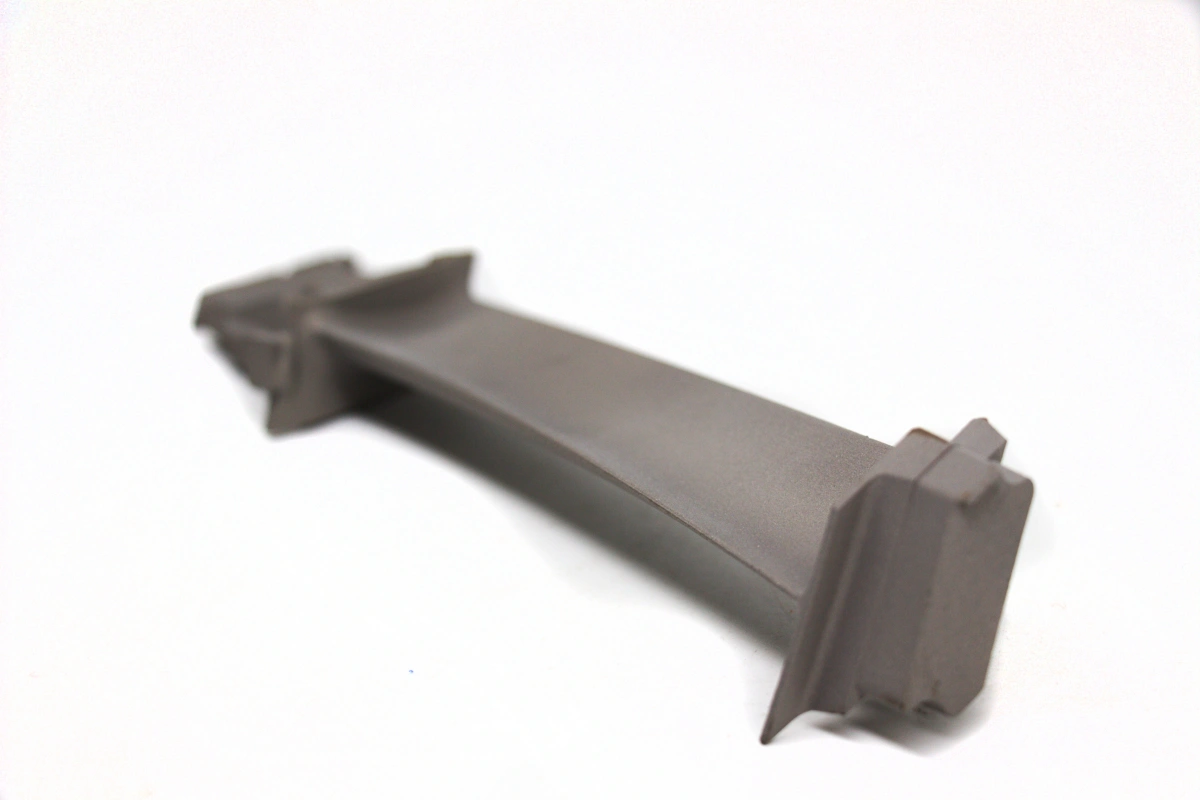
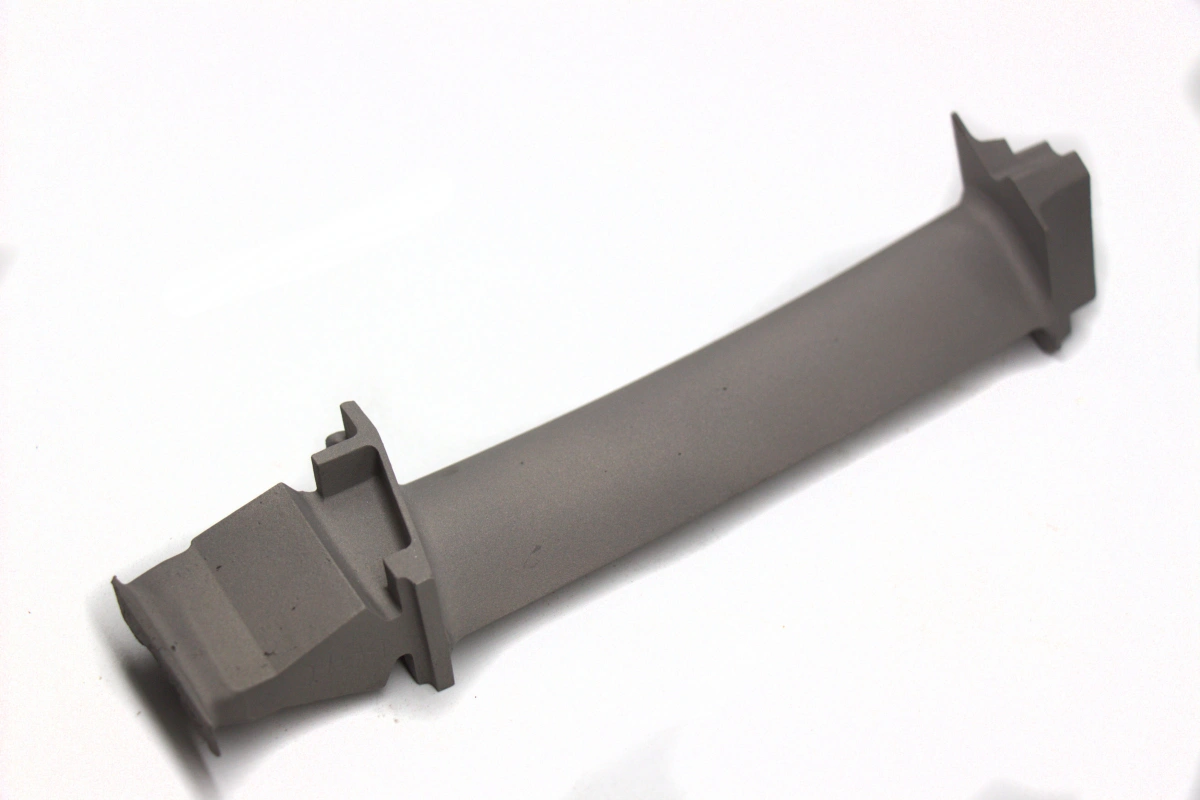
Numbers from this route make the limit concrete. A 2.5 mm wall on a 193 mm flow path fills at a 900 °C shell, a 1420 °C pour and 5 Pa; the same wall at 1.2 mm needs a hotter shell plus two extra in-gates to fill at all, and those gates then have to be cut away and blended back.
A 900 °C shell keeps metal moving through 2.5 mm
Shell preheat is the largest single lever. A cold shell freezes the front edge of the stream and a cold shut forms before the section fills. Holding the shell at 900 °C through transfer, pouring at 1420 ± 10 °C and keeping the chamber at 5 Pa or lower carries the stream across the flow path.
The shell is built for that window: two face layers of corundum and three backup layers of semi-mullite, dried at 22 °C and 50 % relative humidity for 8 hours per layer. A shell built this way holds its shape at 900 °C without cracking, which is what keeps the preheat usable at transfer. In-mold cooling for 60 minutes holds the casting until the flange sections stop moving.
The vacuum level matters as much as the temperature. A 5 Pa chamber pulls air out of the shell pores before the pour, so the metal does not fold gas into a 2.5 mm section where no feed path can reach it. Holding that window is a thermal problem as much as a pressure one; thermal regulation in high vacuum casting sets the shell, the chamber and the pour on one schedule.
Parameter | Value | Unit |
|---|---|---|
Wall thickness | 2.5 | mm |
Shell preheat | 900 | °C |
Pour temperature | 1420 ± 10 | °C |
Chamber vacuum | 5 or lower | Pa |
In-mold cooling | 60 | min |
Flange face stock | 1.0 | mm |
Hole diameter stock | 0.4 | mm |
How is a thin casting wall released for machining?
Radiography releases the wall before any cutting starts. Each casting is radiographed to ASTM E192 level 2 and penetrant tested to ASTM E165 on the as-cast surface; a wall that passes both leaves the foundry with the stock still on. The release point sits inside the wider Hastelloy alloy vacuum investment casting route, where shell and pour parameters are fixed before the first casting.
Stock is sized to the wall, not to the drawing envelope. Flange faces carry 1.0 mm and hole diameters carry 0.4 mm, which lets the machined wall finish at 2.2 mm or more after cleanup. A first 3D scan records the as-cast baseline before cutting, and a second scan closes the part after machining.
Below 1.5 mm, vacuum cast Hastelloy X thin walls misrun
Hastelloy X stops filling below roughly 1.5 mm on a long flow path, even with a 900 °C shell. The limit moves with the ratio of wall thickness to flow length, so a short 1.5 mm ring may fill where a 193 mm cone does not. A flange transition inside the same part adds a feed problem on top of the fill problem.
When the wall has to stay thin, the casting changes rather than the acceptance level. The options are a thicker section at the flange transition, two extra in-gates on the cone, or a different process for the whole part.
Vacuum casting a Hastelloy X thin wall below this limit is a route problem, not a parameter problem. Where the wall has to stay thin and the part is a structural casting, Hastelloy X equiaxed crystal casting is the route to compare before changing the alloy.
Send the wall thickness, the flow length and the flange callouts, and we will check castability against this window and against our vacuum investment casting practice before quoting the route.