Laser Welding Cost Benefits for High-Temperature Alloy Components
Cost Benefits of Laser Welding in High-Temperature Alloy Manufacturing
Laser welding offers significant economic advantages in the fabrication and repair of high-temperature superalloys, translating directly into lower total cost of ownership for components in sectors like aerospace and aviation and power generation. Its precision and controllability lead to savings across the entire manufacturing lifecycle.
Reduced Post-Weld Rework and Finishing Costs
The primary cost driver in welding high-value superalloys like Inconel 718 is often the extensive post-processing required. Traditional methods like TIG welding produce a large Heat-Affected Zone (HAZ), leading to significant distortion, cracking susceptibility, and residual stress. Laser welding's concentrated heat input minimizes the HAZ and distortion dramatically. This reduces, and in some cases eliminates, the need for costly straightening operations and extensive superalloy CNC machining to restore dimensional accuracy, slashing labor and machine time.
Enhanced Material Efficiency and Scrap Reduction
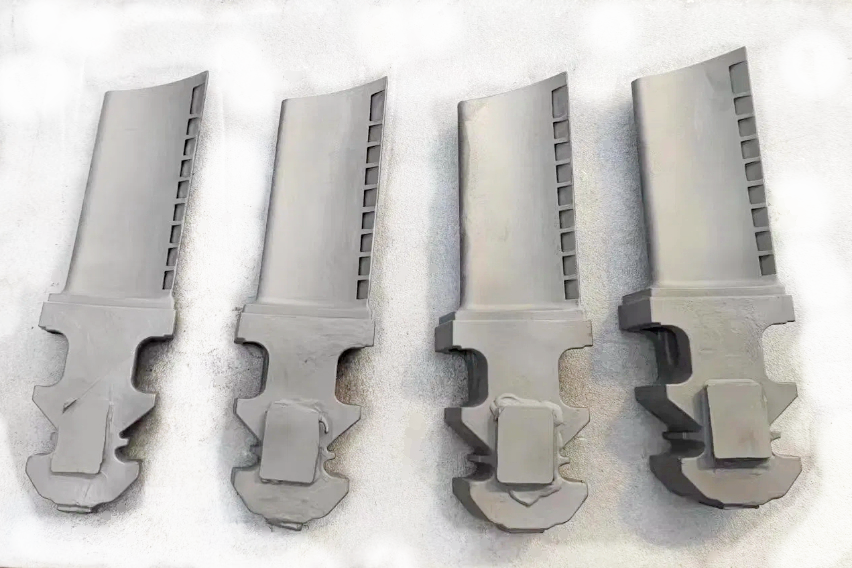
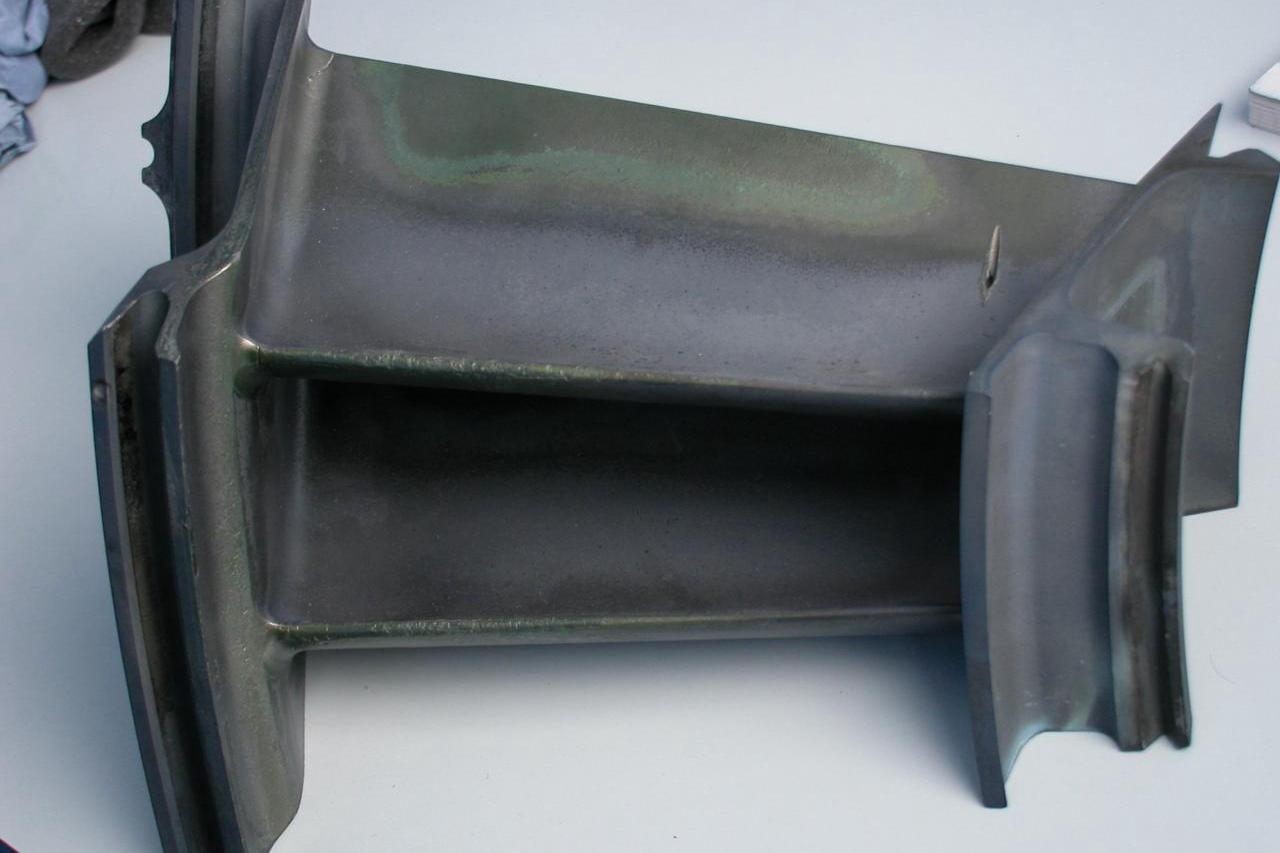
Laser welding enables the use of optimized, lightweight designs and the repair of previously un-salvageable components. A narrow, precise weld bead consumes less filler material. More importantly, it allows for the successful repair of cracks and wear on expensive castings, such as turbine blades from single crystal casting or components from equiaxed crystal casting, without compromising the base material's integrity. This transforms a potential scrap part into a serviceable one, delivering massive savings compared to the cost of a full replacement.
Increased Production Throughput and Automation
Laser welding is a high-speed process that is easily automated. For serial production, this results in significantly shorter cycle times compared to manual welding. Robotic laser cells can operate with high consistency and minimal supervision, reducing direct labor costs and increasing overall equipment effectiveness. This high throughput is crucial for meeting volume demands in industries like automotive and chemical processing for fabricating complex assemblies.
Lower Heat Input Minimizes Ancillary Processes
The low total heat input of laser welding lessens the risk of microfissuring and the formation of detrimental phases in precipitation-hardened superalloys. This can reduce the necessity for intermediate heat treatment steps to restore mechanical properties, streamlining the production flow. Furthermore, the superior weld quality with minimal defects decreases the dependency on extensive non-destructive testing, saving both time and inspection costs.
Improved Weld Integrity and Lifecycle Costs
Beyond initial manufacturing, the high integrity of a laser weld contributes to lower lifecycle costs. A weld with fine microstructure, minimal defects, and excellent mechanical properties offers superior fatigue and creep resistance. This enhanced reliability leads to longer service intervals, reduced unplanned downtime, and lower risk of catastrophic failure in the field, which represents the most significant potential cost saving for end-users in critical applications.