How Thermal Barrier Coatings (TBC) Boost Turbine Blade Life & Performance
How Thermal Barrier Coating (TBC) Enhances Turbine Blade Performance and Lifespan
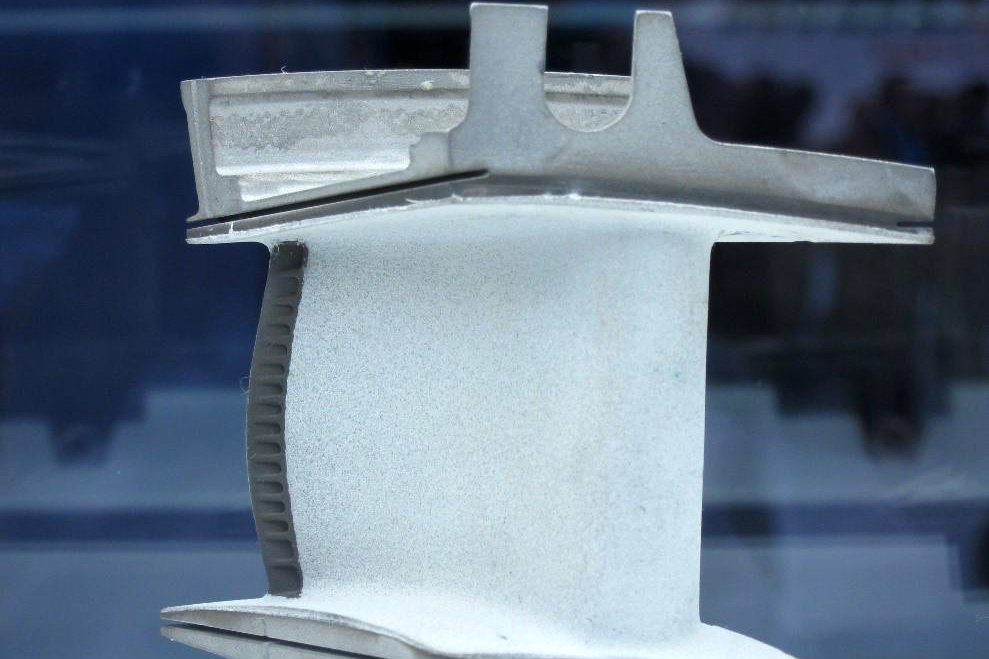
Thermal Barrier Coating (TBC) is a critical enabling technology for modern high-performance gas turbines, directly contributing to enhanced efficiency, power output, and component durability. This multilayer coating system, typically consisting of a ceramic topcoat and an oxidation-resistant bond coat, protects the underlying superalloy from the extreme environment within the turbine section.
Enabling Higher Operating Temperatures
The primary function of a TBC is to provide thermal insulation. The ceramic topcoat, often yttria-stabilized zirconia (YSZ), has low thermal conductivity, creating a significant temperature drop between the hot gas path and the surface of the superalloy blade. This allows turbine engines in aerospace and aviation and power generation to operate at higher inlet temperatures, which is a key driver for thermodynamic efficiency and power output. By reducing the metal temperature, the TBC allows designers to push performance boundaries beyond the innate melting point of the nickel-based superalloy.
Extending Lifespan through Reduced Degradation
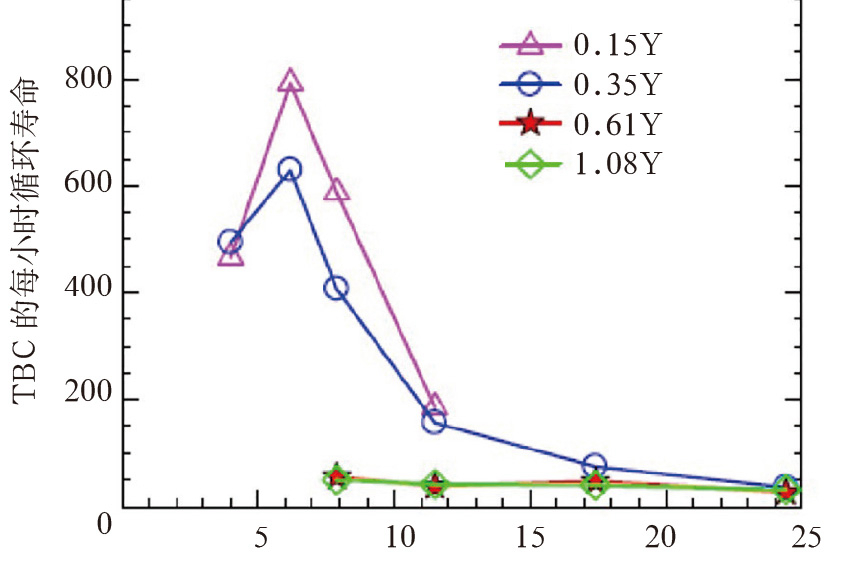
By lowering the base metal temperature, TBCs drastically slow down the rate of microstructural degradation. This includes: * Creep: Creep deformation is highly temperature-dependent. A reduction of even 50°C can increase the creep life of a blade by a factor of two or more. * Oxidation/Corrosion: The bond coat forms a slow-growing, protective alumina layer (Thermally Grown Oxide or TGO). The TBC shields this bond coat, significantly reducing the rate of oxidation and hot corrosion attack, which is critical for blades exposed to harsh environments in oil and gas applications. * Thermal Fatigue: TBCs mitigate the severity of thermal transients during startup and shutdown. By reducing the magnitude of thermal cycling seen by the metal substrate, the coating directly extends the component's low-cycle fatigue (LCF) life.
Improving Engine Efficiency and Fuel Economy
The ability to operate at higher temperatures directly translates to improved fuel efficiency and reduced emissions. This is a major economic and environmental benefit for both aviation and land-based power turbines. The TBC effectively allows the engine to extract more work from the same amount of fuel, a key performance parameter for modern energy systems.
Providing Surface Erosion and Impact Resistance
While the primary role is thermal, the dense, hard ceramic layer also offers a degree of protection against erosive particles in the gas stream and minor foreign object damage (FOD). This helps maintain the critical aerodynamic profile of the blade, preserving efficiency over extended service intervals.
In summary, a well-engineered TBC system is not just a protective layer; it is a performance-multiplying technology. It enables turbine blades manufactured from advanced casting superalloys to survive in an environment for which they would otherwise be unsuited, allowing for the high-efficiency, high-reliability gas turbines that are essential today.