What types of 3D printing methods are used for producing plastic parts?
Fused Deposition Modeling (FDM / FFF)
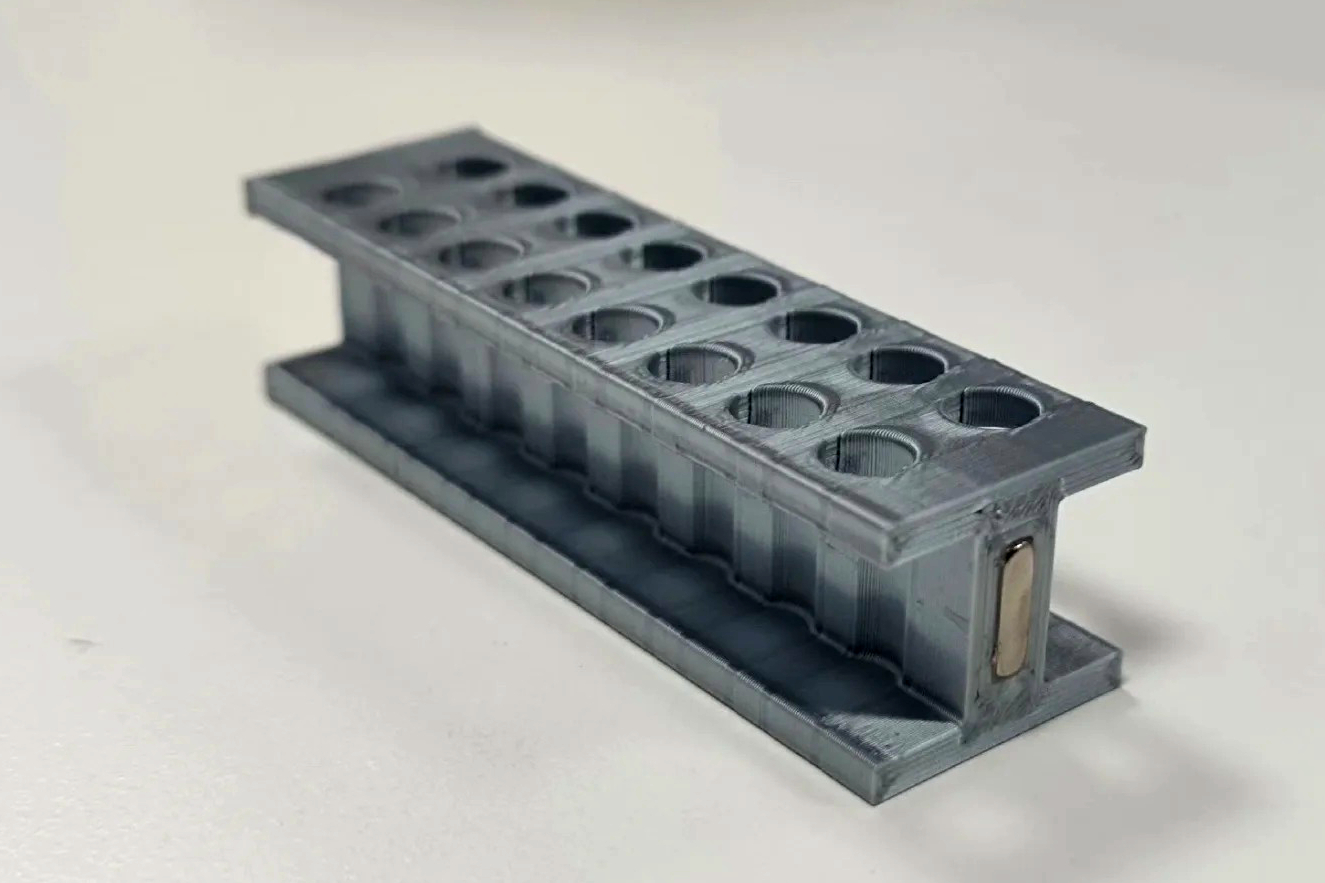
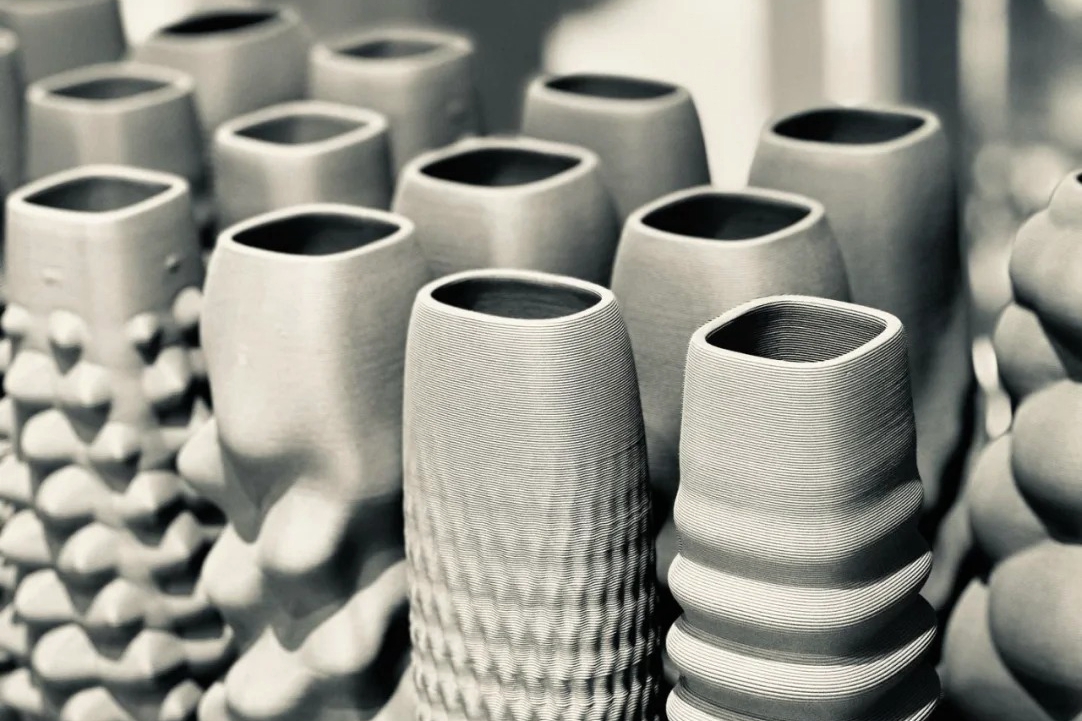
FDM is the most common method for producing plastic parts. It extrudes thermoplastic filament—such as PLA, ABS, PETG, and TPU—layer by layer. It is ideal for functional prototypes, fixtures, and cost-efficient end-use parts.
Stereolithography (SLA)
SLA uses UV light to cure liquid photopolymer resins into highly detailed and smooth parts. Materials such as standard resin, tough resin, and flexible resin support applications requiring precision and fine surface finish.
Selective Laser Sintering (SLS)
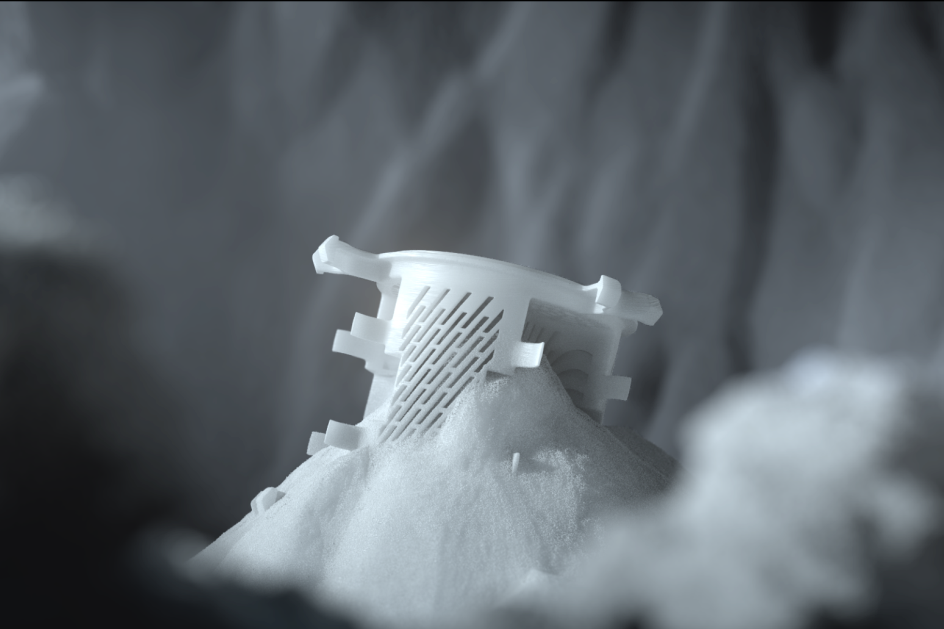
SLS fuses powdered plastics—mainly nylon (PA11/PA12)—using a laser. The process requires no support structures, enabling complex geometries and producing strong functional parts suitable for aerospace, automotive, and industrial applications.
Material Jetting (PolyJet and Similar Technologies)
Material jetting deposits micro-droplets of photopolymer to create extremely smooth parts with multi-material or full-color capability. It is used for medical models, visual prototypes, and applications needing high aesthetic fidelity.
High-Performance Extrusion Systems
Specialized printers handle high-temperature plastics such as PEEK and PC. These engineering-grade materials offer exceptional thermal and mechanical performance for aerospace and medical components.