
Услуга горячего изостатического прессования (ГИП) для отливок из суперсплавов
Обработка ГИП для повышения целостности отливок из суперсплавов
Горячее изостатическое прессование (ГИП) — это критически важная постлитьевая обработка, используемая для улучшения плотности, усталостной прочности и общей надежности высокопроизводительных отливок из суперсплавов. Разработанное для устранения внутренней пористости и гомогенизации микроструктуры, ГИП является обязательным для лопаток турбин, направляющих аппаратов, конструкционных колец и деталей камер сгорания, изготовленных из Инконеля, сплавов Рене, серии CMSX и Хастеллоя.
Neway AeroTech предлагает полный спектр услуг по обработке ГИП для литых компонентов из суперсплавов. Наше оборудование осуществляет циклы ГИП при температурах до 1300°C и давлениях до 200 МПа в атмосфере аргона. Все процедуры ГИП строго контролируются в соответствии с требованиями AMS 2774, ASTM B964 и спецификациями OEM для аэрокосмической отрасли.
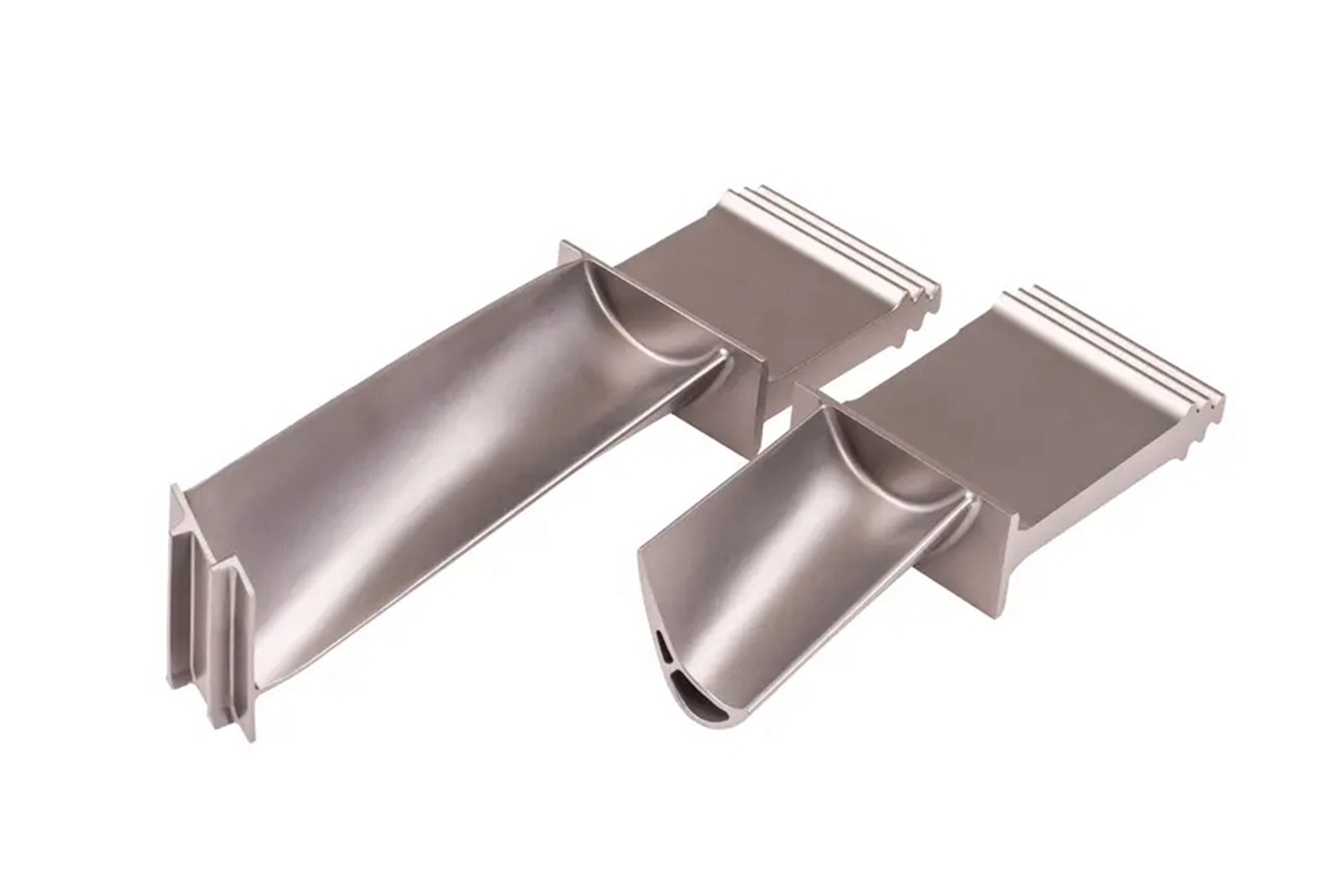
Почему ГИП необходим для отливок из суперсплавов
ГИП значительно улучшает механическую целостность, устраняя литейные пустоты и залечивая микротрещины в матрице суперсплава.
Устраняет внутреннюю пористость и микродефекты усадки, вызванные сложной геометрией и охлаждением во время вакуумного литья по выплавляемым моделям
Повышает сопротивление усталости за счет гомогенизации границ зерен и снижения концентрации внутренних напряжений
Увеличивает ресурс ползучести для высокотемпературных вращающихся и статически нагруженных компонентов
Обеспечивает возможность последующей сварки и обработки на станках с ЧПУ благодаря стабильному поведению материала
ГИП часто выполняется после литья и перед окончательной термообработкой или нанесением покрытия.
Суперсплавы, обычно обрабатываемые ГИП
Сплав | Макс. темп. ГИП (°C) | Макс. давление (МПа) | Типичное применение |
|---|---|---|---|
1210 | 100 | Сопловые лопатки, сегменты статора | |
1230 | 120 | Хвостовики лопаток турбин, сегменты бандажей | |
1175 | 110 | Компоненты камер сгорания, фланцы | |
1260 | 140 | Лопатки первой ступени, сборки направляющих аппаратов |
Сплавы подвергаются ГИП на основе спецификаций материалов OEM и профилей нагрузок применения.
Пример из практики: ГИП отливок лопаток первой ступени из CMSX-4
Предыстория проекта
Производитель турбин (OEM) предоставил партию из 120 монокристаллических лопаток из CMSX-4 для ГИП после литья по выплавляемым моделям. ГИП выполнялся при 1260°C, 140 МПа в течение 4 часов в инертной газовой среде. Анализ микроструктуры показал закрытие пористости >98% и увеличение усталостного ресурса в 2,5 раза по сравнению с базовыми показателями.
Типичные модели компонентов, обработанных ГИП, и их применение
Модель | Описание | Сплав | Отрасль |
|---|---|---|---|
BLD-718 | Лопатка турбины высокого давления с хвостовиком 22 мм | Inconel 713C | |
VNG-420 | Направляющая лопатка соплового аппарата с радиальными галтелями | Rene 80 | |
CDR-320 | Диффузорное кольцо камеры сгорания с 8 портами | Hastelloy X | |
STA-610 | Лопатка первой ступени, отлитая из монокристалла | CMSX-4 |
Все компоненты прошли рентгенографический контроль, СЭМ-анализ и проверку размеров на КИМ после обработки ГИП.
Проблемы, решаемые ГИП в отливках из суперсплавов
Устранение микродефектов усадки улучшает контролепригодность ультразвуковым методом и характеристики многоцикловой усталости.
Внутренние пустоты и полости полностью уплотняются под давлением газа 100–200 МПа.
Пористость сварного шва после ремонта лопатки устраняется перед профилированием на ЧПУ.
Снижение анизотропии в равноосных деталях повышает размерную стабильность после механической обработки.
Улучшенная адгезия покрытия благодаря повышенной стабильности поверхности и снижению воздействия оксидных включений.
Параметры процесса ГИП и преимущества
Температуры до 1300°C позволяют залечивать зерна в сплавах с высоким содержанием гамма-примей без искажения фаз.
Давление в диапазоне 100–200 МПа в аргоне обеспечивает полное уплотнение по всей площади хвостовика, бандажа и охлаждающих полостей.
Продолжительность цикла от 2 до 6 часов зависит от толщины стенки отливки и химического состава сплава.
Усталостный ресурс увеличен в 2–3 раза для лопаток турбин и профилей, подверженных циклическим тепловым нагрузкам.
Улучшение микроструктуры после ГИП подтверждено СЭМ и оптической микроскопией в пределах допустимых пределов AMS 2774.
Результаты и проверка
Выполнение ГИП
Отливки подвергались ГИП в аргоне при 1260°C, 140 МПа в течение 4 часов. Скорости охлаждения контролировались на уровне менее 10°C/мин, чтобы избежать растрескивания.
Обработка после ГИП
Детали прошли термообработку в соответствии с AMS 5662 или спецификацией OEM. Затем, в зависимости от требований турбинной системы, выполнялась окончательная обработка на станках с ЧПУ и опциональное нанесение теплозащитного покрытия (TBC).
Контроль
Рентгеновское тестирование подтвердило полное удаление пористости. Контроль на КИМ подтвердил соответствие жестким допускам. СЭМ-анализ показал отсутствие трещин, однородную дендритную структуру и восстановленные границы зерен.
Часто задаваемые вопросы
Какие марки суперсплавов получают наибольшую выгоду от обработки ГИП?
Как ГИП улучшает усталостный ресурс и ресурс ползучести в отливках?
Можно ли совмещать ГИП со сваркой и обработкой на станках с ЧПУ?
Какие виды контроля после ГИП являются стандартными для аэрокосмических деталей?
Подходит ли ГИП для монокристаллических или равноосных турбинных компонентов?
