
Corrax (CX) — изготовление автомобильных деталей на заказ методом 3D-печати по требованию
Введение в инструментальную нержавеющую сталь Corrax для 3D-печати в автомобилестроении
Corrax (CX) — это дисперсионно-твердеющая инструментальная нержавеющая сталь, известная своей высокой прочностью, коррозионной стойкостью и отличной полируемостью. Её размерная стабильность и эксплуатационные характеристики после старения делают её идеальной для автомобильных пресс-форм, вставок штампов, кронштейнов и высоконагруженных компонентов, требующих точности и долговечности.
В компании Neway Aerotech наши услуги по 3D-печати из нержавеющей стали позволяют осуществлять производство деталей из стали Corrax на заказ по мере необходимости с использованием селективного лазерного сплавления (SLM) для оптимизированной автомобильной оснастки и готовых компонентов с короткими сроками поставки.
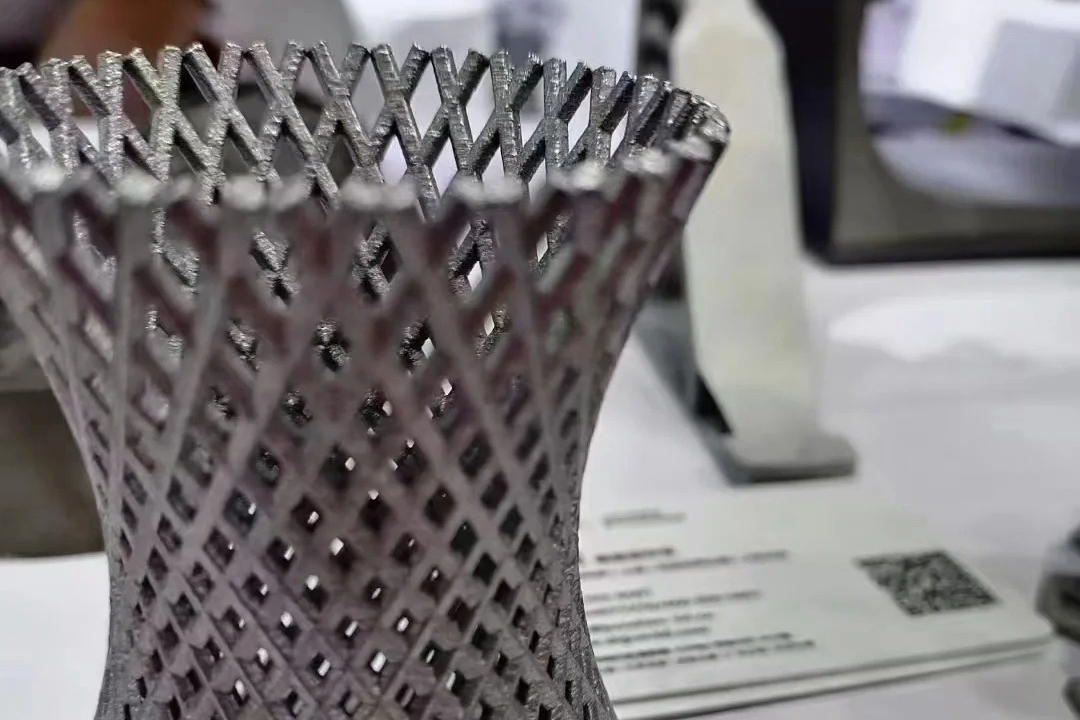
Возможности аддитивного производства SLM для стали Corrax (CX)
Технические параметры процесса
Параметр | Значение | Значимость для автомобильных компонентов |
|---|---|---|
Толщина слоя | 30–50 мкм | Обеспечивает высокое разрешение деталей |
Шероховатость поверхности (в состоянии после печати) | Ra 8–12 мкм | Идеально подходит для пресс-форм и контактных поверхностей |
Твердость после старения | ~48 HRC | Высокая износостойкость для подверженной износу оснастки |
Рабочая атмосфера | Аргон | Сохраняет коррозионную стойкость и механическую целостность |
Обрабатываемость | Отличная после старения | Поддерживает сверление и развертывание отверстий после печати |
Почему Corrax идеально подходит для автомобильных применений
Свойство | Значение | Пример использования в автомобилестроении |
|---|---|---|
Предел прочности при растяжении | ~1200 МПа (после старения) | Высокопрочные кронштейны и вставные компоненты |
Реакция на старение | Регулируемая (H900–H1025) | Настраивается под требования по вязкости или твердости |
Коррозионная стойкость | Сопоставима с нержавеющей сталью 420 | Подходит для условий эксплуатации под капотом с внешним воздействием |
Термическая стабильность | Отличная | Сохраняет форму в нагреваемой пресс-форме |
Полируемость | Очень высокая | Подходит для пресс-форм и корпусов с поверхностями класса А |
Стратегия постобработки и финишной отделки
Термообработка: Старение при температуре 520–550°C для достижения требуемой прочности и размерной точности.
ЧПУ-обработка: Применяется к монтажным поверхностям, резьбовым отверстиям или линиям разъема в пресс-формах.
Пассивация: Повышает коррозионную стойкость компонентов, эксплуатируемых в полевых условиях.
Финишная обработка поверхности: Полировка или дробеструйная обработка в зависимости от конечного применения (поверхности класса А или конструкционное использование).
Практический пример: 3D-печатная вставка из стали Corrax для пресс-формы корпуса системы отопления, вентиляции и кондиционирования (HVAC) автомобиля
Описание проекта
Автопроизводителю уровня Tier 1 потребовалась индивидуальная вставка для литьевой формы под давлением для пластикового компонента корпуса системы HVAC со встроенными защелками и подрезами. Вставка должна была обладать коррозионной стойкостью из-за многократного воздействия влажной среды и охлаждающе-смазочных жидкостей.
Производственный процесс
Проектирование: Детализированная модель вставки с каналами охлаждения и элементами освобождения защелок.
Материал: Порошок инструментальной стали Corrax, D50 ~35 мкм.
Печать: SLM с толщиной слоя 40 мкм, лазер мощностью 350 Вт, защита аргоном.
Постобработка:
Старение при температуре 525°C в течение 4 часов.
Сопрягаемые поверхности обработаны на ЧПУ с точностью ±0,01 мм.
Каналы охлаждения развернуты и очищены.
Валидация:
Контроль на КИМ геометрии ядра и полости.
Инструмент установлен и отработал 10 000 циклов литья под давлением без износа или деформации.
Результаты и проверка
Вставка из стали Corrax сократила время разработки пресс-формы на 50% по сравнению с традиционной механической обработкой. Качество полировки поверхности соответствовало классу 12 по стандарту VDI 3400, и вставка сохраняла форму в течение более 200 часов производства без возникновения трещин или признаков коррозии. Заказчик расширил применение технологии на дополнительную оснастку для датчиков и отделки.
Часто задаваемые вопросы (FAQ)
В чем разница между сталью Corrax и традиционными инструментальными сталями, такими как H13, при использовании в автомобильных пресс-формах?
Можно ли использовать детали из стали Corrax, изготовленные методом 3D-печати, в конструкционных приложениях помимо оснастки?
Подходит ли сталь Corrax для подкапотных кронштейнов или узлов с демпфированием вибрации?
Как оптимизируется термическая обработка старением для баланса прочности и пластичности стали Corrax?
Какие виды поверхностной обработки улучшают полируемость и коррозионную защиту изделий из стали Corrax?
