
Аддитивное производство специализированных компонентов для энергетики из нержавеющей стали 304
Введение в аддитивное производство деталей из нержавеющей стали 304 для энергетических применений
Нержавеющая сталь 304 — это аустенитный сплав, известный своей превосходной коррозионной стойкостью, свариваемостью и термической стабильностью. В условиях энергогенерации, где распространено воздействие пара, конденсата и агрессивных сред, сталь 304 представляет собой экономически эффективный и долговечный выбор материала.
В компании Neway Aerotech мы предоставляем услуги 3D-печати из нержавеющей стали 304 с использованием технологий селективного лазерного плавления (SLM) и прямого лазерного спекания металла (DMLS) для производства специализированных компонентов для энергетики, таких как потоковые диффузоры, корпуса, муфты и кронштейны для контрольно-измерительных приборов.
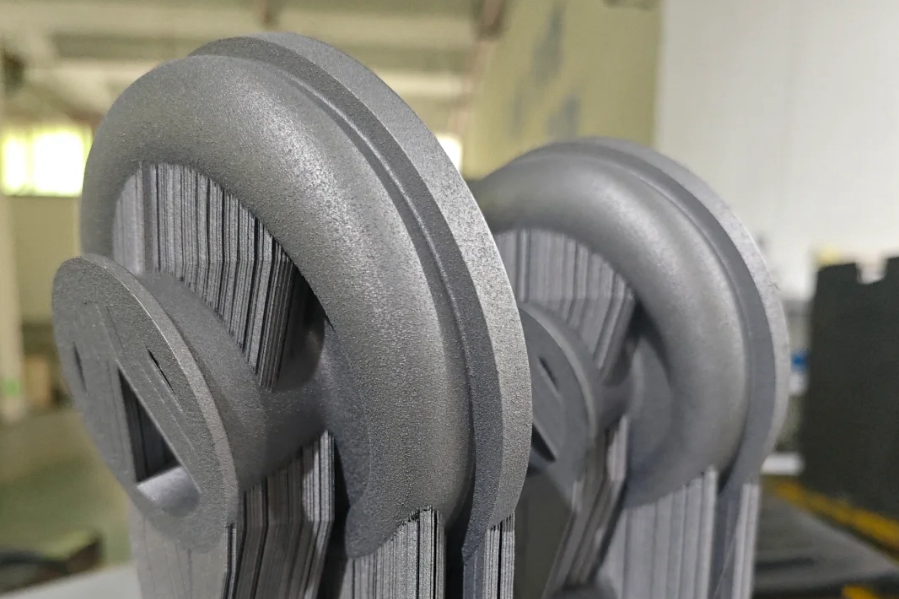
Возможности аддитивного производства компонентов для энергетики
Параметры технологий
Технология | Толщина слоя (мкм) | Допуск (мм) | Шероховатость поверхности (Ra, мкм) | Применение |
|---|---|---|---|---|
SLM | 30–50 | ±0.05 | 6–12 | Кронштейны, диффузоры, кожухи, крышки клапанов |
DMLS | 40–60 | ±0.08 | 8–15 | Корпуса датчиков, муфты, монтажные основания |
Технология SLM предпочтительна для деталей с мелкими деталями, требующих высоких допусков и плотности.
Почему стоит использовать нержавеющую сталь 304 в энергетическом секторе
Свойство | Значение | Роль в применении для энергогенерации |
|---|---|---|
Предельная рабочая температура | ~870°C | Выдерживает воздействие пара и окружающего тепла |
Предел прочности на разрыв | 500–700 МПа | Выдерживает внутреннее давление и статические нагрузки |
Коррозионная стойкость | Высокая | Подходит для воздействия конденсата и химических веществ |
Свариваемость | Отличная | Поддерживает гибридные сборки и постобработку |
Экономическая эффективность | Конкурентоспособна по сравнению с высоконикелевыми сплавами | Идеальна для негерметичных или конструкционных деталей |
Стратегия постобработки
Термообработка: Опциональный отпуск напряжений при 850°C в течение 2 часов.
Чистовая обработка:
Сглаживание внутренних каналов методом абразивной потоковой обработки.
Дробеструйная обработка или электрополировка внешних поверхностей для повышения коррозионной стойкости.
Для прецизионных плоскостей, резьбы и сопрягаемых поверхностей используется ЧПУ-обработка.
Для повышения коррозионной стойкости во влажных или кислых системах применяется Пассивация.
Практический пример: 3D-печатная крышка конденсатного клапана из нержавеющей стали 304
Описание проекта
Заказчику из энергетической отрасли потребовалась индивидуальная крышка конденсатного клапана со встроенным креплением для датчика и уплотнительным фланцем. Геометрия детали не подходила для традиционного фрезерования из-за криволинейных подрезов и внутренних полостей.
Производственный процесс
Проектирование: Пластина толщиной 5 мм с криволинейными каналами для сброса потока и резьбовыми бобышками для датчиков давления.
Материал: Сертифицированный порошок нержавеющей стали 304, D50 = 35 мкм.
Печать: SLM с толщиной слоя 40 мкм в атмосфере аргона.
Постобработка:
Термообработка для снятия напряжений.
Механическая обработка уплотнительной поверхности с допуском ±0.01 мм.
Нарезка и проверка резьбовых портов.
Контроль: Проверка размеров на КИМ, испытание давлением при нагрузке 1.5× от рабочей.
Результаты и верификация
Напечатанная деталь из стали 304 была поставлена за 4 рабочих дня, заменив сборку из 4 механически обработанных элементов. Все допуски уплотнений и портов соответствовали спецификации, и деталь успешно прошла циклические тепловые испытания от 30°C до 150°C без какой-либо деформации, что подтверждает надежность материала и процесса.
Часто задаваемые вопросы
В чем разница между нержавеющей сталью 304 и 316L в энергетических применениях?
Можно ли печатать изделия из нержавеющей стали 304 с внутренними каналами или решетчатыми структурами?
Является ли пассивация обязательной для 3D-печатной нержавеющей стали, используемой во влажных средах?
Как ведет себя 3D-печатная сталь 304 при термической усталости?
Каков срок изготовления индивидуальной 3D-печатной детали из нержавеющей стали 304?
