Как 3D-печать влияет на требования к последующей обработке деталей из жаропрочных сплавов?
Особые потребности в последующей обработке после 3D-печати
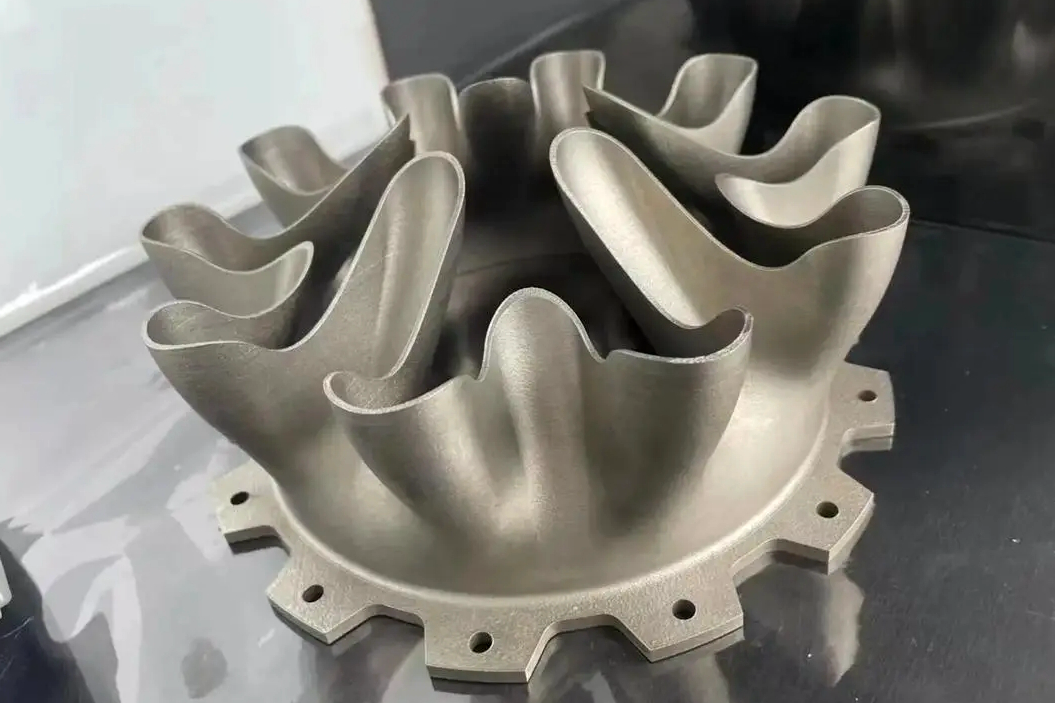
Компоненты из жаропрочных сплавов, изготовленные с помощью 3D-печати жаропрочных сплавов—таких как SLM или DMLS—обладают иными микроструктурными характеристиками по сравнению с литыми или коваными деталями. Послойная кристаллизация приводит к высоким скоростям охлаждения и неравномерным тепловым градиентам, что вызывает остаточные напряжения, анизотропные структуры зерен и потенциальное микротрещинообразование. Следовательно, последующая обработка не является опциональной—она обязательна для достижения механических свойств, соответствующих аэрокосмическим и энергетическим стандартам.
В отличие от традиционного вакуумного литья по выплавляемым моделям, детали, напечатанные на 3D-принтере, часто требуют термической обработки для снятия напряжений, уплотнения методом ГИП и прецизионной механической обработки для соответствия допускам размеров и стандартам производительности.
Уплотнение и снятие напряжений
Внутренняя пористость и микропустоты естественным образом возникают в процессе плавления порошка. Горячее изостатическое прессование (ГИП) широко используется для устранения этих дефектов, повышая плотность и сопротивление усталости. Последующая термическая обработка восстанавливает фазовый баланс и усиливает дисперсионное твердение. Это особенно важно для никелевых сплавов, таких как Inconel 718, или кобальтовых сплавов, таких как Stellite 21, где механическая стабильность при циклических нагрузках зависит от однородности микроструктуры.
Остаточные напряжения, возникающие при быстром охлаждении, должны быть сняты до любой механической обработки, чтобы предотвратить деформацию или зарождение трещин во время окончательной отделки.
Чистота поверхности и механическая обработка
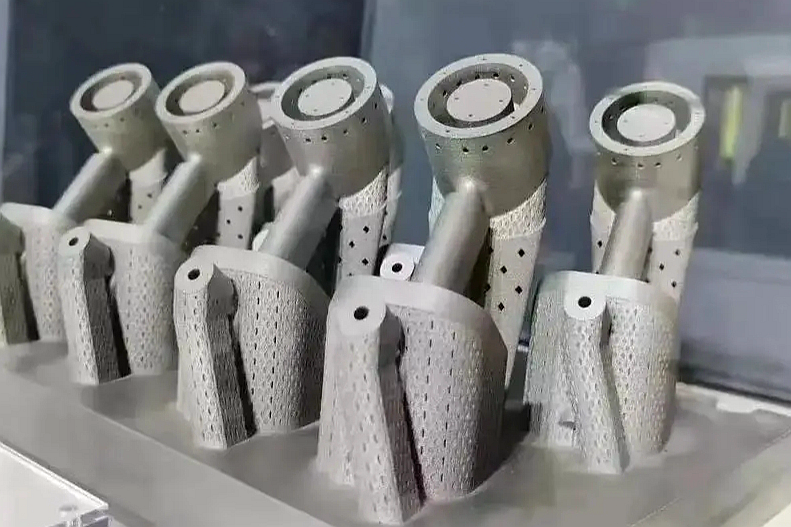
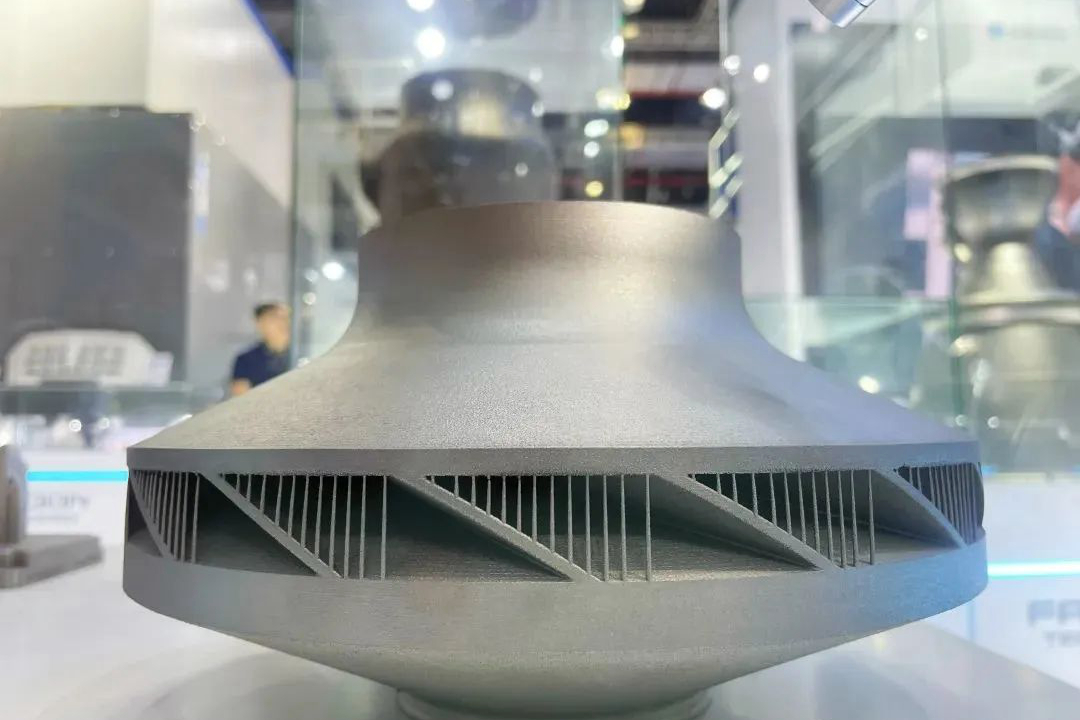
Поверхности в состоянии после печати, как правило, шероховаты и могут содержать частично расплавленные частицы порошка. Для прецизионных применений в аэрокосмической и авиационной отраслях и энергетике, обычно требуется ЧПУ-обработка жаропрочных сплавов для достижения допусков размеров и точности поверхности. В некоторых конструкциях методы отделки, такие как глубокое сверление отверстий и обработка электроэрозией (EDM), позволяют изготавливать внутренние каналы и сложные геометрии, которые невозможно обработать традиционными методами.
Функциональные покрытия, такие как теплозащитное покрытие (TBC), могут наноситься для повышения стойкости к окислению и нагреву, особенно для деталей камер сгорания и лопаток турбин.
Испытания и сертификация
Поскольку аддитивное производство создает уникальные микроструктуры, необходимы строгие испытания и анализ материалов. Компьютерная томография, рентгеновский контроль, испытания на твердость, оценка усталостной прочности и проверка фазового состава обеспечивают соответствие детали стандартам производительности. Только после испытаний деталь может быть одобрена для использования в условиях высоких нагрузок, таких как нефтегазовая отрасль или военные и оборонные применения.