FGH96
Введение в материал
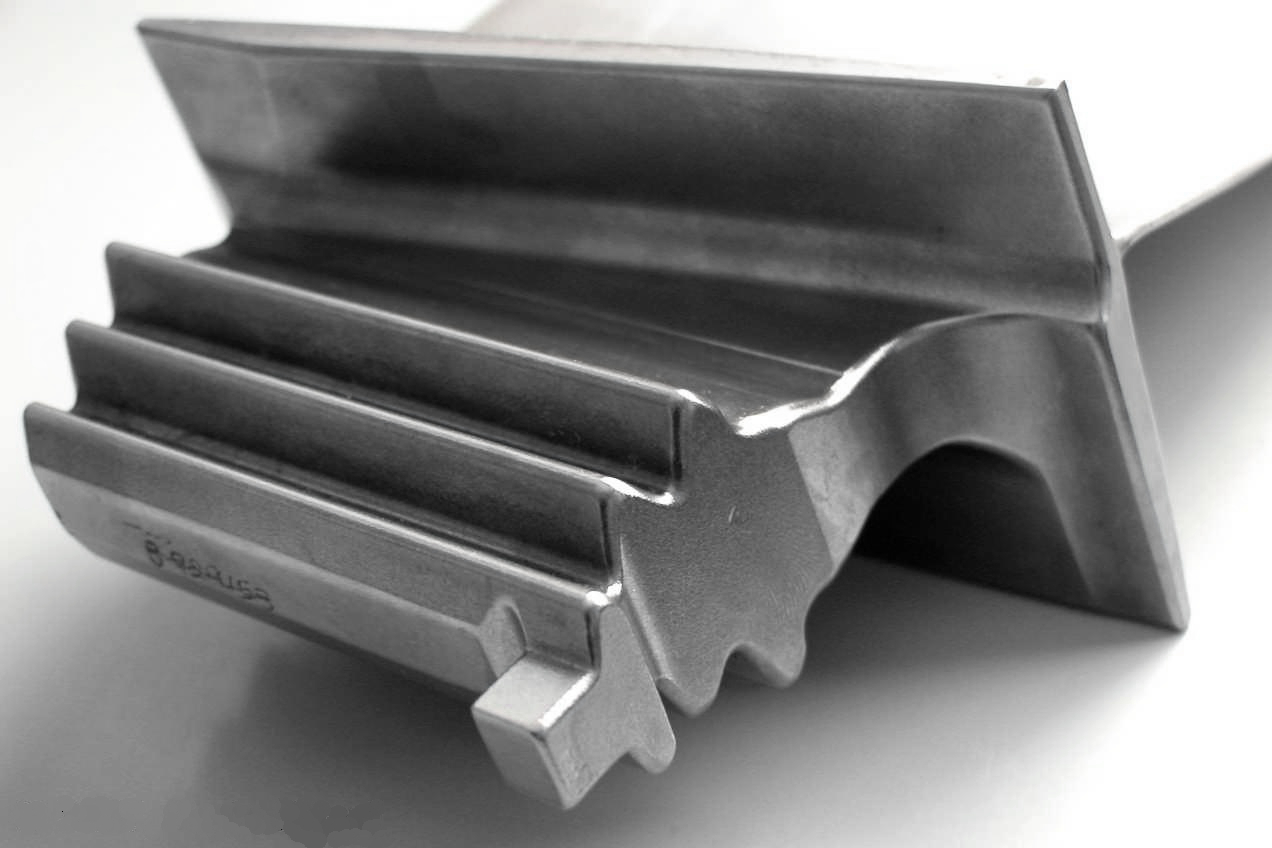
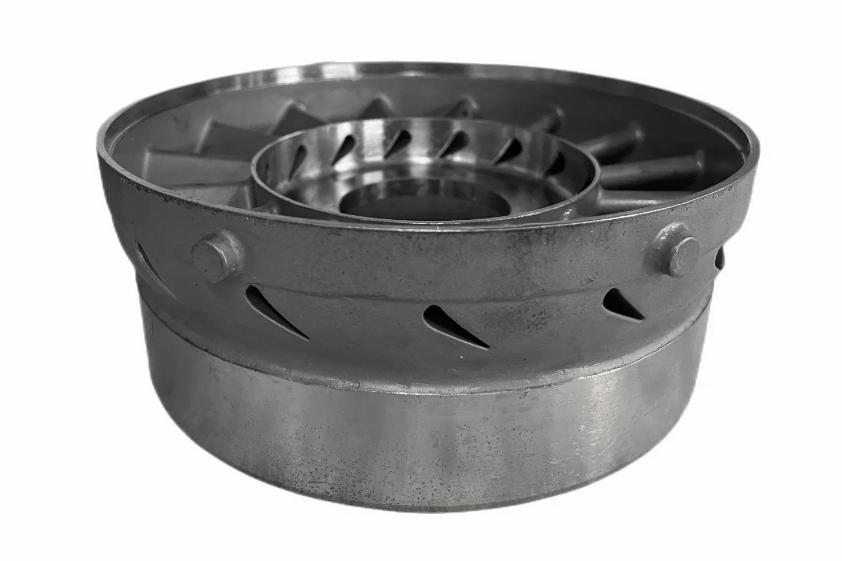
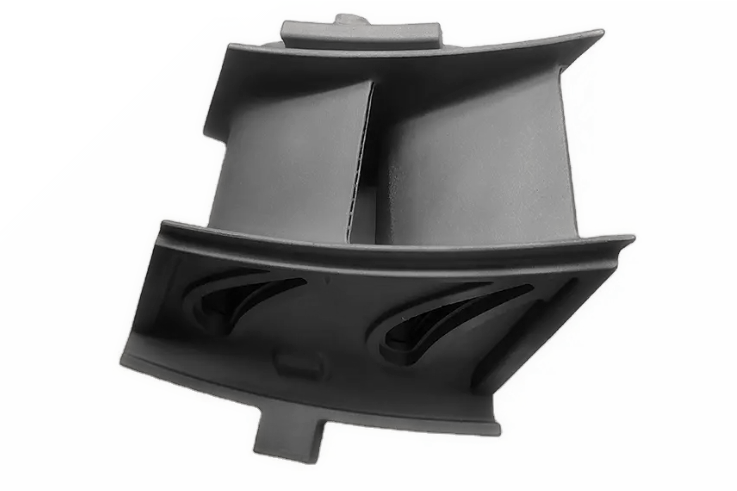
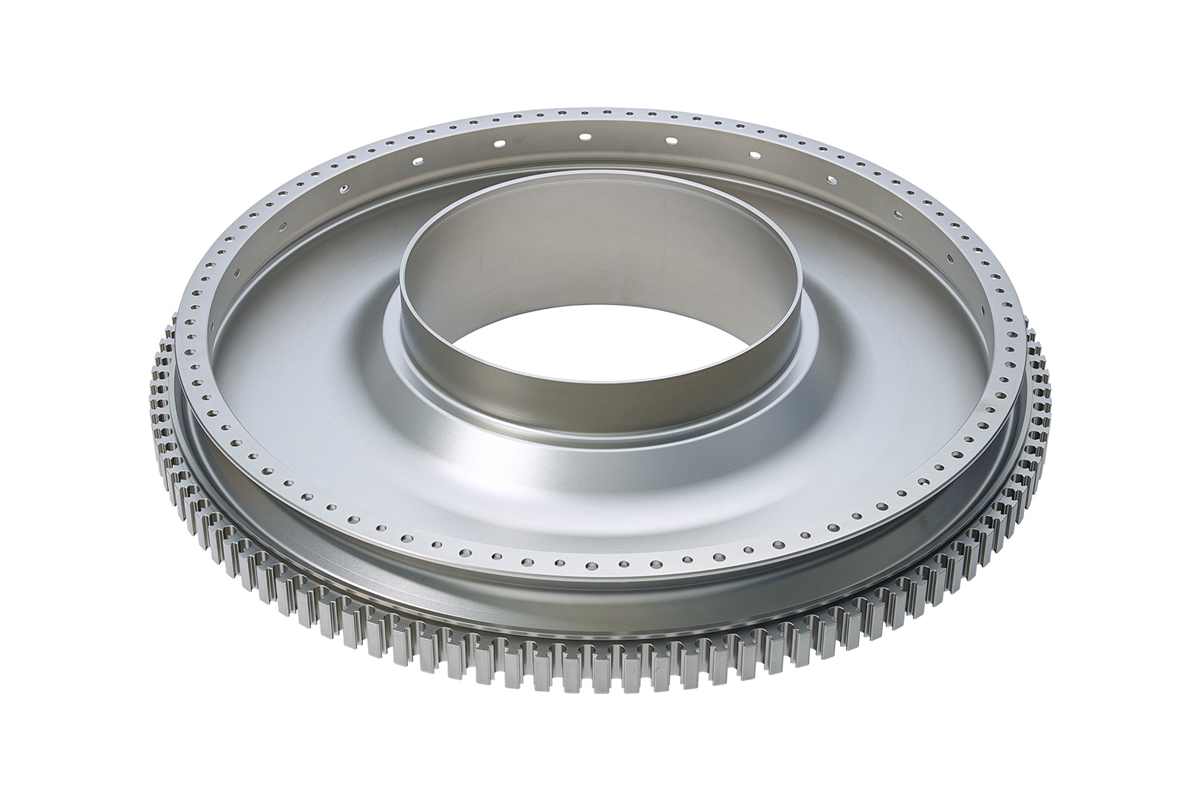
FGH96 — это высокоэффективный никелевый суперсплав, полученный методом порошковой металлургии (П/М), специально разработанный для передовых применений в области турбинных дисков из порошковой металлургии. Предназначенный для длительной эксплуатации в условиях экстремальных температур, напряжений и центробежных нагрузок, FGH96 обеспечивает отличную ползучесть, прочность при усталости и микроструктурную стабильность при рабочих температурах от 650 до 750°C. Производимый посредством горячего изостатического прессования (ГИП), изотермической ковки и контролируемой термообработки, сплав формирует однородную микроструктуру γ/γ′ с мелкими стабильными выделениями, повышающими прочность при высоких температурах. Благодаря точным легирующим добавкам, таким как хром, кобальт, молибден, вольфрам, титан и алюминий, FGH96 достигает производительности, сопоставимой с лучшими в мире материалами для турбинных дисков, используемыми в авиационных двигателях. В условиях строгого процесса обработки материалов и высокоточного производства Neway AeroTech турбинные диски из FGH96 демонстрируют исключительную надежность, размерную точность и длительный срок службы как в гражданских, так и в военных авиационных энергосистемах.
Альтернативные варианты материалов
В зависимости от температуры, нагрузки и стадии двигателя могут рассматриваться несколько альтернатив. Для турбинных лопаток или направленных компонентов, работающих при сверхвысоких температурах, монокристаллические сплавы, доступные в рамках услуги литья монокристаллов, предлагают превосходную сопротивляемость ползучести. Для коррозионных или химически агрессивных сред сгорания сплавы Hastelloy обеспечивают повышенную стойкость. Когда требования к дизайну определяются износом и горячим заеданием, предпочтительным выбором могут стать кобальтовые сплавы Stellite. Для вращающихся компонентов, работающих при более низких температурах и требующих высокой вязкости, но не экстремальной термостойкости, экономически эффективным вариантом могут быть литые стали. Когда выгодно высокое отношение прочности к весу титана, сплавы TA15 и другие титановые сплавы могут подходить для более холодных ступеней турбины.
Международные эквиваленты / сравнимые марки
Страна/Регион | Эквивалентная / сравнимая марка | Конкретные коммерческие бренды | Примечания |
США | ME3 / René 95 / René 88DT | GE René 95, GE René 88DT, ATI ME3 | Сравнимые сплавы для турбинных дисков П/М с аналогичным упрочнением γ′. |
Европа (EN) | Ni суперсплавы П/М | Сплавы для дисков П/М для европейских авиадвигателей | Используются в высоконагруженных дисках компрессоров/турбин. |
Китай (GB/YB) | FGH96 (обозначение национального стандарта) | Сплавы серии FGH П/М | Основной материал Китая для турбинных дисков П/М. |
ISO | Ni-основные суперсплавы П/М | Сплавы П/М аэрокосмического класса по стандарту ISO | Определяет характеристики материала и тестирование. |
Neway AeroTech | Суперсплав FGH96 П/М | Оптимизирован для высокоцелостных турбинных дисков. |
Цель разработки
FGH96 был разработан как материал для турбинных дисков с высокой прочностью и жаропрочностью, способный работать при повышенных напряжениях и скоростях вращения в горячей секции авиационных двигателей. Его основная цель проектирования — сохранение стабильных механических свойств, особенно сопротивления ползучести, усталостной прочности и прочности на разрыв, в течение сотен тысяч летных циклов. Легирующие элементы, такие как Al и Ti, способствуют формированию упрочняющих фаз γ′, в то время как Mo, Co и W повышают прочность при высоких температурах и твердорастворное упрочнение. Технология порошковой металлургии позволяет получать мелкую однородную микроструктуру без ликвации, характерной для литья, обеспечивая предсказуемое поведение при ковке и последующей термообработке. Сплав предназначен для турбинных дисков, дисков компрессоров и конструкционных роторов, требующих долгосрочной стабильности, отличной повреждаемости и строгой размерной целостности в суровых термических и механических условиях.
Химический состав
Элемент | Ni | Co | Cr | Mo | W | Al | Ti | Другие |
Типичное значение (%) | Остальное | 8–15 | 12–16 | 2–4 | 3–6 | 2–3 | 3–4 | B, C, Zr, Hf (следы) |
Физические свойства
Свойство | Значение |
Плотность | ~8.1–8.3 г/см³ |
Диапазон плавления | ~1300–1350°C |
Теплопроводность | ~8–12 Вт/м·К |
Электропроводность | ~2–4% IACS |
Тепловое расширение | ~13–15 мкм/м·°C (20–800°C) |
Механические свойства
Предел прочности на разрыв (при комнатной температуре) | ~1100–1400 МПа |
Предел текучести (при комнатной температуре) | ~900–1200 МПа |
Удлинение | ~10–18% |
Прочность при высоких температурах | Отличная до 750°C |
Сопротивление усталости | Очень высокое; оптимизировано благодаря П/М и ГИП |
Сопротивление ползучести | Превосходное долгосрочное поведение при 650–700°C |
Ключевые характеристики материала
Чрезвычайно высокая прочность как при комнатной, так и при повышенных температурах благодаря упрочнению γ′.
Мелкая однородная микроструктура, достигаемая методом П/М, устраняет ликвацию, присущую литым суперсплавам.
Отличное сопротивление ползучести, критически важное для непрерывной нагрузки турбинных дисков до ~700°C.
Превосходный ресурс усталости, особенно в режимах многоцикловой и низкоцикловой усталости, характерных для роторов авиадвигателей.
Выдающаяся повреждаемость и сопротивление росту трещин.
Высокая микроструктурная стабильность при термических циклах, снижающая долгосрочную деформацию.
Совместимость с передовой технологией уплотнения методом ГИП для обеспечения премиального качества деталей.
Сохраняет высокую стойкость к окислению и коррозии благодаря оксидным слоям Cr и Al.
Оптимизирован для прецизионного производства турбинных дисков методом порошковой металлургии.
Доказанная эффективность в турбинных двигателях военной и гражданской авиации.
Технологичность и постобработка
Обработка методом порошковой металлургии: Обеспечивает однородное распределение сплава и мелкую микроструктуру.
Горячее изостатическое прессование (ГИП) обеспечивает полное уплотнение и устранение пористости.
Изотермическая ковка формирует турбинные диски с оптимизированным потоком зерен для повышения сопротивления усталости.
Термообработка: Циклы старения и растворения улучшают выделение фа� γ′ и механические свойства.
ЧПУ-обработка суперсплавов обеспечивает жесткие допуски для елочных профилей, отверстий и крепежных элементов.
Электроэрозионная обработка (EDM): Необходима для сложных геометрий и зон с термическим влиянием.
Глубокое сверление отверстий: Создает охлаждающие отверстия или внутренние каналы там, где это необходимо.
Испытания и анализ материалов: Металлография, испытания на ползучесть и усталость гарантируют качество аэрокосмического уровня.
Чистовая обработка поверхности, такая как дробеструйная обработка, улучшает ресурс усталости и сопротивление инициированию трещин.
Методы неразрушающего контроля (УЗК, рентген, КТ) подтверждают структурную целостность деталей, критичных для полета.
Подходящая поверхностная обработка
Дробеструйная обработка для улучшения усталостных характеристик и создания остаточных напряжений сжатия.
Диффузионные покрытия для защиты от окисления в высокотемпературных зонах.
Теплозащитные покрытия (TBC) для продления срока службы в экстремальных условиях турбины.
Прецизионное шлифование и полировка для интерфейсов роторов и соединений с высоким напряжением.
Термообработка для снятия напряжений после ковки или механической обработки.
Верификация микроструктуры посредством металлографического анализа.
Распространенные отрасли и применения
Аэрокосмическая отрасль и авиация: Диски турбин высокого и среднего давления.
Генерация энергии: Турбинные роторы для газотурбинных двигателей авиационного происхождения.
Военная авиация: Высокопрочные диски для двигателей с форсажной камерой.
Передовые энергетические системы: Вращающиеся высокотемпературные к�мпоненты.
Высокопроизводительные промышленные турбины, требующие экстремальной стабильности при усталости и ползучести.
Когда выбирать этот материал
Турбинные диски для высоких температур: Идеально подходят для непрерывной работы при температурах 650–750 °C.
Вращающиеся компоненты высокой скорости: Отлично подходят для деталей, требующих экстремальной усталостной прочности.
Долгосрочное сопротивление ползучести: Подходит для компонентов, подвергающихся постоянным термическим и механическим напряжениям.
Точность порошковой металлургии: Идеально, когда необходима микроструктура без ликвации.
Требования высокой целостности: Необходимо для надежности и качества аэрокосмического класса.
Оптимизация веса: Обеспечивает высокую прочность без значительного увеличения плотности.
Критическое летное оборудование: Надежно для ответственных турбинных дисков и роторов.
Требовательные условия жизненного цикла: Хорошо работает в циклических, термических средах и условиях высоких нагрузок.
Изучить связанные блоги