
Производитель деталей клапанов из Monel 400 методом вакуумного литья по выплавляемым моделям
Введение
Monel 400 — это никель-медный сплав, известный выдающейся коррозионной стойкостью, высокой прочностью и отличными характеристиками в суровых химических и морских условиях. В Neway AeroTech мы производим прецизионные компоненты клапанов с использованием передовых технологий вакуумного литья по выплавляемым моделям, обеспечивая превосходную металлургическую целостность, точность размеров и оптимальные антикоррозионные свойства для требовательных промышленных сред.
Используя процессы вакуумного литья по выплавляемым моделям, Neway AeroTech стабильно достигает точного, почти чистового изготовления деталей клапанов из Monel 400 с минимальными дефектами. Наши строгие стандарты качества соответствуют критическим требованиям к производительности в химической переработке, нефтегазовой отрасли, судостроении и энергетике.
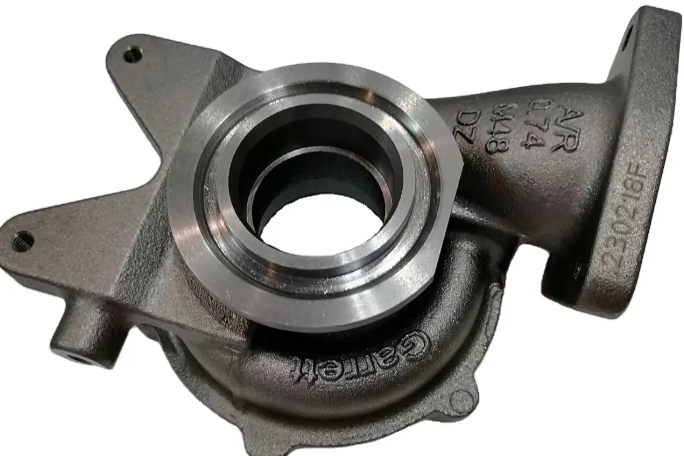
Ключевые проблемы при литье компонентов клапанов из Monel 400
Точный контроль состава сплава для поддержания коррозионной стойкости.
Управление высокой текучестью расплавленного Monel 400 во время литья.
Минимизация микропористости и включений для достижения высокой стойкости к давлению.
Строгая точность размеров в пределах допусков ±0,03 мм.
Процесс вакуумного литья по выплавляемым моделям для деталей клапанов из Monel 400
Вакуумное литье по выплавляемым моделям деталей клапанов из Monel 400 включает:
Изготовление восковых моделей: Высокоточные восковые модели, созданные методом литья под давлением.
Формирование керамической оболочки: Нанесение керамической суспензии и песчаных покрытий с тщательной сушкой.
Удаление воска (выплавление): Обработка паром в автоклаве при ~150°C с сохранением цело�тности оболочки.
Вакуумная плавка и заливка: Сплав Monel 400 плавится в вакуумных условиях (<10⁻³ Па) и точно заливается.
Контролируемая кристаллизация: Управляемая скорость охлаждения (~5-7°C/мин) минимизирует дефекты усадки.
Удаление оболочки и финишная обработка: Удаление керамической оболочки с последующей очисткой, шлифовкой и окончательным контролем.
Сравнительный анализ методов изготовления компонентов клапанов
Процесс | Чистота поверхности | Точность размеров | Коррозионная стойкость | Гибкость производства | Уровень затрат |
|---|---|---|---|---|---|
Вакуумное литье по выплавляемым моделям | Отличная (Ra ~1,6 мкм) | Высокая (±0,03 мм) | Превосходная (вакуумные условия) | Высокая (сложная геометрия) | Умеренная |
Песчаное литье | Умеренная (Ra ~12 мкм) | Умеренная (±0,5 мм) | Хорошая (риск включений) | Умеренная (ограниченная сложность) | Низкая |
Ковка | Хорошая (Ra ~3 мкм) | Очень высокая (±0,01 мм после механической обработки) | Отличная (равномерная структура) | Низкая (ограниченная геометрия) | Высокая |
ЧПУ обработка | Отличная (Ra ~0,8 мкм) | Очень высокая (±0,01 мм) | Хорошая (зависит от основного материала) | Умеренная (ограничения по конструкции) | Высокая |
Стратегия выбора метода изготовления
Вакуумное литье по выплавляемым моделям идеально подходит для сложной геометрии, обеспечивая коррозионную стойкость и экономически эффективные почти чистовые формы.
Песчаное литье подходит для простой геометрии с более низкими требованиями к точности размеров.
Прецизионная ковка жаропрочных сплавов выбирается для высоконагруженных компонентов клапанов, требующих исключительных механических свойств.
ЧПУ обработка оптимальна для прецизионных деталей, требующих жестких допусков и превосходной чистоты поверхности.
Матрица характеристик материала Monel 400
Материал | Предел прочности (МПа) | Макс. темп. (°C) | Коррозионная стойкость | Типичные области применения |
|---|---|---|---|---|
550 | 480 | Отличная в морских и химических средах | Детали клапанов, насосы, теплообменники | |
1100 | 500 | Превосходная прочность и твердость | Высокопрочные клапаны, крепежные элементы | |
930 | 980 | Превосходная стойкость к окислению | Выхлопные системы, лопатки турбин | |
750 | 1038 | Исключительная стойкость к агрессивным химикатам | Химические реакторы, корпуса клапанов | |
890 | 800 | Выдающаяся износостойкость и коррозионная стойкость | Седла клапанов, штоки, компоненты арматуры | |
950 | 400 | Отличная коррозионная стойкость и малый вес | Клапаны, аэрокосмические конструкционные компоненты |
Обоснование выбора материала Monel 400
Monel 400: Оптимальные антикоррозионные свойства для клапанных применений в морских и кислотных средах.
Monel K500: Выбирается для высокопрочных применений, где критически важна повышенная твердость.
Inconel 625: Выбирается для превосходной стойкости к окислению в высокотемпературных коррозионных средах.
Hastelloy C-276: Идеален для агрессивных химических производств, устойчив к сильной химической коррозии.
Stellite 6: Обеспечивает отличную износостойкость и коррозионную стойкость для компонентов арматуры клапанов.
Титан Ti-6Al-4V: Предпочтителен в аэрокосмических клапанных применениях благодаря малому весу и высокой коррозионной стойкости.
Основные методы последующей обработки
Горячее изостатическое прессование (ГИП): Уменьшает микропористость при ~1150°C, 100 МПа, повышая стойкость к давлению.
Прецизионная ЧПУ обработка: Обеспечивает строгие допуски размеров ±0,01 мм, гарантируя плотную посадку при сборке.
Теплозащитное покрытие (ТЗП): Улучшает теплоизоляцию для высокотемпературных рабочих сред.
Испытания и анализ материалов: Комплексные химические и механические испытания, обеспечивающие однородность материала и надежность характеристик.
Отраслевое применение и пример из практики
Компоненты клапанов из Monel 400 от Neway AeroTech широко используются в химической переработке, нефтегазовой отрасли, судостроении и энергетике. Примечательный проект морского клапана продемонстрировал превосходную коррозионную стойкость при постоянном воздействии морской воды, достигнув на 30% большего срока службы по сравнению с обычными сплавами, что значительно снизило частоту и затраты на техническое обслуживание.
Часто задаваемые вопросы
Какой точности размеров можно достичь при литье компонентов клапанов из Monel 400?
Почему вакуумное литье по выплавляемым моделям предпочтительнее для компонентов клапанов из Monel 400?
Как Monel 400 сравнивается с Monel K500 для клапанных применений?
Какие отрасли больше всего выигрывают от использования компонентов клапанов из Monel 400?
Как Neway AeroTech обеспечивает качество и коррозионную стойкость отливок клапанов из Monel 400?
