
Кузница точной штамповки турбинных лопаток серии CMSX
Введение в штамповку турбинных лопаток из сплавов CMSX
Серия CMSX (экспериментальный кобальт-молибденовый суперсплав) представляет собой семейство высокопроизводительных монокристаллических суперсплавов, разработанных для турбинных лопаток в аэрокосмических и промышленных газовых турбинах нового поколения. Neway AeroTech — это специализированная кузница точной штамповки с передовыми возможностями в производстве турбинных лопаток серии CMSX, включая CMSX-4, CMSX-10 и CMSX-486.
Наши процессы точной штамповки обеспечивают высокую структурную целостность, стабильную ориентацию зерна и точность размеров для критически важных вращающихся и статических профилей турбинных лопаток.
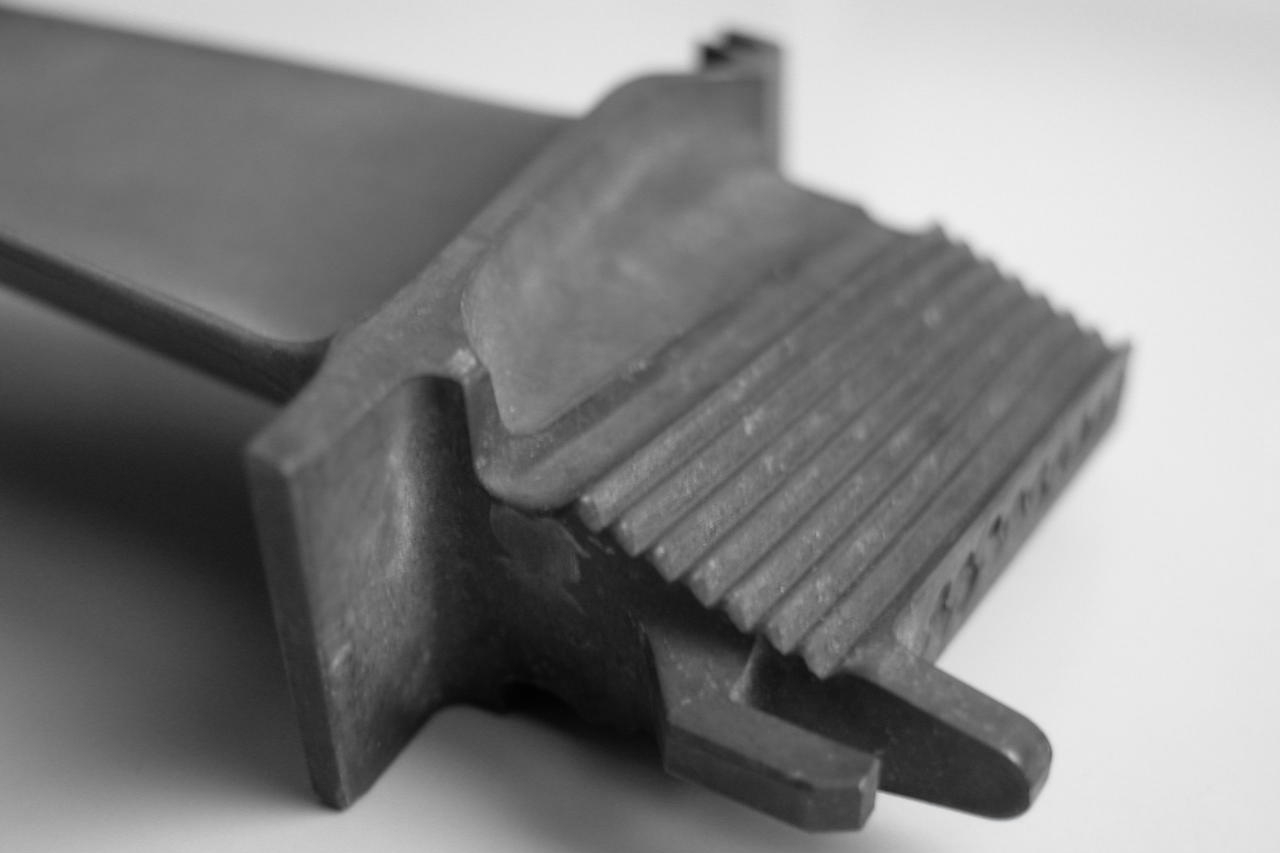
Почему выбирают штамповку для турбинных лопаток из сплавов CMSX?
Хотя сплавы CMSX обычно ассоциируются с литьем, кованые компоненты из CMSX предлагают преимущества в определенных областях применения, где важны направленная прочность и превосходная целостность поверхности:
Улучшенный контроль зерна: Изотермическая или горячая штамповка в штампах выравнивает зерна для повышения сопротивления ползучести и усталости.
Превосходное качество поверхности: Кованые поверхности менее пористые и имеют меньше литейных дефектов.
Высокая точность размеров: Штамповка минимизирует отходы материала и улучшает стабильность допусков.
Структурная целостность: Кованые лопатки демонстрируют лучшее сопротивление тепловому удару и распространению трещин.
Основные проблемы при штамповке сплавов CMSX
Проблема | Решение |
|---|---|
Узкий температурный интервал штамповки (~1100–1180°C) | Передовые штампы с контролируемой температурой и тепловое моделирование |
Чувствительность к скорости деформации | Контролируемые скорости штамповки и изотермические прессовые системы |
Чувствительность к окислению | Инертная газовая или вакуумная среда штамповки |
Кристаллографическая ориентация | Предварительно ориентированная подготовка заготовок или штамповка с затравкой для направленной целостности |
Сплавы серии CMSX для кованых турбинных лопаток
Сплав | Сопротивление ползучести | Макс. рабочая температура | Типичный тип зерна | Типичное применение |
|---|---|---|---|---|
Отличное | 1150°C | Монокристалл (SC) | Лопатки ВДТ реактивных двигателей, профили ГТУ | |
Превосходное | 1175°C | SC | Профили для военных двигателей | |
CMSX-486 | Отличное | 1130°C | SC / DS | Турбинные лопатки для силовых турбин |
Очень хорошее | 1080°C | SC | Направляющие аппараты выхода компрессора, горячая секция | |
Хорошее | 1065°C | Направленное | Лопатки первой ступени ГТУ |
Технологический процесс точной штамповки лопаток из сплавов CMSX
Подготовка слитка сплава
Высокочистый сплав CMSX готовится методом вакуумно-дуговой плавки.
Заготовки с контролируемой ориентацией предварительно обрабатываются для штамповки.
Проектирование штампа и моделирование
Индивидуальные комплекты штампов разрабатываются под профиль лопатки и особенности охлаждения.
Метод конечных элементов используется для прогнозирования деформации, течения зерна и рисков дефектов.
Горячая / изотермическая штамповка
Штамповка выполняется при 1100–1180°C с использованием прецизионных штампов.
Инертная или вакуумная среда минимизирует окисление.
Обработка после штамповки
Горячее изостатическое прессование (ГИП) для устранения остаточной пористости.
Термообработка для оптимизации микроструктуры гамма/гамма-прайм.
ЧПУ-обработка для профилей хвостовиков, вершин и поверхностей платформ.
Контроль и испытания
Неразрушающий контроль (НК) включает ультразвуковой, рентгеновский контроль и валидацию ориентации зерна методом EBSD.
Контроль размеров с точностью до ±0,01 мм.
Штамповка vs. Литье для лопаток из сплавов CMSX
Характеристика | Штамповка (CMSX) | Вакуумное литье по выплавляемым моделям (CMSX) |
|---|---|---|
Ориентация зерна | Направленная / Контролируемая | Направленная / Монокристалл |
Качество поверхности | Превосходное | Хорошее с дополнительной обработкой |
Внутренняя пористость | Минимальная (с ГИП) | Может потребовать ГИП |
Гибкость конструкции | Умеренная | Высокая |
Себестоимость производства | Выше (малые партии) | Ниже для больших объемов |
Механическая прочность | Отличная | Отличная |
Пример из практики: Кованые лопатки из сплава CMSX-4 для авиационной двигательной программы
Neway AeroTech сотрудничала с аэрокосмическим производителем для производства кованых турбинных лопаток из сплава CMSX-4 для высоконапряженной турбины военного класса. Используя штамповку с контролируемой ориентацией, ГИП и многоступенчатый цикл термообработки, мы достигли точности размеров в пределах ±0,01 мм и подтвердили выравнивание зерна с помощью EBSD. Кованые лопатки продемонстрировали сопротивление ползучести свыше 1100°C и улучшенную циклическую долговечность по сравнению с литыми аналогами.
Часто задаваемые вопросы
Предлагаете ли вы изотермическую штамповку для турбинных лопаток из сплавов CMSX?
Какой максимальный размер штамповки для профилей из сплавов CMSX?
Можете ли вы помочь с проектированием штампа и моделированием материала?
Какие виды обработки после штамповки вы предлагаете для кованых лопаток из сплавов CMSX?
Как вы проверяете ориентацию зерна и внутреннее качество после штамповки?
