Superalloy Sterilization Equipment Parts Manufacturer
A sterilization-equipment-part RFQ should define the steam, heat, cleaning, sealing, and surface-finish boundary before a supplier selects the superalloy route. Sterilization equipment parts can include trays, baskets, chamber accessories, nozzles, door-lock details, valves or valve-adjacent parts, sensor bosses, racks, support brackets, drain fittings, and heat-exposed retainers. Some parts contact steam or cleaning media. Others only support a load, locate a sensor, or hold a replaceable detail.
NewayAeroTech supports superalloy sterilization equipment parts through vacuum investment casting, special alloy casting, CNC machining, heat treatment, post-process cleaning, surface finishing, and material testing. A useful RFQ separates casting blanks, machined fittings, finished accessories, prototypes, and sample-based replacement parts.
Define steam, cleaning, and contact surfaces before quotation
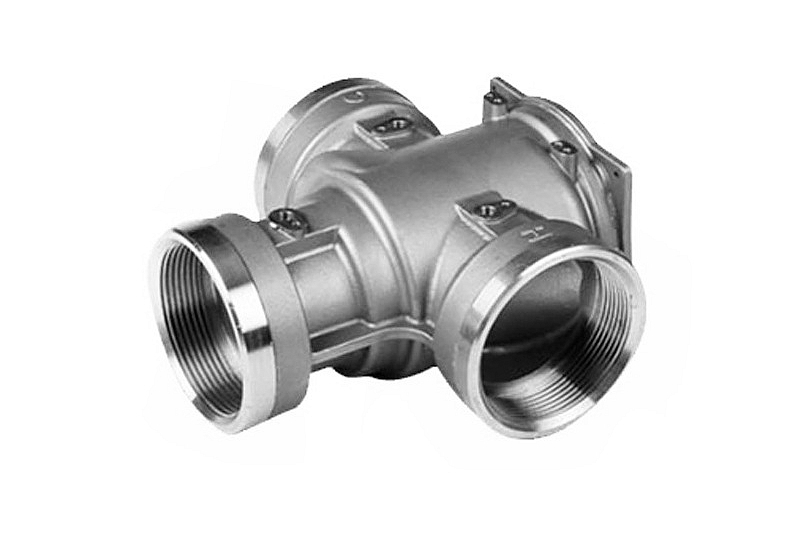
The first review should mark steam-contact surfaces, cleaning-media exposure, sealing faces, mounting holes, drain passages, and non-contact surfaces. A tray or basket may need load support and smooth surfaces. A nozzle or drain fitting needs passage cleanliness and corrosion review. A door-lock or hinge-related part may need fit, wear behavior, and surface finish. A sensor boss needs thread quality and orientation. These features should not be quoted as one generic high-temperature part.
Buyers should state temperature, steam or gas exposure, cleaning chemicals where relevant, cycle frequency, load, and whether the component is installed inside or outside the chamber. If surface finish affects cleaning or product contact, it should be specified early. The supplier cannot responsibly select post-process steps without knowing which surfaces must be smooth, clean, or protected.
Used samples can be helpful but may show residue, corrosion, distorted edges, or worn locking features. A sample should be used to understand geometry and failure mode, while acceptance should be tied to drawing notes or first-article review.
Select alloy by cleanability, corrosion, and heat exposure
Superalloys may be selected when sterilization equipment parts face repeated heat, moisture, cleaning media, corrosion, or dimensional movement. Inconel alloy casting may be reviewed for heat and strength. Hastelloy alloy casting may be reviewed when corrosion resistance is central. Stainless or titanium options may be discussed only when the media and surface requirements support them.
The material should match the part's local role. A support rack needs load stability and smooth edges. A drain fitting needs passage cleanliness and corrosion behavior. A chamber accessory may need cleanable surfaces. A door detail may need wear resistance and stable fit. The buyer should explain whether the main problem is corrosion, distortion, residue buildup, wear, or sample replacement.
Surface condition and alloy choice work together. A corrosion-resistant alloy still needs correct machining, cleaning, and post-process handling. If the buyer requires a specific finish or cleaning record, that scope should be written into the RFQ.
Choose casting, machining, or powder route by shape and quantity
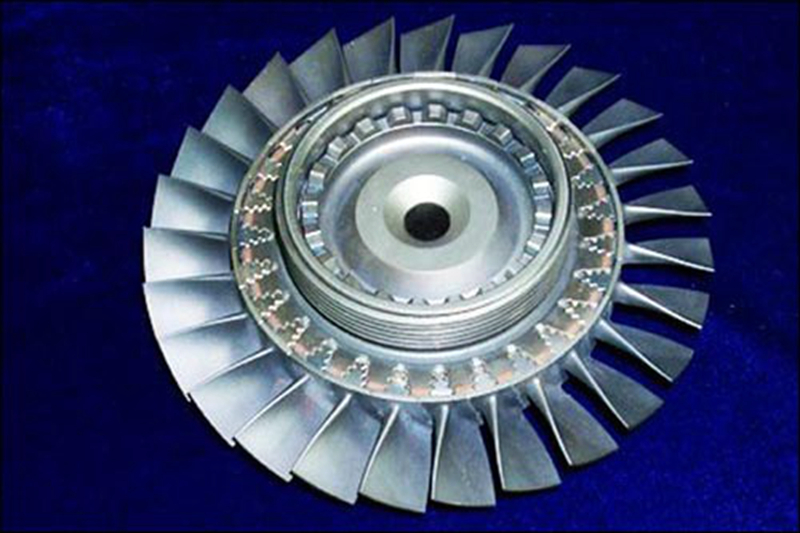
Vacuum investment casting can support brackets, nozzles, drain fittings, lock details, and irregular chamber accessories with integral bosses or curved features. A casting can reduce waste and provide near-net shape while leaving stock on sealing, mounting, and threaded surfaces. It also requires tooling, shrinkage review, surface cleanup, and first-article measurement.
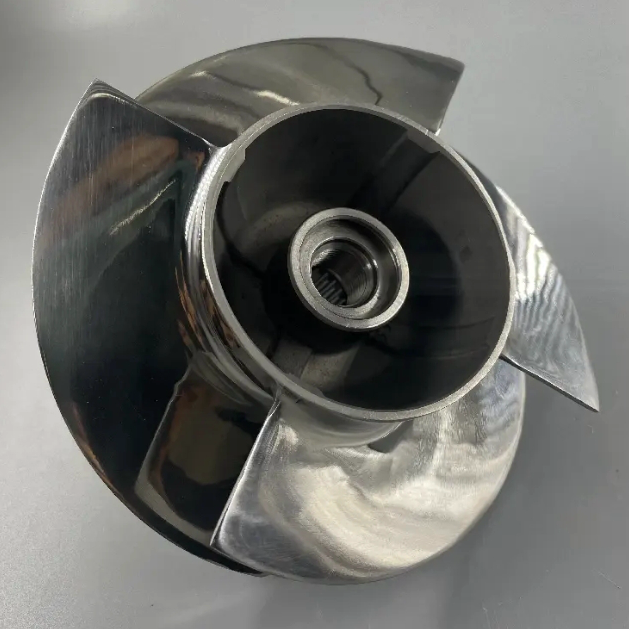
Machining may be better for simple pins, collars, sleeves, spacers, and prototype parts. Superalloy CNC machining controls holes, bores, threads, flatness, and surface finish. Powder metallurgy discussion may be relevant only when the part design and material route justify it. The supplier response should explain the selected route.
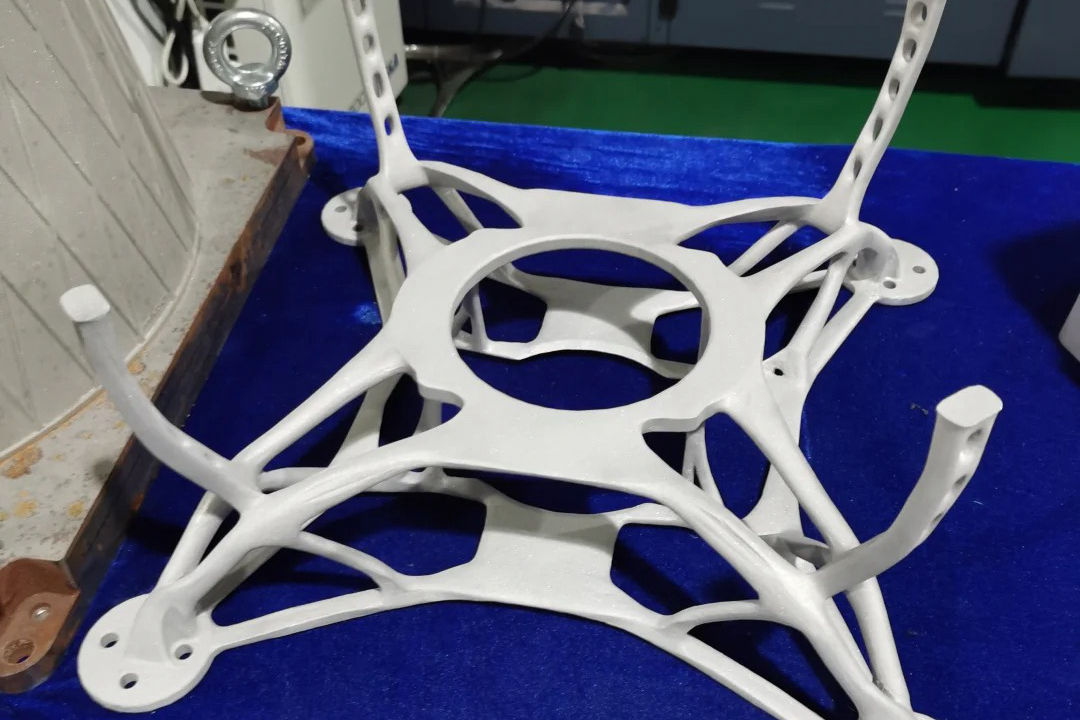
Prototype route should be labeled. A machined or printed prototype can confirm fit, drainage, or handling, but the final route still needs its own first-article validation. If the buyer expects small-batch supply, quantity range should be shared before tooling or fixture decisions are made.
Control surface finish, passages, and cleaning before delivery
Sterilization equipment parts often require controlled surfaces and clean passages. Drain holes, nozzle bores, grooves, and chamber-facing corners can trap residue or abrasive media if they are not deburred and cleaned correctly. The RFQ should state whether polishing, electropolishing, ultrasonic cleaning, visual inspection, or protected packaging is required.
Post-process work should be tied to the exact surfaces. A smooth chamber-facing surface may need different finishing from a non-contact bracket face. A thread may need clean entry and protection. A seal face may need flatness and finish. A basket or tray edge may need controlled edge break to avoid handling damage.
Machining allowance should protect final surfaces. If heat treatment can move a part, final machining should happen after thermal processing on critical faces. If a casting is used, stock should be left for sealing and threaded features while avoiding unnecessary machining on non-functional surfaces.
Build inspection evidence around fit, surface, and cleanliness
Material testing and analysis should support the part's risks. Inspection may include material chemistry, dimensional reports, visual inspection, penetrant inspection, radiographic review where agreed, hardness checks where required, surface finish, thread gauging, and cleaning evidence. The buyer should select evidence that matches the part function.
Component-level inspection should be separated from complete equipment validation. NewayAeroTech can document the supplied part against agreed drawing and process criteria. The buyer or equipment assembler remains responsible for system-level sterilization validation unless a separate scope is defined. This keeps the component quote accurate and avoids unsupported claims.
Reports should identify the surfaces that matter: steam-contact areas, drain passages, seal faces, mounting holes, threads, and finished surfaces. A focused report is more useful than a generic quality statement.
Clarify supplier scope and material-change boundary
Sterilization equipment RFQs often begin after corrosion, residue buildup, warping, or wear at a locking or support feature. If the buyer wants to change material, it should define who owns that decision and what validation follows. NewayAeroTech can advise on manufacturability, machining, finishing, and inspection evidence, while the buyer should define equipment-level approval requirements unless a separate engineering scope is agreed.
Delivery condition should be explicit. A rough casting is not equivalent to a finished chamber accessory with polishing, cleaning records, inspection reports, and protected packaging. If downstream cleaning or finishing is handled elsewhere, stock and datum assumptions should be stated. If NewayAeroTech supplies the finished part, the required surface and record package should be in the quote.
Define cleaning evidence and sample boundary before approval
Cleanable geometry should be reviewed before the first article is accepted. Corners, drain holes, grooves, and threads can trap residue even when outside dimensions are correct. If the buyer needs a specific surface condition, cleaning record, or inspection method, those requirements should be included in the quote. A part made only to a rough drawing may need additional review before it is ready for equipment assembly.
Sample-based projects need a written boundary. Sterilization equipment samples may show residue, pitting, staining, thermal discoloration, or distorted edges. These conditions can reveal service exposure, but they should not automatically become design geometry. The buyer should identify which measured features are reliable and which should be corrected in the new part. If a cleaning or polishing change is requested after first article review, the supplier should confirm whether dimensions or surface finish need reinspection.
Delivery condition should also be agreed before production. Protected packaging, surface covers, cleanliness documentation, and inspection reports can change the final scope. Those items should be visible in the supplier response rather than added after machining is complete.
Use first articles to confirm cleanable geometry and fit
A first article should verify the selected route for the exact part. For a cast fitting, it should check stock, passage cleanup, surface condition, and final machined faces. For a tray, rack, or bracket, it should check flatness, hole position, edge condition, and surface finish. For a prototype, it should state whether the part proves fit only or validates the intended route.
Small-batch supply needs revision control and cleaning records. If a sample is used, residue, corrosion loss, and damaged surfaces should be documented before approval. If the buyer needs protected packaging or cleaning documentation, that should be included before production begins.
What to send for a sterilization equipment part RFQ
A complete RFQ includes drawings, models, material requirement, temperature, steam or cleaning-media exposure, cycle frequency, load, contact surfaces, sample photos if available, surface-finish expectations, cleaning requirements, quantity range, and inspection requirements. For pharmaceutical and food, chemical-processing, or energy equipment, the part function and cleaning exposure are more useful than the industry label.
The supplier response should separate material review, casting or machining route, powder-route assumptions where relevant, machining stock, heat-treatment sequence, surface finishing, cleaning scope, inspection evidence, and open questions. If the quote covers one part rather than complete equipment, that boundary should be explicit.
NewayAeroTech's value is connecting superalloy manufacturing to heat, corrosion, cleanability, geometry, and inspection evidence. A clear RFQ gives both sides a controlled route from sample or drawing to small-batch supply with clear delivery and cleaning records before buyer release approval records.
Related FAQs
What are the most suitable superalloys for sterilization equipment parts?
How does powder metallurgy benefit the production of superalloy sterilization equipment parts?
What quality inspection methods ensure superalloy sterilization parts meet standards?
How does 3D printing support prototyping for superalloy sterilization parts?
Electropolishing for aerospace: enhancing corrosion resistance and surface integrity