How does 3D printing support prototyping for superalloy sterilization parts?
Rapid Iteration and Design Validation
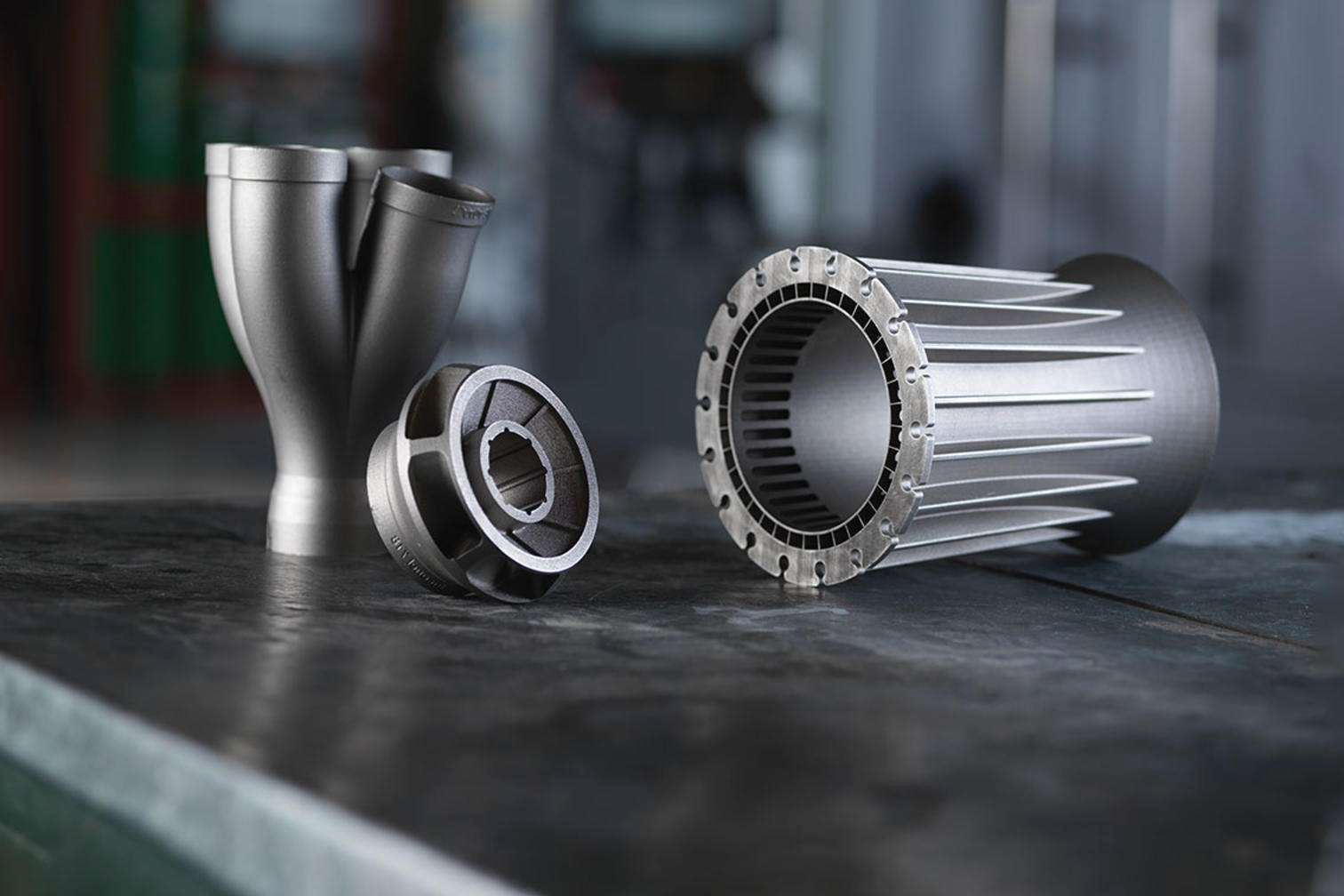
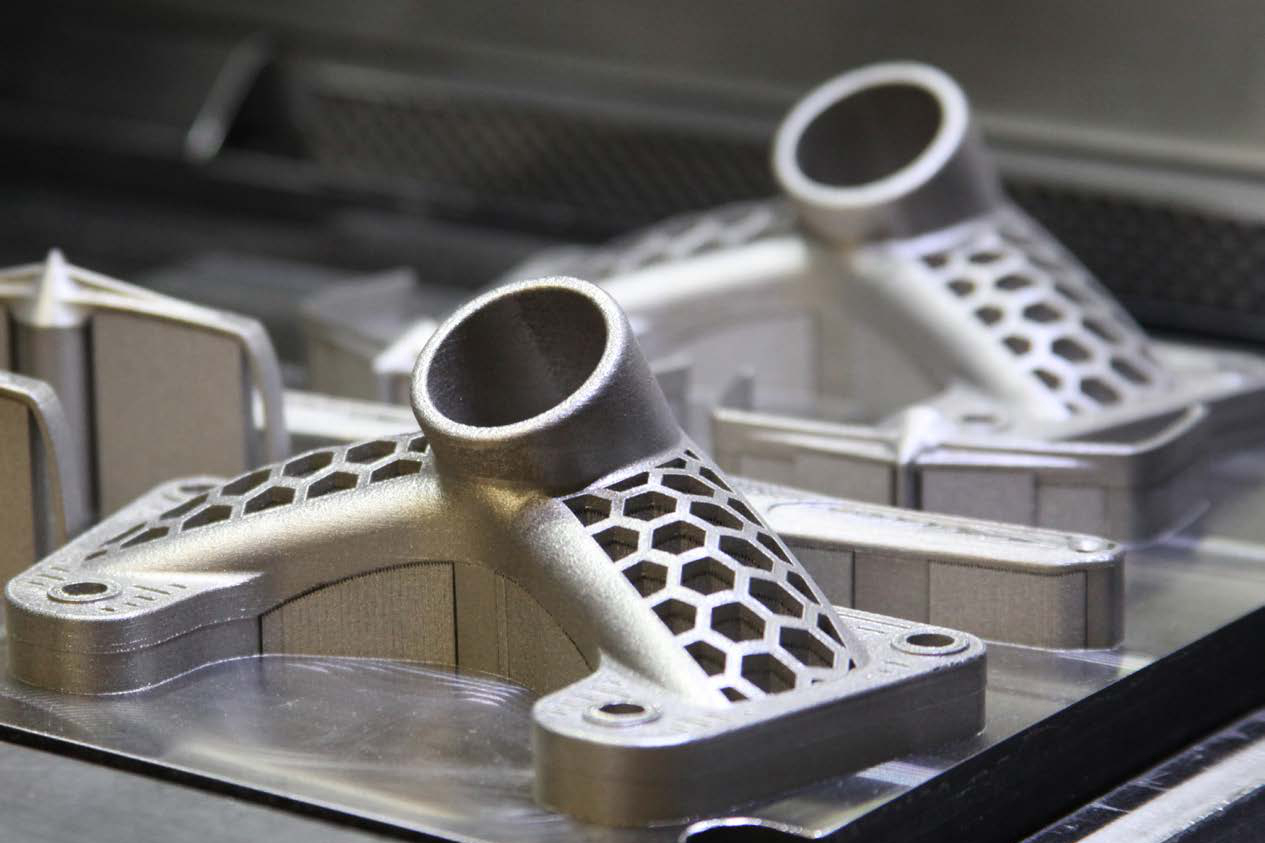
Prototyping sterilization components requires fast geometry validation and functional testing. superalloy 3d printing enables rapid production of near-net shape prototypes, eliminating the need for complex tooling. Engineers can optimize flow channels, mounting interfaces, and sealing surfaces quickly, enabling more accurate design evaluation before final production.
Complex Internal Structures
Sterilization components often require internal flow passages for steam, pressure equalization, or cooling. Additive manufacturing supports design freedom beyond traditional machining, especially when building parts using materials like Inconel 625. Internal channels that would be difficult or impossible to machine can be printed directly, ensuring better temperature regulation and minimizing leakage risks in sterilization environments.
Material Performance Validation
During prototyping, engineers must confirm that alloy properties meet long-term sterilization requirements. Material behavior is evaluated through material testing and analysis to assess corrosion resistance, microstructure consistency, and fatigue behavior. When required, printed parts are post-treated using hot isostatic pressing (HIP) to eliminate porosity and improve mechanical strength, allowing prototypes to approach production-level quality.
Hybrid Processing for Functional Prototypes
Functional prototypes often require precision tolerances for sealing interfaces and tube connections. These features are refined using superalloy CNC machining after 3D printing to achieve final specification. When sterilization components are destined for regulated environments such as pharmaceutical and food processing, this hybrid approach helps demonstrate compliance with both design and surface cleanliness requirements.
Scalability and Production Transition
Once a prototype is validated, transition to small-batch or full-scale manufacturing can be achieved with lower risk using additive data. Superalloy printing supports production planning by assessing material behavior and predicting post-processing requirements. Design freedom enables better integration with manufacturing routes such as vacuum investment casting or powder metallurgy for optimized cost and performance balance.