What are the most suitable superalloys for sterilization equipment parts?
Alloy Selection for Sterilization Environments
Sterilization equipment components are continuously exposed to steam, high-pressure environments, and chemical disinfectants. Superalloys must therefore offer corrosion resistance, stress stability, and dimensional reliability under cyclic temperature loads. Alloys such as Inconel 625 and Monel 400 are widely used due to their resistance to chloride-induced corrosion and high-temperature oxidation. For components that must maintain structural rigidity at elevated temperatures, nickel-based alloys with stable gamma-prime strengthening phases are preferred in high-pressure sterilization chambers.
Resistance to Corrosion and Steam Fatigue
Moisture and disinfectants accelerate stress corrosion cracking in low-grade metals. Hastelloy C-22 and Hastelloy C-2000 offer strong resistance to aqueous corrosion, making them suitable for high-pressure steam lines, valve housings, and sterilization chambers. These alloys perform reliably in acidic, alkaline, and pharmaceutical cleaning environments, ensuring consistent mechanical performance. Steam fatigue performance can be upgraded with optimized superalloy heat treatment to preserve microstructure.
Manufacturing Processes and Component Precision
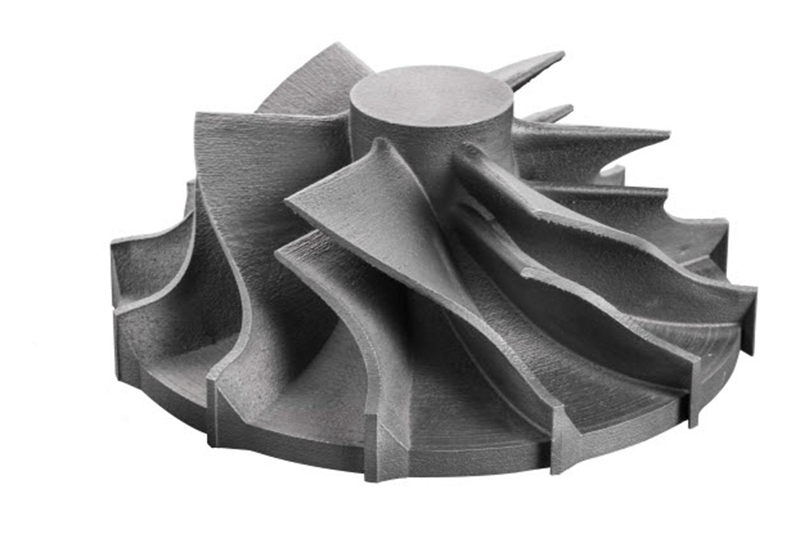
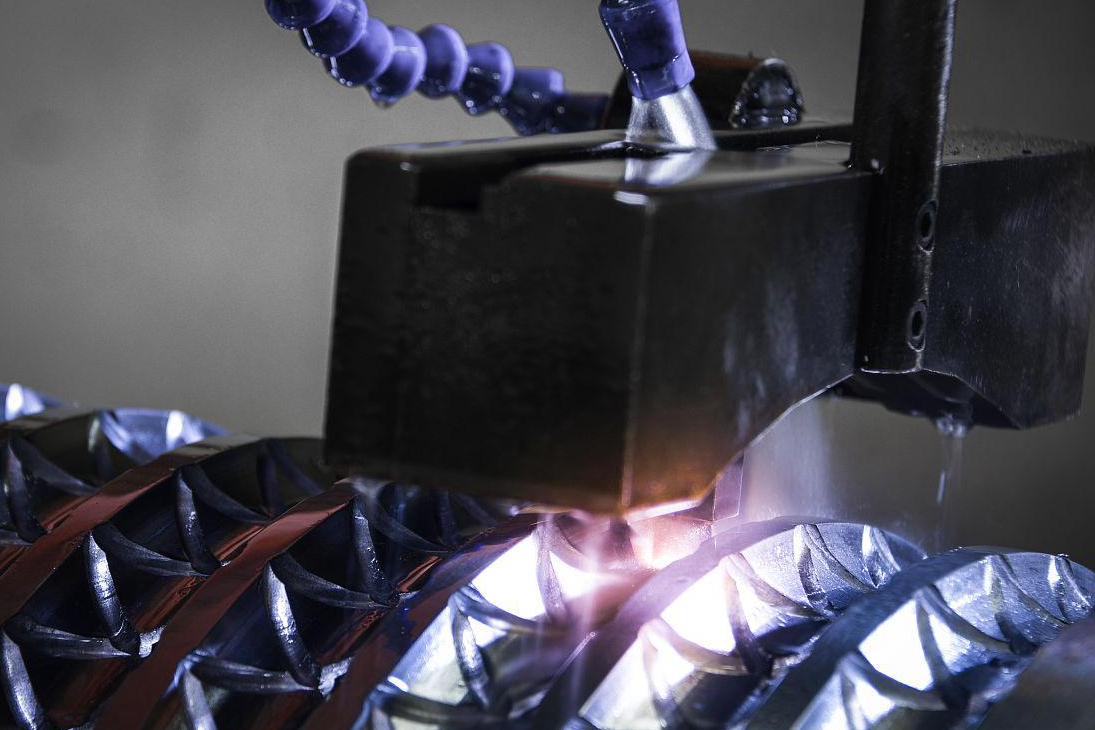
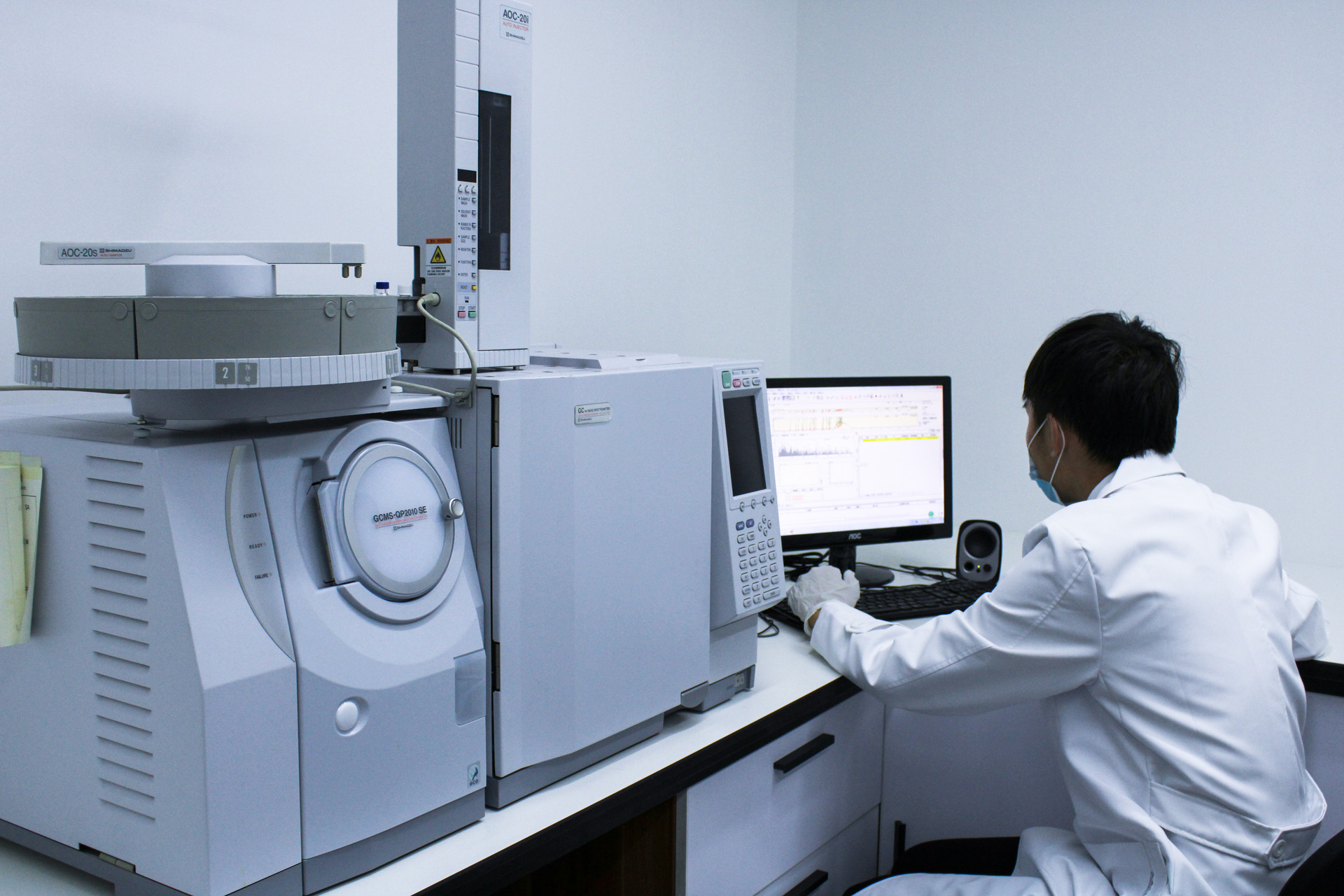
The manufacturing of sterilization components often involves thin walls, threaded connections, and precise flow channels. Techniques such as vacuum investment casting and superalloy CNC machining provide excellent dimensional accuracy. When complex geometry and lightweight design are required, superalloy 3d printing allows integration of internal flow passages for steam circulation. Process validation with material testing and analysis helps certify components for regulated applications in pharmaceutical and medical equipment sterilization systems.
Durability and Thermal Cycling Performance
Repeated sterilization cycles introduce high thermal gradients, which may induce creep or fatigue failure over time. Superalloys like Nimonic 263 are preferred for applications where fatigue strength and crack resistance are essential. Post-processing measures such as hot isostatic pressing (HIP) further enhance long-term durability by removing internal voids and improving grain consistency.
Industry Application Relevance
Sterilization technologies are heavily used across medical, laboratory, and biotechnology sectors. Component reliability must be aligned with the stringent operational requirements seen in pharmaceutical and food and contamination-sensitive aerospace and aviation environments. High-performance superalloys ensure dimensional stability and resistance to material degradation during sterilization cycles across the equipment lifecycle.