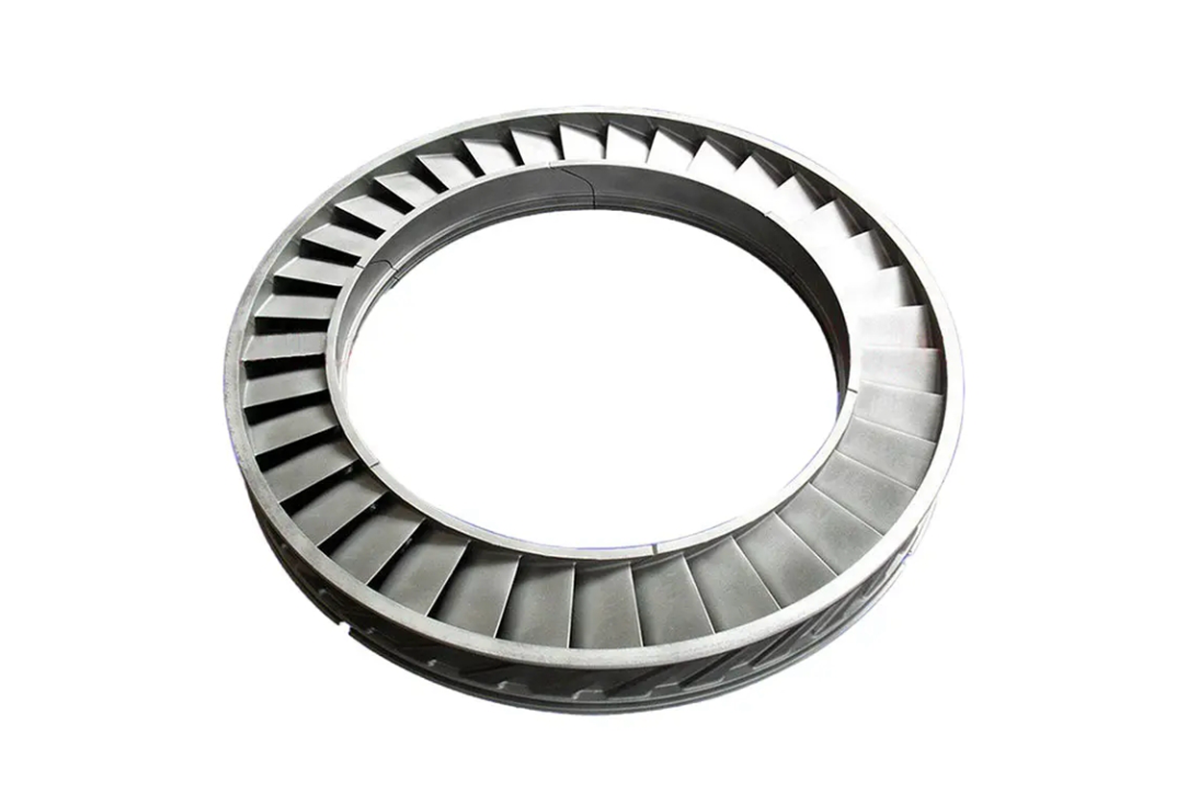
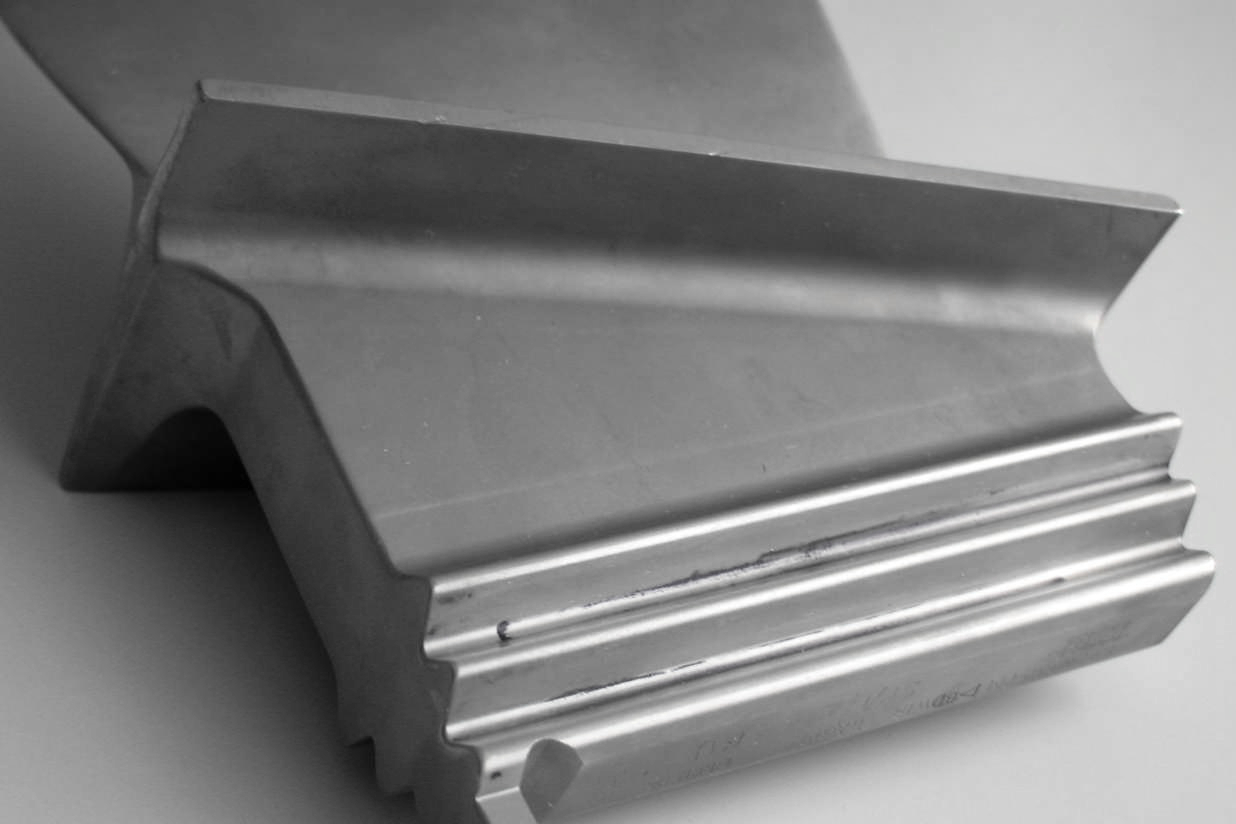
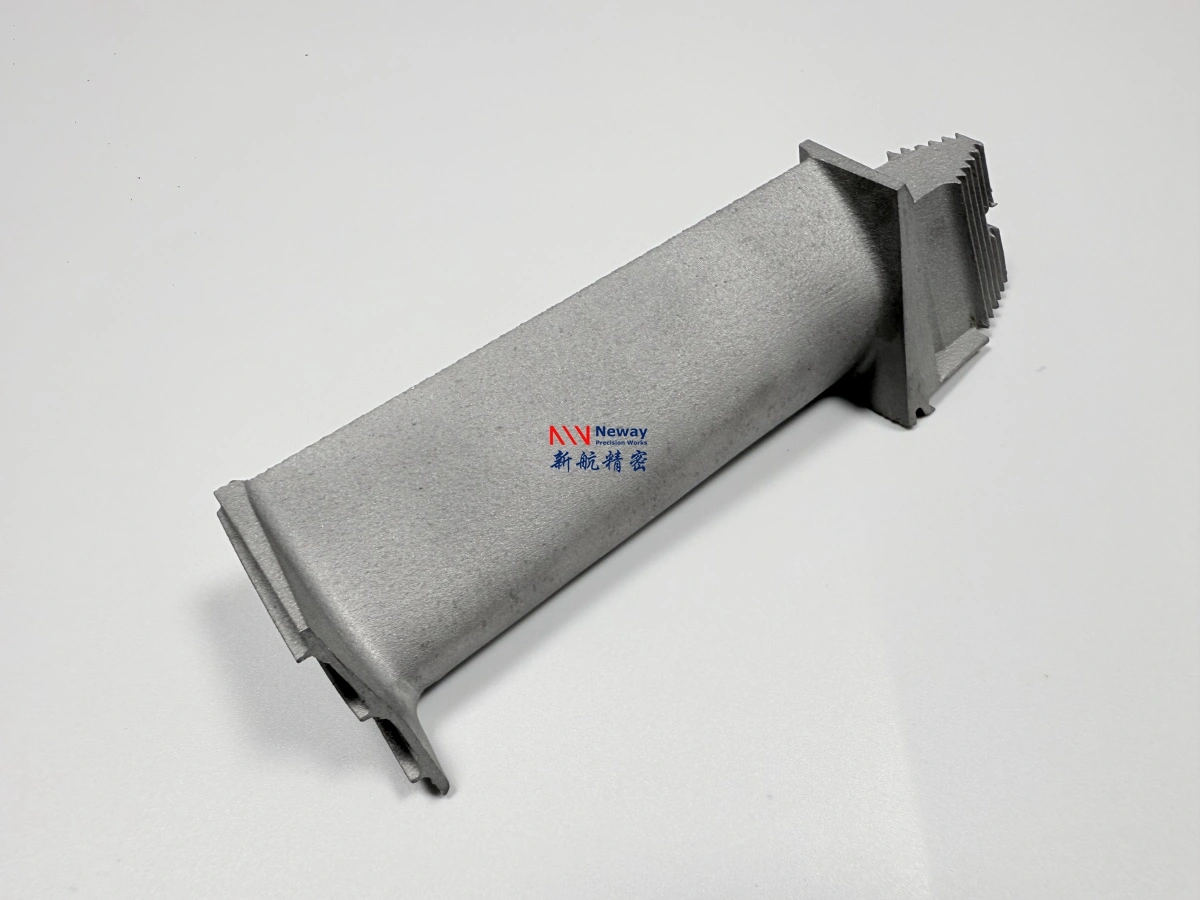
Nickel-Based Alloy Seawater Pump Segments Production Center
A nickel-based alloy seawater-pump-segment RFQ should start with the wetted geometry and pump duty, not with a broad request for corrosion-resistant metal. Seawater pump segments may include casing sections, wear rings, diffuser segments, impeller-adjacent inserts, bearing-support details, cover plates, flow-straightening parts, or split replacement pieces used around a larger pump assembly. Their quotation risk comes from chloride exposure, erosion, seal alignment, machined fits, and whether the buyer wants a cast blank, finished segment, or sample-based replacement.
NewayAeroTech reviews seawater and pump-related alloy components through vacuum investment casting, special alloy casting, superalloy CNC machining, heat treatment, and material inspection. For buyers, the most useful RFQ describes where seawater touches the part, which faces seal or locate, how much wear is acceptable in the current sample, and what inspection evidence is needed before installation.
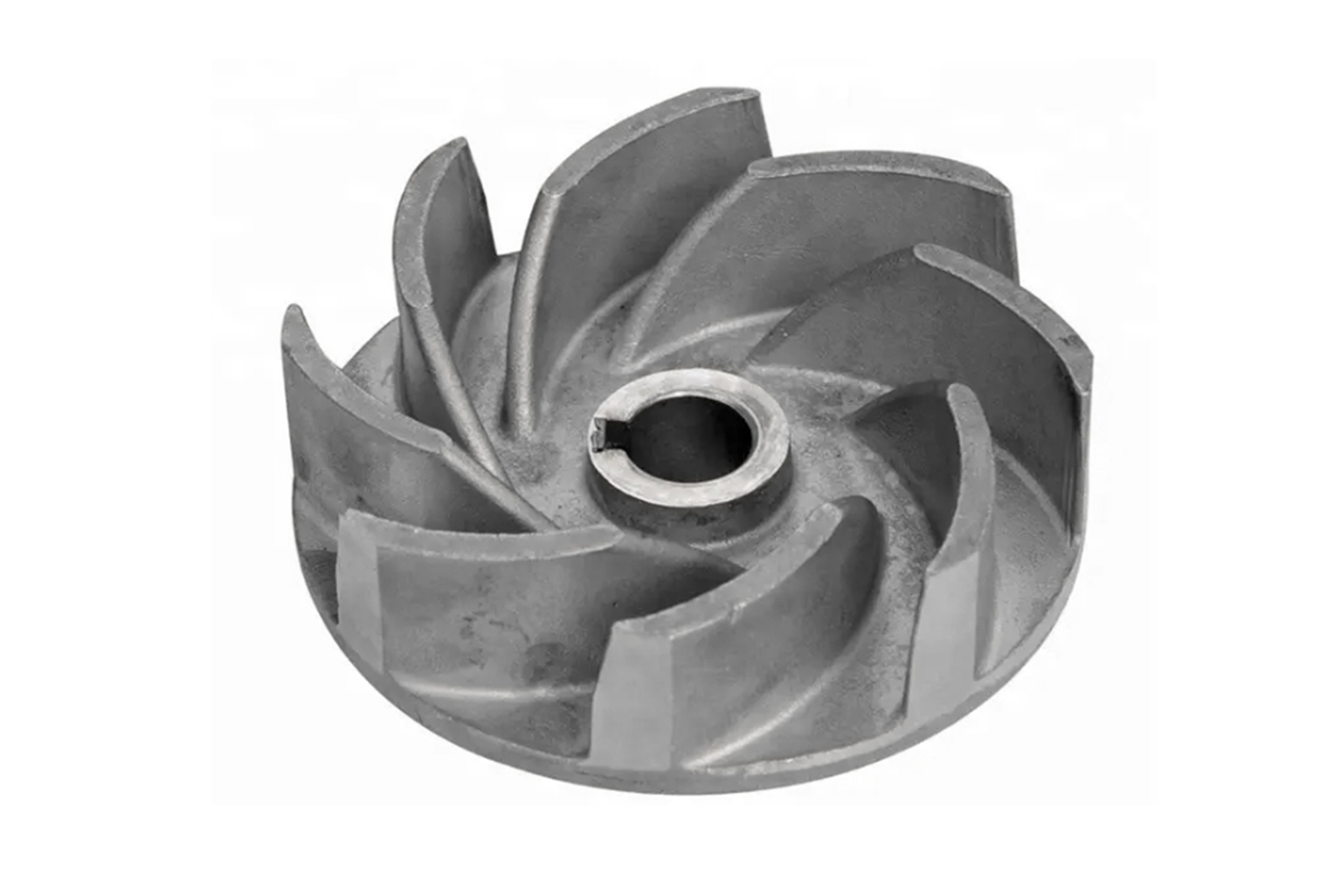
Identify the seawater-contact boundary and pump segment role
The first review step is to identify the segment type. A wear ring controls clearance and rubbing risk. A casing insert supports pressure boundary and alignment. A diffuser or flow segment controls passage shape and turbulence. A cover plate segment may combine bolt loading, seal compression, and corrosion exposure. A bearing-support or sleeve-adjacent feature may have tighter concentricity requirements than an outer hydraulic wall. These differences should be visible in the RFQ package.
Seawater exposure also needs detail. A part that sees continuous seawater, intermittent seawater, warm brine, treated water, or condensate may need different material and surface review. The buyer should list chloride exposure, temperature, whether the pump handles abrasive particles, and whether the component sees galvanic contact with adjacent materials. A nickel alloy may be appropriate for one wetted zone and excessive for another, so the reason for the alloy choice matters.
If the part is based on a removed sample, the buyer should show where erosion, pitting, rubbing, or assembly damage is present. A used sample can guide reverse measurement, but worn regions should not be copied as nominal geometry. The supplier needs to know whether the goal is manufacturing a direct-fit replacement, improving a wear feature, or producing a first article for buyer validation.
Choose nickel alloy by corrosion, erosion, and fit requirements
Nickel-based alloys are often considered for seawater pump segments because they can support corrosion resistance, strength, and stability in demanding wetted environments. The alloy still has to be matched to the part. Monel alloy vacuum investment casting may be reviewed for seawater-contact applications where copper-nickel behavior is useful. Hastelloy alloy casting may be considered when corrosion resistance is more severe. Other nickel alloys may be reviewed when strength, wear, or temperature also matter.
The buyer should avoid treating all nickel alloys as interchangeable. A wear ring may prioritize rubbing behavior and dimensional stability. A casing segment may prioritize casting soundness and pressure-related geometry. A flow segment may prioritize surface condition and smooth transitions. A flange or cover part may prioritize bolt pattern, flatness, and gasket compression. Material selection should be reviewed together with casting route, machining stock, and inspection scope.
Galvanic contact should also be discussed when the pump assembly includes mixed metals. The supplier may not control the complete pump design, but it can flag material-interface questions and document the alloy used for the supplied segment. Buyers should provide adjacent material information when corrosion risk is a primary reason for the RFQ.
Select the casting route for flow passages and split segments
Vacuum investment casting is useful when a seawater pump segment has curved passages, variable wall thickness, integral ribs, lugs, or surfaces that would waste material if fully machined from billet. A near-net casting can preserve hydraulic shape while leaving stock on sealing, bolting, and locating surfaces. It can also help produce small batches of complex replacement segments when tooling and first-article review are justified.
The casting route must be planned around thick-to-thin transitions, pocketed regions, and areas where shrinkage or surface defects would affect function. For a split casing segment, the joint face and bolt areas may need more machining stock than the outer hydraulic wall. For a flow component, internal passage quality may drive shell removal, cleaning, and visual access. For a wear ring or sleeve-like segment, concentricity and roundness may make machining route more important than casting shape.
Machined-from-solid production may still be the better choice for simple rings, flat plates, or early prototypes. A buyer can request both route options when quantity, geometry, and tooling schedule are uncertain. The supplier's response should explain what changes between the options: tooling need, material waste, machining time, inspection evidence, and first-article risk.
Control machining stock, seal faces, and pump-fit datums
Seawater pump segments often fail at interfaces, not at the broad as-cast surface. Seal faces, wear surfaces, bolt holes, dowel features, split-line faces, grooves, and concentric bores should be marked as functional before quotation. The supplier needs enough stock to machine those features after casting and heat-related movement, but excessive stock can distort thin sections or increase cost. A clear machining allowance plan protects both performance and price.
Datum strategy should be agreed early. A segment that is one part of a circular assembly may need inspection against a theoretical pump centerline. A split component may need two joint faces controlled together. A wear ring may need inside diameter, outside diameter, and face runout reviewed as a set. If the RFQ only shows general tolerances, the supplier may not know which measurements decide acceptance.
For sample-based work, worn seal faces should be compared against surrounding geometry. Pitting, rubbing, and fretting marks can reveal operating issues, but they should not automatically become new dimensions. Buyers should identify whether they want a replacement to match the original design, match the current worn sample for fit, or support an engineering review before production.
Plan post-process work and cleanliness for wetted pump parts
Post-process work for seawater pump segments should be tied to wetted surfaces, machined sealing faces, and trapped-media risk. Blasting, polishing, passivation-like surface preparation where applicable, cleaning, and handling protection can all affect how the part installs. Internal corners and flow passages should not trap abrasive residue. Machined seal faces should be protected after final inspection so they do not arrive scratched or contaminated.
Heat treatment should be reviewed when the selected alloy and route require it, but it should be coordinated with final machining. If a ring or segment moves during thermal processing, final machining should happen afterward on the surfaces that control fit. If the part is thin and asymmetric, the supplier may need fixturing or process sequencing to reduce distortion risk.
When internal soundness is a concern in a cast segment, hot isostatic pressing may be reviewed for suitable alloys and geometries. The buyer should ask what risk the process addresses and how the result will be inspected. A post-process list has little value unless it is connected to the component's seawater exposure and pump-fit requirements.
Build the inspection package around corrosion, fit, and flow
Material testing and analysis should confirm the alloy and support the acceptance criteria agreed in the RFQ. For cast segments, inspection may include dimensional reports, visual inspection, penetrant inspection, radiographic review where applicable, material chemistry, hardness checks where required, and surface review on wetted areas. For machined segments, CMM data, bore measurements, flatness, roundness, surface finish, and thread or hole gauging may be more important.
Hydraulic surfaces should be checked differently from assembly faces. A flow passage may need smooth transitions and no harmful residue. A seal land may need flatness and finish. A wear ring may need diameter and concentricity. A bolting face may need hole position and thread condition. The buyer should identify which evidence must be included with the first article, which evidence is needed for each batch, and which system tests remain under the pump assembler.
Inspection language should avoid vague requests such as full quality check. A focused inspection plan gives the supplier a measurable route and gives the buyer evidence that speaks to the actual failure risks: corrosion, leakage, rubbing, misalignment, and flow disruption.
What to send for a seawater pump segment RFQ
A useful RFQ package includes the drawing, 3D model, current or preferred alloy, pump segment type, media exposure, temperature, pressure or sealing notes, adjacent materials, quantity range, current sample photos if available, and required inspection records. For marine, oil and gas, or chemical-processing systems, the buyer should describe the environment instead of relying only on the industry name.
If the part is a replacement segment, include the worn sample condition and the assembly function. If the part is new, include critical surfaces and drawing revision status. If the quantity may increase after first article approval, state the expected release range so the supplier can recommend tooling and fixture strategy. Clear volume and revision information can change the best route.
NewayAeroTech's review should return a route proposal covering alloy selection, casting or machining plan, machining allowance, post-process scope, inspection evidence, and open technical questions. That response gives buyers a practical basis for comparing suppliers and reduces the chance of receiving a low quote that ignores seawater corrosion, pump fit, or first-article validation.
Related FAQs
What are the primary advantages of using nickel-based alloys for seawater pump segments?
How does vacuum investment casting improve the production of seawater pump segments?
What are the key tests conducted to ensure the quality of seawater pump segments?
How does rapid prototyping reduce time-to-market for seawater pump segments?
What industries benefit the most from high-performance seawater pump segments?