Nickel-Based Alloy Brake System Accessories Fabrication Plant
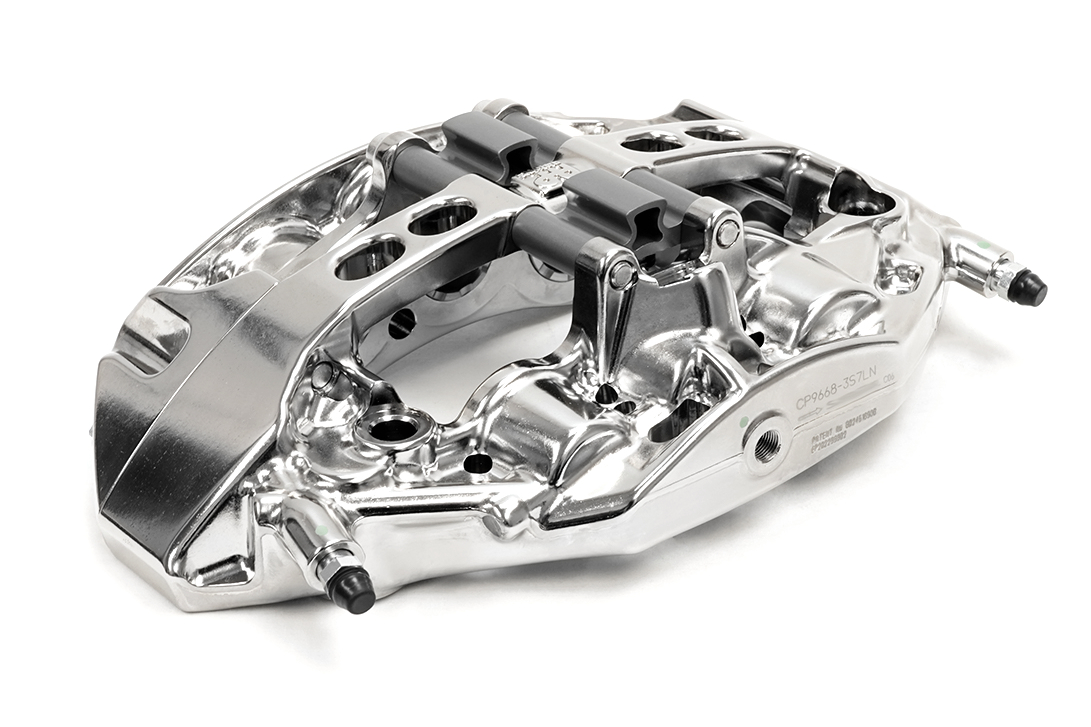
A nickel-based brake-system-accessory RFQ should define heat input, friction-adjacent surfaces, and installation interfaces before a supplier chooses the route. Brake accessories can include pistons, guide sleeves, retainer rings, heat shields, brackets, bushings, spacer details, wear inserts, sensor bosses, and other parts that support a braking assembly without necessarily being the full brake disc or caliper. The manufacturing risk often sits in local heat exposure, sliding contact, hole position, and surface finish.
NewayAeroTech supports high-temperature brake-related accessories through vacuum investment casting, special alloy casting, powder metallurgy review where suitable, CNC machining, heat treatment, post-process work, and inspection. A useful buyer RFQ separates prototype fit-check parts, cast blanks, machined wear features, and finished accessories ready for the buyer's next assembly step.
Define the brake accessory function and heat boundary
The first review should identify whether the accessory carries load, guides movement, shields heat, locates a sensor, or protects a mating surface. A piston or guide sleeve may need sliding fit and surface finish. A heat shield may need stable contour and oxidation resistance. A retainer may need spring or clamp function under thermal cycling. A bracket may need hole position and vibration resistance. Each function requires a different manufacturing route and inspection plan.
Buyers should state the thermal zone, adjacent friction surfaces, expected contact pattern, assembly load, and whether the accessory is replaceable. A replaceable wear insert can be optimized differently from a bracket that supports a larger assembly. A heat shield may accept different surface criteria than a guide sleeve. The supplier needs these details before it can judge nickel alloy, cobalt alloy, stainless, or another high-temperature material option.
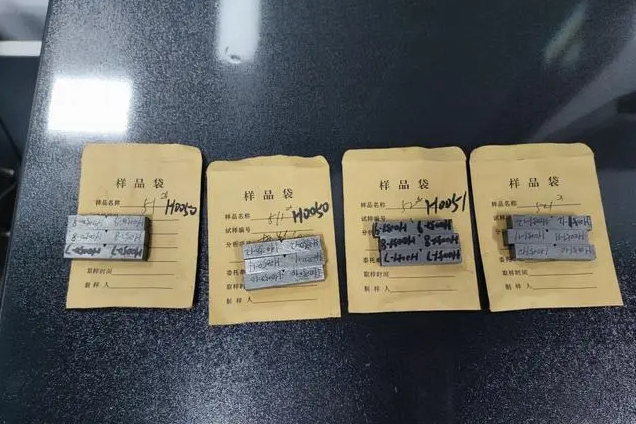
Used samples should be treated carefully. Brake accessories can show rubbing marks, thermal discoloration, distortion, fretting at mounting holes, and surface damage from removal. Those marks help identify service conditions, but they should not all become new nominal dimensions. The buyer should provide controlled drawings or agree on first-article acceptance criteria when the drawing is incomplete.
Choose material by heat, wear, and machining requirements
Nickel-based alloys may be reviewed when a brake accessory faces high temperature, oxidation, and dimensional stability requirements. Inconel alloy casting can be considered for heat-exposed features. Stellite alloy casting may be reviewed for wear-facing details. Titanium alloy casting may be considered only when the assembly environment and material pairing support it.
The selected material should match the accessory's local duty. A guide sleeve needs wear and sliding behavior. A sensor boss needs thread quality and thermal stability. A retainer needs geometry that does not relax unexpectedly under heat. A shield needs surface behavior and contour control. A mounting bracket needs hole position after processing. Buyers should explain the current failure mode or design concern so the supplier can choose a practical process route.
Material choice also affects machining. Nickel and cobalt alloys can increase tool wear, especially on small grooves, deep holes, thin edges, and hard contact surfaces. The RFQ should include critical features and quantity range so the supplier can choose machining, casting, or powder route assumptions intelligently.
Select casting, machining, or powder route by part geometry
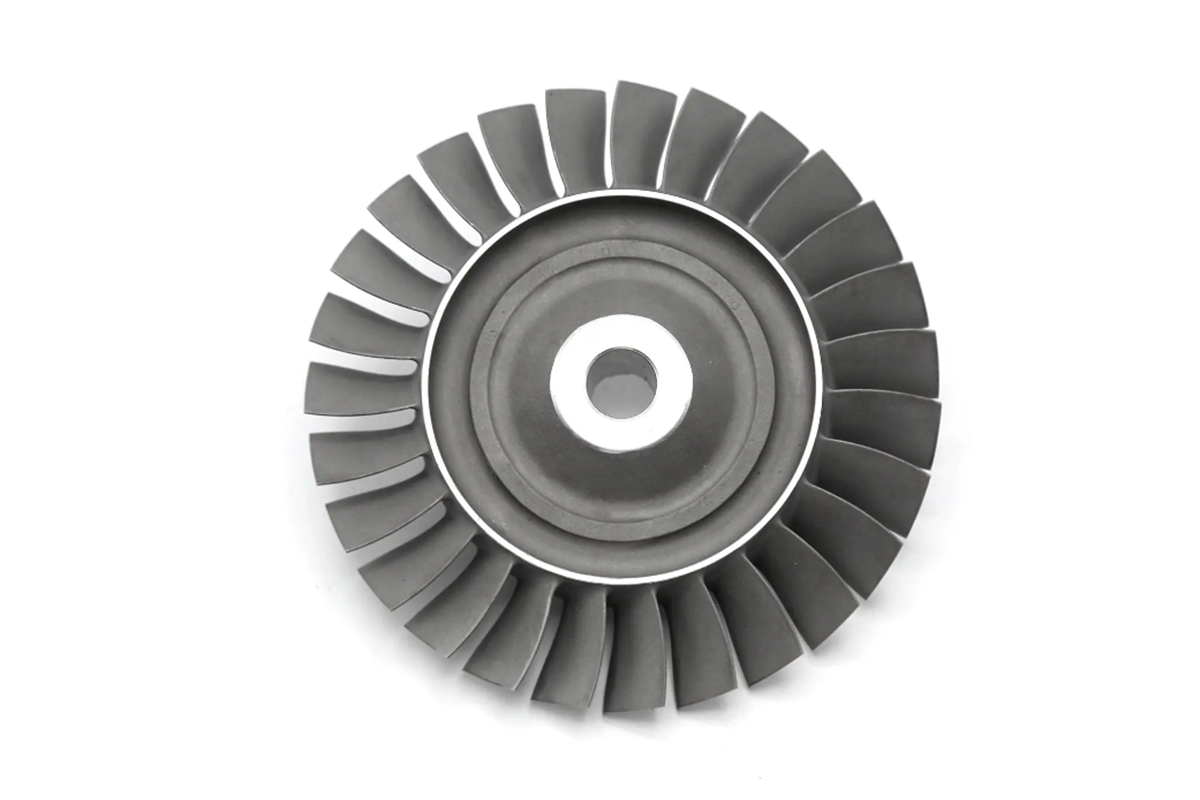
Vacuum investment casting can support brackets, bosses, shaped shields, retainers, and compact accessories with three-dimensional features. It can reduce material waste and provide near-net form while leaving stock on sliding, sealing, or mounting surfaces. It also requires tooling, gating review, shrinkage control, surface cleanup, and first-article inspection. The buyer should state whether the part is supplied as a casting blank or finished machined accessory.
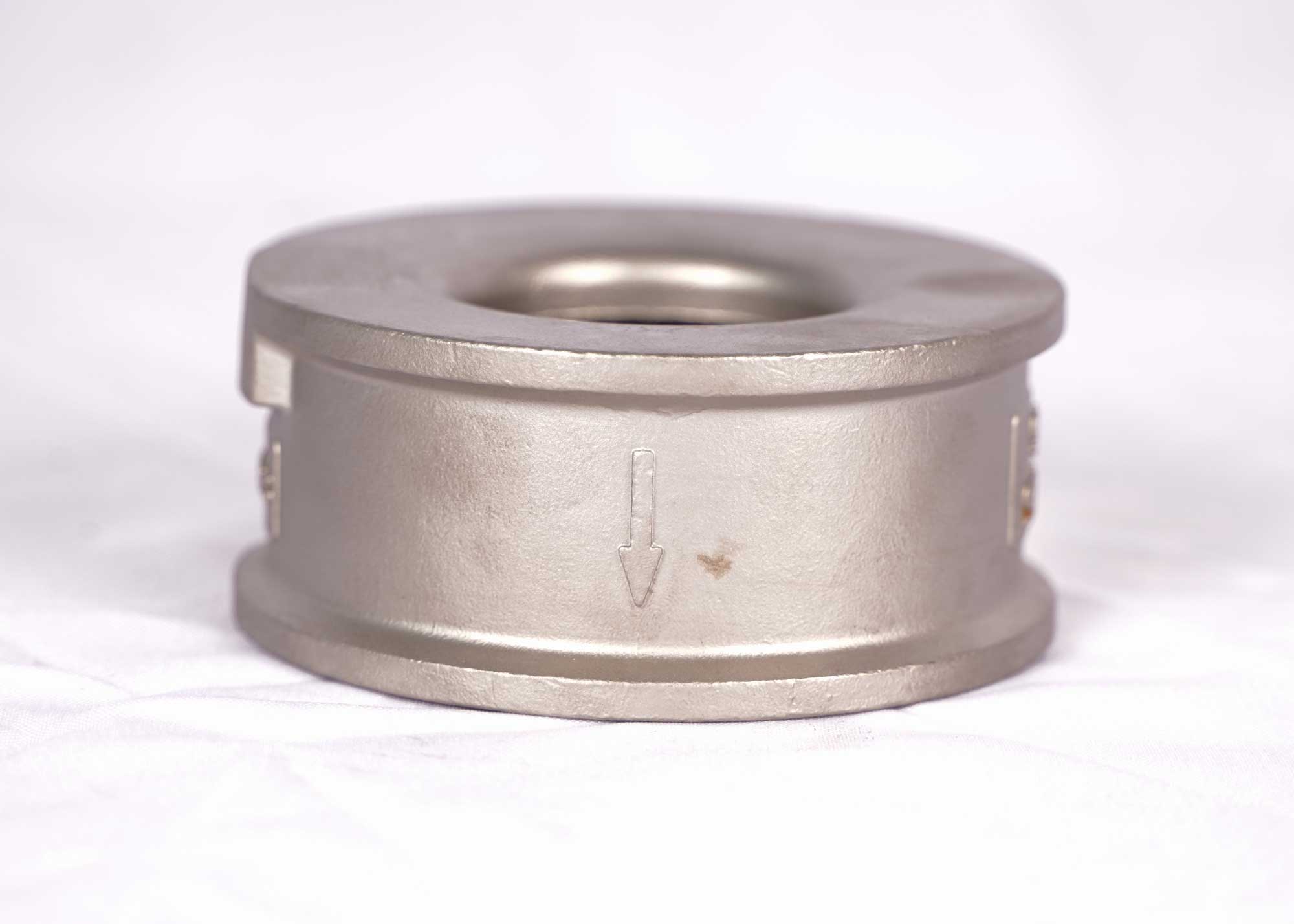
Superalloy CNC machining may be better for simple sleeves, spacers, pins, bushings, and prototype details. It controls bores, grooves, threads, flatness, and surface finish. Powder metallurgy discussion may be relevant only when the buyer's design and material route justify it. It should not be added to every brake accessory quote by default.
Rapid prototyping can help when the buyer is still checking fit, clearance, and assembly movement. A prototype may confirm envelope and mounting, while the final alloy route still needs its own validation. The quote should label what the prototype proves and what remains to be verified in the production route.
Control machined surfaces and thermal movement
Brake system accessories often have small surfaces that decide assembly function. A bore may guide movement. A slot may locate a retainer. A contact pad may transfer load. A shield edge may need clearance. A threaded sensor boss may need orientation and clean entry. The RFQ should mark these features as functional and identify which surfaces are final-machined.
Machining allowance should be planned around heat treatment and post-process work. Too little stock can leave surface variation at a guide or contact face. Too much stock can distort thin or asymmetric features. Heat treatment should be sequenced so critical holes, bores, and contact surfaces are accepted after final processing. If the part can move during thermal processing, finish machining should be planned after that step.
Surface finish and edge condition should be specified where the accessory contacts another part. Burrs, sharp edges, or rough surfaces can interfere with movement or accelerate wear. These are manufacturing requirements, not cosmetic preferences, and they should be in the RFQ before the supplier prices the job.
Build inspection evidence around fit, heat, and wear features
Material testing and analysis should support the actual accessory risk. Cast parts may need chemistry, visual inspection, dimensional reports, penetrant inspection, radiographic review where agreed, and hardness checks where required. Machined sleeves, bushings, or brackets may need CMM data, bore measurements, surface finish, flatness, thread gauging, and edge-condition inspection.
The buyer should separate component-level evidence from brake-system validation. NewayAeroTech can document the supplied accessory against agreed drawing and process requirements. The buyer or brake assembly owner remains responsible for full system validation unless a separate test scope is defined. This boundary prevents a component quote from implying unsupported assembly performance.
A good inspection package identifies the features that control acceptance. A guide sleeve report should show bore and surface condition. A bracket report should show hole position and flatness. A shield report should show contour and mounting fit. A retainer report should show slot or contact dimensions. That evidence helps buyers compare suppliers on manufacturing logic instead of generic quality wording.
Define material-change responsibility before replacing an old accessory
Brake accessory RFQs often begin when an older part is difficult to source or shows wear that the buyer wants to reduce. If the requested material differs from the original, the buyer should define who owns the material-change decision and what validation is required after the first article. A component supplier can advise on manufacturability, machining risk, heat-treatment sequence, and inspection evidence, but it should not silently assume responsibility for the entire brake assembly design.
The RFQ should also identify mating parts and contact pairs. A harder sleeve may change wear on the mating surface. A different shield alloy may change thermal expansion at the mounting holes. A new retainer material may require a revised bend or slot detail. These questions should be discussed before manufacturing begins, not after the first batch is installed.
Use first articles to confirm fit before small-batch supply
A first article should prove the chosen route for the exact accessory type. A cast retainer should be checked for stock, surface condition, and final machined features. A machined sleeve should be checked for bore geometry, finish, and edge condition. A heat shield should be checked for contour, hole position, and surface preparation. A prototype should be labeled as fit-check or route-validation evidence, not both by assumption.
Small-batch supply needs revision control and repeatable inspection. If multiple accessories work together, the buyer should state whether parts are interchangeable, paired, or matched to a location. If a sample is used, worn and deformed areas should be documented before approval. These details protect the next release after the first article is accepted.
What to send for a brake system accessory RFQ
A complete RFQ includes drawings, models, sample photos if available, current material, candidate material, thermal exposure, wear or contact surfaces, quantity range, critical dimensions, heat-treatment expectations, and inspection requirements. For aerospace and aviation, automotive, or energy equipment, the accessory function and heat zone are more useful than the industry name alone.
The supplier response should separate material review, manufacturing route, machining stock, heat-treatment sequence, post-process scope, inspection evidence, and open questions. If the request is for a single component, the quote should not imply complete brake-system responsibility. If the buyer needs a finished accessory ready for assembly, the functional surfaces and records should be stated.
NewayAeroTech's value is matching nickel-based alloy processing to heat, wear, and fit requirements in brake-related accessories. A clear RFQ gives both sides a practical path from prototype or sample to controlled small-batch supply.
Related FAQs
What is the best manufacturing process for superalloy brake system accessories?
How does 3D printing improve prototyping for brake system accessories?
What types of superalloys are most commonly used in brake system accessories?
How does the heat treatment process enhance the durability of superalloy brake parts?
What quality control measures are used to inspect brake system accessories made from superalloys?