How does 3D printing improve prototyping for brake system accessories?
Rapid Prototyping and Cost Efficiency
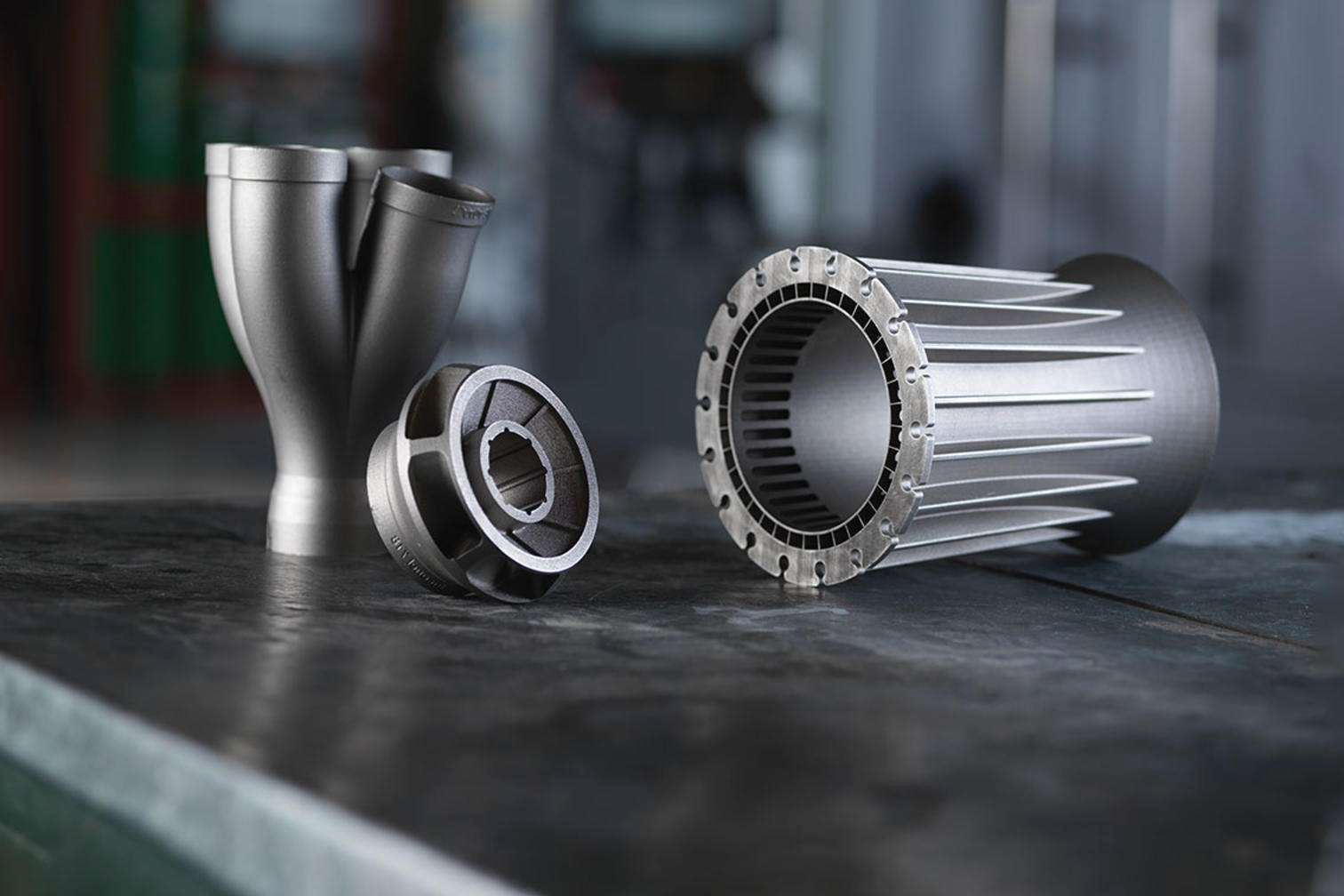
Traditional prototyping for brake system accessories requires extensive tooling and lengthy fabrication cycles. With the use of 3D printing service, prototypes can be produced within days, accelerating validation of geometry, stress distribution, and assembly fit. This reduces R&D expense and enables faster design iterations, especially in development stages of aerospace and automotive brake modules.
Complex Geometry and Functional Integration
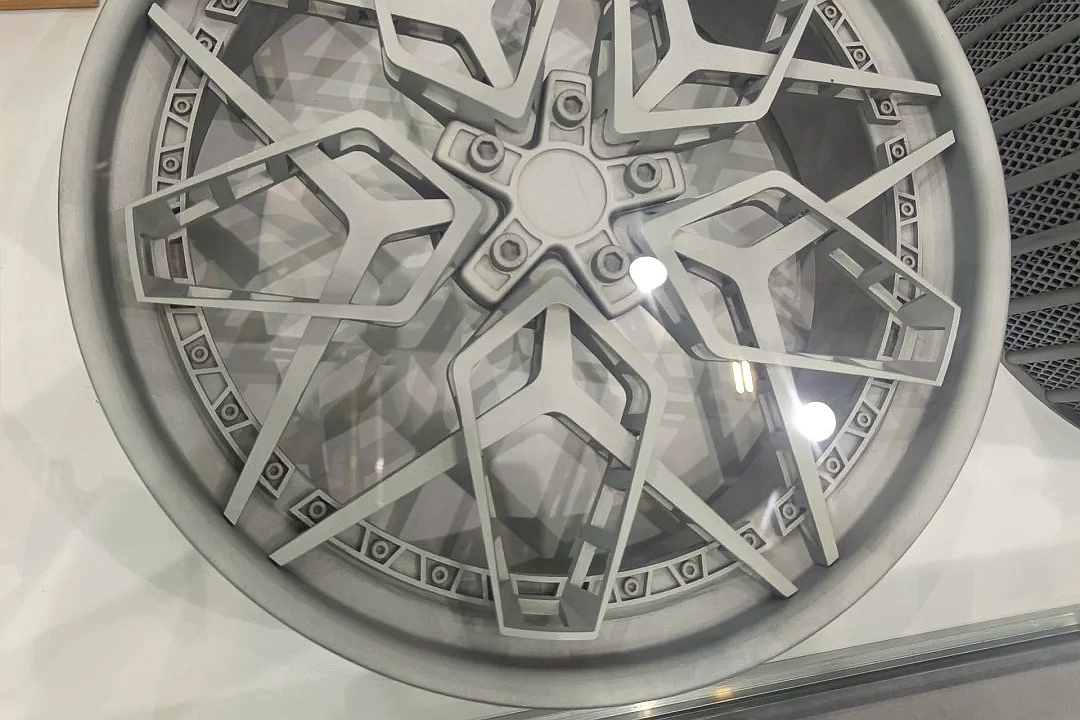
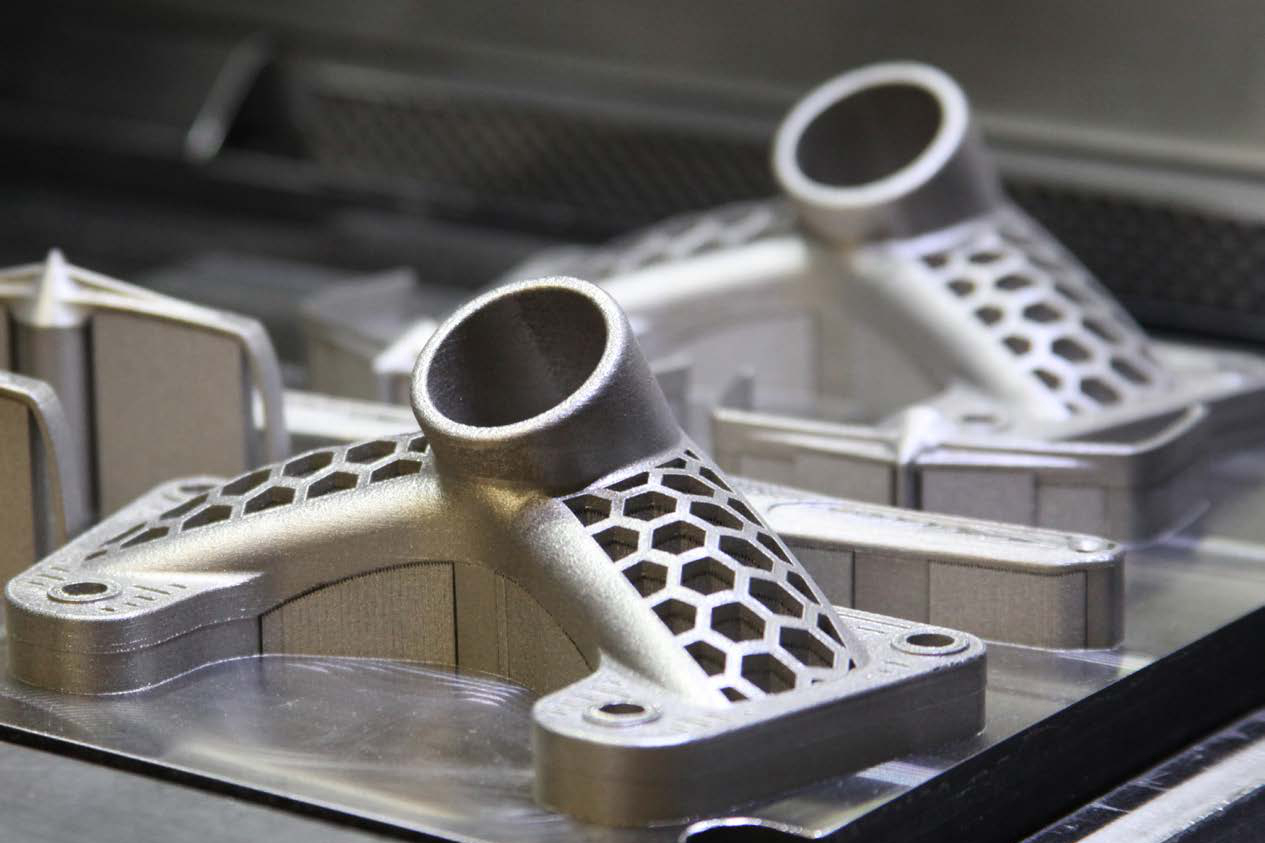
Brake systems often require lightweight yet robust components with channels for fluid flow, reinforcement structures, or actuator interfaces. Through superalloy 3D printing, engineers can fabricate parts with lattice reinforcements, topology-optimized walls, and integrated mounting features without traditional manufacturing limitations. This allows functional testing of actual performance features rather than simplified prototypes.
Material Validation and Processing Compatibility
Candidate alloys such as Stellite 6B and high-strength nickel alloys like Inconel 718 can be additively manufactured to assess real thermal and friction behavior during functional testing. Once validated, these prototypes can be transitioned to serial manufacturing through vacuum investment casting or precision CNC machining while maintaining the same design intent.
Performance Optimization and Post-Processing
Prototyped parts can be further improved using hot isostatic pressing (HIP) and material testing and analysis to simulate real braking loads. This ensures the additive structure remains durable under impact, vibration, and cyclic loading. Final integration into braking modules is achieved through precision superalloy CNC machining to meet assembly tolerances.