How does the heat treatment process enhance the durability of superalloy brake parts?
Grain Refinement and Microstructure Stability
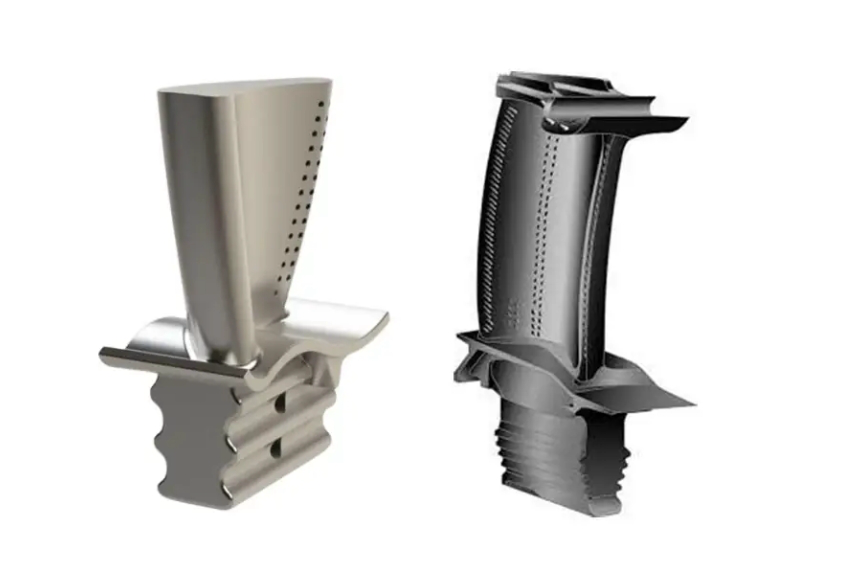
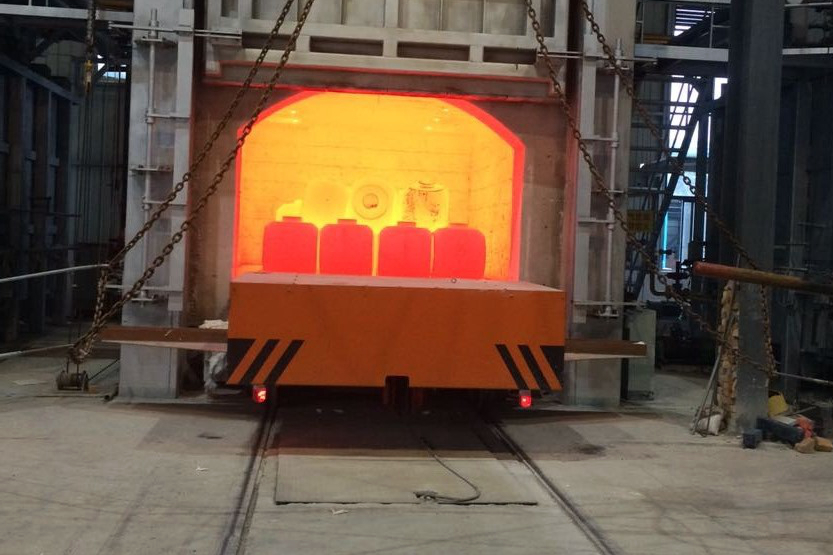
Heat treatment is essential for stabilizing the microstructure of superalloy brake parts, especially after casting or additive manufacturing. Controlled thermal cycles modify grain orientation and precipitation behavior to improve strength and thermal resistance. Alloys such as Inconel 718 and powder metallurgy materials like FGH96 rely on precipitation hardening of γ′ and γ″ phases to achieve high fatigue resistance during braking cycles.
Stress Relief and Dimensional Accuracy
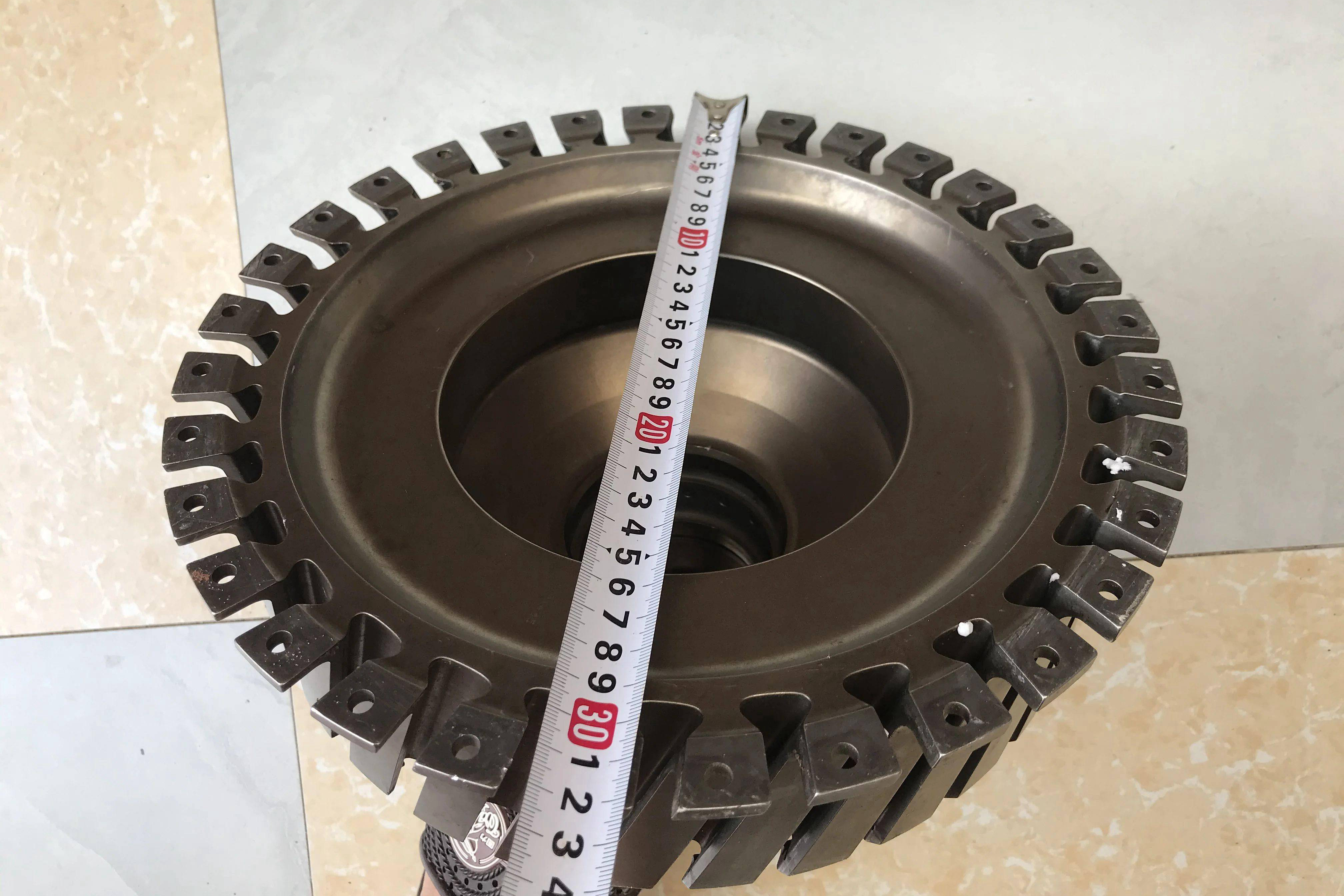
During machining and braking operations, internal stresses accumulate and may lead to distortion or cracking. Post-processing through superalloy heat treatment relieves residual stress and ensures dimensional stability—critical for components such as torque brackets, actuator housings, and mounting interfaces where tight tolerances and functional alignment are required.
Wear, Corrosion, and Oxidation Resistance
Brake system accessories often operate under high friction and elevated temperatures. Heat treatment enhances surface hardness and improves resistance to wear and oxidation. For components exposed to corrosive or high-temperature environments, protective treatments can be complemented with thermal barrier coating (TBC) to further delay degradation and maintain braking efficiency under repeated thermal cycling.
Ensuring Long-Term Reliability
To verify effectiveness, heat-treated superalloy brake parts undergo material testing and analysis and can be further consolidated with hot isostatic pressing (HIP). These combined treatments enhance fatigue strength, reduce crack initiation risk, and extend service life—ensuring safe operation in demanding aerospace, marine, and automotive environments.