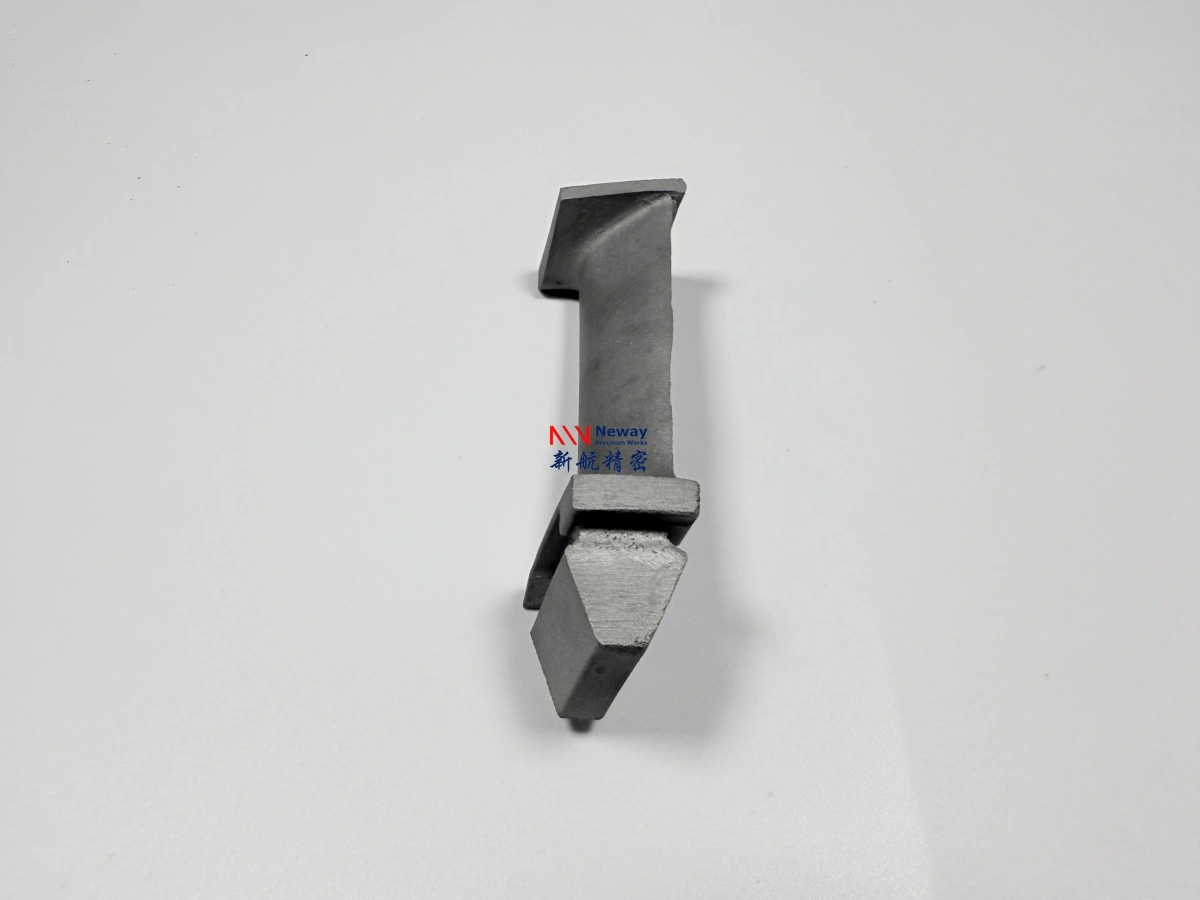
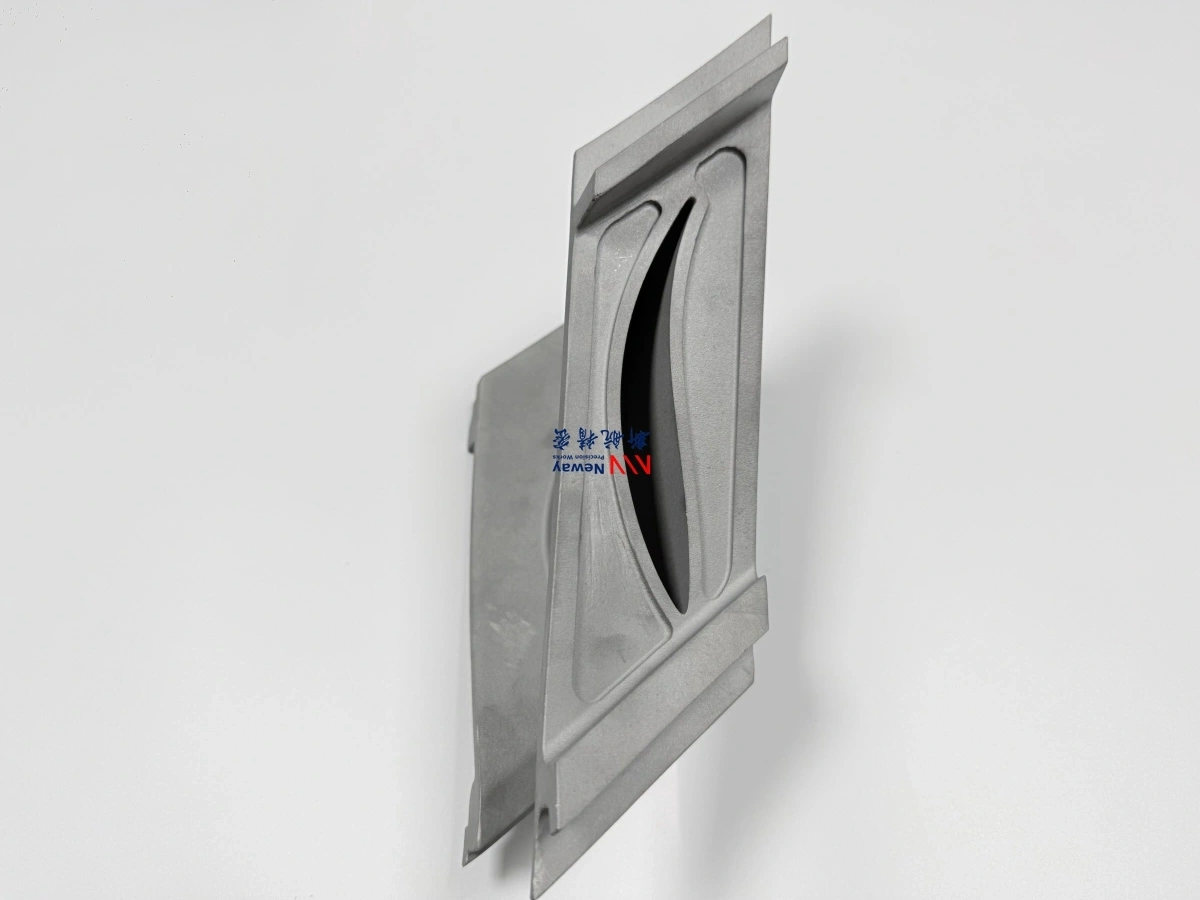
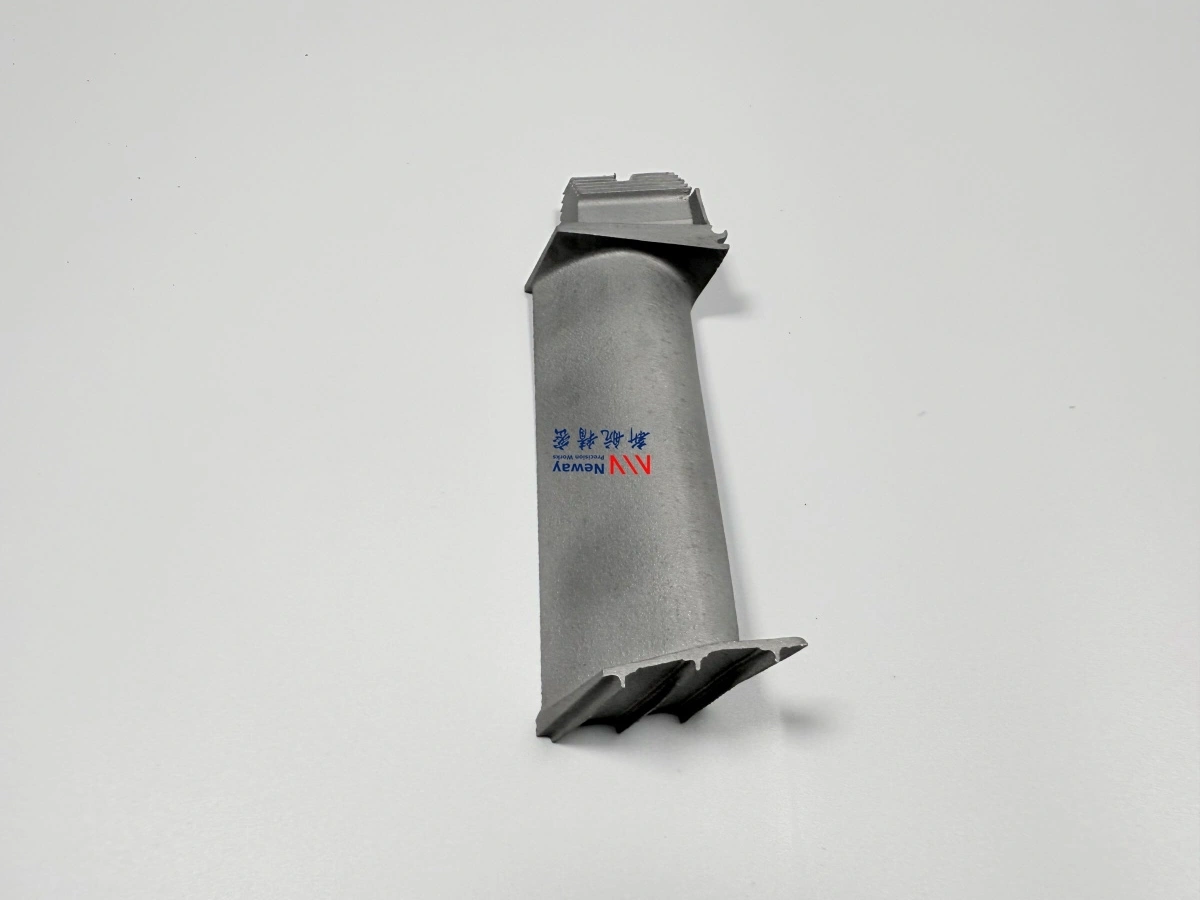
GTD111DS Directional Solidification Turbine Vane Casting RFQ
GTD111DS Vane RFQ Boundary and Duty
A GTD111DS directional solidification turbine vane RFQ should not be treated as a general nickel alloy casting request. The buyer is asking whether the alloy, columnar grain requirement, vane geometry, platform surfaces, heat exposure, and inspection evidence can be reviewed as one manufacturing route. GTD111DS is usually discussed in the context of industrial gas turbine hot gas path work, where the important question is not only whether a vane can be cast, but whether the grain direction, post-casting route, machining allowance, and release records are clear enough for a technical quotation.
This article focuses on vane and static hot-section parts rather than turbine buckets, nozzle guide vane ceramic-core detail, or single crystal blade orientation control. NewayAeroTech can review custom GTD111DS vane manufacturing requests based on customer drawings, material specifications, sample data, quantities, machining requirements, heat treatment notes, and inspection requirements. The scope is drawing-based custom manufacturing support for industrial components, not standard spare-parts resale or a claim that the part is an original inventory item.
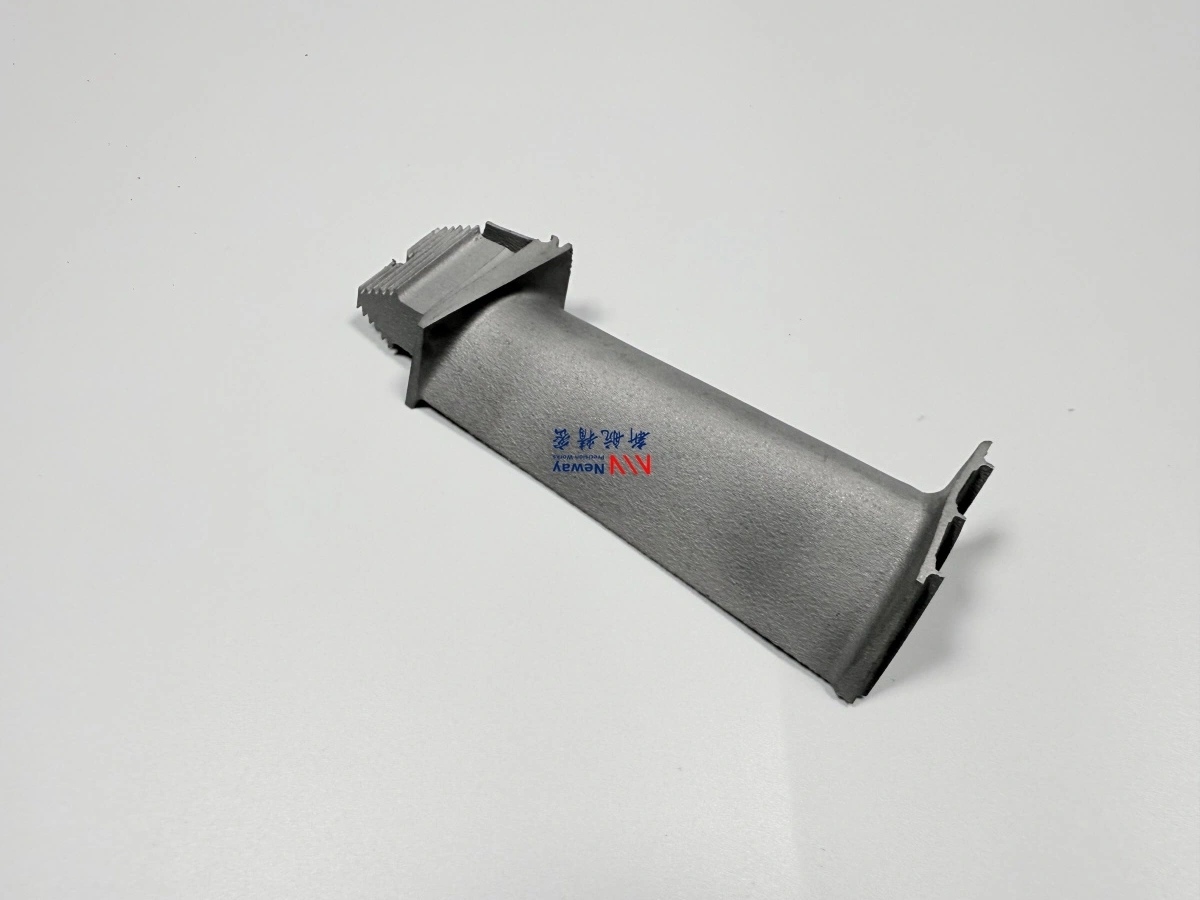
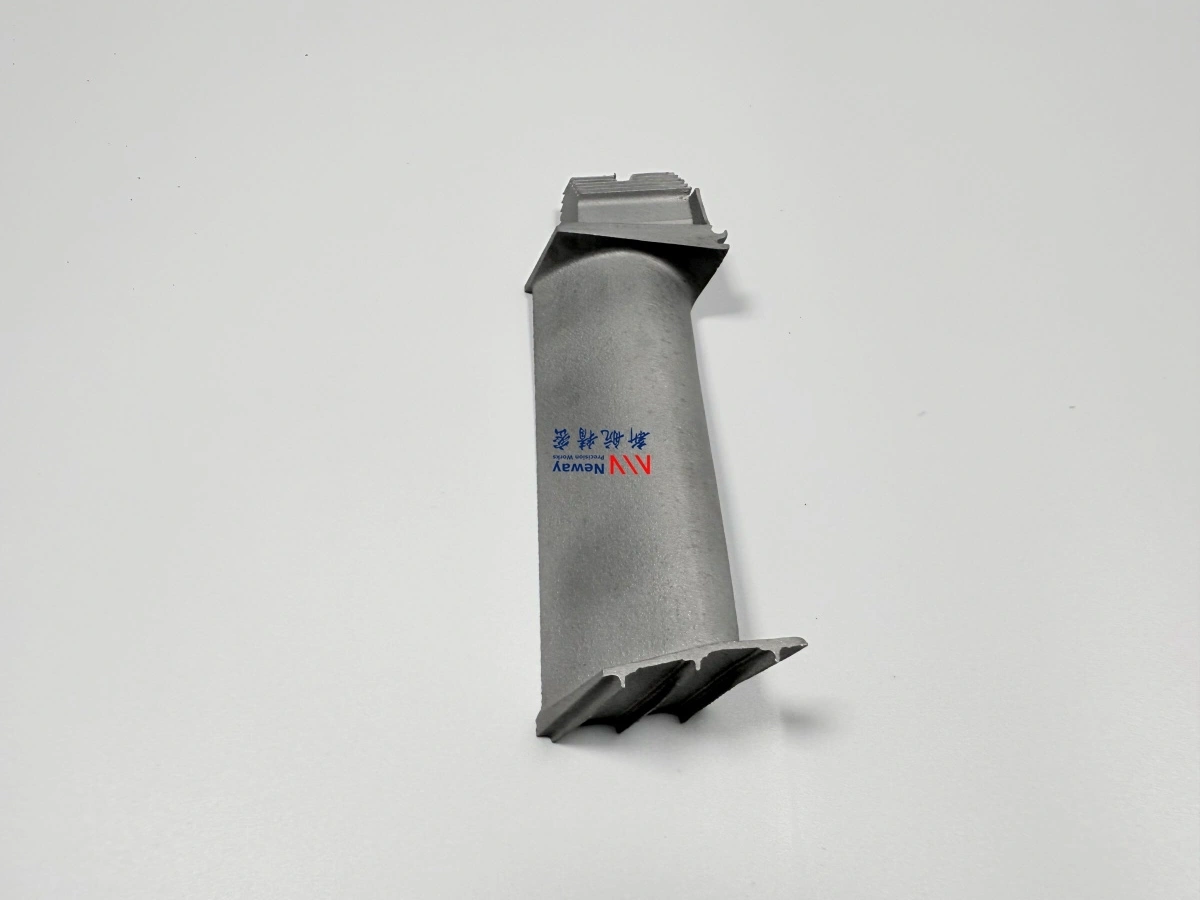
Why Directional Solidification Changes the Vane Review
In a vane RFQ, directional solidification changes the way a supplier reviews both manufacturing feasibility and buyer evidence. A conventional equiaxed casting discussion may focus mainly on alloy, geometry, shrinkage control, and dimensional inspection. A directional solidification casting review must also consider columnar grain direction, withdrawal control, local section transitions, platform thickness, and whether the casting route can support the drawing requirement without turning the quote into a vague alloy substitution.
GTD111DS often appears in projects where the buyer wants a controlled DS route for a vane or related hot gas path component. That does not mean every component named in the RFQ automatically needs the same route. The supplier should identify which zones are exposed to high thermal and mechanical duty, which faces will be machined after casting, which surfaces are close to final shape, and which inspection records are expected before release. Without those details, the quote may compare a DS component with an equiaxed alternative without showing the technical difference.
Vane RFQ Area | Why DS Route Matters | Buyer Risk if Undefined |
|---|---|---|
Airfoil and gas path surface | Columnar grain direction may be specified to support high-temperature duty in the main flow path | The supplier may quote a general casting route without confirming crystal-structure responsibility |
Inner and outer platforms | Platform thickness transitions influence feeding, grain continuity, machining allowance, and inspection timing | Machined faces may be priced without enough stock or datum planning |
Leading and trailing edges | Thin sections can drive local defect risk, dimensional variation, and repairability questions | Critical edges may be judged too late, after tooling or first article work begins |
Seal or assembly interfaces | These surfaces often need final machining and CMM evidence after thermal processing | Blank casting price may be mistaken for finished vane responsibility |
A useful RFQ should state whether the buyer wants a cast blank, a machined semi-finished vane, or a fully inspected part. The same drawing can produce different commercial scopes depending on whether NewayAeroTech is asked to include vacuum investment casting, heat treatment, HIP review, machining, FPI, X-ray, metallography, and CMM reporting. The DS requirement should be part of that route, not a keyword added after price comparison.
Columnar Grain Route, Platform Geometry and Allowance
For GTD111DS vane projects, the supplier review should move from the alloy name to the physical casting route. The drawing may show one vane, a vane segment, or a nozzle-related static component. The route must account for wax pattern strategy, ceramic shell stability, feeding and solidification direction, platform transition areas, final machining faces, and inspection steps. If the RFQ includes a used sample, the buyer should explain whether the sample is only a reference shape or whether it must be used for dimensional capture and material verification.
Directional solidification is not a shortcut around geometry review. Platform edges, thick-to-thin transitions, fillets, seal faces, and mounting features can create different manufacturing concerns from a simple airfoil casting. Machining allowance must be discussed before tooling because over-small allowance can expose casting variation, while excessive allowance can increase machining time and risk on hard superalloy material. NewayAeroTech can review the manufacturing path when the buyer provides the 2D drawing, 3D model, material specification, quantity, heat condition, and finished-part boundary.
Route Stage | Engineering Decision for GTD111DS Vanes | Evidence to Request |
|---|---|---|
Pattern and shell planning | Confirm vane count, platform orientation, local wall change, and whether the part is single piece or segment-based | Tooling concept, casting scope, and assumptions about minimum wall or stock allowance |
DS casting review | Define directional grain requirement, withdrawal direction, and areas where grain continuity is critical | Route statement, grain-structure acceptance method, and risk notes for local geometry |
Thermal processing | Decide whether heat treatment or HIP is required by the drawing, material condition, or buyer standard | Thermal sequence, report requirement, and inspection timing after processing |
Machining and finishing | Protect platform datums, seal surfaces, mounting faces, and any flow-path control surfaces | Machining allowance map, CMM plan, and finished delivery condition |
The buyer should avoid asking only for "GTD111DS vane price." A more useful request separates the route into cast blank, thermal processing, machining, and inspection. If the project supports power generation turbine components, the RFQ should also state whether the vane is for maintenance replacement manufacturing, prototype validation, small-batch supply, or repeat production. Those project stages need different evidence and review depth.
Inspection Evidence for DS Vane Acceptance
A DS vane quote should tell the buyer how quality will be checked before release. For GTD111DS, the usual discussion can include dimensional inspection, FPI or DPI for surface-breaking indications, X-ray or radiographic review for internal casting quality, metallographic evidence when required, chemical analysis for alloy verification, and grain-structure review according to the customer specification. The exact package depends on the drawing and acceptance standard, so the RFQ should not assume that every inspection is automatically included.
Inspection planning is especially important when the delivery scope moves from casting blank to finished vane. Machining after heat treatment or HIP can change the timing of CMM inspection. If platform faces are final-machined, the buyer may need dimensional records after machining, not only a casting inspection report. If grain-structure acceptance is part of the DS requirement, the supplier should explain what evidence can be provided and which acceptance rules must come from the customer specification.
Inspection Item | What It Helps Confirm | Best Time to Define It |
|---|---|---|
Material verification | Confirms GTD111DS requirement, heat condition, and any buyer material notes | Before quotation, especially if the alloy is named from a sample |
Grain-structure review | Supports the directional solidification requirement and columnar structure acceptance | Before tooling, because acceptance method can affect process planning |
FPI / DPI | Checks surface-breaking indications on airfoil, platform, fillet, and seal areas | Before order release, so the report is included in the quote |
X-ray or radiographic review | Checks internal quality concerns in thick and transition regions | Before first article release or batch production planning |
CMM inspection | Verifies machined datums, platform faces, assembly surfaces, and critical dimensions | After the buyer defines finished delivery condition |
NewayAeroTech can support superalloy material testing and analysis when the project requires inspection records. The buyer should state which records are mandatory, which are optional, and which standards or acceptance limits apply. This keeps the discussion factual and prevents a low quote from excluding the evidence needed for engineering review.
When Equiaxed Casting Is Not the Same Quote
Some buyers ask whether a vane can be made by equiaxed casting instead of directional solidification. That question can be reasonable during early feasibility review, but it must be answered against the part function and drawing requirement. If the drawing, material specification, or buyer acceptance plan requires GTD111DS and a DS route, an equiaxed alternative is not the same technical quote. It may be a separate feasibility route only when the buyer's engineering team permits a route change.
The difference is not just terminology. Directional solidification, equiaxed casting, and single crystal casting create different grain structures, process controls, defect reviews, and acceptance evidence. A static vane in a lower-duty location may be reviewed differently from a high-temperature vane segment or hot gas path component where columnar grain structure is specified. A supplier should never quietly substitute the route to reduce cost or simplify manufacturing. If route comparison is requested, it should be documented as a technical option for buyer review.
Buyer Question | DS Route Answer | Equiaxed Alternative Boundary |
|---|---|---|
The drawing names GTD111DS | Review as a DS material and route unless the buyer approves a change | Only discuss as a separate engineering option, not a direct replacement quote |
The part is a lower-duty static component | Check whether DS is actually required by the specification | Equiaxed casting may be reviewed if the buyer's technical documents allow it |
The buyer wants cost reduction | Compare route, inspection, tooling, and delivery state, not alloy name alone | Do not remove inspection evidence or route responsibility just to lower price |
The request is based on a used sample | Verify material, geometry, wear, and missing drawing data before route selection | Sample appearance alone cannot justify route substitution |
For related material-route comparisons, buyers can review NewayAeroTech's discussion of IN738LC and MAR M247 casting route selection for hot gas path parts. The same discipline applies to GTD111DS: define component duty, route requirement, inspection evidence, and delivery boundary before asking suppliers to compare price.
RFQ Data for GTD111DS Directional Vane Review
A strong RFQ package gives the supplier enough information to judge whether the DS route, post-processing, machining, and inspection package can be quoted together. Buyers should send the current 2D drawing, 3D model, material grade and heat condition, quantity, project stage, target delivery state, required inspections, operating environment, and sample photos or previous reports when available. If the request involves maintenance-market manufacturing, the buyer should clarify whether the supplier is expected to reconstruct missing geometry or manufacture strictly to approved drawings.
The final quotation should state what NewayAeroTech is responsible for: cast blank, heat treatment, HIP review, CNC machining, finished dimensional inspection, material testing, or a combined route. Buyers should ask for open assumptions early, especially around grain-structure evidence, platform machining, heat-treatment sequence, and release reports. That is the difference between a price and a manufacturing plan.
RFQ Data | Why It Changes the GTD111DS Review | Preferred Buyer Input |
|---|---|---|
Drawing and model | Controls vane geometry, platform datums, wall transitions, and machining access | 2D PDF, 3D CAD, drawing revision, and critical-dimension notes |
Material and route requirement | Links GTD111DS to DS casting rather than a generic superalloy route | Material specification, heat condition, grain-structure requirement, and acceptance method |
Delivery condition | Separates blank casting from machined and inspected vane delivery | Cast, heat treated, HIP reviewed, machined, inspected, or ready for next process |
Inspection package | Defines CMM, FPI, X-ray, chemistry, metallography, and report responsibility | Required reports, acceptance limits, and customer inspection standard |
Quantity and project stage | Changes tooling, first article review, and batch planning | Prototype, trial lot, small batch, or repeat production quantity |
Send the drawing, 3D model, GTD111DS material specification, quantity, delivery condition, heat treatment or HIP notes, machining requirements, and inspection standards. NewayAeroTech can review the project and suggest a directional solidification manufacturing route for custom turbine vane components based on the supplied technical data.
Related FAQs
What challenges commonly hinder crystal alignment during directional solidification?
How do HIP and heat treatment refine crystal direction in cast components?
Why is crystal direction control vital for aerospace and power generation components?
When should buyers choose directional solidification instead of equiaxed casting?
How do materials affect DS, equiaxed, and single crystal route selection?