Aerospace-Grade Metal Fuel System Modules Supplier
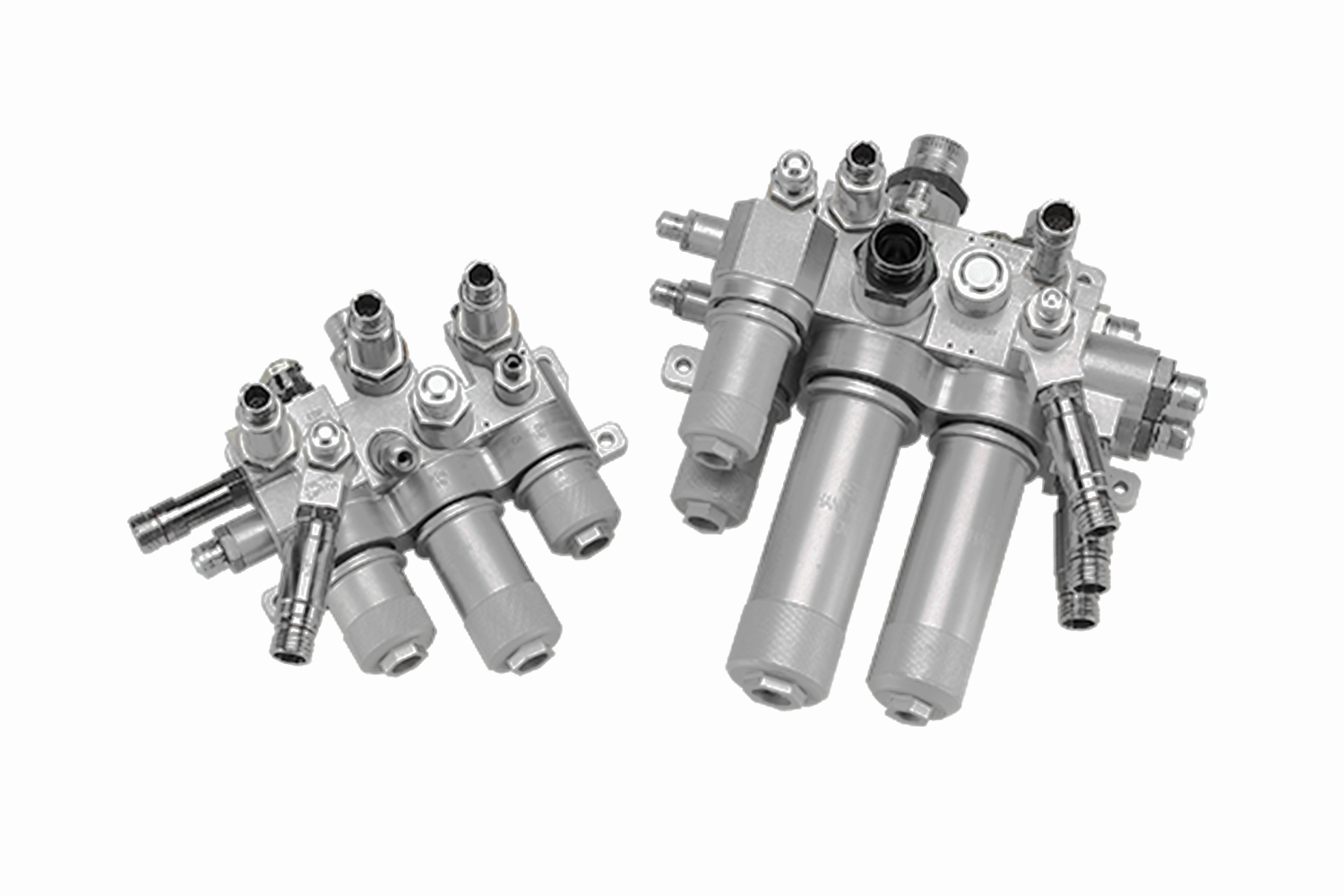
An aerospace fuel-system-module RFQ should define the fuel-contact boundary, passage geometry, sealing faces, and cleanliness responsibility before alloy or unit price is discussed. Fuel modules may include manifolds, pump-adjacent housings, valve blocks, flow distributors, nozzle supports, filter housings, connector bosses, brackets, and small transition fittings. Some features touch fuel directly. Others only locate sensors, fasteners, or adjacent tubes. The supplier needs to know which surfaces control fuel flow, leakage risk, and assembly fit.
NewayAeroTech supports high-temperature and corrosion-resistant fuel module parts through vacuum investment casting, special alloy casting, CNC machining, EDM, heat treatment, post-process cleaning, and material testing. A useful RFQ separates casting blanks, machined manifolds, finished fittings, prototype modules, and sample-based replacement components.
Define the fuel-contact boundary and module responsibility
The first review should mark wetted passages, sealing faces, threaded ports, sensor bosses, mounting pads, and non-contact outer surfaces. A manifold may need clean internal passages and port alignment. A filter housing may need sealing faces and pressure-related geometry. A nozzle support may need heat resistance and precise location. A connector boss may need thread quality and orientation. These features should not be quoted as one generic aerospace metal part.
Buyers should state fuel type or compatible media notes where available, operating temperature, pressure notes, cleaning expectations, and whether the part is supplied as a component or as part of a larger module. If the module is under buyer-controlled system validation, the supplier quote should focus on material, route, dimensions, cleanliness, and agreed inspection evidence. That boundary prevents unsupported assumptions about complete fuel-system performance.
For replacement work, sample condition matters. A used fuel module part can contain residue, wear marks, distorted ports, or damaged threads. The supplier can use the sample to understand geometry, but the buyer should identify which features are original design references and which features show service damage or removal marks.
Choose material by fuel exposure, heat, and machining risk
Superalloys and corrosion-resistant alloys may be selected for fuel modules when heat, corrosion, strength, or dimensional stability exceed ordinary material capability. Inconel alloy casting may be reviewed when high temperature and strength are part of the requirement. Hastelloy alloy casting may be reviewed where corrosion resistance is central. Stainless or titanium options may be discussed only when the design, media, and joining method support them.
The material should match the feature. A thin manifold wall needs soundness and passage stability. A threaded boss needs machinability and clean threads. A seal land needs surface finish and flatness. A heat-exposed support needs thermal stability. Buyers should explain why a material is requested so the supplier can judge whether casting, machining, or prototype route is practical.
Fuel module parts also require care around dissimilar materials. If a boss, tube, fitting, or fastener uses a different material, the buyer should identify the mating part. The supplier can then review machinability, joining preparation, and surface requirements before manufacturing begins.
Select casting, machining, and EDM route by passage geometry
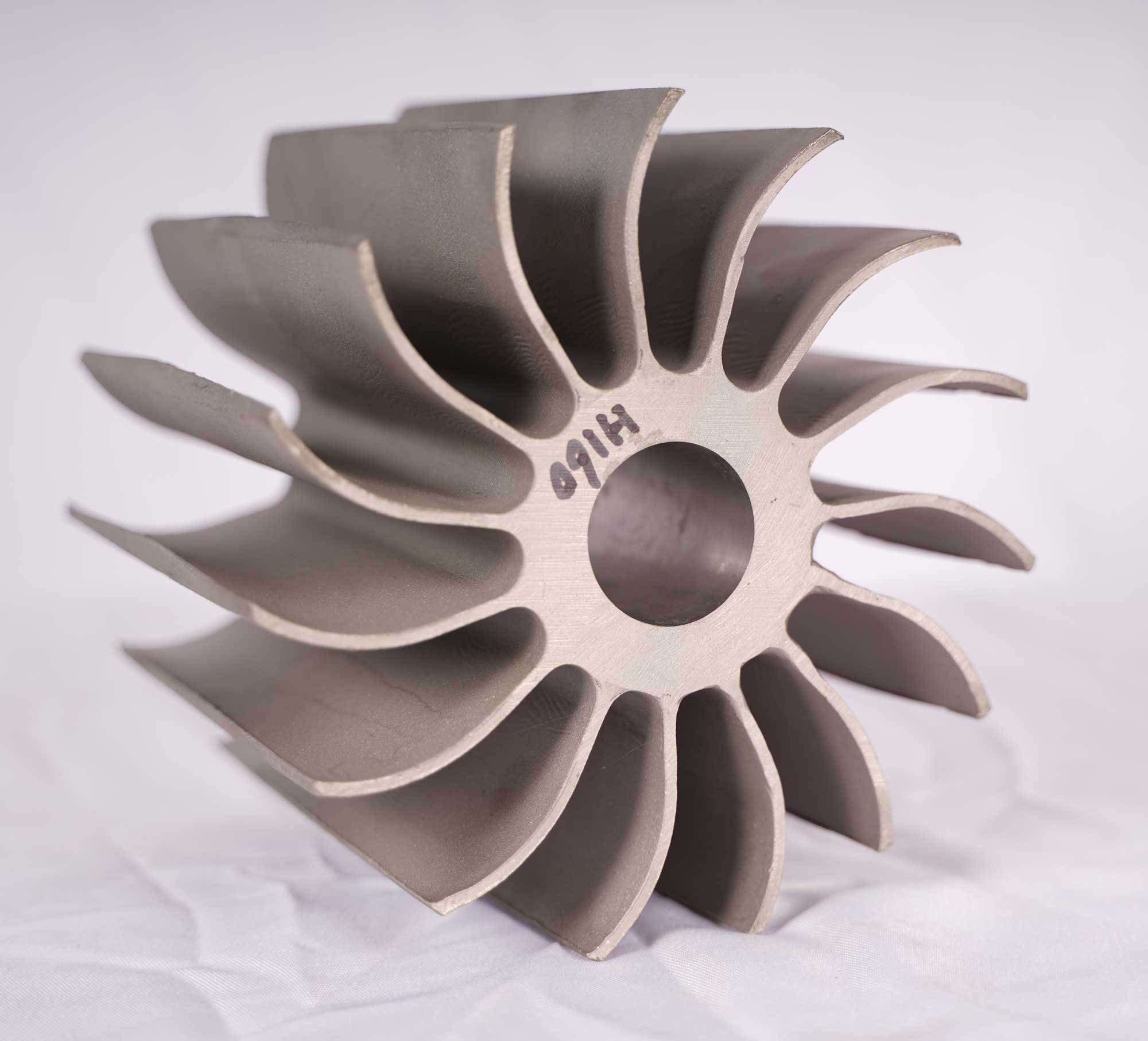
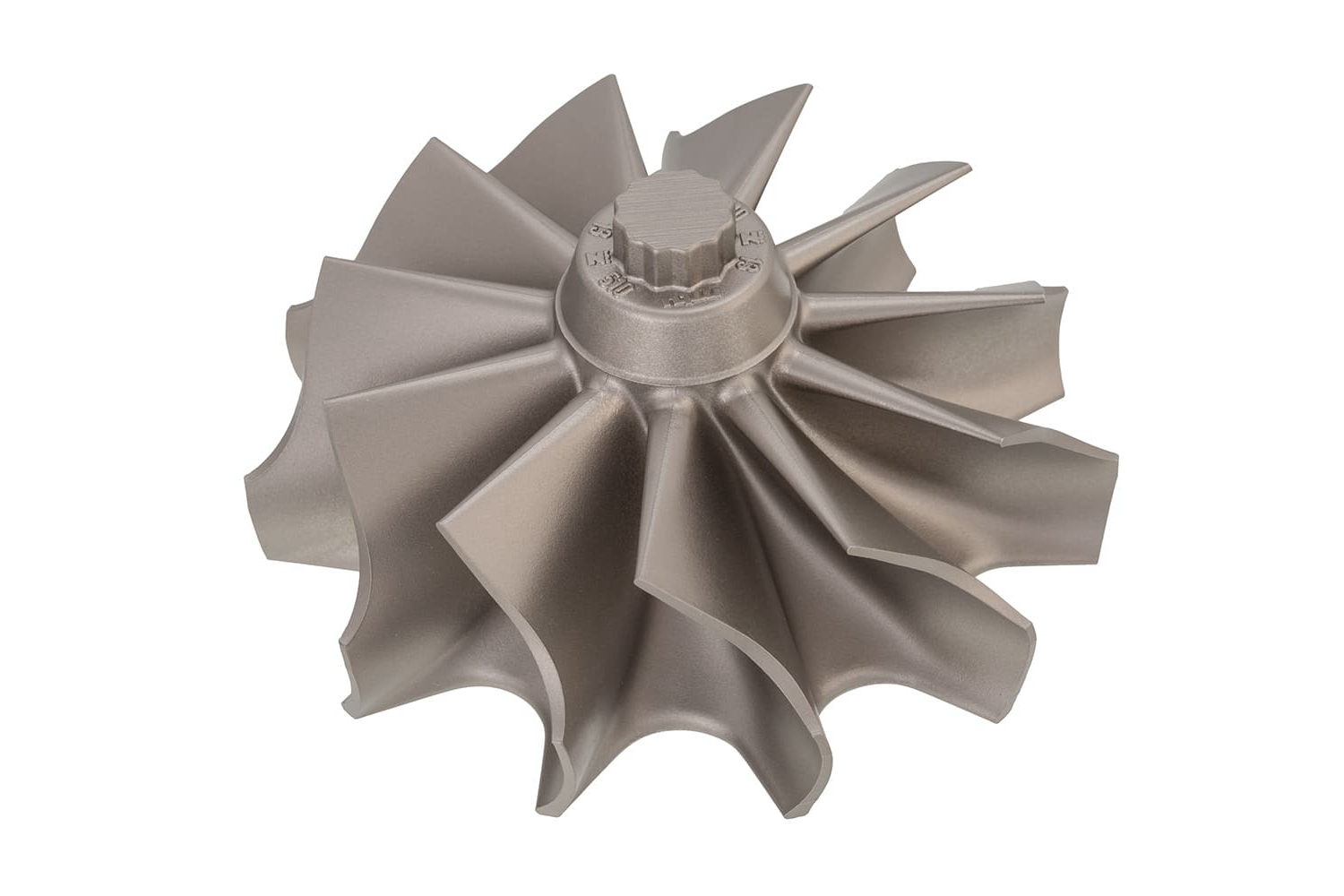
Vacuum investment casting can help when a fuel module part has curved passages, integrated bosses, compact manifolds, or irregular housing shapes that would waste material in billet machining. A near-net casting can leave stock on ports and seal faces while preserving body geometry. It also needs tooling, gating review, shrinkage control, shell removal, surface review, and first-article measurement. The quote should state whether NewayAeroTech supplies a casting blank or a finished machined part.
Superalloy CNC machining usually controls final ports, threads, gasket faces, bores, and mounting pads. If the module includes narrow slots, small orifices, or hard-to-reach intersections, EDM may need review. Deep passages should be planned with tool access, burr removal, and inspection method in mind.
Prototype route should be chosen by what the buyer needs to learn. A machined prototype may verify fit and port location. An additively made development part may support flow-layout review. A cast first article is still needed if the production route will use casting. The RFQ should name the purpose of each early part.
Control cleanliness, seals, and burr risk before final inspection
Fuel module components are sensitive to internal contamination. Chips, abrasive media, shell residue, and loose burrs can remain in ports and cross holes. The RFQ should state whether flushing, ultrasonic cleaning, borescope review, or special packaging is required. Cleaning should be planned during route design, not added as a vague final step.
Seal faces and threads deserve separate control. A gasket land may need flatness and surface finish. A threaded port may need clean entry and full thread form. A tube connection may need concentricity and edge break. A mounting face may need hole position and flatness. Post-process work should protect these surfaces after machining and inspection.
Machining allowance should be agreed before tooling. Too little stock can expose casting variation at a seal face. Too much stock can increase distortion or cost. Buyers should identify final-machined surfaces, as-cast surfaces, and any surfaces that must remain untouched for assembly.
Sequence heat treatment and inspection around final fuel-path features
Heat treatment may be required for selected alloys, but it should be coordinated with finish machining. If heat treatment can move a manifold, port, or sealing face, final machining and inspection should happen afterward. If a part is thin or asymmetric, fixture planning may be needed during thermal processing.
Material testing and analysis should support the module's functional risks. Inspection may include material chemistry, dimensional reports, visual inspection, penetrant inspection, radiographic review where agreed, hardness checks where required, surface finish, thread gauging, and cleanliness evidence. The exact package should follow fuel-contact, sealing, and assembly requirements.
The buyer should identify which reports are required with the first article and which reports are needed for repeat batches. Component inspection documents the supplied part. Fuel-system validation remains with the buyer or module assembler unless a separate test scope is defined.
Use first articles to confirm flow-path and assembly assumptions
A first article should confirm the route that will be used for the next order. For a cast manifold, the review should check stock, port cleanup, passage cleanliness, and seal faces. For a machined housing, it should check datums, bores, threads, and burr control. For a prototype module, it should state whether the part is for fit, flow layout, or production-route approval.
Small-batch fuel module supply needs revision control. If the drawing changes after fit review, the supplier should know which features changed and which remain frozen. If a used sample is involved, the buyer should document residue, wear, and damaged threads before first-article approval. That record prevents sample damage from becoming a hidden manufacturing requirement. It also helps purchasing teams compare suppliers using the same route, report scope, and interface assumptions.
Define supplier responsibility and interface control clearly
Fuel system modules often sit between several buyer-controlled parts: tubes, sensors, valves, filters, pumps, brackets, and control hardware. The supplier may manufacture one housing or manifold, but it may not control the complete module. The RFQ should state whether NewayAeroTech is responsible only for the metal component, for a machined component with cleaning evidence, or for a subassembly detail ready for the buyer's next operation.
Interface control is especially important when ports and sealing faces connect to parts from other suppliers. A small change in port angle, thread depth, gasket land, or boss height can affect installation. Buyers should provide mating-part data where possible, or at least identify critical interfaces and inspection methods. If design changes are expected after fit review, the buyer should identify which features are frozen and which features may move.
This responsibility split also protects quotation accuracy. A low price for a raw casting is not comparable to a quote for finished machining, cleaning, inspection reports, and protected packaging. The supplier response should make those boundaries visible before the first article is ordered.
What to send for an aerospace fuel system module RFQ
A complete RFQ includes drawings, models, material requirement, fuel or media notes, pressure and temperature information, port map, sealing surfaces, cleaning expectations, quantity range, sample photos if available, and inspection requirements. For aerospace and aviation equipment, the actual fuel-path function is more useful than a broad aerospace label.
The supplier response should separate material review, casting or machining route, EDM assumptions, machining stock, heat-treatment sequence, cleaning plan, inspection evidence, and open questions. If the buyer needs a raw casting, that should be stated. If the buyer needs a finished component ready for module assembly, the quote should include the functional surfaces and records that make it ready.
NewayAeroTech's value is connecting alloy manufacturing to fuel-contact geometry, cleanliness, and buyer inspection needs. A clear RFQ gives both sides a practical route from sample or drawing to controlled small-batch supply with fewer late-stage routing surprises and clearer first-article acceptance records. Inspection ownership should be explicit.
Related FAQs