How does 3D printing aid in prototyping fuel system modules?
Fast Design Iteration and Cost Reduction
Traditional prototyping of fuel system modules requires custom tooling and complex machining. With the use of 3D printing service, prototype fabrication is significantly accelerated, enabling evaluation of sealing interfaces, pressure flow, and assembly fit within days. This reduces development cost and allows rapid iteration during early design validation in aerospace and power applications.
Complex Flow Channel and Functional Integration
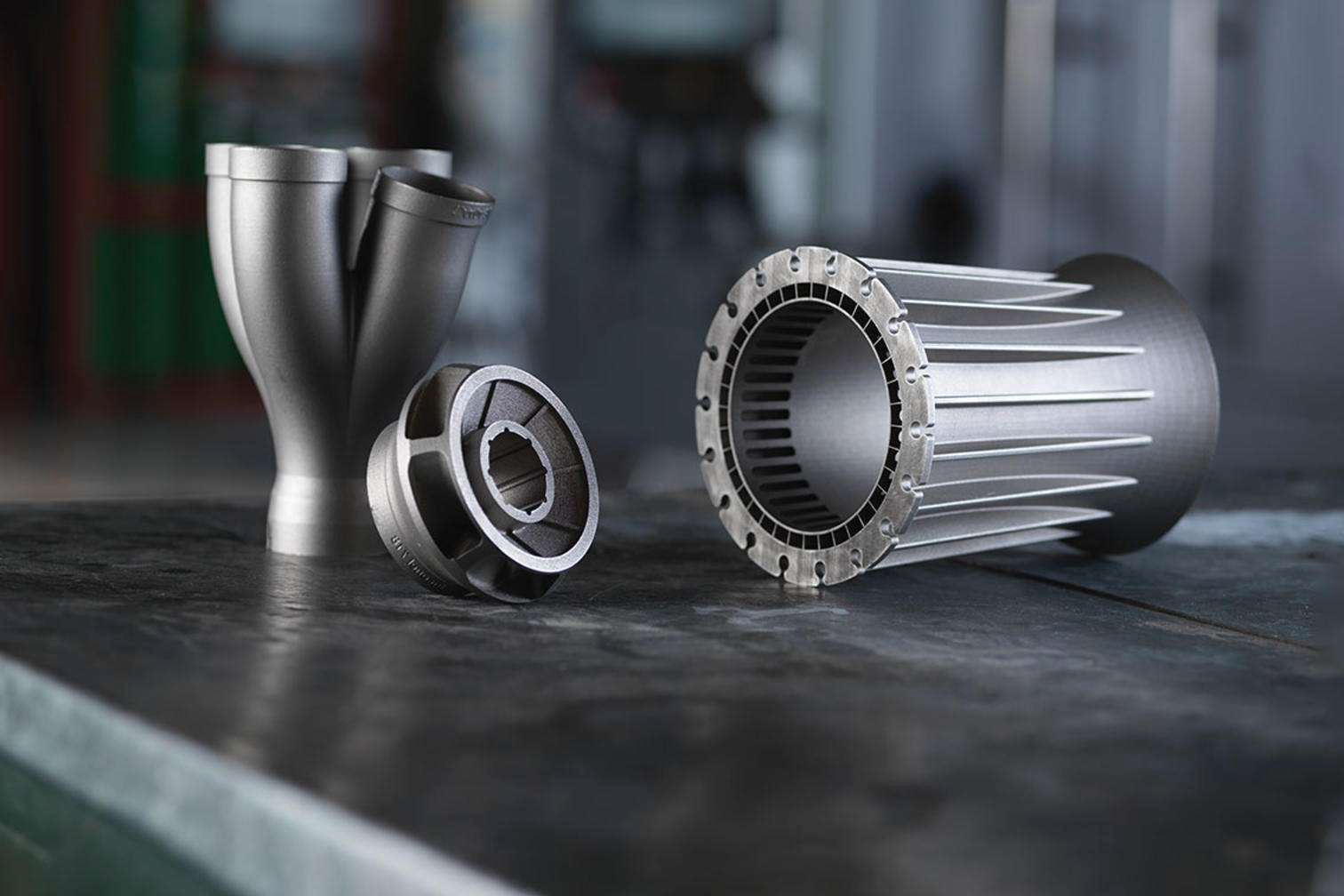
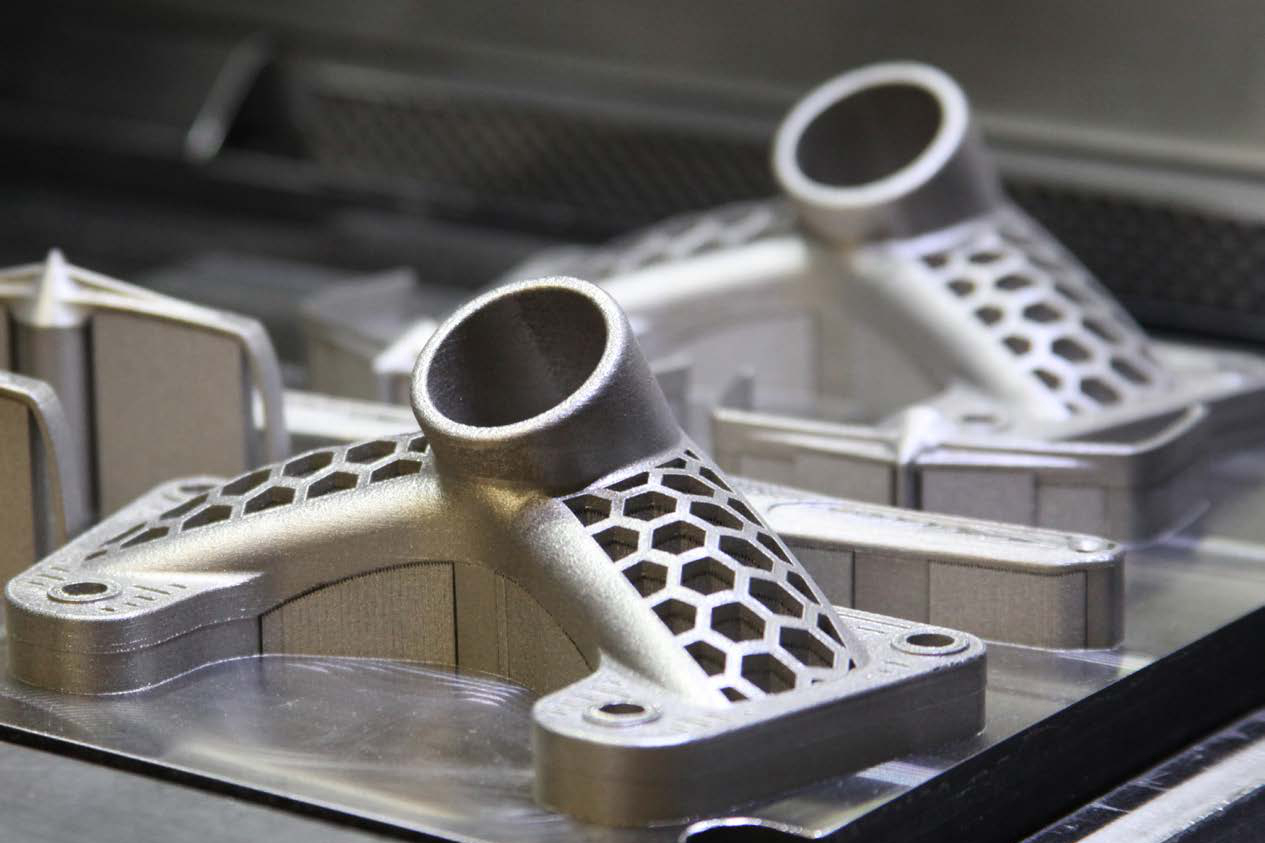
Fuel modules often require intricate internal channels to regulate atomization and pressure management. Through superalloy 3D printing, engineers can create lattice-supported walls, gradient thickness sections, and contoured flow paths that traditional manufacturing cannot produce. These functional geometries can be evaluated under realistic engine simulation conditions before mass production.
Material Validation and Performance Testing
Candidate alloys such as Inconel 625 and powder metallurgy materials like FGH96 can be printed to test their corrosion resistance, pressure integrity, and thermal performance. Once validated, the prototype can transition into scaling through vacuum investment casting or precision CNC manufacturing.
Post-Processing for Structural Reliability
After printing, components undergo consolidation using hot isostatic pressing (HIP) and are evaluated through material testing and analysis to ensure fatigue durability and pressure tolerance. Final fitment is achieved through precise superalloy CNC machining to meet strict aerospace assembly standards.