Which post-processes optimize superalloy fuel system module performance?
Defect Removal and Structural Improvement
After casting or 3D printing, superalloy fuel modules may contain microvoids and internal defects. Hot isostatic pressing (HIP) is essential for eliminating porosity and consolidating the microstructure. This significantly improves fatigue strength and ensures long-term reliability under high-pressure fuel delivery.
Microstructure Optimization through Heat Treatment
Fuel system components made from alloys like Inconel 625 and Rene 65 undergo superalloy heat treatment to enhance phase distribution and precipitation hardening. This process increases resistance to deformation, oxidation, and thermal fatigue—crucial for high-temperature fuel zones.
Precision Finishing and Assembly Fit
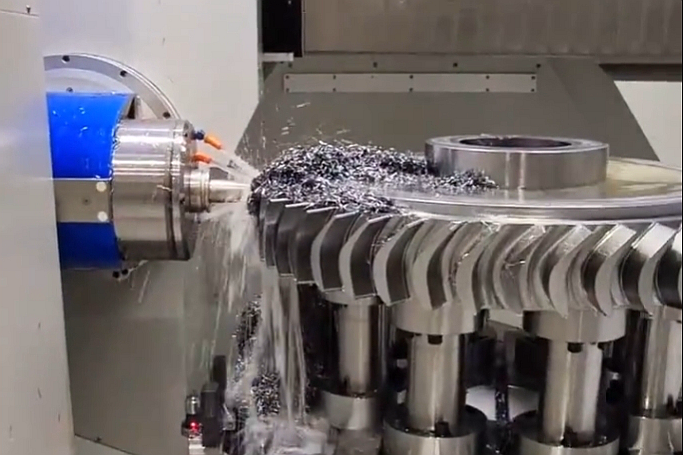
Accurate sealing and flow regulation require precise dimensional control. Final shaping is performed through superalloy CNC machining, which ensures compatibility with injectors, pressure regulators, and aerospace fittings. For deep channels or complex connectors, electrical discharge machining (EDM) enables high accuracy without mechanical stress on the thin walls.
Surface Protection and Environmental Resistance
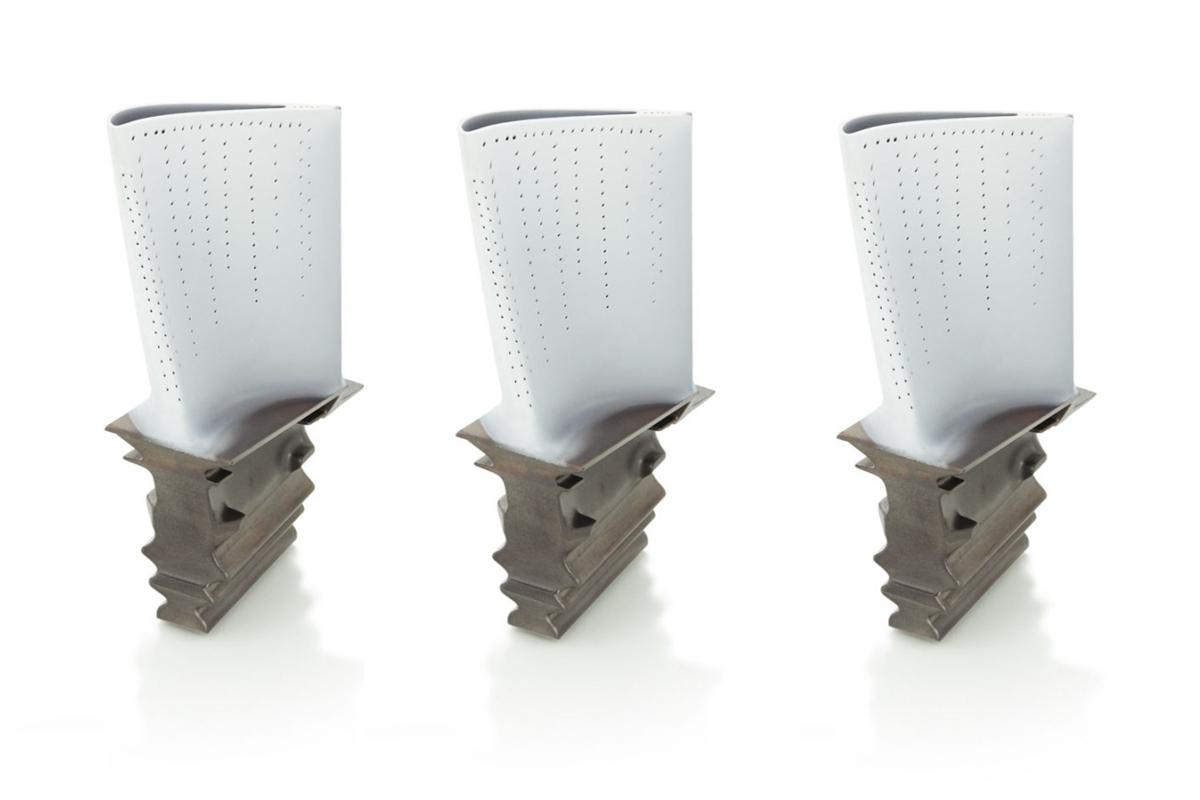
Fuel system modules exposed to corrosive fuels and combustion byproducts benefit from protective coatings. Thermal barrier coating (TBC) improves oxidation resistance and prevents degradation in high-temperature zones. After coating, components are verified through material testing and analysis to ensure adhesion, thickness uniformity, and long-term stability.