
مُصنع الضغط الساخن متساوي الضغط لشفرات التوربينات المصنوعة من السبائك الفائقة
معالجة HIP الدقيقة لتطبيقات شفرات التوربينات عالية الأداء
تعمل شفرات التوربينات المصنوعة من السبائك الفائقة عالية الأداء تحت أحمال حرارية وميكانيكية قصوى. يجب أن تكون هذه المكونات خالية من الفراغات الداخلية، والمسامية الانكماشية، وعيوب الصب لضمان مقاومة التعب، وقوة الزحف، والاستقرار طويل الأمد في درجات حرارة تزيد عن 1000 درجة مئوية. يعد الضغط الساخن متساوي الضغط (HIP) عملية حرجة ما بعد الصب تعمل على تكثيف شفرات التوربينات واستعادة سلامة المادة.
نيواي إيروتيك هي مُصنع HIP متخصص لشفرات التوربينات المصنوعة من السبائك الفائقة. نحن نقدم معالجة HIP لشفرات الصب بالشمع المفقود تحت الفراغ المصنوعة من إنكونيل، وسبائك ريني، وبلورات CMSX الأحادية، وهاستيلوي. تعمل عمليتنا على تعزيز المتانة، والاستقرار الهيكلي، وامتثال الفحص.
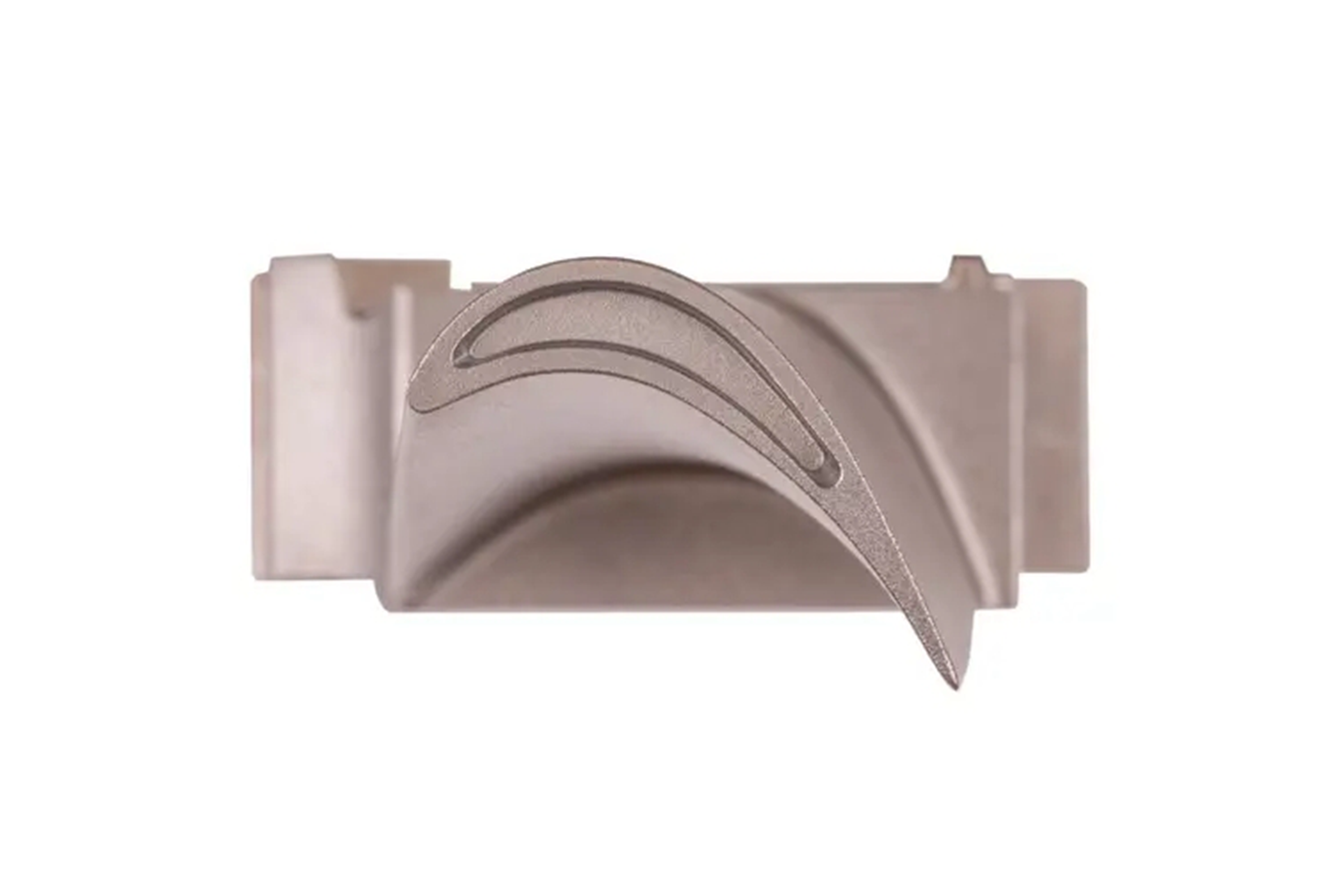
لماذا يعتبر HIP حاسمًا لأداء شفرة التوربين
تتعرض شفرات التوربينات لإجهادات دورية ودرجات حرارة قصوى. يضمن HIP خواصًا ميكانيكية متسقة من خلال القضاء على المسامية المرتبطة بالصب وتوحيد البنية المجهرية.
يزيل المسامية الداخلية المتكونة أثناء التصلب الاتجاهي أو متساوي المحور
يحسن مقاومة التعب وتحمل الصدمات الحرارية
يجهز الشفرات لـ التشغيل الآلي CNC واللحام دون تشوه
يستقر حدود الحبيبات في شفرات السبائك الفائقة المصبوبة والأحادية البلورة
يعد HIP متطلبًا قياسيًا في صناعات الطيران والتوربينات للمكونات المصنفة للطيران والطاقة.
درجات السبائك الفائقة المعالجة بـ HIP في تصنيع شفرات التوربينات
السبيكة | الحد الأقصى لدرجة الحرارة (°C) | درجة حرارة HIP النموذجية (°C) | التطبيقات |
|---|---|---|---|
1050 | 1210 | ريش الدوار الثابت عالي الضغط، مقاطع الشفرات | |
1040 | 1230 | شفرات التوربين في المرحلة الأولى | |
1140 | 1260 | الريش الأحادية البلورة، شفرات الدوار | |
1175 | 1170 | شفرات الانتقال، ريش العادم |
جميع دورات HIP تتبع معايير عملية OEM و AMS 2774.
دراسة حالة: HIP لشفرات التوربين في المرحلة الأولى من CMSX-4
خلفية المشروع
قدم عميل 80 شفرة مسبوكة من CMSX-4 للمرحلة الأولى. كانت معلمات HIP هي 1260 درجة مئوية، 140 ميجا باسكال، 4 ساعات في الأرجون. أكد المجهر الإلكتروني الماسح (SEM) إغلاق المسامية بنسبة >98٪، وأظهرت اختبارات التعب تحسنًا في العمر بمقدار 2.3 مرة مقارنة بالأجزاء غير المعالجة بـ HIP.
نماذج شفرات التوربين النموذجية والصناعات
نموذج الشفرة | الوصف | السبيكة | الصناعة |
|---|---|---|---|
HPTB-500 | شفرة المرحلة الأولى مع تبريد داخلي معقد | CMSX-4 | |
NGV-730 | ريش التوجيه في الفوهة مع تبريد بثمانية ثقوب | ريني 77 | |
TRB-420 | شفرة دوار التوربين مع صب حبيبات متساوية المحور | إنكونيل 738 | |
EGV-250 | ريش توجيه العادم مع حافة دعم متكاملة | هاستيلوي X |
تمت معالجة كل جزء بالكامل بـ HIP قبل التشغيل الآلي، والتغطية، وتجميع الشفرة.
مزايا HIP لشفرات التوربينات المصنوعة من السبائك الفائقة
يقضي على >99٪ من المسامية، مما يحسن فحص الموجات فوق الصوتية وأداء التعب عالي الدورة
يعزز استقرار حدود الحبيبات، مما يقلل من تشوه الزحف وتخشين الطور تحت الإجهاد الحراري
يحسن تجانس البنية المجهرية، خاصة في الريش الأحادية البلورة ذات الانتقالات من السميك إلى الرقيق
يجهز الشفرات المعاد لحامها لمزيد من المعالجة دون تشقق أو فقدان السلامة الميكانيكية
يزيد عمر التعب بمقدار 2-3 مرات في مكونات دوار التوربين والدوار الثابت عالية السرعة
معلمات عملية HIP والمعايير الفنية
درجات الحرارة: 1170–1300 درجة مئوية، اعتمادًا على استقرار طور السبيكة ودرجة حرارة الصلابة
الضغط: 100–200 ميجا باسكال، بيئة أرجون أو غاز خامل تحت معيار AMS 2774
مدة الدورة: 2–6 ساعات، بناءً على سمك المسبوك وتعقيده
معدل التبريد: ≤10 درجة مئوية/دقيقة، لمنع التشقق أو الشيخوخة الزائدة
استعادة الأبعاد بعد HIP تم التحقق منها بواسطة آلة القياس الإحداثي CMM وتحليل المجهر الإلكتروني الماسح SEM
النتائج والتحقق
تنفيذ HIP
تمت معالجة الشفرات بـ HIP عند 1260 درجة مئوية و 140 ميجا باسكال لمدة 4 ساعات في الأرجون. تم التحكم في معدل التبريد ليكون ≤10 درجة مئوية/دقيقة لتجنب تشقق الإجهاد الحراري.
المعالجة بعد HIP
بعد HIP، خضعت الشفرات لـ معالجة حرارية وفقًا لمواصفات AMS 5662 أو OEM. تبع ذلك التشغيل الآلي CNC والتغطية الحاجزة للحرارة TBC الاختيارية بناءً على متطلبات التطبيق.
الفحص
أكد اختبار الأشعة السينية على التكثيف الداخلي الكامل. تحقق آلة القياس الإحداثي CMM من أن تحملات المظهر الجانبي ضمن ±0.008 مم. أظهر المجهر الإلكتروني الماسح SEM مورفولوجيا حبيبات موحدة وتجاويف انكماش مغلقة.
الأسئلة الشائعة
ما هي معلمات دورة HIP المستخدمة لسبائك شفرات التوربينات الفائقة؟
كيف يؤثر HIP على مقاومة التعب والزحف في الشفرات؟
هل يمكن تطبيق HIP على مسبوكات الشفرات الأحادية البلورة ومتساوية المحور؟
ما هي المعايير التي تفي بها شفرات التوربينات المعالجة بـ HIP؟
هل يتم إجراء HIP قبل أو بعد المعالجة الحرارية والتشغيل الآلي؟
