
صب السبائك الفائقة بالشمع المفقود مع تشغيل دقيق بالتفريغ الكهربائي
مقدمة عن التشغيل بالتفريغ الكهربائي (EDM) لصب السبائك الفائقة بالشمع المفقود
يُعد التشغيل بالتفريغ الكهربائي (EDM) أمرًا حاسمًا للمعالجة اللاحقة للملامح الدقيقة في مسبوكات السبائك الفائقة بالشمع المفقود. فهو يتيح التشغيل بدقة تحمل ضيقة دون إحداث إجهاد ميكانيكي في المواد عالية الصلابة أو الأشكال الهندسية المعقدة التي يصعب تشغيلها بالطرق التقليدية.
في Neway Aerotech، تكمل خدمات التشغيل بالتفريغ الكهربائي للسبائك الفائقة لدينا عملية الصب بالشمع المفقود تحت الفراغ لإنتاج مكونات عالية الأداء لتطبيقات الفضاء والطاقة والنووية.
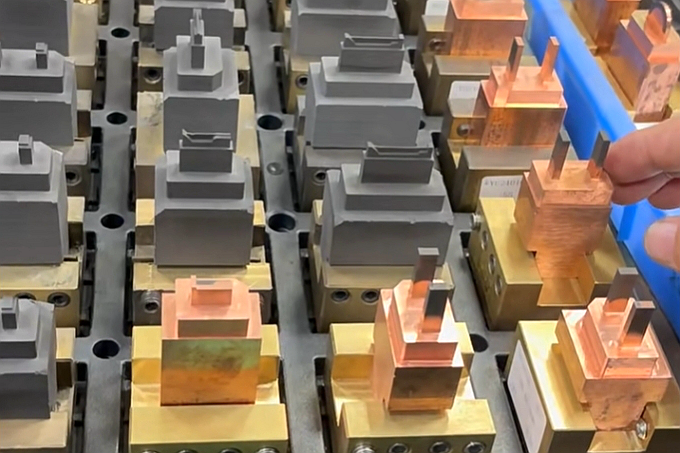
نظرة عامة على تقنية التشغيل بالتفريغ الكهربائي (EDM)
تصنيف عمليات التشغيل بالتفريغ الكهربائي
عملية EDM | خشونة السطح (Ra، μm) | تحمل الأبعاد (مم) | نسبة العرض إلى الارتفاع | المنطقة المتأثرة بالحرارة (HAZ، μm) | حد أدنى لحجم الملامح (مم) |
|---|---|---|---|---|---|
قطع الأسلاك بـ EDM | 0.3–1.2 | ±0.002–±0.01 | حتى 20:1 | 2–5 μm | ~0.1 |
غمر القطب بـ EDM (Sinker) | 0.4–2.5 | ±0.005–±0.02 | حتى 10:1 | 5–10 μm | ~0.2 |
ثقب الثقوب بـ EDM | 0.5–3.0 | ±0.02–±0.05 | حتى 30:1 | 10–15 μm | ~0.1 |
التشغيل الدقيق بـ Micro-EDM | 0.1–0.4 | ±0.001–±0.005 | حتى 15:1 | <2 μm | <0.05 |
تختلف المنطقة المتأثرة بالحرارة (HAZ) اعتمادًا على مستوى الطاقة، ومدة النبضة، وتوصيلية المادة.
استراتيجية اختيار عملية التشغيل بـ EDM
قطع الأسلاك بـ EDM: مثالي لتشذيب خطوط الفصل، والكفافات الضيقة، وإزالة البوابات في المسبوكات بالشمع المفقود.
غمر القطب بـ EDM (Sinker): الأفضل لتنقية التجاويف الداخلية، وقنوات التبريد، وملامح مقاعد الأقطاب الكهربائية القائمة على الصب.
ثقب الثقوب بـ EDM: يُستخدم لممرات التبريد أو التشحيم في ريش التوربينات وحلقات الفوهات.
التشغيل الدقيق بـ Micro-EDM: يتيح التشطيب فائق الدقة في مناطق الملامح الدقيقة المصبوبة أو إنشاء ثقوب تجريبية للتجميعات المعقدة.
اعتبارات المواد
السبائك الفائقة النموذجية للتشغيل بـ EDM بعد الصب بالشمع المفقود
المادة | الصلادة (HRC) | إجهاد التعب الحراري | ملاءمة الصب | كفاءة EDM | التطبيقات |
|---|---|---|---|---|---|
36–42 | ممتاز | جيد | عالي | عجلات التوربينات، الريش الثابتة | |
38–44 | مرتفع | ممتاز | متوسط | قطاعات غرف الاحتراق، دعامات الفضاء | |
42–46 | فائق | أحادي البلورة فقط | منخفض | ريش التوربينات، الجنيحات عالية الحرارة | |
30–35 | جيد | جيد جدًا | عالي | مشعبات العادم، المعالجة الكيميائية | |
40–45 | ممتاز | متوسط | متوسط | فوهات الصواريخ، مقاعد الصمامات |
استراتيجية اختيار المواد
Inconel 713C: الأفضل للريش ذات التشغيل الدقيق للملامح الضيقة؛ يستجيب جيدًا لقطع الأسلاك بـ EDM مع الحد الأدنى من إعادة الصب.
Rene 77: مثالي للأجزاء التي تتطلب مقاومة زحف عالية؛ يُوصى بـ EDM لملامح الختم وثقوب البراغي.
CMSX-4: يتطلب EDM منخفض الطاقة؛ يُستخدم فقط حيث يكون الطحن غير ممكن بسبب مخاطر التلف الحراري.
Hastelloy X: يمكن تشغيله بسهولة بواسطة غمر القطب (Sinker) أو قطع الأسلاك بـ EDM؛ خيار جيد للمجموعات المصبوبة الملحومة.
Nimonic 115: مفيد لأدوات العمل عالية الدورة؛ يضمن EDM التكرارية في مناطق التركيب والمناطق الحرجة للتدفق.
دراسة حالة: تشطيب بـ EDM لحلقة فوهة توربين مصبوبة بالشمع المفقود
خلفية المشروع
احتاج عميل في قطاع توليد الطاقة إلى التشغيل النهائي لحلقة فوهة توربين من مادة Rene 77 مصبوبة باستخدام تقنية الصب بالشمع المفقود تحت الفراغ. كانت هناك حاجة لتحملات قدرها ±0.05 مم عبر 22 منفذًا شعاعيًا وأكتافًا للختم.
سير عمل التصنيع
الصب: صب بالشمع المفقود لمادة Rene 77، مع ضغط متساوي الحرارة الساخن بعد الصب عند 1195°م، 10 ميجا باسكال، لمدة 4 ساعات.
التشخيص الخشن: واجهات مشغلة بالخراطة باستخدام CNC وسطح الحلقة، مع ترك مخزون 0.5 مم للتشطيب بـ EDM.
قطع الأسلاك بـ EDM: تشكيل كل منفذ تبريد شعاعي (قطر 1.2 مم) بدقة ±0.003 مم باستخدام سلك نحاسي قطره 0.25 مم.
غمر القطب بـ EDM (Sinker): تشغيل ثلاث تجاويف داخلية، فجوة الشرر 0.08 مم، العمق 10 مم بتحمل ±0.005 مم.
المعالجة اللاحقة
إزالة الإجهاد عند 950°م لمدة ساعتين تحت غاز خامل
الضغط المتساوي الحرارة الساخن (HIP) لغلق مسامية الصب
تطبيق طلاء حاجز حراري (TBC) على المناطق المواجهة للحرارة
تشطيب السطح
تلميع كهربائي حتى Ra ≤ 0.6 μm
التخميل (Passivation) لمقاومة التآكل
إزالة الحواف الدقيقة تحت المجهر لإزالة نتوءات الحافة <50 μm
الفحص
فحص CMM على 50 نقطة، جميعها ضمن ±2 μm
كشف فراغات الأشعة السينية أظهر صفر تجاويف انكماش
SEM تحقق من نظافة سطح الشرر وسلامة الحبيبات
أكد اختبار الغمر بالموجات فوق الصوتية السلامة الهيكلية الكاملة
النتائج والتحقق
حافظ تشطيب EDM على تحملات ملف تعريف متسقة قدرها ±0.03 مم عبر جميع مداخل المنافذ ومناطق الختم على الحلقة.
أسفرت المعالجة اللاحقة بالضغط المتساوي الحرارة الساخن (HIP) عن غلق 100% للمسام، وهو ما تم تأكيده باختبار ASTM E192 وقبول مستوى 2 بالأشعة السينية.
تجاوزت سلامة السطح بعد التلميع الكهربائي قيمة Ra ≤ 0.6 μm، مما قضى على خطر التآكل الناجم عن التدفق أو تشقق التعب.
أظهر تحليل SEM مناطق موحدة ذات نسيج شرري بدون طبقات إعادة صب أو تشققات دقيقة عند حدود الحبيبات.
أكد الفحص النهائي الامتثال الهندسي الكامل وغياب العيوب الداخلية، متجاوزًا معايير قبول مكونات توربينات الفضاء.
الأسئلة الشائعة
ما هي جودة السطح التي يمكن تحقيقها باستخدام EDM على مكونات السبائك الفائقة المصبوبة؟
كيف يؤثر EDM على السلامة المعدنية لأجزاء الصب بالشمع المفقود؟
هل يمكن معالجة قنوات التبريد الداخلية في مسبوكات التوربينات باستخدام EDM؟
هل يعد EDM مناسبًا للمكونات أحادية البلورة أو ذات التصلب الاتجاهي؟
ما هي المعالجة اللاحقة المطلوبة بعد تشغيل مسبوكات الفضاء بـ EDM؟
