
صب سبائك التوربينات IN713LC أحادية البلورة بالتفريغ
مقدمة
يعد صب البلورات الأحادية بالتفريغ عملية تصنيع حاسمة لإنتاج ريش التوربينات التي تتحمل أقسى ظروف التشغيل. من خلال القضاء على حدود الحبيبات عبر التصلب الاتجاهي، تقدم ريش البلورات الأحادية مقاومة لا مثيل لها للزحف والإجهاد الحراري والأكسدة. عند اقترانها بأداء سبيكة IN713LC المثبت، تصبح هذه الطريقة مثالية لمكونات الأقسام الساخنة في توربينات الفضاء والطيران و توليد الطاقة.
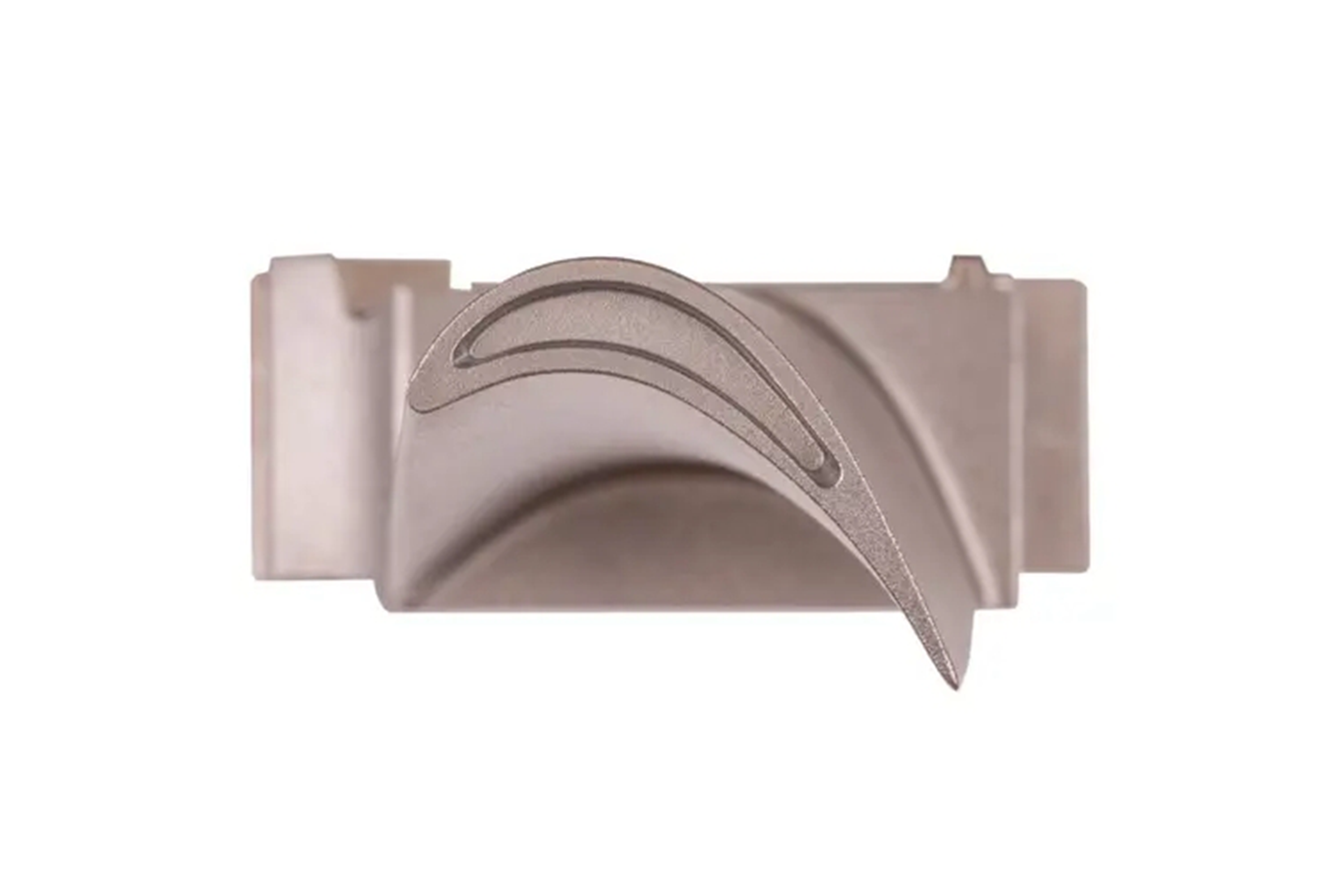
تستخدم Neway AeroTech تقنية صب الشمع المفقود أحادي البلورة بالتفريغ المتقدمة لتصنيع ريش التوربينات من سبيكة IN713LC مع الحفاظ على سلامة هيكلية ممتازة، وهندسة دقيقة للجنيح، وأداء ممتد في درجات الحرارة العالية. تم اعتماد عمليتنا للوفاء بمعايير الصناعة الصارمة مثل AS9100 و NADCAP.
التكنولوجيا الأساسية لصب IN713LC أحادي البلورة بالتفريغ
تحضير نمط الشمع يتم قولبة أنماط الشمع عالية الدقة بالحقن بتحملات ضمن ±0.05 مم لتكرار هندسات ريش التوربينات المعقدة بدقة.
بناء قالب القشرة يتم بناء قوالب القشرة الخزفية الحرارية في طبقات متتالية، لتصل إلى سماكة 6-8 مم لتحمل المعدن المنصهر والتدرجات الحرارية.
دمج منتقي الحبيبات يتم تصميم منتقي الحبيبات الحلزونية في تجميع الشمع لتسهيل نمو حبة واحدة مسيطر عليه أثناء التصلب.
صهر بالحث تحت التفريغ يتم صهر سبيكة IN713LC تحت تفريغ عالي (≤10⁻³ باسكال) باستخدام صهر بالحث تحت التفريغ عند درجة حرارة ~1450°C للقضاء على مسامية الغاز وضمان التجانس الكيميائي.
التصلب الاتجاهي في فرن التفريغ يتم سحب القالب تدريجياً من منطقة ساخنة بمعدل 3 مم/دقيقة، مما يضمن اتجاه الحبيبة [001] وتشكيل هيكل بلوري أحادي.
إزالة القشرة والتنظيف السطحي بعد التصلب، تتم إزالة القوالب عبر الاهتزاز والنفخ بالضغط العالي، مع الحفاظ على تفاصيل الحواف وهياكل التبريد.
الكبس المتساوي الساخن (HIP) تخضع الريش لـ معالجة HIP عند 1150°C و 150 ميجا باسكال للقضاء على المسامية الدقيقة وتحسين عمر التعب.
المعالجة الحرارية والتشيخ دورة المعالجة الحرارية للحل والتشيخ المسيطر عليها تثبت طور γ'، وتعزز القوة الميكانيكية وتجانس الطور.
خصائص مادة IN713LC في شكل بلوري أحادي
على الرغم من أن IN713LC تُستخدم عادةً للصب متساوي المحاور، إلا أنه يمكن تكييفها للصب أحادي البلورة بالتفريغ لتحسين خواصها الميكانيكية في درجات الحرارة العالية:
أقصى درجة حرارة تشغيل: 982°C (1800°F)
قوة الشد القصوى: ≥1034 ميجا باسكال
قوة الخضوع: ≥862 ميجا باسكال
قوة كسر الزحف: ≥200 ميجا باسكال بعد 1000 ساعة عند 760°C
اتجاه الحبيبات: محاذاة محور [001] مسيطر عليها مع انحراف <2°
مقاومة الأكسدة: أداء قوي في البيئات الحرارية الدورية
دراسة حالة: ريشة IN713LC أحادية البلورة لتطبيق التوربين عالي الضغط (HPT)
خلفية المشروع
طلب عميل في مجال الطيران الدفاعي ريش توربينات أحادية البلورة مصنوعة من IN713LC للاستخدام في التوربين عالي الضغط (HPT) لمحرك طائرة نفاثة تكتيكية. قدمت Neway AeroTech مسبوكات خالية من العيوب مع اتجاه [001] مؤكد، متفوقة على متطلبات مقاومة التعب والزحف.
التطبيقات النموذجية
محركات الطائرات النفاثة العسكرية (مثل F100، F110): ريش التوربينات لتوربينات المرحلة الساخنة التي تتطلب مقاومة فائقة للزحف والتعب.
توربينات الطاقة (مثل LM2500+): ريش مستخدمة في بيئات التشغيل المستمر، تعمل فوق 950°C لآلاف الدورات.
وحدات الطاقة المساعدة للطائرات (APUs): ريش التوربينات التي تحتاج إلى قوة تعب منخفضة الدورة ومقاومة للأكسدة.
المركبات الجوية غير المأهولة (UAVs): ريش أحادية البلورة خفيفة الوزن توفر عمر خدمة طويل تحت التقلبات الحرارية.
ميزات تصميم الريشة
هندسات أجنحة دقيقة محسنة من خلال تحليل ديناميكا الموائع الحسابية (CFD)
قنوات تبريد داخلية متعرجة واصطدامية
جذور على شكل شجرة التنوب أو ذيل الحمامة للاشتباك مع القرص
أغطية وقضبان طرفية للتحكم في التسرب والاهتزاز
حل تصنيع ريش التوربينات IN713LC
تصميم تجميع الشمع المتكامل يتم تصميم أنظمة بوابات ومنتقي حبيبات معقدة لضمان تدفق المعدن المناسب وبدء التبلور.
تنفيذ الصب بالتفريغ الصب بالتفريغ في فرن مسيطر عليه يضمن تدرجات حرارية موحدة وتصلب اتجاهي مستقر.
معالجة HIP الكبس المتساوي الساخن يلغي المسامية المتبقية لتعزيز قوة التعب وأداء الزحف.
دقة المعالجة الحرارية المعالجات الحرارية متعددة الخطوات تحسن توزيع γ' والصلادة، مما يدعم السلامة الهيكلية طويلة الأمد.
التشطيب بالتحكم الرقمي والتفريغ الكهربائي يتم تحقيق ميزات التبريد الحرجة والأسطح ذات التحملات الضيقة من خلال التشغيل الآلي للسبائك الفائقة بالتحكم الرقمي و التفريغ الكهربائي (EDM).
مراقبة الجودة والفحص غير الإتلافي يتم تقييم كل ريشة باستخدام الأشعة السينية، و آلة القياس الإحداثي (CMM)، وعلم المعادن للتحقق من البنية المجهرية والاتجاه والامتثال.
التحديات الأساسية في صب ريش IN713LC أحادية البلورة
منع تكون حبيبات شاردة أثناء السحب
ضمان تصلب اتجاهي مستقر من خلال التحكم في التدرج الحراري
الحفاظ على اتجاه البلورة [001] عبر هندسات الريش المعقدة
تشغيل ميزات التبريد الداخلية دون تشوه حراري
النتائج والتحقق
تم تأكيد هيكل بلوري أحادي بنسبة 100% عبر علم المعادن وتحليل الاتجاه
محاذاة محور [001] ضمن انحراف <2°
لم يتم اكتشاف أي مسامية بعد HIP؛ صفر رفض للمسبوكات
خصائص الشد والزحف والتعب استوفت أو تجاوزت المعايير المرجعية التصميمية لمكونات التوربين عالي الضغط العسكرية
الأسئلة الشائعة
ما هي فوائد الصب أحادي البلورة بالتفريغ لريش التوربينات؟
كيف يتم التحكم في اتجاه الحبيبة [001] في ريش IN713LC؟
ما هي تطبيقات التوربينات التي تستخدم مكونات IN713LC أحادية البلورة؟
كيف يعزز HIP متانة ريش التوربينات؟
هل يمكن لـ IN713LC أن تضاهي أداء سبائك CMSX أو Rene الأعلى تكلفة؟
