
حلقة فوهة توربين غازي من IN713LC مصبوبة بلورات أحادية
مقدمة
تعتبر حلقات الفوهة مكونات حرجة لتوجيه التدفق في قسم الضغط العالي في التوربينات الغازية. نظرًا لتعرضها لدرجات حرارة قصوى وغازات أكالة وإجهاد ميكانيكي مرتفع، يجب أن تحافظ هذه المكونات على ثبات الأبعاد وتقاوم الزحف على دورات خدمة طويلة. الصب البلوري الأحادي يلغي حدود الحبيبات، مما يعزز بشكل كبير الأداء الميكانيكي لحلقات الفوهة في الأقسام الساخنة للتوربينات.
تتخصص Neway AeroTech في تصنيع حلقات فوهة IN713LC باستخدام تقنيات الصب بالشمع المفقود تحت الفراغ والتصلب الاتجاهي المتقدمة. تُستخدم مكوناتنا في أنظمة التوربينات الخاصة بتوليد الطاقة والفضاء والطيران والبحرية التي تتطلب أداءً حراريًا عاليًا من الدرجة الأولى.
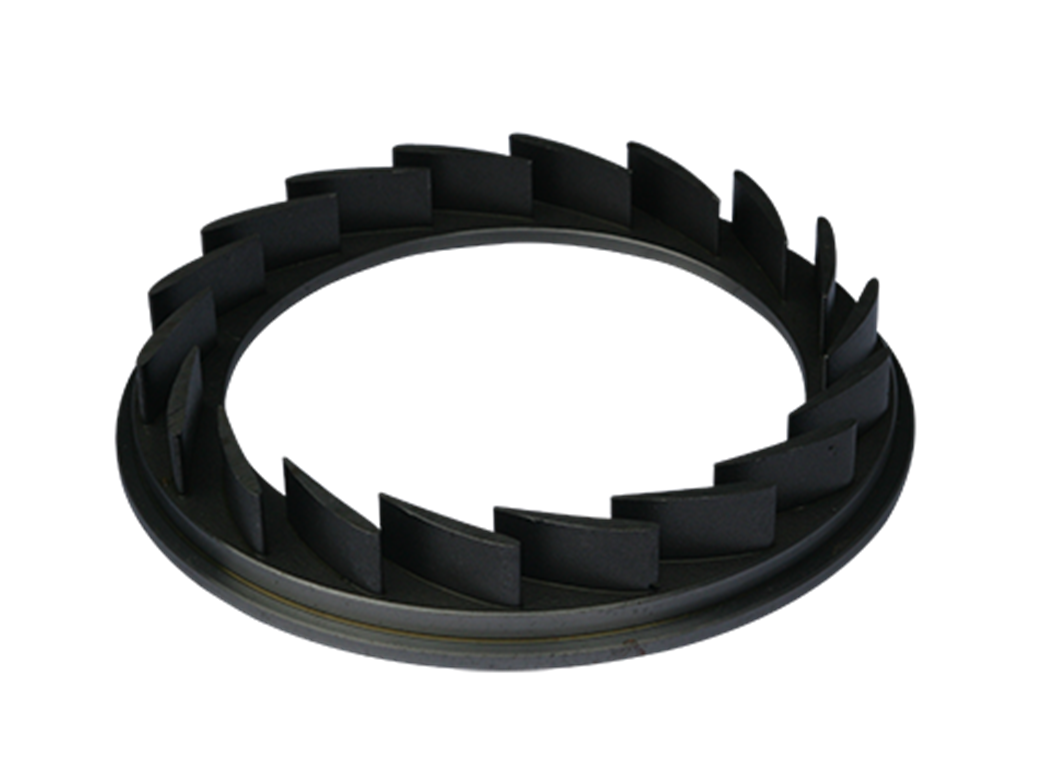
التكنولوجيا الأساسية لصب حلقة الفوهة البلورية الأحادية من IN713LC
تصنيع نموذج الشمع يتم تطوير نماذج شمعية عالية الدقة باستخدام قولبة الحقن، مما يضمن تسامحات أبعاد تبلغ ±0.05 مم وهندسة مفصلة للقطاعات.
تجميع قالب القشرة يتم بناء قوالب قشرة خزفية حرارية متعددة الطبقات، لتحقيق السلامة الهيكلية ومقاومة الصدمات الحرارية أثناء الصب عند درجة حرارة >1450°C.
تصميم منتقى حلزوني يتم دمج منتقى حبيبات حلزوني في قاعدة الصب لتوجيه نمو البلورة الأحادية على طول المحور [001] والقضاء على حدود الحبيبات.
صهر بالحث الفراغي يتم صهر IN713LC تحت الفراغ (≤10⁻³ باسكال) باستخدام الصهر بالحث الفراغي، مما يضمن النقاء الكيميائي والتجانس المعدني.
التصلب الاتجاهي يتم سحب القالب بمعدل مضبوط (~3 مم/دقيقة) من المنطقة الساخنة، مما يخلق بنية بلورية أحادية عبر قوس حلقة الفوهة.
إزالة القشرة والتنظيف
المكبس الساخن متساوي الضغط (HIP) يتم إجراء المكبس الساخن متساوي الضغط عند 1150°C و150 ميجا باسكال للقضاء على الفراغات الدقيقة وتعزيز قوة التحمل.
المعالجة الحرارية المعالجة المحلولة عند 1200°C تليها التقدير عند 850°C تعمل على تحسين طور γ' من خلال المعالجة الحرارية الدقيقة، مما يحسن مقاومة الزحف والأكسدة.
خصائص مادة IN713LC لحلقات الفوهة
IN713LC هو سبيكة فائقة أساسها النيكل ذات أداء مثبت في تطبيقات التوربينات عالية الحرارة والحمل:
أقصى درجة حرارة تشغيل: 982°C (1800°F)
قوة الشد القصوى: ≥1034 ميجا باسكال
قوة انكسار الزحف: ≥200 ميجا باسكال عند 760°C لمدة 1000 ساعة
اتجاه الحبيبات: بلورة أحادية [001]، انحراف <2°
مقاومة الأكسدة: ممتازة تحت التعرض للغازات الساخنة
تقوية طور جاما برايم: >50% نسبة حجم الطور
دراسة حالة: حلقة فوهة بلورية أحادية من IN713LC لتوربين غازي
خلفية المشروع
تم تكليف Neway AeroTech بإنتاج حلقة فوهة للمرحلة الأولى لتوربين غازي صناعي بقدرة 120 ميجاوات. كان المطلب: قطعة حلقة مقاومة للزحف والأكسدة بدون حدود حبيبات وتحتوي على تسامح أبعاد ضمن ±0.05 مم.
تطبيقات حلقات الفوهة
توربينات الطاقة (مثل GE Frame 7EA): تقوم حلقات فوهة المرحلة الأولى بتوجيه غازات الاحتراق عبر ريش دوارة، مما يتطلب ملفات تدفق دقيقة واستقرار حراري.
توربينات محركات الطائرات (مثل CFM56): تُستخدم حلقات الفوهة في أقسام مسار الغاز الساخن، حيث يكون إجهاد الدورة والأكسدة من الاهتمامات الرئيسية.
التوربينات الغازية البحرية (مثل LM2500): نظرًا لتشغيلها في أجواء محملة بالملح أكالة، يجب أن تحافظ حلقات الفوهة على الشكل والسلامة على دورات طويلة.
محطات الدورة المركبة: حلقات فوهة تعمل باستمرار في توربينات عالية الكفاءة، وتساهم في تحسين استخدام الوقود والتحكم في الانبعاثات.
عملية تصنيع حلقة فوهة IN713LC
تصميم نموذج الشمع ووضع المنتقى تتضمن نماذج الشمع المصممة خصيصًا منتقيات حلزونية للتحكم في التصلب الاتجاهي، بناءً على تحليل ديناميكا الموائع الحسابية.
تنفيذ الصب بالشمع المفقود تحت الفراغ يتم صب سبيكة IN713LC في ظروف فراغ، ويبدأ السحب الاتجاهي في نمو حبيبات بلورية أحادية عبر مقطع الحلقة.
المكبس الساخن متساوي الضغط والمعالجة الحرارية بعد الصب، تعمل المكبس الساخن متساوي الضغط والمعالجة الحرارية بالتقدير المحلول على تحسين عمر التحمل والتجانس الميكانيكي.
التشغيل الآلي بالتحكم الرقمي والتفريغ الكهربائي يتم إنهاء الثقوب الدقيقة والنواتئ وواجهات القطاعات عبر التشغيل الآلي بالتحكم الرقمي للسبائك الفائقة والتفريغ الكهربائي.
التفتيش الأبعادي والهيكلي يتم التحقق من الريش بواسطة آلة القياس الإحداثية والأشعة السينية والتقييم المعدني المجهري للتوجه والسلامة الداخلية.
تحديات التصنيع
منع تكون حبيبات شاردة في أقسام الحلقات ذات القطر الكبير
ضمان تصلب موحد في أشكال الأقواس غير المتماثلة
إدارة التدرجات الحرارية لمنع التصدع أو التمزقات الساخنة
الحفاظ على تسامحات ضيقة عبر أسطح التزاوج بعد المكبس الساخن متساوي الضغط
النتائج والتحقق
تم تأكيد أن جميع حلقات الفوهة لها بنية بلورية أحادية مع انحراف حبيبات <2°
لم يتم اكتشاف عيوب داخلية بعد المكبس الساخن متساوي الضغط والتفتيش غير الإتلافي
تجاوزت خصائص الشد والزحف معايير 1034 ميجا باسكال و200 ميجا باسكال
تم الحفاظ على دقة الأبعاد ضمن ±0.03 مم عبر واجهة الحلقة 360°
الأسئلة الشائعة
لماذا يتم استخدام الصب البلوري الأحادي لحلقات فوهة التوربينات الغازية؟
ما هي أقصى درجة حرارة يمكن أن تتحملها حلقات فوهة IN713LC؟
كيف تضمن Neway AeroTech نمو بلورات أحادية في حلقات الفوهة؟
ما هي المعالجة اللاحقة المطلوبة لحلقات فوهة التوربينات؟
هل يعتبر المكبس الساخن متساوي الضغط والتفتيش بالأشعة السينية معيارًا لتصنيع حلقات الفوهة؟
