اللدائن الحرارية
مقدمة عن المادة
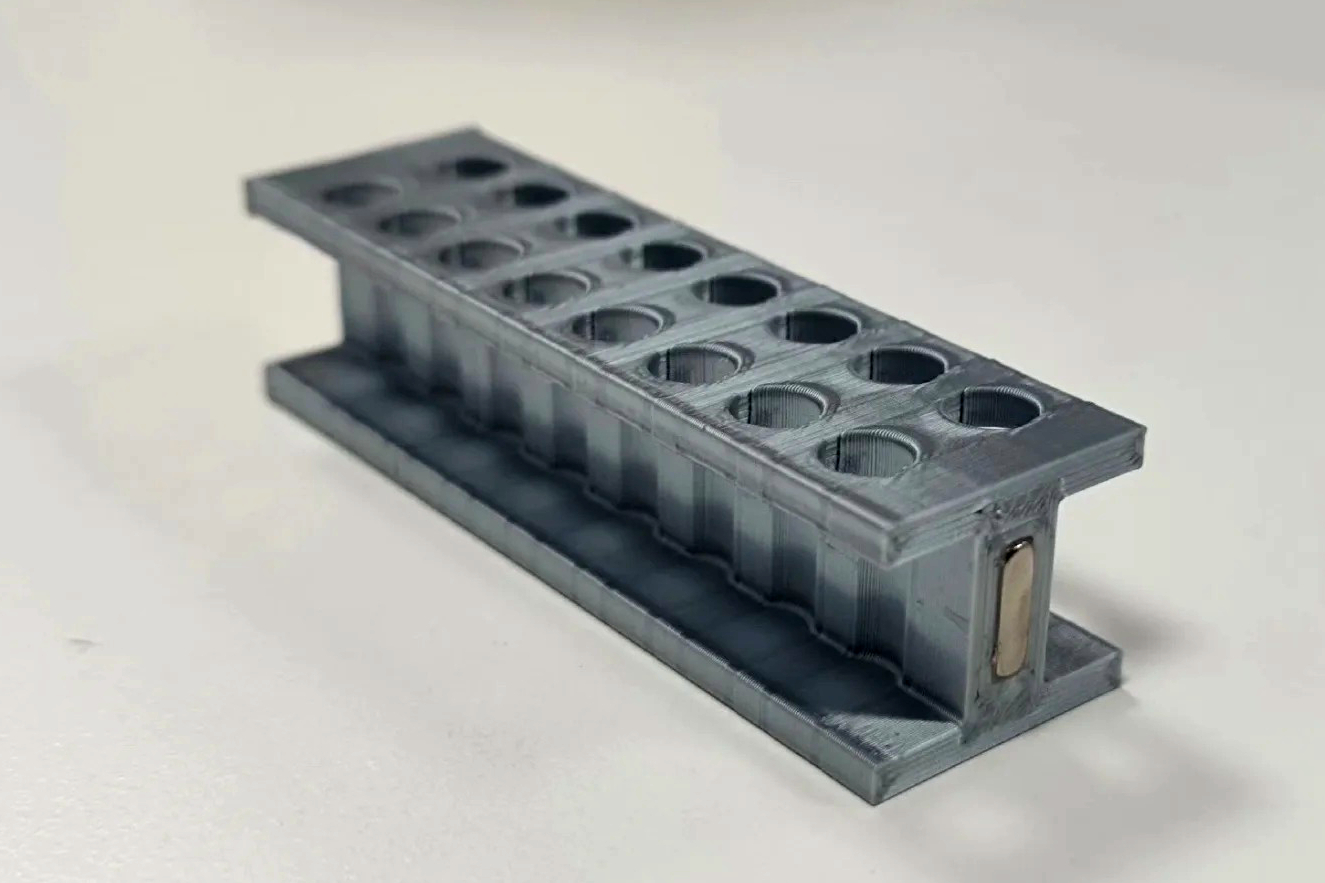
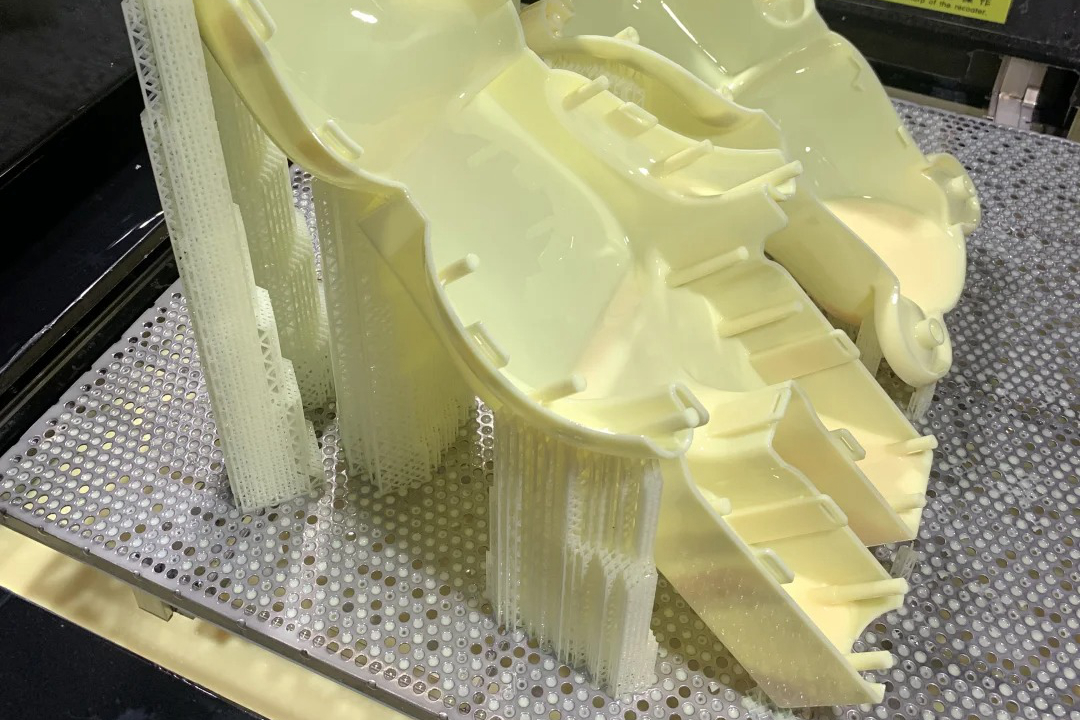
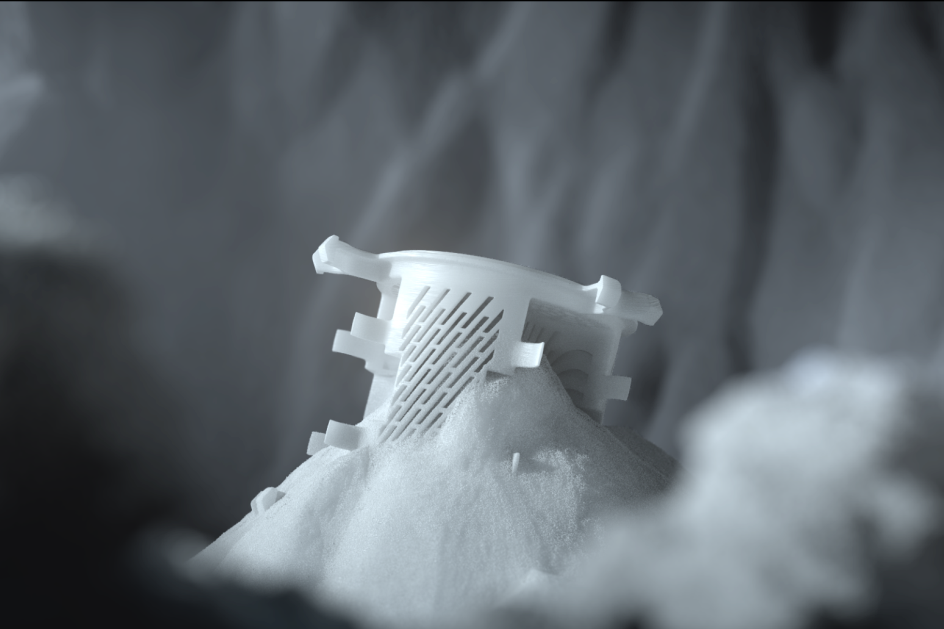
تمثل اللدائن الحرارية فئة المواد الأكثر تنوعًا واستخدامًا على نطاق واسع في التصنيع الإضافي الحديث. إن قدرتها على الليونة عند التسخين والتصلب عند التبريد تتيح التشكيل الفعال، وإعادة المعالجة، والتصنيع عالي الإنتاجية. في الطباعة ثلاثية الأبعاد، تدعم اللدائن الحرارية تقنيات مثل FDM/FFF و SLS وتلبيد البوليمر بالليزر الصناعي، مما يوفر توازنًا ممتازًا بين الأداء الميكانيكي والاستقرار الكيميائي ومرونة التصميم. من خلال الطباعة ثلاثية الأبعاد لللدائن الحرارية المتقدمة لدى Neway AeroTech، يمكن للمهندسين إنتاج نماذج أولية ومكونات وظيفية وهياكل وأدوات مساعدة وتجهيزات وأجزاء صناعية نهائية الاستخدام بدقة أبعاد استثنائية. تشمل اللدائن الحرارية مجموعة من المواد، بدءًا من PLA و ABS الأساسية وصولاً إلى بوليمرات الهندسة عالية الأداء مثل النايلون و TPU و PC و PETG و PEEK، حيث يقدم كل منها مجموعات فريدة من القوة ومقاومة الحرارة والمرونة والمتانة المناسبة لتطبيقات متنوعة، بما في ذلك الفضاء والطيران والسيارات والإلكترونيات والأدوات والمنتجات الاستهلاكية.

الأسماء الدولية أو البوليمرات الممثلة
المنطقة | الاسم الشائع | الدرجات الممثلة |
|---|---|---|
الولايات المتحدة الأمريكية | اللدائن الحرارية | PLA, ABS, Nylon, TPU |
أوروبا | اللدائن الهندسية | PA12, PETG, PC |
اليابان | البوليمرات الصناعية | PEEK, PC, ABS |
الصين | اللدائن الحرارية | PLA, ABS, PA, TPU |
التصنيف الصناعي | مواد بوليمرية | سلعية، هندسية، عالية الأداء |
خيارات المواد البديلة
عندما لا تلبي اللدائن الحرارية متطلبات الأداء بالكامل، يمكن النظر في العديد من المواد الأخرى بناءً على عوامل مثل القوة ومقاومة درجة الحرارة والمقاومة الكيميائية أو الاستقرار الأبعادي. للحصول على أداء ميكانيكي أعلى أو مقاومة كيميائية، توفر اللدائن الهندسية مثل اللدائن عالية الأداء و البولي كربونات متانة محسنة وتحملًا حراريًا أفضل. عند الحاجة إلى قوة مشابهة للمعادن، يمكن للمهندسين الاستفادة من التصنيع الإضافي المعدني الصناعي مثل الطباعة ثلاثية الأبعاد للفولاذ المقاوم للصدأ أو السبائك خفيفة الوزن مثل الطباعة ثلاثية الأبعاد للألمنيوم. بالنسبة لبيئات درجات الحرارة المرتفعة جدًا، توفر سبائك النيكل مثل هاستيلوي (Hastelloy) أو مواد التيتانيوم مثل Ti-13V-11Cr-3Al (TC11) استقرارًا حراريًا فائقًا. يمكن إنتاج المكونات المرنة والشبيهة بالمطاط باستخدام المطاطات مثل TPU. تضمن هذه البدائل قدرة المصممين على مطابقة أداء المادة بدقة مع المتطلبات الوظيفية والبيئية.
غرض التصميم
تم تطوير اللدائن الحرارية لتقديم إمكانية إعادة المعالجة وهيكل خفيف الوزن ومقاومة كيميائية وقابلية للتصنيع في درجات حرارة معتدلة. إن قدرتها على الانصهار وإعادة التشكيل بشكل متكرر تجعلها مثالية لعمليات التشكيل عالية الكفاءة. في الطباعة ثلاثية الأبعاد، يتوسع قصد التصميم لتمكين النمذجة الأولية السريعة وأدوات التصنيع الفعالة من حيث التكلفة والمكونات الوظيفية خفيفة الوزن واختبار التصميم المرن. توفر اللدائن الحرارية ذات الدرجة الهندسية تحسينات كبيرة في القوة ومقاومة الإجهاد والاستقرار الحراري والمتانة، مما يدعم الصناعات المتطلبة التي تحتاج إلى هندسة محسنة وأداء موثوق.
التركيب الكيميائي (عام)
نوع البوليمر | التركيب الأساسي |
|---|---|
PLA | حمض полиلاكتيك (بوليمر حيوي) |
ABS | أكريلونيتريل، بوتادين، ستايرين |
نايلون (PA) | سلاسل بولي أميد |
PETG | بولي إيثيلين تيريفثاليت جليكول |
TPU | بولي يوريثان حراري |
PC | سلسلة بوليمر البولي كربونات |
PEEK | سلسلة عطرية من بولي إيثر إيثر كيتون |
الخصائص الفيزيائية (النطاقات النموذجية)
الخاصية | القيمة |
|---|---|
الكثافة | 1.0–1.3 جم/سم³ |
نقطة الانصهار | 60–340°م (تعتمد على البوليمر) |
التوصيل الحراري | 0.2–0.3 واط/م·كلفن |
درجة حرارة انحراف الحرارة | 50–250°م |
امتصاص الماء | منخفض إلى متوسط |
الخصائص الميكانيكية (النطاقات النموذجية)
الخاصية | القيمة |
|---|---|
قوة الشد | 30–100 ميجا باسكال |
قوة الانحناء | 40–150 ميجا باسكال |
الاستطالة عند الكسر | 3–500% (تعتمد على البوليمر) |
الصلادة | شور أ 80 إلى شور د 80 |
مقاومة الصدمات | متوسطة إلى عالية جدًا |
الخصائص الرئيسية للمادة
مجموعة واسعة من الخصائص الميكانيكية المناسبة للنماذج الأولية والأجزاء الوظيفية
خفيفة الوزن وسهلة المعالجة مع استهلاك منخفض للطاقة
قابلية تكيف ممتازة لـ FDM و SLS وتلبيد البوليمر بالليزر
مقاومة كيميائية جيدة اعتمادًا على عائلة البوليمر
تدعم التطبيقات المرنة والصلبة والشفافة أو عالية الأداء
مناسبة للطباعة واسعة النطاق والأشكال الهندسية المعقدة
تشمل خيارات قابلة للتحلل البيولوجي مثل PLA للتصنيع المستدام
مقاومة عالية للإجهاد في مواد مثل النايلون و TPU
توفر خيارات تشطيب سطح ممتازة من خلال التلميع أو التنعيم بالبخار
فعالة من حيث التكلفة لكل من تكرارات التصنيع والإنتاج التسلسلي
القابلية للتصنيع في العمليات المختلفة
التصنيع الإضافي: مثالي لـ FDM/FFF و SLS باستخدام التصنيع الإضافي لللدائن الحرارية.
الطباعة متعددة المواد: مدعومة بالبوليمرات المرنة مثل TPU.
التصنيع الإضافي عالي الأداء: تتطلب مواد مثل PEEK غرفًا حرارية محكمة التحكم.
النمذجة الأولية: طباعة سريعة بمواد مثل PLA.
الأجزاء الوظيفية: بوليمرات هندسية قوية مثل النايلون أو المركبات المقواة.
التشغيل الآلي (CNC): يمكن تشغيل العديد من اللدائن الحرارية لعمليات التشطيب.
القولبة: تدعم اللدائن الحرارية بطبيعتها حقن القولبة، مما يفيد التصميم للانتقال من AM إلى القولبة.
بدائل الراتنج: يمكن تحويل أشكال معينة إلى راتنجات فوتوبوليمر عند الحاجة إلى تفاصيل أعلى.
طرق ما بعد المعالجة المناسبة
تنعيم السطح عبر تلميع البخار، خاصة لـ ABS
التخمير لتحقيق الاستقرار الأبعادي وتحسين القوة
الطلاء أو الطلاء الكهربائي لتحسين المظهر
التشغيل والثقب لإجراء تعديلات ذات تحمل ضيق
التكييف الحراري لتقليل الإجهادات المتبقية
لا ينطبق الضغط المتساوي القياس الساخن (HIP)، ولكن قد تخضع البوليمرات للاستقرار الحراري
فحص غير إتلافي عبر اختبار المواد وتحليلها لضمان الاتساق الهيكلي
الصبغة أو التشطيب اللوني لمكونات نايلون SLS
الصناعات والتطبيقات الشائعة
هياكل الإلكترونيات الاستهلاكية والمكونات الهيكلية
أجزاء الداخلية في قطاع الفضاء والطيران والتجميعات غير الحاملة للأحمال
لوحات قيادة السيارات والمشابك والتجهيزات والأغطية خفيفة الوزن
النماذج الطبية والأدلة وأدوات النمذجة الأولية
الأدوات المساعدة الصناعية والتجهيزات ومكونات التعبئة والتغليف
الروبوتات وهياكل الأتمتة وعلب أجهزة الاستشعار
متى تختار هذه المادة
عندما تكون النمذجة الأولية السريعة مطلوبة بتكلفة مادة منخفضة
عندما تكون المكونات خفيفة الوزن وغير المعدنية كافية للوظيفة
عندما تكون هناك حاجة إلى المرونة أو الشفافية أو خصائص اللمس الناعم
عندما تكون المقاومة الكيميائية أو أداء مقاومة الإجهاد أمرًا ضروريًا
عند الانتقال من النموذج الأولي إلى حقن القولبة للإنتاج الضخم
عندما يُفضل الاستدامة البيئية أو القابلية للتحلل البيولوجي (PLA)
عند إنتاج أشكال هندسية معقدة مع الحد الأدنى من قيود التصميم
عندما تكون البوليمرات عالية الأداء مطلوبة للتطبيقات ذات الدرجة الهندسية
استكشف المدونات ذات الصلة