سبائك الكوبالت
مقدمة عن المادة
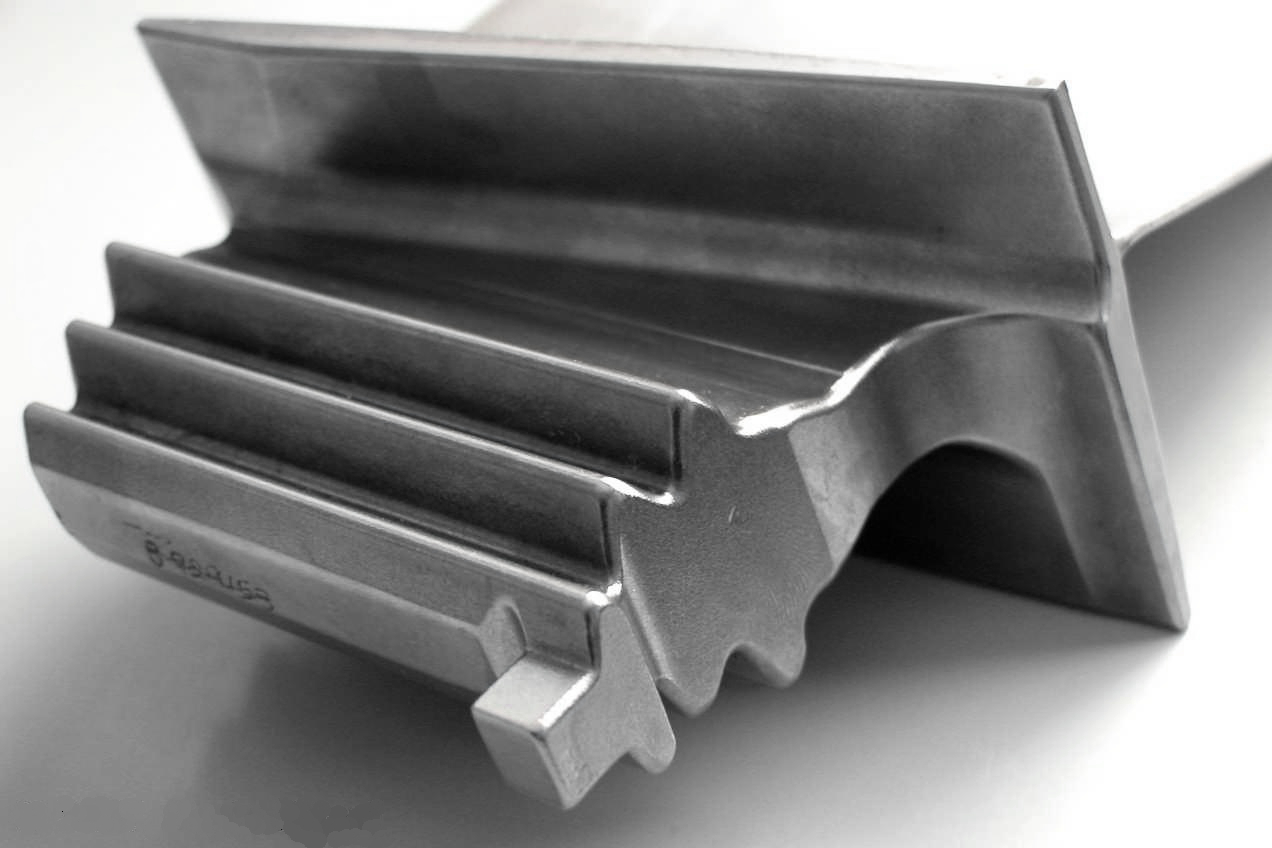
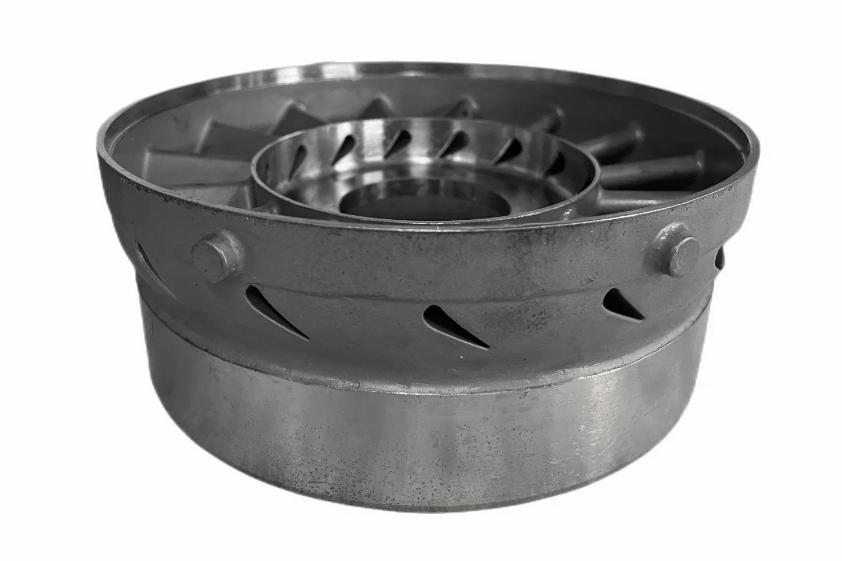
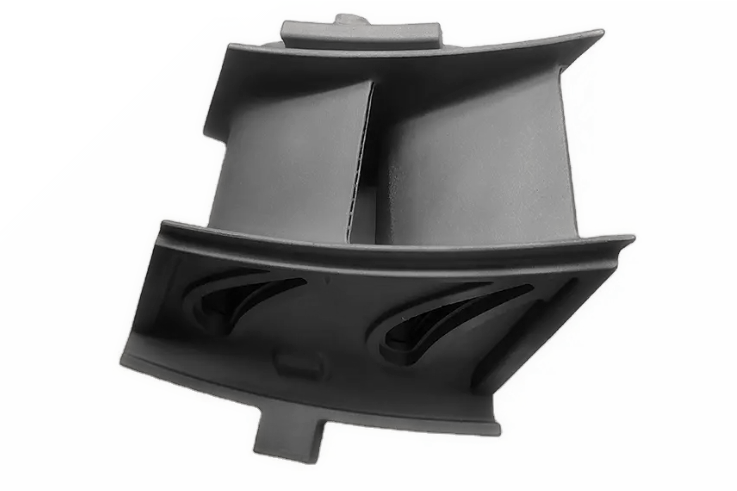
تُعد سبائك الكوبالت عائلة من السبائك الفائقة عالية الأداء، المُهندسة خصيصًا لبيئات درجات الحرارة القصوى والتآكل والتآكل الكيميائي، مما يجعلها مثالية لمكونات الصب البلوري متساوي الحبيبات لسبائك الكوبالت الدقيقة. ومع مصفوفة غنية بالكوبالت مُعززة بالكروم والتنغستن والموليبدينوم والكربون وعناصر سبيكة أخرى، تقدم هذه المواد صلادة حرارية متميزة، ومقاومة ممتازة للإجهاد الحراري، ومقاومة استثنائية للتآكل بين المعادن والأكسدة بدرجات حرارة عالية. وعند دمجها مع قدرات تصنيع قطع السبائك الفائقة المتقدمة لدى Neway AeroTech، يمكن صب سبائك الكوبالت في هياكل معقدة متساوية الحبيبات ذات مورفولوجيا حبيبية مستقرة، وتحكم دقيق في الأبعاد، وسلامة هيكلية قوية. وهذا يجعلها مناسبة بشكل خاص لمكونات توربينات الغاز الثابتة، ومعدات الأقسام الساخنة، ومقاعد الصمامات، وحلقات التآكل في المضخات، والأجزاء المعرضة للانزلاق أو الأحمال التصادمية التي تعمل في وسائط عدائية. ومن خلال التحكم الدقيق في العمليات، وتصميم البوابات المُحسّن، والمعالجة الحرارية المخصصة، تقدم Neway AeroTech باستمرار مسبوكات سبائك الكوبالت ذات الأداء الموثوق في تطبيقات الطيران والطاقة والصناعة المتطلبة.
خيارات مواد بديلة
عندما تكون ظروف التشغيل أو متطلبات التصميم خارج النطاق المثالي لسبائك الكوبالت، يمكن اختيار مواد بديلة وفقًا لقيود درجة الحرارة والتآكل والتكلفة. بالنسبة لريش الدوران عالية الحرارة، ومعدات غرف الاحتراق، وأقراص التوربينات التي تتطلب مقاومة زحف أعلى وكثافة أقل، توفر سبائك النيكل مثل سبائك النيكل والكروم متساوية الحبيبات أو سبائك الصب الفائقة المتقدمة بدائل ممتازة. وفي البيئات الكيميائية أو البحرية المسببة للتآكل، توفر سبائك مونيل أو سبائك هاستيلوي مقاومة فائقة للأحماض والكلوريدات والوسائط المختزلة. حيث تكون كل من القوة العالية الحرارة ومقاومة الأكسدة أمرًا حاسمًا، تُعد سبائك إنكونيل خيارًا شائعًا لمكونات التوربينات والأفران. وبالنسبة للتطبيقات الحساسة للوزن في الهياكل الجوية أو العناصر الدوارة، يمكن لسبائك التيتانيوم عالية القوة أن تقلل الكتلة بشكل كبير مع الحفاظ على الأداء الميكانيكي. وفي السيناريوهات التي يكون فيها تآكل الانزلاق أقل حدة وتكون كفاءة التكلفة هي الأولوية، قد يُفضل استخدام فولاذ الصب المقاوم للتآكل من صب السبائك الخاصة.
المكافئ الدولي / الدرجة المماثلة
البلد/المنطقة | الدرجة المكافئة / المماثلة | الأسماء التجارية المحددة | ملاحظات |
دولي (UNS) | R30006 / R30075 / R30188 | Co–Cr–W (نوع Stellite)، Co–Cr–Mo (نوع F75)، Haynes 188 | تسميات UNS نموذجية لسبائك الكوبالت المقاومة للتآكل والحرارة. |
الولايات المتحدة الأمريكية (ASTM/ASME) | ASTM F75، سبائك الكوبالت ASTM A494 | ASTM F75 Co–Cr–Mo، A494 CW-6M، A494 HF | تُستخدم على نطاق واسع في مكونات الصب الطبية والصمامات وعالية الحرارة. |
أوروبا (EN) | CoCr28Mo6، CoCr29W9 | سبائك الزرع EN CoCr28Mo6، سبائك التآكل CoCrW | تسميات أوروبية لسبائك الكوبالت-كروم-موليبدينوم والكوبالت-كروم-تنغستن. |
ألمانيا (DIN) | درجات صب DIN CoCrMo / CoCrW | سبائك المسابك القائمة على DIN CoCr28Mo6، CoCr29W9 | تُستخدم عادةً في مكونات توليد الطاقة والصمامات. |
الصين (GB/T) | سبائك صب CoCrMo / CoCrW | سبائك الزرع المحلية Co–Cr–Mo، سبائك التآكل Co–Cr–W | سبائك صناعية صينية متوافقة مع ASTM F75 و EN CoCr28Mo6. |
اليابان (JIS) | سبائك صب الكوبالت-كروم JIS | سبائك الكوبالت المقاومة للتآكل الصناعية وطب الأسنان Co–Cr | تُستخدم لأجزاء الأقسام الساخنة ومسبكات طب الأسنان والصناعة الدقيقة. |
ISO | ISO 5832-4 (صب Co–Cr–Mo) | سبائك ISO Co–Cr–Mo للتطبيقات الطبية والإنشائية | تحدد التركيب الكيميائي والخصائص الميكانيكية لمسبكات الزرع القائمة على الكوبالت. |
عائلات العلامات التجارية | Stellite، Haynes، Tribaloy | سبائك Stellite، Haynes 188، سلسلة Tribaloy | عائلات تمثيلية لسبائك الكوبالت المقاومة للتآكل والحرارة. |
غرض التصميم
تم تطوير سبائك الكوبالت للصب البلوري متساوي الحبيبات لتقديم قوة موثوقة، ومقاومة للتآكل، واستقرار ضد التآكل الكيميائي عند درجات الحرارة التي تتدهور فيها الفولاذ التقليدي والعديد من سبائك النيكل بسرعة. ويركز فلسفة تصميمها على الحفاظ على الصلادة والاستقرار المجهري تحت الدورات الحرارية، وتآكل الانزلاق أو التصادم، والتعرض للأجواء المؤكسدة أو الكربنة. يوفر الكروم والتنغستن (أو الموليبدينوم) تقوية محلول صلب قوية ويشكلان أكاسيد واقية، بينما يخلق الكربون وعناصر تشكيل الكربيد المتحكم فيها بعناية شبكة كربيد موزعة بدقة تقاوم التآكل اللاصق والكاشط. في الصب متساوي الحبيبات، يتم تحسين بنية الحبيبات لتقليل التشقق الساخن وعيوب الصب مع توفير خواص متباينة الخواص لمسارات الحمل غير الاتجاهية. وبالتعاون مع منصة الصب البلوري متساوي الحبيبات لدى Neway AeroTech، تستهدف هذه السبائك مكونات حاسمة للمهمة، مثل تشذيب الصمامات، وأجزاء الأقسام الساخنة للتوربينات، وأسطح الختم، وإدراجات الأدوات، التي يجب أن تتحمل الخدمة طويلة الأمد في ظروف كيميائية قاسية أو بخار أو احتراق.
التركيب الكيميائي
العنصر | الكوبالت (Co) | الكروم (Cr) | التنغستن (W) / الموليبدينوم (Mo) | النيكل (Ni) | الكربون (C) | أخرى (Si, Mn, Fe، إلخ) |
التركيب (%) | الرصيد (~55–65) | 25–30 | W 4–7 و/أو Mo 0–3 | 0–5 | 0.3–1.4 | كل منها عادةً <2.0؛ الشوائب خاضعة للتحكم الدقيق |
الخصائص الفيزيائية
الخاصية | الكثافة | نطاق الانصهار | التوصيل الحراري | التوصيل الكهربائي | التمدد الحراري |
القيمة | ~8.3–8.7 جم/سم³ | ~1300–1400°م | ~14–20 واط/م·كلفن | ~3–5% IACS | ~13–15 ميكرومتر/م·°م (20–800°م) |
الخصائص الميكانيكية
الخاصية | قوة الشد (درجة حرارة الغرفة) | قوة الخضوع (درجة حرارة الغرفة) | الاستطالة | الصلادة | القوة عالية الحرارة |
القيمة | ~650–900 ميجا باسكال | ~400–650 ميجا باسكال | ~1–6% | ~320–480 HB (≈ 32–48 HRC) | تحتفظ بقوة كبيرة حتى ~800–900°م |
الخصائص الرئيسية للمادة
مقاومة ممتازة للتآكل عالي الحرارة لبيئات الانزلاق والالتصاق والتآكل التعريفي، حتى في درجات الحرارة المرتفعة.
مقاومة ممتازة للأكسدة والتآكل الساخن في غازات الاحتراق والبخار وأجواء العمليات الكيميائية.
صلادة وهيكل مجهري مستقر تحت الدورات الحرارية، مما يقلل من التليين والتشوه خلال الخدمة طويلة الأمد.
قابلية صب جيدة في صب سبائك الكوبالت متساوية الحبيبات، مما يسمح بإنشاء أشكال معقدة ذات بنية حبيبية خاضعة للتحكم.
يوفر الهيكل المجهري المعزز بالكربيد مقاومة ممتازة للتآكل اللاصق والكاشط تحت ظروف التشحيم الحدودي.
قوة ضغط عالية واستقرار للحواف لأسطح الختم ومقاعد الصمامات وأدوات القطع أو التشكيل.
أداء قوي تحت الأحمال الميكانيكية والحرارية والكيميائية المشتركة، خاصة في بيئات توليد الطاقة والنفط والغاز.
توافق جيد مع المعالجة الحرارية اللاحقة والضغط متساوي الحرارة الساخن (HIP) لتحسين المتانة وتقليل المسامية.
مقاوم للكبرتة والكربنة في أجواء الاحتراق أو الأفران العدوانية.
قادر على عمر خدمة طويل حيث تكون تكاليف التوقف مرتفعة والموثوقية حاسمة.
القدرة على التصنيع والمعالجة اللاحقة
الصب البلوري متساوي الحبيبات: المسار الرئيسي لسبائك الكوبالت؛ مناسب للأجزاء الثابتة المعقدة، وتشذيب الصمامات، وكتل التآكل.
صب السبائك الخاصة: يدعم التركيبات المخصصة وتصاميم شبه النهائية للمكونات الصناعية عالية الحجم.
الضغط متساوي الحرارة الساخن (HIP): يقلل من المسامية الداخلية، ويحسن مقاومة الإجهاد والزحف للأجزاء الدوارة أو المحتوية على الضغط الحرجة.
المعالجة الحرارية: دورات المحلول والشيخوخة تنقي الكربيدات، وتستقر الهيكل المجهري، وتوازن بين الصلادة والمتانة.
تشغيل السبائك الفائقة باستخدام CNC: يُستخدم لتحقيق تحملات دقيقة وأسطح ختم دقيقة؛ يتطلب أدوات صلبة، وتغذيات وسرعات محسنة.
التفريغ الكهربائي (EDM): مثالي للميزات المعقدة، والزوايا الحادة، والأشكال الهندسية صعبة التشغيل في سبائك الكوبالت المصلدة.
حفر الثقوب العميقة للسبائك الفائقة: يتيح قنوات التبريد والثقوب الطويلة والدقيقة في الصمامات ذات الجدران السميكة ومعدات التوربينات.
لحام السبائك الفائقة: يدعم إصلاح الأسطح البالية وإضافة طبقات تصليد قائمة على الكوبالت في المناطق الحرجة.
اختبار وتحليل المواد: يضمن استيفاء التركيب الكيميائي والهيكل المجهري والخصائص الميكانيكية لمعايير الطيران والطاقة الصارمة.
تشمل خطوات المعالجة اللاحقة النموذجية الطحن الدقيق، والتلميع، والتجليخ، والكرات الفولاذية لتحقيق التشطيب السطحي المطلوب وأداء الإجهاد.
معالجات السطح المناسبة
طلاء الحاجز الحراري (TBC): يُطبق على أجزاء سبائك الكوبالت في الأقسام الساخنة لتقليل درجة حرارة المعدن وإطالة عمر الخدمة.
طبقات علوية صلبة قائمة على الكربيد: تعزز مقاومة التآكل لمقاعد الصمامات وأوجه الختم وحواف القطع.
الكرات الفولاذية: تُدخل إجهادات متبقية ضاغطة لتحسين قوة الإجهاد ومقاومة بدء التشقق.
الطحن الدقيق والتلميع: تحقيق خشونة منخفضة (مثل Ra ≤ 0.4–0.8 ميكرومتر) على أسطح الختم والمحامل.
التلميع: يُستخدم في المكونات الطبية أو الصحية لتقليل تآكل الشقوق والترسبات.
معالجات انتشار أو أكسدة متخصصة: تحسين التصاق القشور وسلوك الأكسدة عالي الحرارة في البيئات العدوانية.
فحص السطح والاختبار غير الإتلافي، المدعوم بـ اختبار وتحليل المواد، للتحقق من سلامة الطلاء وجودة الرابطة.
الصناعات والتطبيقات الشائعة
توليد الطاقة: ريش توربينات الغاز الثابتة، وبلاط غرف الاحتراق، وقنوات الانتقال، ووسائد التآكل المعرضة للغاز الساخن والبخار.
النفط والغاز: مقاعد الصمامات، وحبات الاختناق، وحلقات التآكل في المضخات، والمكونات المنزلقة في التدفق متعدد الأطوار المسبب للتآكل والتعرية.
المعالجة الكيميائية: مكونات في المفاعلات المسببة للتآكل وعالية الحرارة، والأفران، وصمامات التحكم في العمليات.
الفضاء والطيران: معدات الأقسام الساخنة، وريش التوجيه، وتركيبات مقاومة التآكل التي تعمل تحت دورات حرارية شديدة.
الطاقة النووية: مكونات تتطلب مقاومة للإشعاع، ومقاومة للتآكل، واستقرار طويل الأمد في درجات حرارة مرتفعة.
البحرية والتعدين: أجزاء مقاومة للتآكل في المضخات، وأنظمة التجريف، والتعامل مع الملاط الكاشط.
الصمامات الصناعية ومعدات التحكم في التدفق: حلقات المقاعد، والأقفاص، وإدراجات التشذيب المعرضة للتجويف، والوميض، والتآكل بالجسيمات.
الأدوات والقوالب: إدراجات العمل الساخن، وقوالب التشكيل، وأدوات القطع حيث يهيمن التآكل والإجهاد الحراري على التصميم.
متى تختار هذه المادة
تآكل شديد عالي الحرارة: مثالية عندما تتعرض المكونات للانزلاق المتزامن، أو التصادم، أو التآكل فوق 500–600°م.
أجواء مؤكسدة ومسببة للتآكل: موصى بها للغاز الساخن، أو البخار، أو البيئات الكيميائية حيث يتقشر الفولاذ أو يتآكل بسرعة.
موثوقية متطلبة: مناسبة للمعدات الحرجة في الطاقة أو العمليات حيث يكون التوقف غير المخطط له والفشل غير مقبول.
تطبيقات إجهاد التلامس العالي: مفضلة لمقاعد الصمامات، والمحامل، وواجهات الختم التي تتطلب صلادة عالية واستقرارًا للحواف.
ظروف الدورات الحرارية: تعمل بشكل جيد حيث يتم تسخين المكونات وتبريدها بشكل متكرر، مما يحد من بدء التشقق وانتشاره.
متطلبات عمر خدمة طويل: مبررة حيث تفوق تكلفة دورة الحياة وفترات الصيانة تكلفة المادة الأولية.
مسبكات معقدة متساوية الحبيبات: خيار قوي عندما يمكّن صب سبائك الكوبالت متساوية الحبيبات من أشكال شبه نهائية مع الحد الأدنى من التشغيل الآلي.
آليات تآكل وتآكل كيميائي مختلطة: فعالة حيث يعمل كل من الهجوم الكيميائي والتآكل الميكانيكي في وقت واحد على نفس الأسطح.
استكشف المدونات ذات الصلة