
تشغيل ستالايت 6 باستخدام CNC لحلقات ريش التوربينات مع متانة محسنة
مقدمة
ستالايت 6 هو سبيكة من الكوبالت-الكروم-التنغستن معروفة بمقاومتها الممتازة للتآكل، ومقاومة التآكل الكيميائي، وقوتها العالية في درجات الحرارة المرتفعة حتى 870 درجة مئوية. بصلابة نموذجية تتراوح بين 43-46 HRC وقوة شد تبلغ حوالي 930 ميجا باسكال، فهي الخيار المثالي لحلقات ريش التوربينات المعرضة لبيئات التآكل، والتآكل التآكلي، والإجهاد الحراري.
في نيواي إيروتيك، نحن متخصصون في التشغيل الدقيق باستخدام CNC لحلقات ريش التوربينات من ستالايت 6، حيث نقدم دقة أبعاد تبلغ ±0.01 ملم ونعومة سطحية Ra ≤0.8 ميكرومتر، مما يضمن أقصى كفاءة وعمر خدمة في ظل ظروف التوربينات القاسية.
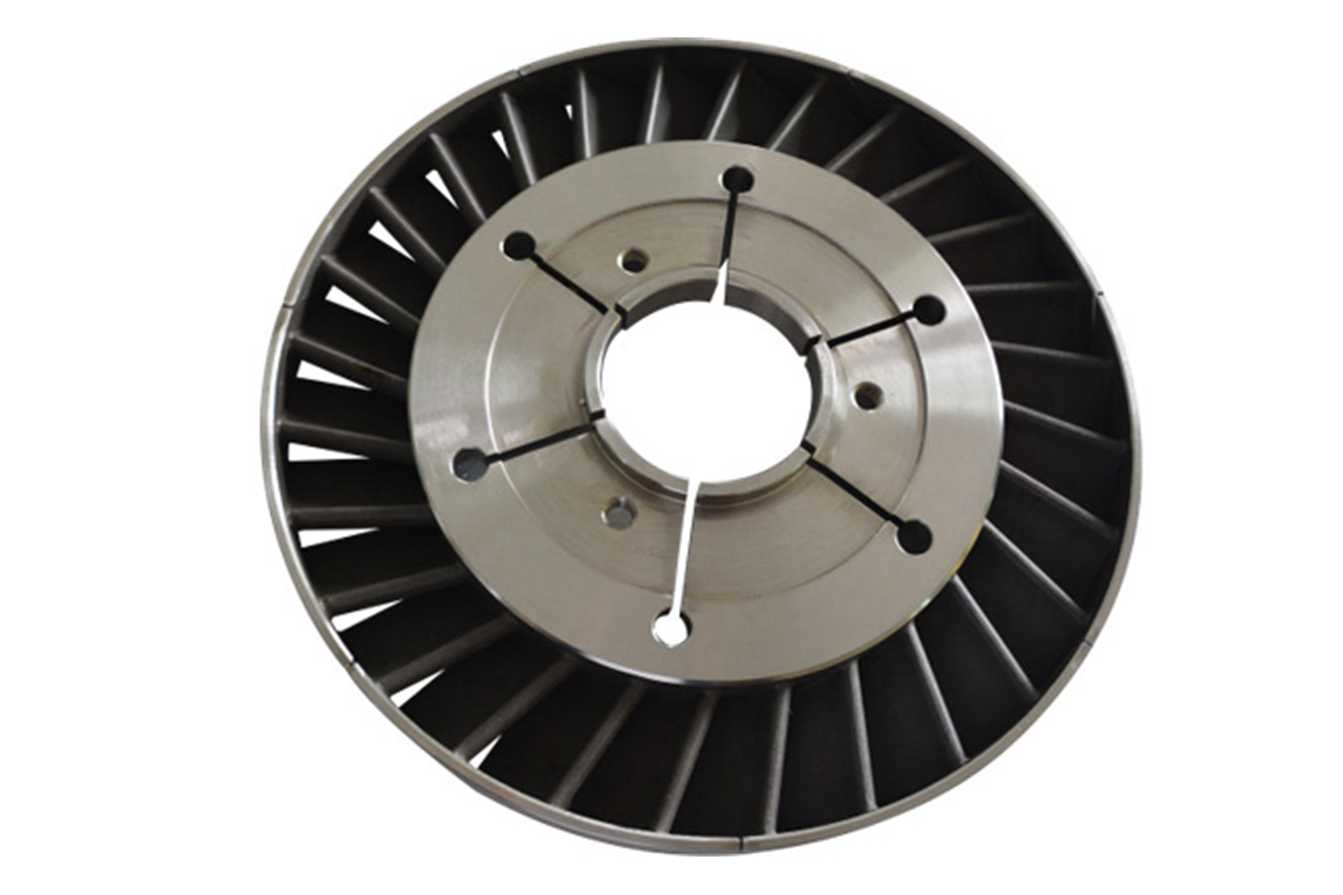
التحديات التقنية في تشغيل حلقات ريش التوربينات من ستالايت 6
الحفاظ على التسامحات الضيقة (±0.01 ملم) للحصول على أشكال هوائية دقيقة.
تشغيل المواد عالية الصلابة (43-46 HRC) دون التسبب في تلف حراري.
تحقيق أسطح ناعمة (Ra ≤0.8 ميكرومتر) لتحسين تدفق الهواء.
ضمان المقاومة للتآكل، والتآكل الكيميائي، والإجهاد الحراري عند التشغيل بدرجة 870°C.
عملية التشغيل الدقيق لحلقات ريش التوربينات
تتضمن عملية التصنيع:
تحضير المادة: سباكة الشمع المفقود بالتفريغ أو تشكيل قوالب ستالايت 6 بالطرق مع فحوصات الجودة الأولية.
التشغيل الخشن: استخدام أدوات PCBN أو السيراميك لتشكيل المخطط الخارجي الخشن دون تسخين قطعة العمل.
المعالجة الحرارية: إزالة الإجهادات لتعزيز الاستقرار الأبعادي بعد التشغيل إذا لزم الأمر.
التشطيب شبه النهائي: التشكيل الوسيط الدقيق، استعدادًا للتشغيل النهائي.
التشطيب الدقيق: التشكيل والطحن باستخدام CNC للوصول إلى التسامحات الضيقة وجودة السطح المطلوبة.
التفتيش النهائي: اختبار CMM والاختبارات غير التدميرية تضمان التوافق مع المواصفات.
تحليل مقارن لطرق تشغيل حلقات الريش
طريقة التشغيل | جودة التشطيب السطحي | الدقة الأبعادية | عمر الأداة | مناسبة لستالايت 6 | كفاءة الإنتاج |
|---|---|---|---|---|---|
التشغيل الدقيق باستخدام CNC | ممتازة (Ra ≤0.8 ميكرومتر) | عالية جدًا (±0.01 ملم) | متوسطة | نعم | عالية |
EDM | جيدة (Ra ~2 ميكرومتر) | عالية (±0.02 ملم) | عالية | محدودة | منخفضة |
الطحن والتلميع | ممتازة (Ra ≤0.4 ميكرومتر) | عالية جدًا (±0.005 ملم) | عالية | نعم | متوسطة |
التشغيل التقليدي | ضعيفة (Ra ~8–12 ميكرومتر) | منخفضة (±0.1 ملم) | منخفضة | لا | منخفضة |
استراتيجية التشغيل المثلى لحلقات ريش التوربينات
التشغيل الدقيق باستخدام CNC: يحقق أشكالًا هوائية مع Ra ≤0.8 ميكرومتر وتسامح ±0.01 ملم.
الطحن والتلميع: يعزز التشطيب السطحي إلى Ra ≤0.4 ميكرومتر لتحسين الأداء الهوائي.
تشغيل EDM: يُستخدم بشكل انتقائي للأشكال المعقدة أو الميزات الدقيقة.
[التشغيل التقليدي]: غير مناسب بسبب التآكل الشديد للأدوات والدقة المنخفضة.
نظرة عامة على أداء سبيكة ستالايت 6
الخاصية | القيمة | أهمية التطبيق |
|---|---|---|
الصلابة | 43-46 HRC | مقاومة ممتازة للتآكل والتآكل التآكلي |
أقصى درجة حرارة تشغيل | ~870°C | قوة ميكانيكية ممتازة في درجات الحرارة العالية |
مقاومة التآكل الكيميائي | ممتازة | مثالية للبيئات الكيميائية والغازية القاسية |
قوة الشد | ~930 ميجا باسكال | سعة تحميل ميكانيكية موثوقة |
معامل التمدد الحراري | ~13.8 ميكرومتر/م·°C | يحافظ على الاستقرار الأبعادي تحت دورات الحرارة |
مزايا استخدام ستالايت 6 لحلقات ريش التوربينات
مقاومة ممتازة للتآكل ضد الغازات المحملة بالجسيمات عالية السرعة تزيد من عمر الخدمة.
استقرار حراري عالٍ يحافظ على السلامة الميكانيكية حتى 870 درجة مئوية.
مقاومة تآكل كيميائي متميزة تضمن المتانة في البيئات الكيميائية العدوانية.
موثوقية أبعادية تضمن كفاءة تدفق الهواء المثلى في التوربينات.
تقنيات المعالجة اللاحقة لحلقات ريش التوربينات
الضغط المتساوي الحار (HIP): يزيد كثافة البنية المجهرية، ويزيل الفراغات الداخلية عند ~1160°C، 100 ميجا باسكال.
طلاء الحاجز الحراري (TBC): يقلل من الإجهاد الحراري ويحمي من التآكل الحراري.
الاختبارات غير التدميرية (NDT): تكشف عن العيوب تحت السطحية لضمان الموثوقية.
التشطيب الدقيق باستخدام CNC: يوفر الأشكال النهائية لكفاءة الأداء الهوائي.
التفتيش وضمان الجودة لحلقات ريش التوربينات
آلة القياس الإحداثي (CMM): تضمن دقة ±0.01 ملم على الأسطح الحرجة.
الاختبار بالموجات فوق الصوتية (UT): كشف العيوب الداخلية دون إتلاف القطع.
اختبار اختراق الصبغة (PT): يكشف عن الشقوق السطحية الصغيرة حتى 0.002 ملم.
التحليل المعدني المجهري: يتحقق من امتثال هيكل الحبيبات لمعايير الفضاء الجوي.
التطبيقات الصناعية ودراسة الحالة
تُستخدم حلقات ريش التوربينات من ستالايت 6 التي تنتجها نيواي إيروتيك على نطاق واسع في محركات الفضاء الجوي، وتوربينات الغاز الأرضية، والآلات التوربينية الصناعية. في مشروع حديث لترقية توربين الفضاء الجوي، زادت حلقات الريش من ستالايت 6 من عمر التشغيل بأكثر من 30٪ في ظل ظروف السرعة العالية ودرجة الحرارة المرتفعة مقارنة بسبائك النيكل التقليدية، مما قلل بشكل كبير من تكاليف الصيانة.
الأسئلة الشائعة
ما هي مستويات الدقة التي تحققها نيواي إيروتيك لحلقات ريش التوربينات من ستالايت 6؟
لماذا يُفضل ستالايت 6 لتطبيقات ريش التوربينات عالية الحرارة؟
كيف يعزز التشغيل باستخدام CNC أداء حلقات الريش من ستالايت 6؟
ما هي الصناعات التي تستخدم مكونات حلقات ريش التوربينات من ستالايت 6 بشكل شائع؟
كيف تضمن نيواي إيروتيك مراقبة الجودة لحلقات الريش من ستالايت 6؟
