
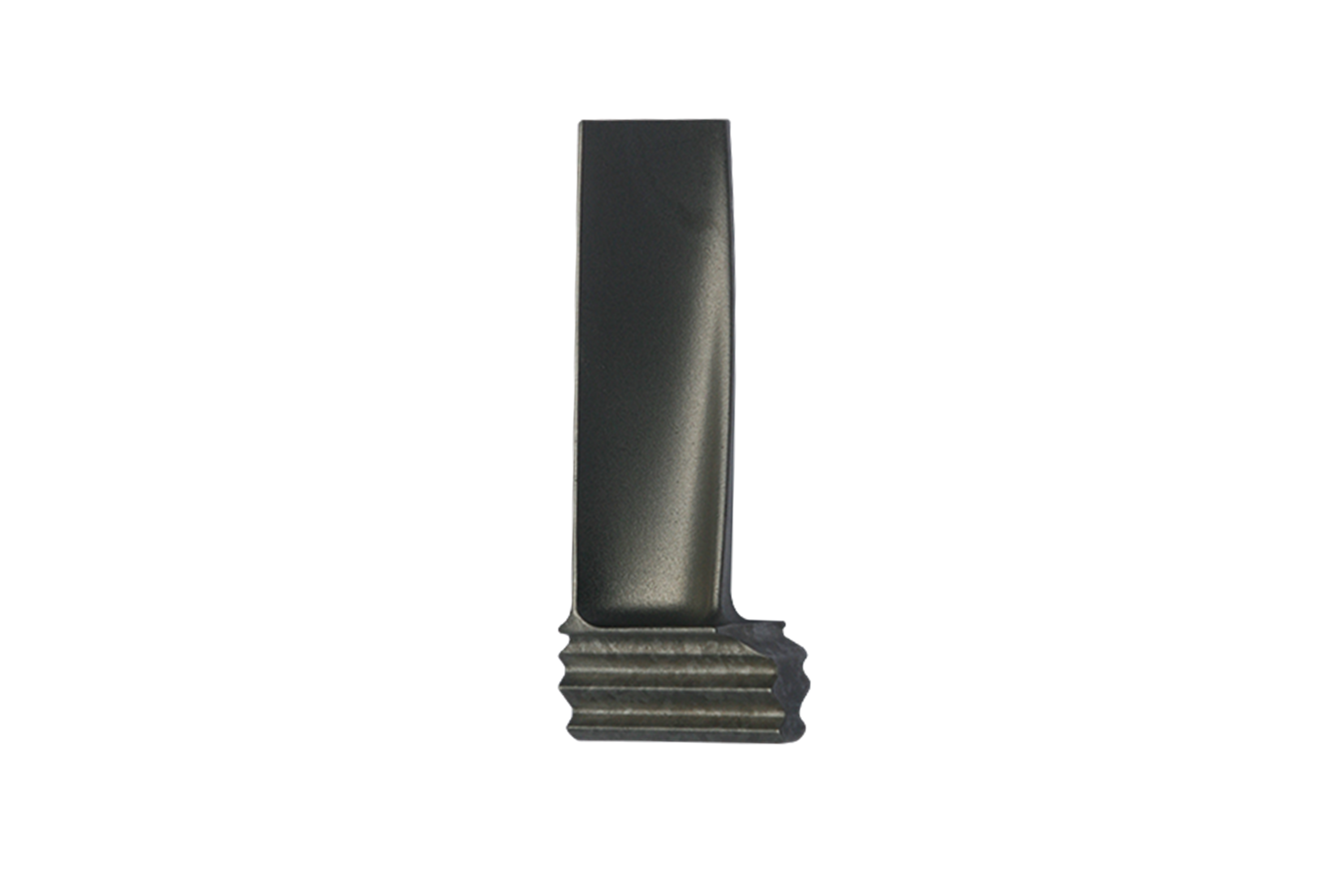
Inconel 713 Vacuum Investment Casting Compressor Blade
Introduction
Inconel 713 vacuum investment casting is a proven process for manufacturing high-strength compressor blades used in harsh thermal and mechanical environments. At Neway AeroTech, we cast Inconel 713C and 713LC blades with precision internal cores, optimized grain structure, and superior oxidation resistance. These blades are widely used in aerospace, power generation, and oil and gas compressor stages.
Our process combines vacuum melting, ceramic shell molding, and post-casting heat treatment to produce components with consistent mechanical properties and dimensional tolerances of ±0.05 mm.
Material Characteristics of Inconel 713 for Compressor Blades
Property | Inconel 713C / 713LC |
|---|---|
Max Operating Temperature | ~980°C |
Ultimate Tensile Strength | 875–925 MPa |
Yield Strength | ≥650 MPa |
Creep Resistance | Moderate to High |
Oxidation Resistance | Excellent at elevated temperatures |
Microstructure | Equiaxed or directionally solidified |
Machinability | Moderate, requires carbide tooling |
Typical Applications of Inconel 713 Compressor Blades
Aeroengine LPC/IPC Compressor Blades: Used in commercial and military jet engines where thermal gradients and dynamic loading require structural stability and oxidation resistance.
Industrial Gas Turbine Blades: Serve in compressors for combined-cycle or peaking power turbines, providing long-term service above 900°C.
Oil and Gas Turbomachinery: Employed in offshore and process plant compressors with high salt-laden air and corrosive environments.
Auxiliary Power Units (APUs): Deliver consistent airflow under start-stop conditions in aerospace APUs, where fatigue and thermal stability are critical.
Vacuum Investment Casting Process for Inconel 713 Blades
Wax Pattern Production: High-precision wax models created with blade airfoil, platform, and dovetail geometry within ±0.05 mm.
Ceramic Shell Molding: Patterns dipped in ceramic slurry to build 7–10 layers, then fired to create durable molds capable of withstanding molten metal temperatures.
Vacuum Melting and Casting: Inconel 713 is melted under vacuum (<10⁻³ torr) and poured into preheated molds to prevent oxidation and ensure clean, dense castings.
Controlled Cooling: Solidification controlled to develop equiaxed grains or directional structure depending on the application.
Post-Casting Heat Treatment: Solution and aging treatment at 1180–870°C enhances γ′ distribution, tensile strength, and fatigue resistance.
CNC Machining and Hole Drilling: Features like blade root fits, balance slots, and film-cooling holes are machined using 5-axis CNC systems.
Surface Finishing and Inspection: Surface finished to Ra ≤1.6 µm; internal integrity checked by X-ray NDT and geometry verified via CMM.
Results and Validation
Mechanical Strength: UTS >900 MPa and YS ≥650 MPa achieved after full heat treatment, suitable for high-pressure compressor stages.
Dimensional Control: ±0.05 mm tolerances met across platform width, airfoil chord, and root geometry.
Oxidation Performance: Passed >1000 hours at 950°C with no pitting or scaling under simulated gas turbine exhaust.
Fatigue Life:
20,000 cycles verified in thermal fatigue and centrifugal load simulations.
Microstructure Integrity: Grain structure and γ′ dispersion confirmed via SEM and optical metallography to meet turbine spec.
FAQs
What distinguishes Inconel 713 from other nickel-based alloys in casting compressor blades?
What dimensional tolerances can Neway AeroTech achieve with vacuum cast Inconel blades?
Can Inconel 713 blades be customized with internal cooling or hollow cores?
How does vacuum casting improve mechanical performance over air casting?
What non-destructive tests are used to ensure quality in Inconel 713 turbine blades?
