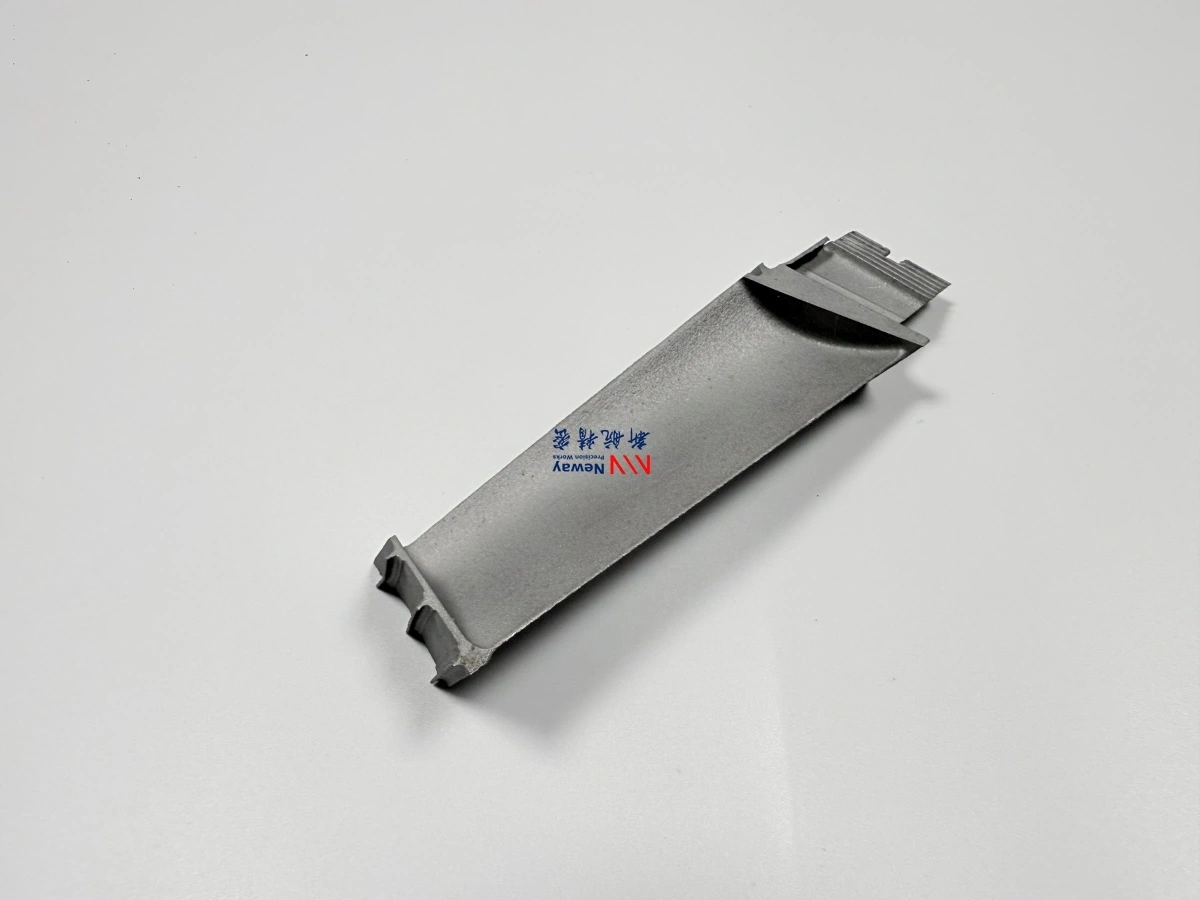
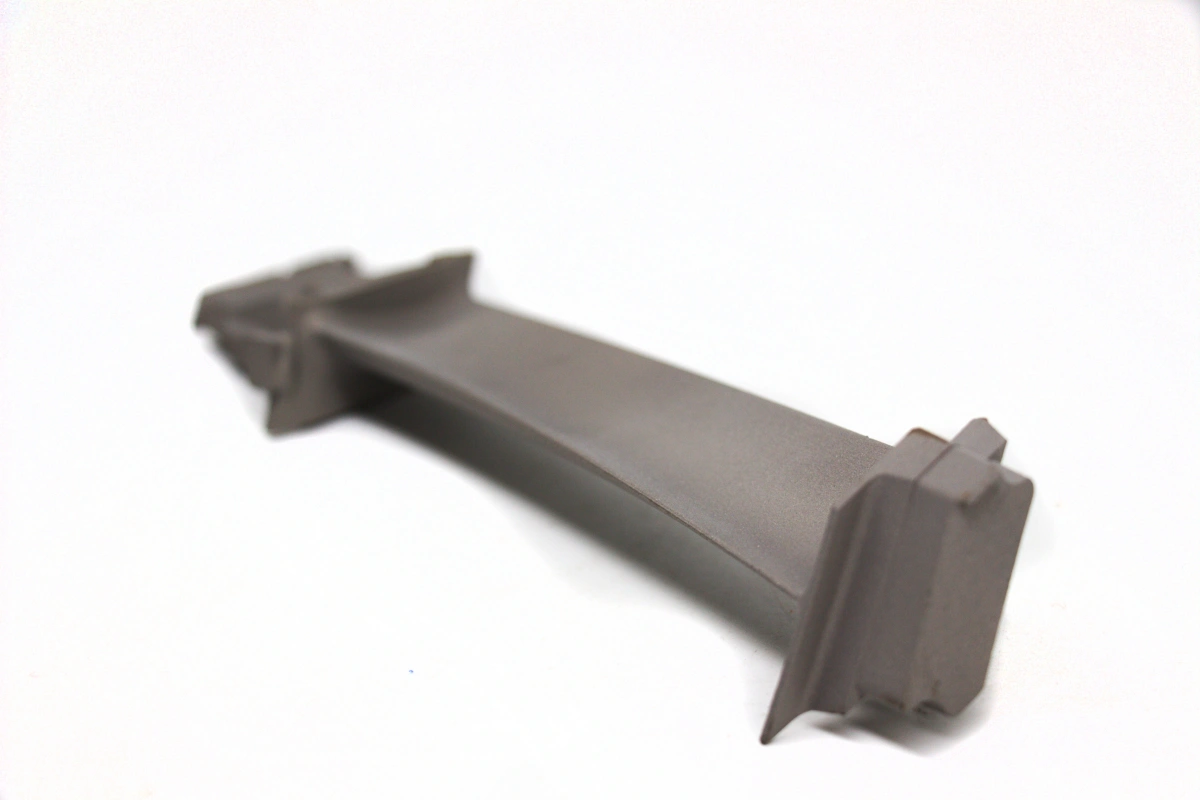
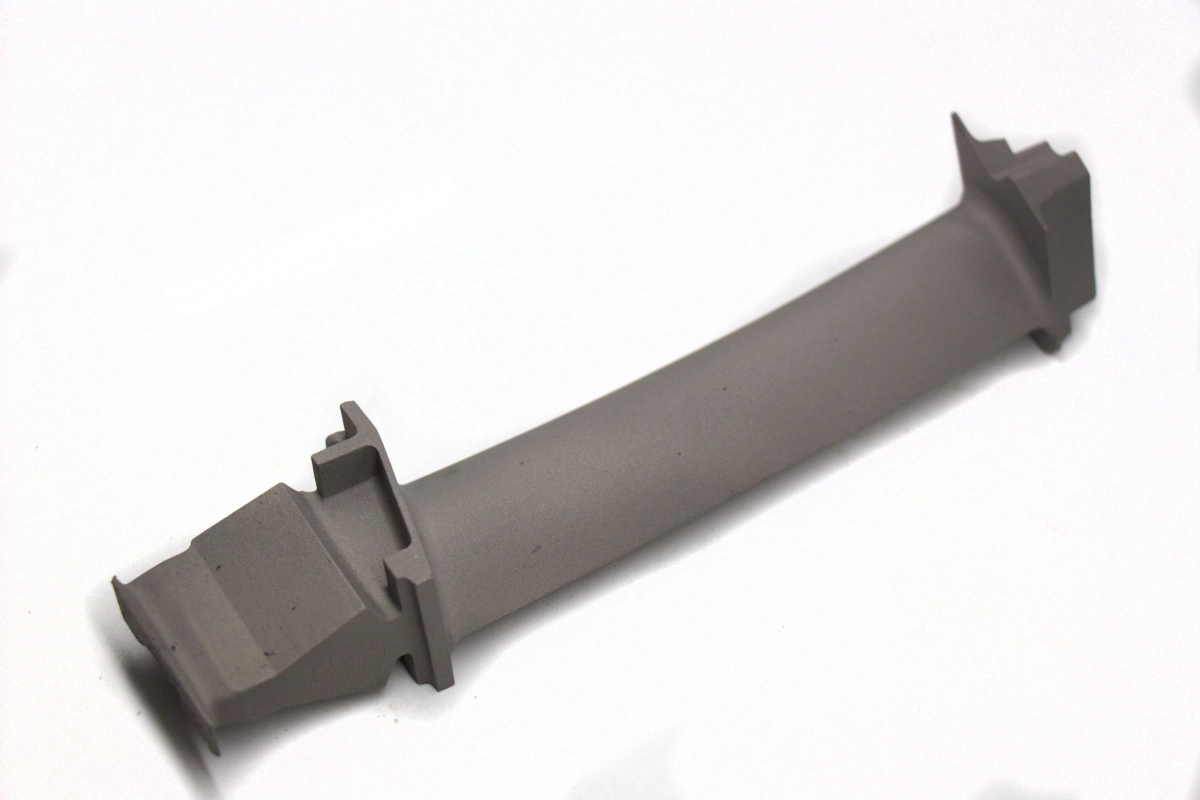
What should buyers provide when requesting a quote for 9F / 9FA cast parts?
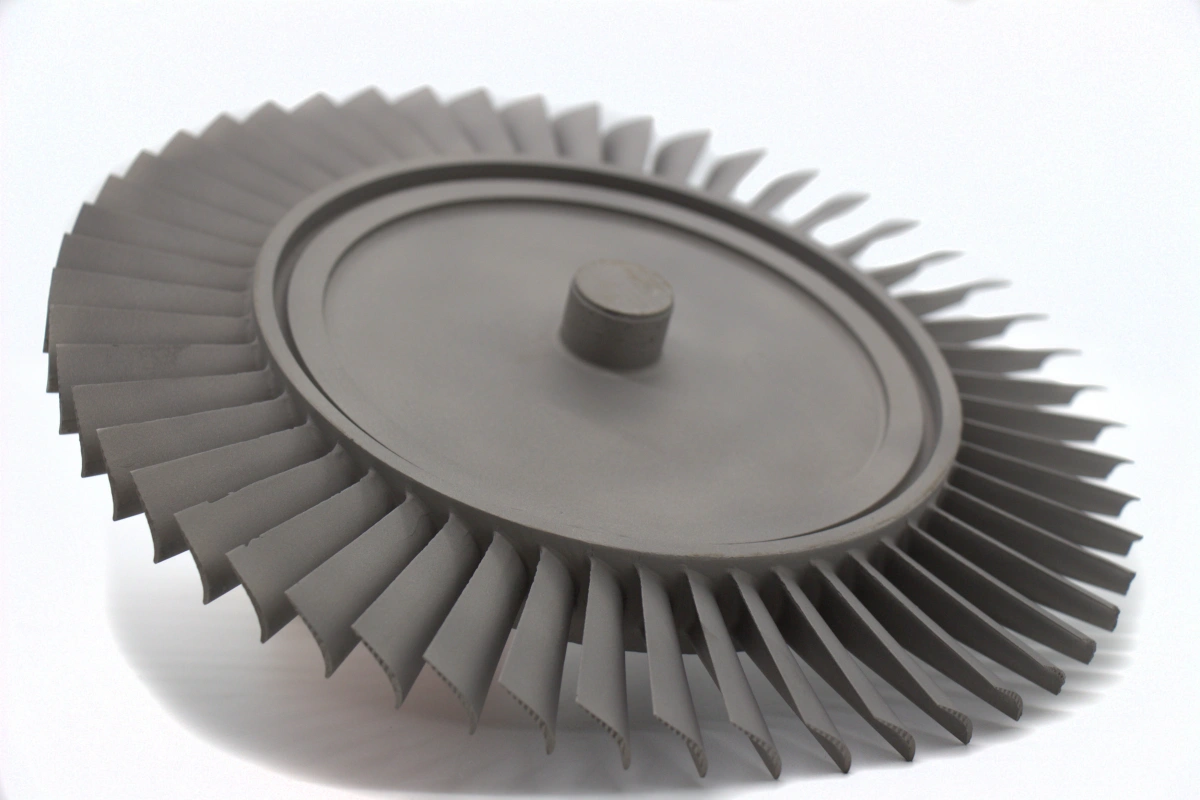
What should buyers provide when requesting a quote for 9F / 9FA cast parts?
When requesting a quote for 9F / 9FA cast parts, buyers should provide complete part identification, 2D and 3D technical files, alloy requirements, casting route expectations, quantity, inspection scope, and delivery targets. For high-temperature turbine hardware, missing RFQ data can add 2 to 5 clarification rounds, extend quotation time by several days, and create major price variation because the supplier cannot accurately assess casting complexity, machining allowance, heat-treatment needs, or inspection cost.
1. Core RFQ Information Buyers Should Send
RFQ Item | What to Provide | Why It Matters |
|---|---|---|
Part identification | Part name, part number, 9F or 9FA model, stage or combustor location | Prevents quoting the wrong frame size, revision, or configuration |
2D drawing | PDF or DWG with tolerances, datums, notes, and section views | Defines critical dimensions, machining scope, and acceptance criteria |
3D model | STEP, IGS, or X_T | Allows casting feasibility review, wall-thickness analysis, and tooling assessment |
Material requirement | Specified alloy, equivalent option, or approved chemistry range | Alloy route strongly affects cost, lead time, and heat-treatment schedule |
Supply condition | Cast blank, rough machined, fully machined, coated, or install-ready | Defines whether the quote includes only casting or a full manufacturing route |
Quantity | Prototype, outage set, or annual batch forecast | Unit cost can change significantly between 1 piece and 6 to 24 pieces |
Delivery target | Required ship date, outage date, or bid deadline | Helps determine feasible production priority and logistics planning |
2. Drawings and Models Are the Most Important Quotation Input
For 9F / 9FA cast parts, technical files usually determine whether the supplier can issue a production-grade quote or only a budgetary estimate. Buyers should provide full geometry for airfoils, ring segments, flanges, root features, seal lands, and any internal cavities. On complex hot-section castings, even a 1 mm wall-thickness change or a small fillet revision can affect tooling design, yield rate, and machining allowance.
Suppliers quoting vacuum investment casting will typically review minimum wall thickness, shrinkage-sensitive zones, gating feasibility, and whether the part is better suited to standard equiaxed casting or a more advanced route.
3. Buyers Should State the Required Alloy and Casting Route
Because 9F / 9FA parts often serve in metal temperature ranges of roughly 850–1,050°C, alloy choice has a major effect on price and technical feasibility. Buyers should specify whether they require an exact OEM-grade alloy, an approved equivalent, or an application-based recommendation from the supplier.
Material / Route Item | What Buyers Should Clarify |
|---|---|
Alloy family | For example Inconel alloy, Rene Alloys, CMSX Series, or other approved high-temperature materials |
Grain structure requirement | Equiaxed, directional casting, or single crystal casting |
Replacement type | New manufacture, reverse engineered duplicate, or repeat supply against an existing sample |
Post-cast expectation | Whether the part needs machining, welding, coating, or full release documentation |
If the buyer does not define these points, the supplier may need to quote multiple technical options, which usually slows the response and increases commercial uncertainty.
4. Inspection and Documentation Requirements Should Be Listed Up Front
Inspection scope can change the total quote by a meaningful amount, especially for critical cast turbine hardware. Buyers should clearly state whether they need standard dimensional release only or a full package that includes chemical verification, radiography, metallography, mechanical testing, coating checks, and traceable records.
For cast turbine hardware, common release requirements may involve material testing and analysis, dimensional reports, heat-treatment records, NDT reports, and raw-material certificates. If these requirements are omitted at RFQ stage, the supplier may quote a lower base price that does not reflect the final release scope.
5. Buyers Should Also Define Post-Process Requirements
Most 9F / 9FA cast parts are not shipped directly after casting. Buyers should state whether the quote should include any of the following value-added stages:
Post-Process | Why It Should Be Included in the RFQ |
|---|---|
Required for microstructure stabilization, creep strength, and stress relief | |
May be needed for densification and fatigue-sensitive hot-section parts | |
Essential for roots, flanges, sealing faces, and critical datums | |
Needed when the part requires assembled sections or repair-compatible features | |
Important for parts exposed to more severe oxidation and hot-gas conditions |
If the buyer only asks for a cast blank but later requires a fully finished part, the original quotation will not accurately reflect the true project scope.
6. Quantity, Delivery Window, and Sample Availability Affect Price
Buyers should clearly state whether they need 1 development sample, a 3-piece validation lot, a 6-piece vane set, or a larger outage package. In many casting projects, tooling, wax tooling, fixture setup, and inspection planning are spread across the batch, so unit pricing improves as volume rises.
Lead time also matters. A normal quote for a standard cast route may assume typical tooling and production scheduling, while an outage-driven order may require expedited pattern work, faster shelling priority, and premium logistics. If the buyer has an existing sample or used part available for comparison, that can also reduce technical risk and shorten review time.
7. Practical RFQ Checklist for 9F / 9FA Cast Parts
Before Sending the RFQ, Confirm You Included: |
|---|
9F or 9FA platform identification |
Exact part name and part number |
2D drawing with tolerances and notes |
3D model in STEP, IGS, or X_T |
Specified alloy or acceptable equivalent |
Required grain structure or casting method if known |
Required quantity and annual forecast if available |
Inspection, certification, and report requirements |
Heat treatment, HIP, machining, coating, or other post-process scope |
Target ship date, outage date, and destination |
8. Summary
In summary, buyers requesting a quote for 9F / 9FA cast parts should provide complete drawings, alloy requirements, casting route expectations, quantity, post-process scope, inspection standards, and delivery targets. The most accurate RFQs define whether the supplier is quoting only a cast blank or a full manufacturing route through post-process support. For related application references, see power generation and gas turbine components. The more complete the RFQ package, the faster and more commercially reliable the quote will be.