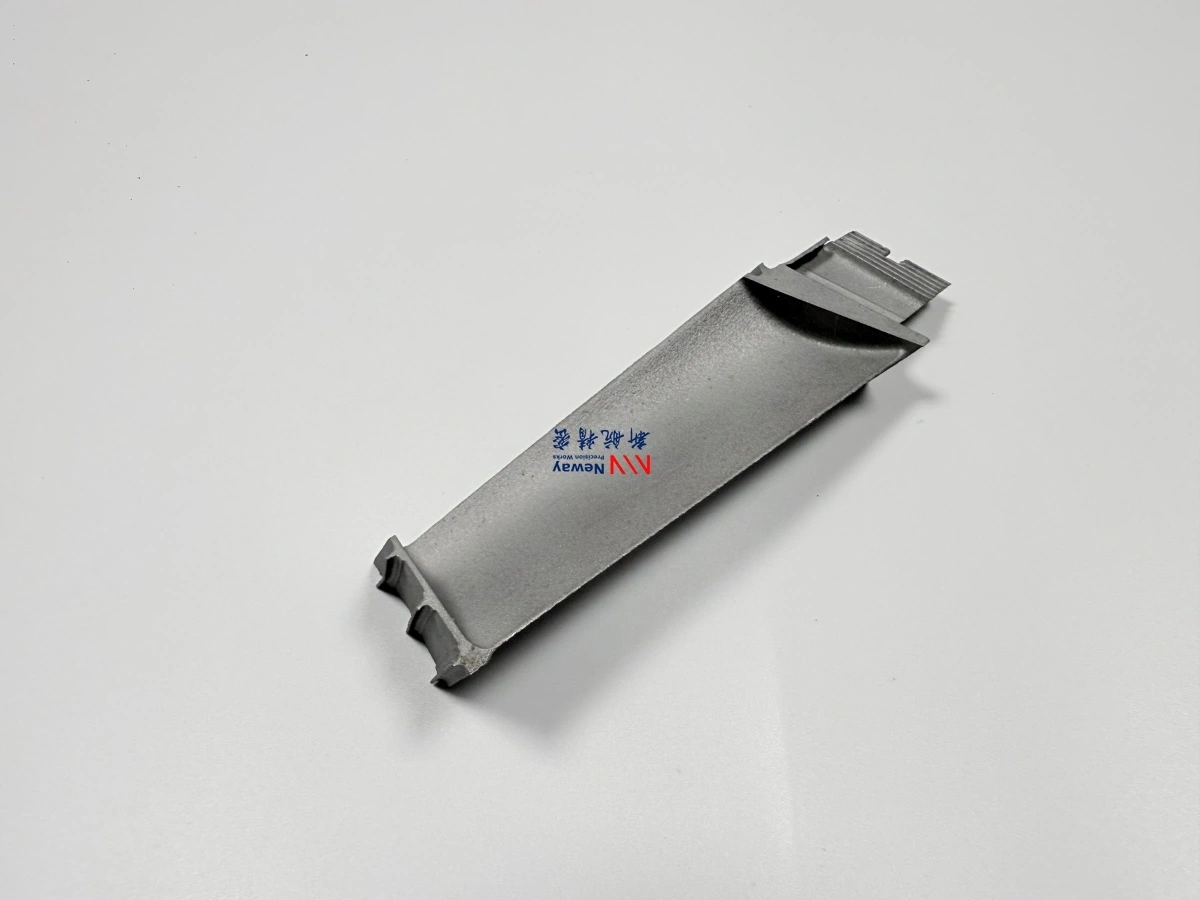
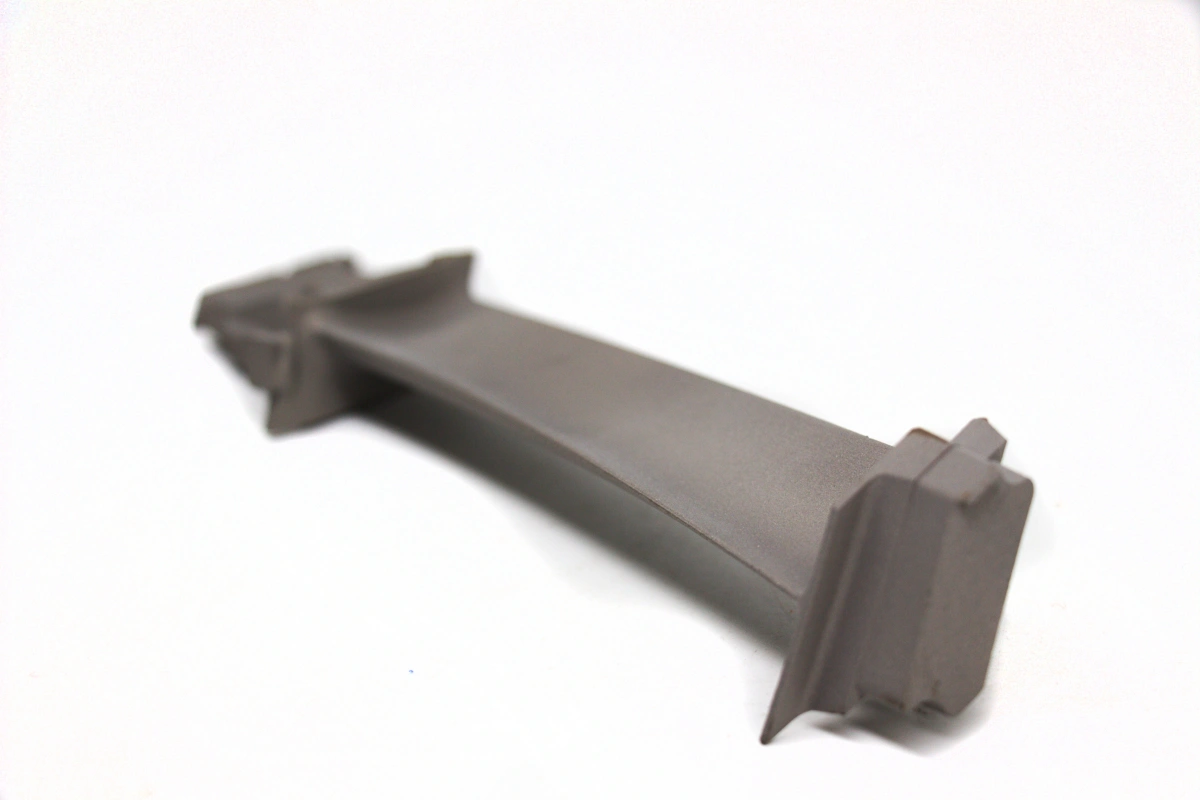
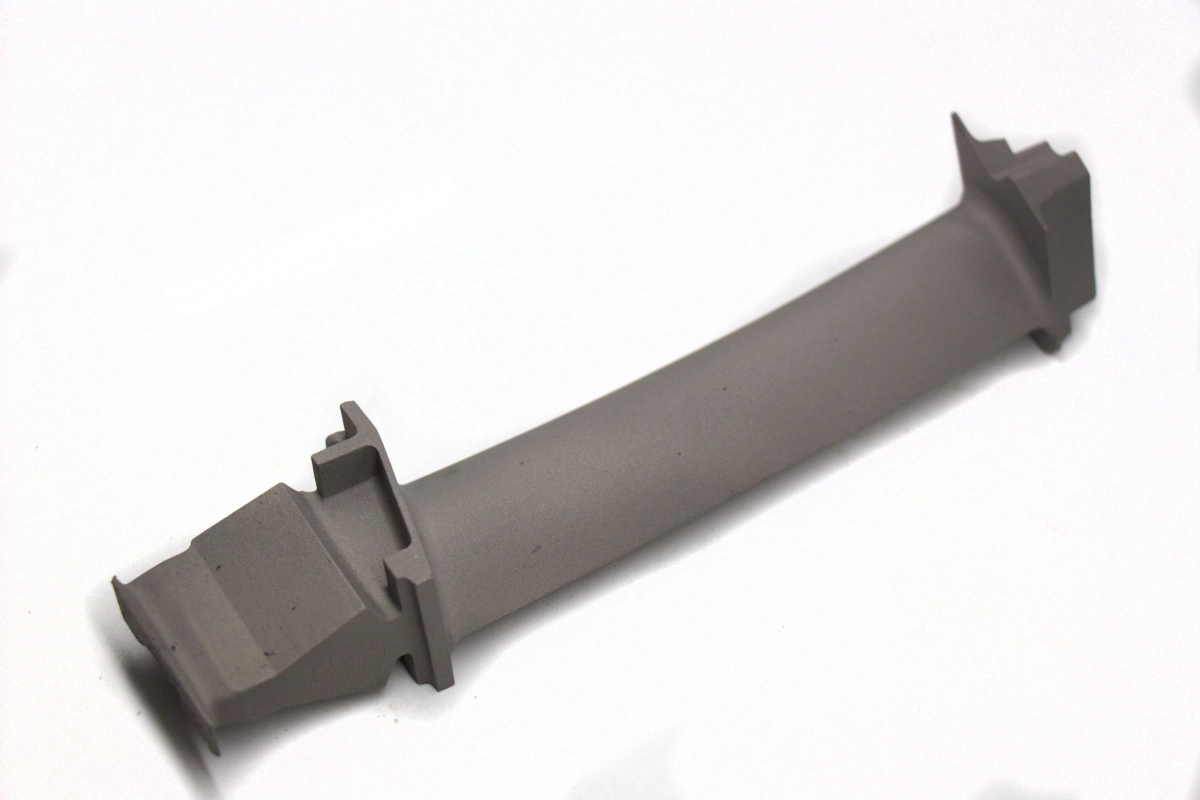
How do alloy selection and casting method affect 9F / 9FA part life?
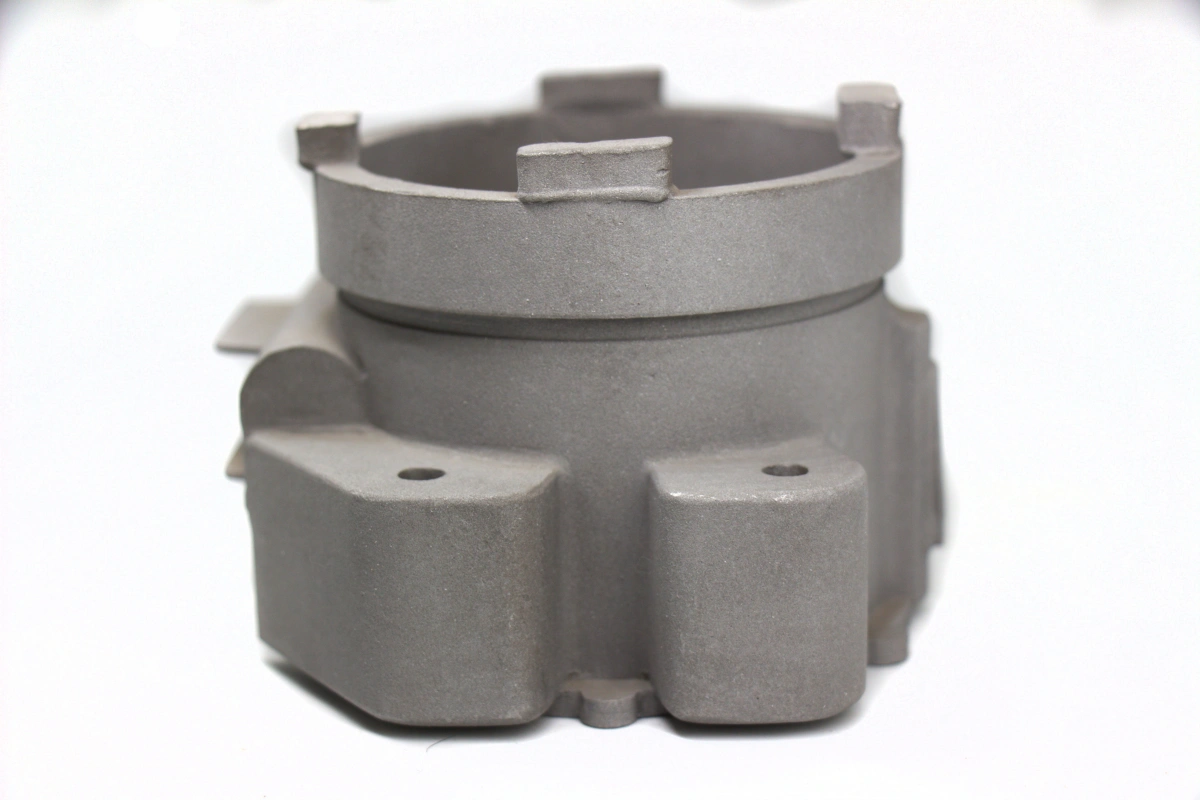
How do alloy selection and casting method affect 9F / 9FA part life?
Alloy selection and casting method strongly affect 9F / 9FA part life because they determine creep resistance, oxidation stability, thermal fatigue strength, defect sensitivity, and how well the part survives repeated startup-shutdown cycles. In large-frame gas turbines, a part made from the right alloy but the wrong grain structure may still fail early, while a well-matched alloy and casting route can significantly extend inspection intervals and reduce crack growth, wall loss, and dimensional distortion in service.
1. Why Material Route Matters for 9F / 9FA Service Life
Many 9F / 9FA hot-section and combustion components operate with metal temperatures roughly in the 850–1,050°C range, while local gas-path temperatures can be much higher. Under these conditions, part life is usually limited by one or more of the following: creep deformation, oxidation attack, thermal fatigue cracking, hot corrosion, or casting-related defects. That is why service life depends not only on using a heat-resistant alloy, but also on whether the part is produced by equiaxed, directional, or single-crystal solidification.
2. How Alloy Selection Affects Part Life
Material Factor | Main Life Effect | Typical Result in 9F / 9FA Service |
|---|---|---|
Creep strength | Controls deformation resistance at high temperature | Better dimensional stability and longer life in blades, vanes, and rings |
Oxidation resistance | Reduces metal loss and surface degradation | Slower wall thinning in combustor and transition hardware |
Thermal fatigue resistance | Delays crack initiation under cyclic heating | Longer inspection intervals in cycling-duty units |
Hot corrosion resistance | Improves durability in contaminated environments | Better life in fuel- and environment-sensitive combustion zones |
Weldability and repairability | Affects restoration success and post-outage reuse | Lower repair risk for combustion hardware and structural hot parts |
For example, alloys in the Inconel alloy family are often selected where balanced oxidation resistance, strength, and fabricability are needed. In higher-temperature or more creep-sensitive areas, materials from the Rene Alloys or CMSX Series families are more relevant because they are designed for stronger high-temperature performance. Where wear or corrosion is more dominant than pure creep strength, Stellite alloy or Hastelloy alloy routes may be more suitable.
3. How Casting Method Affects Grain Structure and Life
The casting method defines grain structure, and grain structure directly affects how a part handles heat and stress. For 9F / 9FA hardware, the three main casting routes are equiaxed crystal casting, directional casting, and single crystal casting.
Casting Method | Grain Structure | Main Life Advantage | Best-Fit 9F / 9FA Parts |
|---|---|---|---|
Equiaxed | Random grain structure | Good general durability with lower cost and easier production | Combustion hardware, nozzle rings, shrouds, seals, structural hot parts |
Directional | Aligned grain structure | Better creep and thermal fatigue life along the loading direction | Vanes, selected blades, higher-duty gas-path parts |
Single crystal | No transverse grain boundaries | Maximum creep resistance and best high-temperature fatigue performance | Most severe turbine blade applications |
In life terms, equiaxed castings are often fully adequate for many combustion and structural parts, but they usually do not match the creep life of directional or single-crystal airfoils in the hottest zones. Directional casting improves life because aligned grains reduce transverse weakness under sustained thermal load. Single-crystal casting goes further by eliminating many grain-boundary-related failure mechanisms, which is why it is used where maximum blade life is required.
4. What Happens When Alloy and Casting Route Do Not Match?
Mismatched Choice | Likely Life Problem | Typical Field Result |
|---|---|---|
Good alloy, low-performance grain structure | Insufficient creep life | Early distortion or cracking in hot-gas-path parts |
Strong creep alloy, poor oxidation suitability | Fast surface degradation | Wall thinning and higher coating demand |
Complex part cast by unsuitable method | Higher defect risk | Porosity, shrinkage, or inconsistent service life |
Repair-heavy part with low weldability alloy | Poor restoration success | Higher scrap rate and shorter reuse cycle |
This is why buyers should not treat alloy selection and casting route as separate purchasing items. For example, choosing a high-performance alloy but using a less suitable casting structure can leave 15% to 40% of potential high-temperature life unrealized, depending on the part function and duty cycle. On the other hand, upgrading the casting route without matching the correct alloy chemistry may still leave oxidation or repair limitations unresolved.
5. Which 9F / 9FA Parts Are Most Sensitive to These Decisions?
Part Type | Alloy Sensitivity | Casting Method Sensitivity | Main Life Driver |
|---|---|---|---|
Turbine blades | Very high | Very high | Creep and thermal fatigue |
Guide vanes | High | High | Thermal stability and oxidation |
Nozzle rings | High | Medium to high | Dimensional stability and crack resistance |
Combustion structures | High | Medium | Oxidation, thermal fatigue, repairability |
Shrouds and seal segments | Medium to high | Medium | Wear, oxidation, thermal cycling |
6. Life Is Also Shaped by Post-Processing
Even with the correct alloy and casting route, final life still depends on later processing. Steps such as heat treatment, HIP, CNC machining, and thermal barrier coating further influence crack resistance, defect closure, oxidation control, and final fit. But these later steps work best when the initial alloy and casting route are already correctly chosen.
That is why many long-life hot-section programs begin with the right superalloy casting route and then build life margin through post-process control instead of trying to fix a weak material route later.
7. Summary
If the priority is... | Most important choice |
|---|---|
Lowest cost with good general performance | Equiaxed alloy route |
Better creep life in hot-gas-path parts | Directional casting with suitable superalloy |
Maximum blade life in the hottest zones | Single crystal plus advanced alloy family |
Repairable combustion hardware life | Oxidation-resistant weldable alloy route |
In summary, alloy selection affects 9F / 9FA part life by controlling creep strength, oxidation resistance, and repairability, while casting method affects life by controlling grain structure and defect sensitivity. The longest service life usually comes from matching the alloy family to the operating temperature and matching the casting route to the part’s thermal and mechanical load. For related capability references, see gas turbine components, power generation, and vacuum cast components.