Why is welding necessary in superalloy manufacturing?
Role of Welding in Superalloy Manufacturing
Welding plays a critical role in superalloy manufacturing, especially when engineering complex assemblies that cannot be produced as a single casting or printed part. In high-temperature or corrosive applications such as aerospace and aviation, oil and gas, and nuclear, welded joints enable modular component design, facilitate repair, and reduce manufacturing costs by avoiding complete component replacement. Modern superalloys—including grades like Stellite 12 and Rene 41—possess high strength and oxidation resistance but are difficult to machine, making welding an efficient method of assembly and repair.
To achieve reliable weld integrity, specialized techniques and controlled thermal cycles are required to prevent cracking, microstructural degradation, or phase imbalance. That is why dedicated superalloy welding services are essential in critical engineering sectors.
Repairability and Component Lifecycle Extension
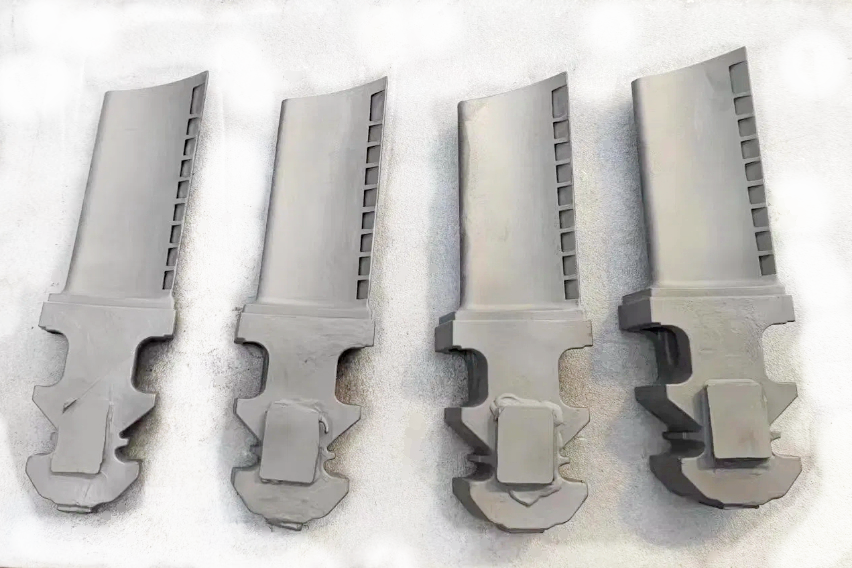
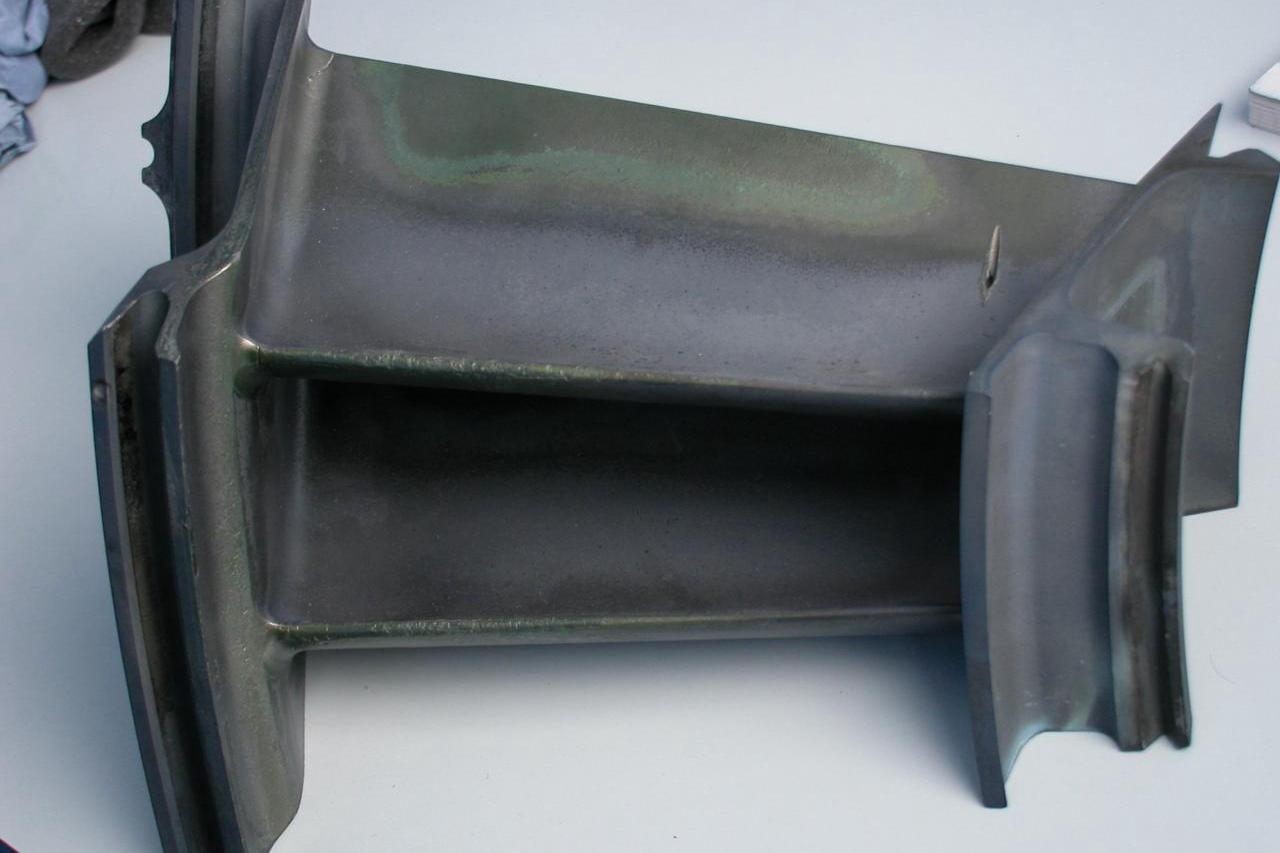
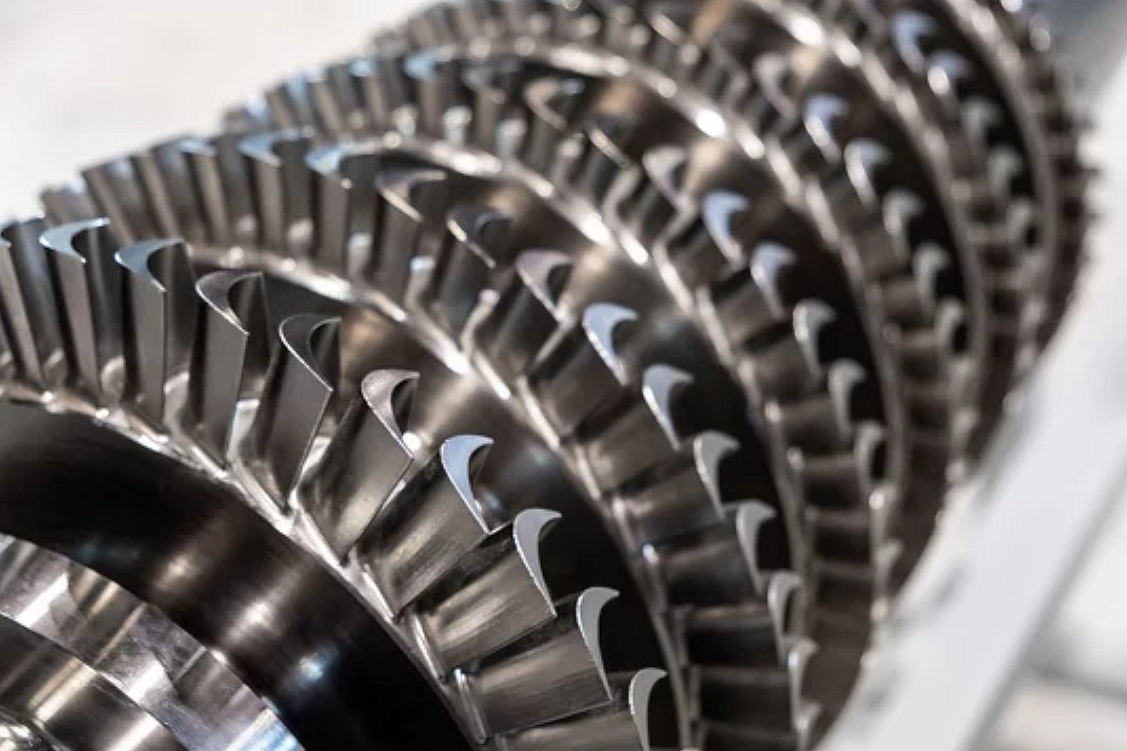
In turbine blades, combustor liners, and exhaust components, welding enables material buildup, crack repair, and geometry restoration after service wear. This repairability extends lifespan, reducing downtime and cost. Instead of discarding an entire part, localized welding followed by CNC machining and heat treatment can restore dimensional and mechanical integrity. In aerospace, these repair strategies are essential for maintaining engine efficiency and flight safety.
Superalloy welding also allows hybrid structures—combining cast, forged, and 3D-printed components—to form a single functional assembly optimized for weight, strength, and heat resistance.
Engineered Performance and Weldability
Different superalloys exhibit varying weldability. Nickel-based grades like Inconel 600 and cobalt-based alloys such as Stellite 6K require strict control of heat input to avoid hot cracking or unwanted brittle phase formation. Post-weld heat treatment is often applied to restore microstructural balance and relieve residual stress for long-term durability. Specialized welding processes—such as TIG, laser welding, and electron-beam welding—are tailored according to component geometry and alloy type.
The goal is not just joining material but preserving its high-temperature strength, oxidation resistance, and creep performance under operational stresses.
Integration and Final Quality Verification
Welded assemblies undergo stringent testing using X-ray scanning, metallographic inspection, and non-destructive material testing and analysis to verify structural stability. Once welding integrity is confirmed, finishing processes such as thermal barrier coating (TBC) or precision machining may be applied to meet application-specific requirements.
Ultimately, welding is not merely a joining method—it is a strategic manufacturing tool that enables modular design, repair, and the creation of hybrid structures, as well as the extension of the lifecycle of high-value superalloy components used in extreme environments.