What advantages does welding superalloys offer over traditional metals?
Advantages of Welding Superalloys Over Traditional Metals
Welding superalloys provides significant performance benefits compared to traditional metals such as stainless steel or carbon steel, particularly in extreme environments involving high temperature, pressure, corrosion, and cyclic loading. Superalloys—especially nickel-based grades like Inconel 600 and advanced cobalt-based materials like Stellite 25—retain mechanical strength under conditions where conventional metals rapidly degrade. Welding enables engineers to repair, assemble, or reinforce such alloys while preserving high-temperature stability and resistance to oxidation, creep, and corrosion.
For demanding applications in aerospace, chemical processing, and power generation, welding superalloys provides superior operational reliability and longer service life compared to traditional metals.
Mechanical Strength and Thermal Stability
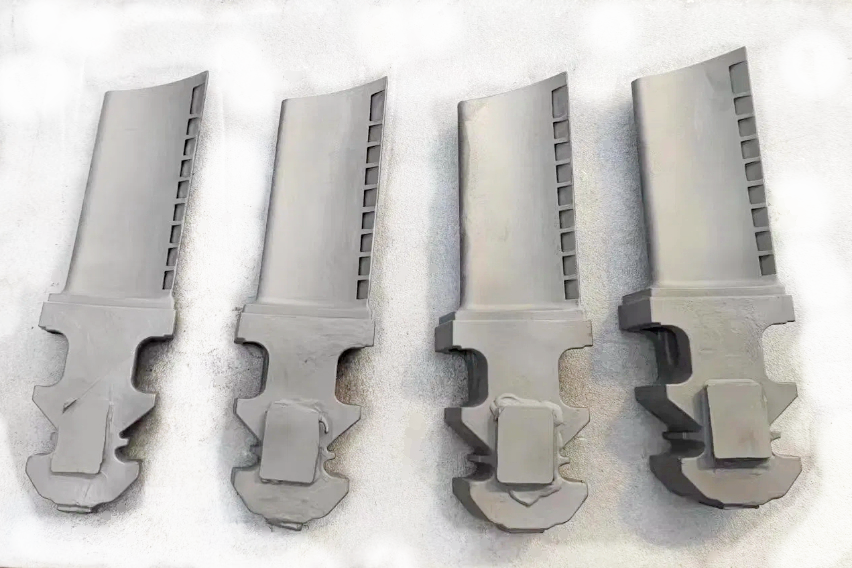
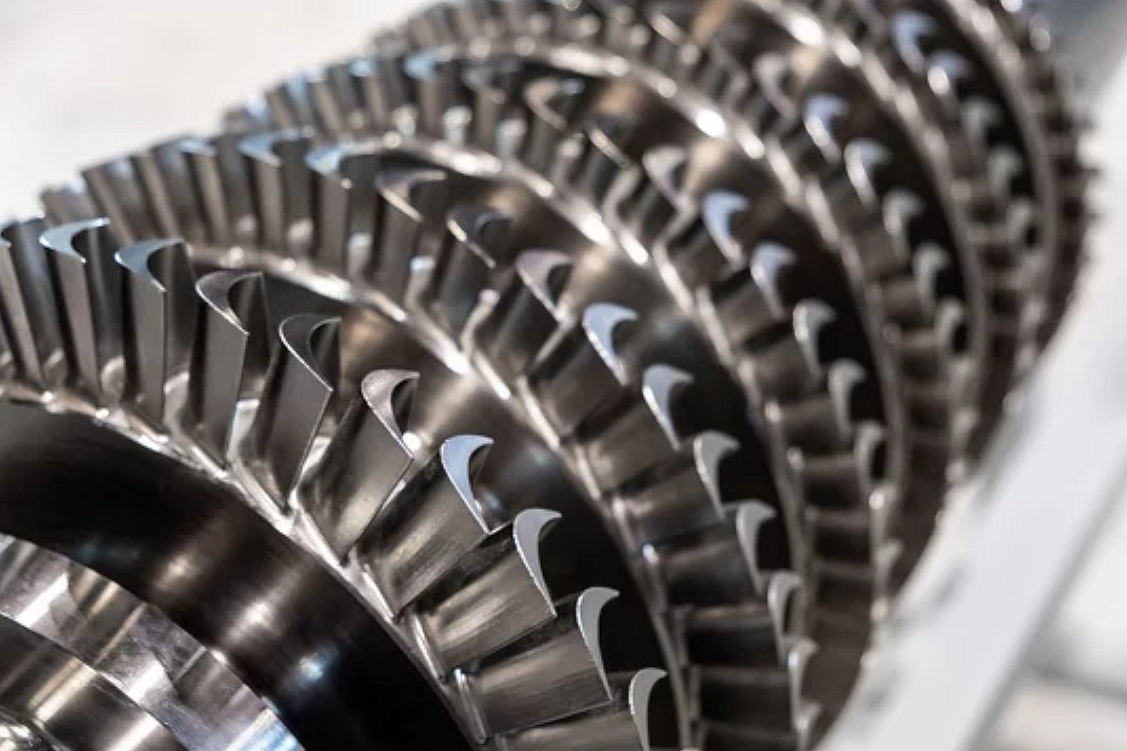
Superalloys maintain high yield strength and creep resistance at temperatures exceeding 800 °C, whereas traditional steels lose stability under similar conditions. Welding allows modular construction of turbine blades, combustor chambers, and heat shields—areas where uninterrupted performance is essential. After controlled welding and post-weld heat treatment, joints in superalloys can exhibit mechanical properties comparable to the base material.
With appropriate filler selection and precision techniques such as TIG and electron-beam welding, even complex alloys like CMSX-10 can be effectively joined without compromising grain structure.
Repairability and Lifecycle Extension
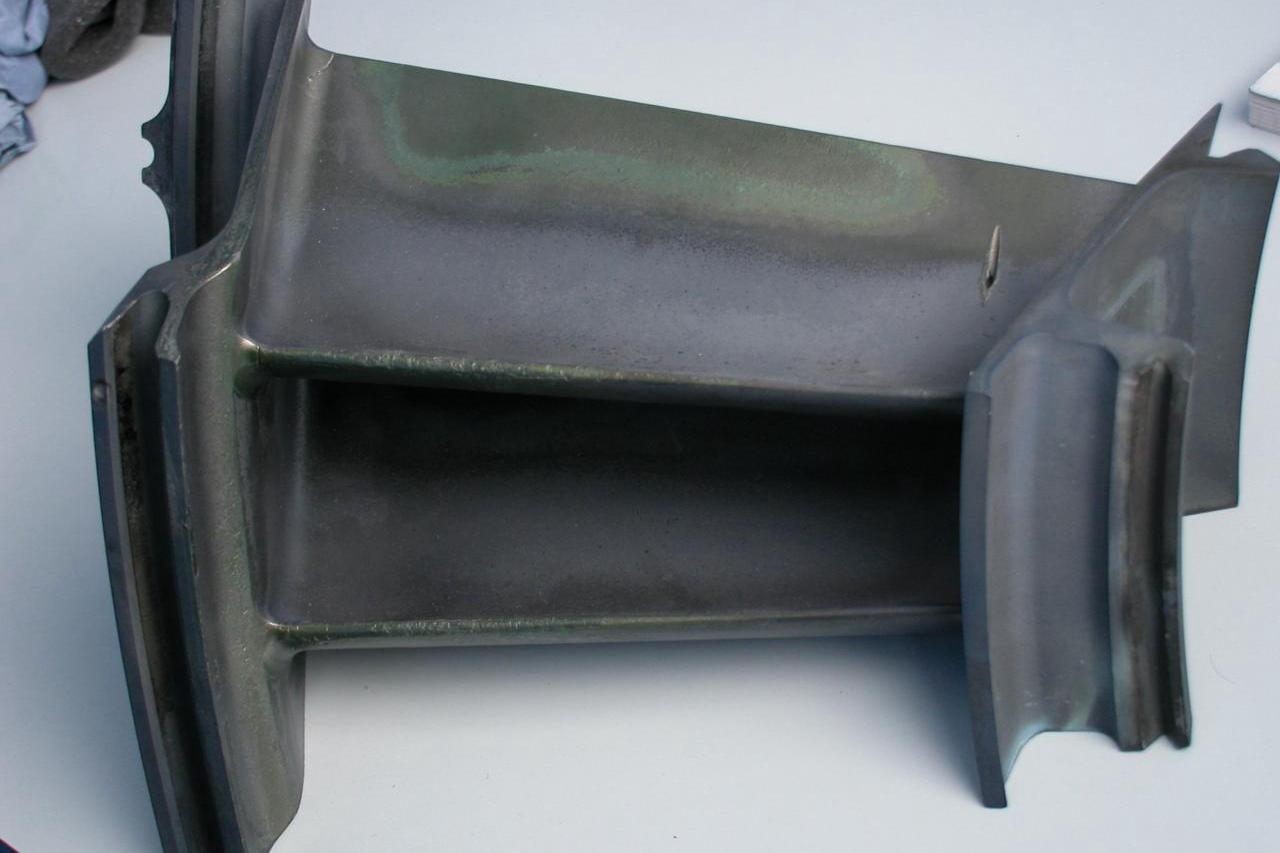
Unlike conventional metals that often require replacement upon damage, superalloys can undergo localized welding repair followed by CNC finishing and inspection. This is especially beneficial for high-value components produced via single-crystal casting or precision forging. Repair via welding reduces downtime and cost while restoring near-original mechanical performance. Protective layers such as thermal barrier coating (TBC) may also be reapplied to ensure longevity.
Corrosion and Wear Resistance Enhancement
Weld overlays using superalloys like Hastelloy C-276 can provide corrosion-resistant surfaces on conventional substrates, improving performance in oil and gas environments or chemical processing systems. This hybrid approach reduces material consumption and enables tailored functionality while maintaining structural integrity under aggressive conditions.
In summary, welding superalloys allows advanced performance engineering beyond the capabilities of traditional metals, supporting long-term reliability and high-efficiency operation in extreme working environments.