What is the main function of TBCs in high-temperature alloy applications?
Primary Purpose of TBCs
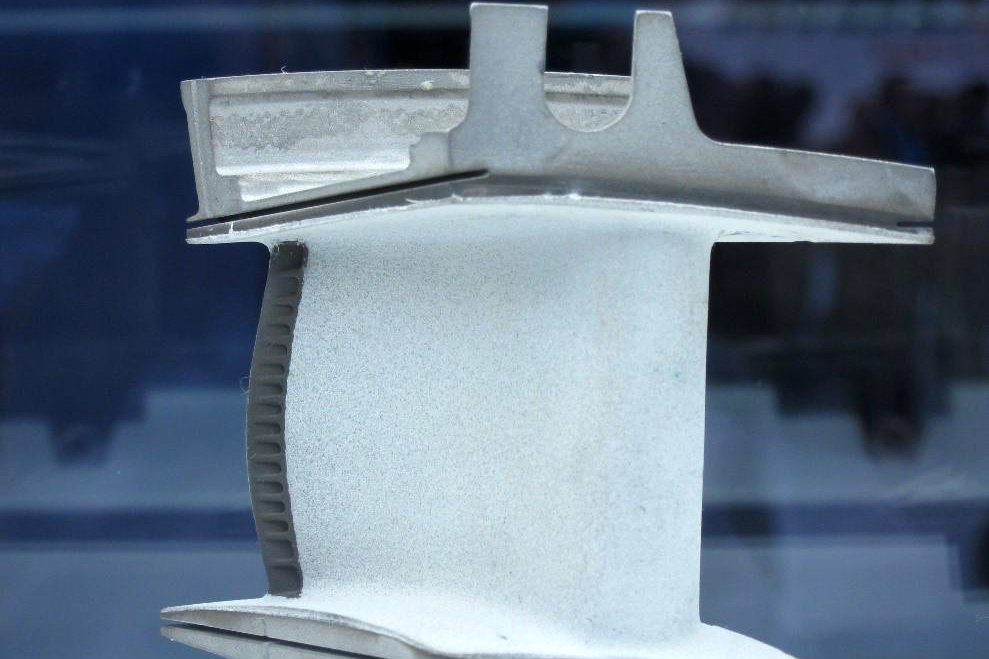
The main function of Thermal Barrier Coatings (TBCs) is to reduce heat transfer to high-temperature alloy substrates, enabling components to operate safely beyond the thermal limits of the base material. This thermal insulation preserves the strength of nickel- and cobalt-based superalloys, particularly in combustion zones and hot gas paths within aerospace and aviation and power generation industries. By lowering the metal temperature, TBCs significantly delay creep, fatigue, oxidation, and corrosion—all of which are critical failure mechanisms in high-temperature service conditions.
Thermal Protection and Performance Advantages
TBC systems consist of a bond coat and ceramic top coat. The ceramic layer—commonly made with yttria-stabilized zirconia (YSZ)—acts as a thermal barrier, while the bond layer provides oxidation resistance and improves coating adhesion. This makes TBCs particularly valuable for parts manufactured through superalloy directional casting and single crystal casting, where thermal stress and grain boundary stability are critical to performance.
By mitigating surface temperature and local stress levels, TBCs increase part durability, reduce maintenance needs, and allow higher engine operating efficiency—directly enhancing fuel economy and power output.
Supporting Processes for Optimal Function
To ensure TBC performance, surface preparation and dimensional recovery are typically done using superalloy CNC machining. Additional strengthening through hot isostatic pressing (HIP) helps eliminate porosity in cast substrates, improving coating adhesion and structural reliability.
After application, inspection via material testing and analysis confirms coating thickness, microstructure quality, and resistance to spallation before the component is approved for service.
Summary
The main function of TBCs is to provide thermal insulation and oxidation resistance, allowing high-temperature alloy components to operate safely under extreme heat while maintaining structural and mechanical integrity.